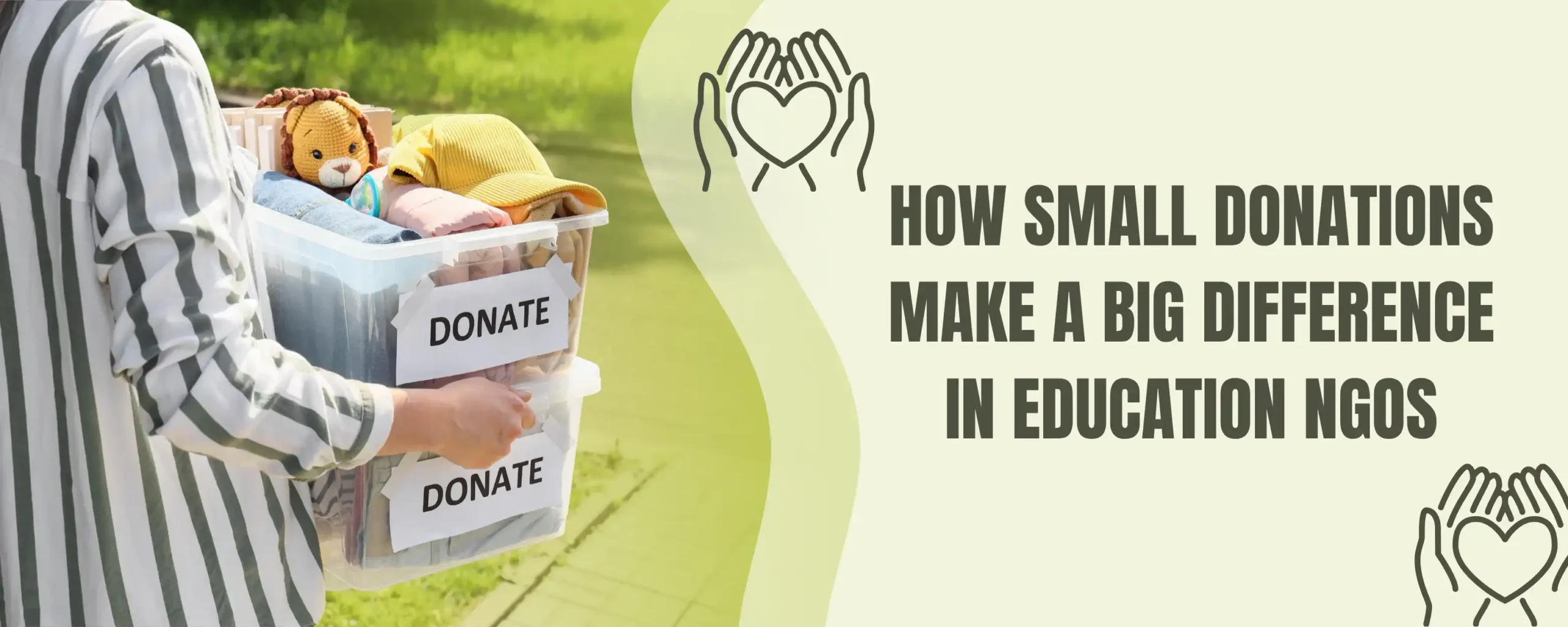
With inflation, the value of money is decreasing. We look at our wallets and think “what difference these few coins could possibly make?” While that small amount might not help you buy anything, it can surely help others. The truth is change doesn’t always come from big, one-time donations. It often comes from small, consistent acts of giving. Even though your tiny donation might not seem like much, it can have a significant impact when combined with many others. Micro-donations are quietly resolving some of the world’s biggest problems by turning individual kindness into a collective force. Today, we’re exploring how your “small” gift can change lives. It is actually a massive lifeline for someone in need.
Understanding the Importance of Small Donations
Let’s simplify this first. A small donation, or what we often call a micro donation, is simply giving a small amount like the price of a cup of coffee. It is something that doesn’t feel heavy on your pocket but still comes from the heart.
Now you might wonder, how can something so small matter? Because impact isn’t about the size of one donation. It’s about what happens when many people come together. A ₹100 or ₹200 contribution might seem small on its own, but when thousands of people give the same, it can fund large-scale initiatives for food, medicine, and education. Thus, the beauty of micro-donations lies in their cumulative effect.
Small donations make giving more inclusive. They allow everyone from students to working professionals and families to be part of something meaningful. And that’s what makes them so important. They turn giving from something “big” into something “possible.” It’s the ultimate proof that you don’t have to be wealthy to be a hero.
Why Every Contribution Matters?
When people imagine making a difference through charity, they often assume it requires large sums of money or grand gestures. Yet, the reality is that small contributions can make a meaningful change. How you ask?
Think of it like this – your small contribution is like a drop of water. And as the saying goes “An Ocean is filled drop by drop.” Your donation may not seem like much. But enough drops can fill an entire ocean. When many people contribute small amounts, it builds a strong and steady fund that can support education, healthcare, food, and so much more. What feels small to one person becomes life-changing for someone else.
And you know the beauty of it? It removes the pressure of giving big. It’s not about the size of the gift, but the size of the heart behind it. A kind heart is all that you need.
How Group Giving Is Changing the Way We Help Others
There’s something incredibly powerful about people coming together for a shared purpose. Group giving is exactly that. When individuals, communities, or even friends collectively contribute towards a cause. It is also called collective fundraising, where instead of one person doing everything, everyone does a little. And that “little” becomes something big.
This practice can take many forms: online crowdfunding campaigns, community-organized fundraising events, or even smaller circles of friends and families coming together to donate collectively. Regardless of the method, the intention is the same.
Today, you’ll see people across the borders pooling funds for education, medical needs, or community support. That’s what group giving does. It can pool a broader audience across neighborhoods, countries, and even continents. This makes charity a communal effort and not a solitary act. When many people come together to work towards a mutual cause they care about, it builds trust and unity. And honestly, the real strength is seen when a diverse group of people join hands to support a cause.
How Small Donations Are Helping Solve Big Problems
We often think solving big problems requires big resources. But in reality, many big problems are solved through small, consistent efforts. Even though problems like poverty, public health, education, and climate change may seem insurmountable, they are being addressed on a daily basis because of the steady support of countless individuals who give what they can. Charitable organizations rely heavily on these small gifts, so they can carry on their work with stability.
For example, a series of modest recurring donations can collectively fund life-saving medical research, sustain local food programs, or deliver clean drinking water to entire communities. And this feeling of being a part of a cause larger than yourself helps you remind yourself that your contribution can bring change. This shift from kindness as sentiment to kindness into action is redefining the act of giving. So yes, small donations may look simple… but their impact runs deep.
How Small Donations Power Charities’ Long-Term Success
Charities don’t just dream for today; they plan for the years ahead. So, for charities consistency matters just as much as generosity. While large donations are wonderful, they are often one-time events. It’s the small, recurring donations that keeps a charity alive. They provide a steady and predictable flow of resources that allows organizations to plan long-term projects, support more people, and create long-term impact.
Small donations create stability. And stability is what turns short-term help into long-term change. It’s like, if a charity knows they can count on regular small contributions, they can confidently continue their programs without interruption. Thus, the success of a charity’s future often rests on the shoulders of everyday donors.
The Rise of Digital Donations and Online Giving
Technology has truly democratized kindness. In the past, giving often required mailing checks, attending in-person events, or visiting banks. Today, however, digital tools have removed these barriers, making giving easier and more accessible than ever before.
With just a few taps on your phone, you can support a cause you care about within seconds. No matter what part of earth you are sitting in, you won’t need any paperwork or long process to donate. Online giving just makes it simple, quick, and secure. You don’t have to wait for the “right time” anymore. You can give whenever you feel moved. And because everything is transparent and trackable, it builds trust too.
Mobile apps, crowdfunding platforms, online donation pages and secure online payment systems like UPI have created a seamless giving experience. Features like one-click donations, automatic monthly contributions, and peer-to-peer fundraising campaigns have further simplified the process, encouraging people to give regularly, even if it’s a small amount. This convenience is particularly appealing to younger generations, who are comfortable with digital transactions and often seek ways to support without making their wallets empty. Thus, technology has truly changed the way we give, making kindness faster, easier, and more connected.
A New Way to Give: Why Micro Donations Are Becoming So Popular
If you look around, you’ll notice more people choosing to give small amounts regularly rather than one big donation. Do you know why? Because, it feels doable. People want to help, but they also want it to fit into their everyday lives. Micro-donations allow exactly that. You don’t have to wait until you have “extra money.” You can start with what you have.
In recent years, the culture of giving has shifted dramatically, with small donations becoming the most popular kind of giving. This change is fueled by both accessibility and mindset. As discussed earlier, online donations have made it simple for anyone with internet access to give, regardless of financial background. This ease of access has encouraged millions of individuals to make charity a part of their everyday lives.
Now equally important is the change in mindset. People believed that they needed large sums to make a “real impact.” Small donations have broken that myth. It has proved that ordinary people can collectively fuel monumental change. This shift has made giving more inclusive.
Ultimately, small donations are popular today because they are flexible, simple and sustainable. They redefine charity, making it part of daily life and proving that everyone can contribute to a better world.
Small Donations in Times of Crisis
Speed is everything when disaster strikes. Be it a natural disaster, financial hardship, or sudden need, small donations become incredibly powerful. In the first few hours of a crisis, thousands of people giving small amounts can provide immediate relief. In those moments, it’s not about how much one person gives. It’s about how many people show up. They are the “first responders” of the financial world. They provide the immediate surge of support that saves lives while larger international aid packages are still being negotiated.
Sustained Giving: Building Long-Term Impact
If you’re thinking of starting, keep it simple. You don’t need to do something big. You can start small with something comfortable or consistent like a small monthly contribution or choosing to “donate” at a digital checkout. Over time, that small effort becomes meaningful support for someone else.
You can give through trusted platforms, support causes you care about, or even set reminders for regular contributions. Because real impact isn’t built overnight. It grows slowly, through consistency. It’s a sustainable way to live a life of purpose.
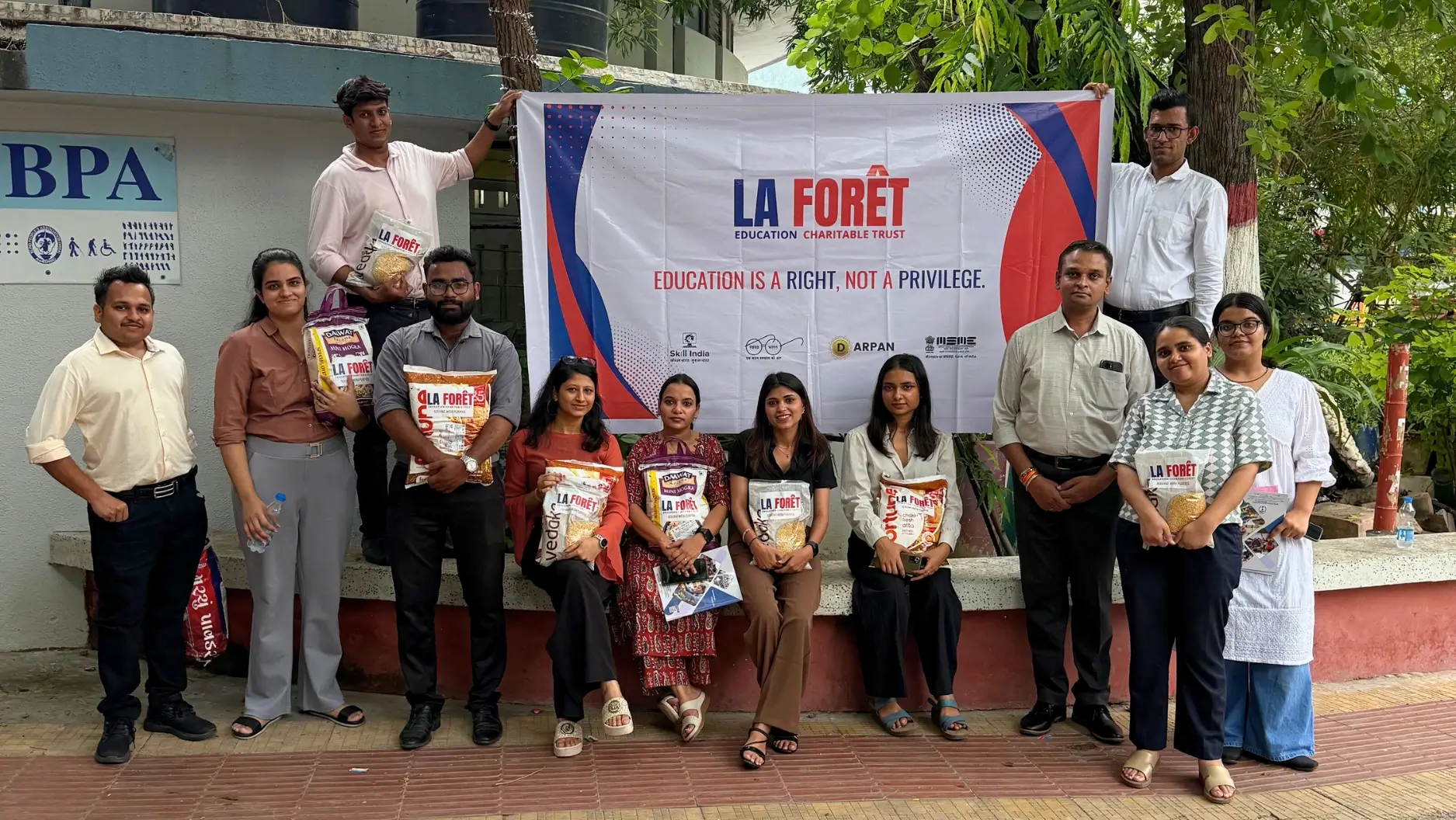
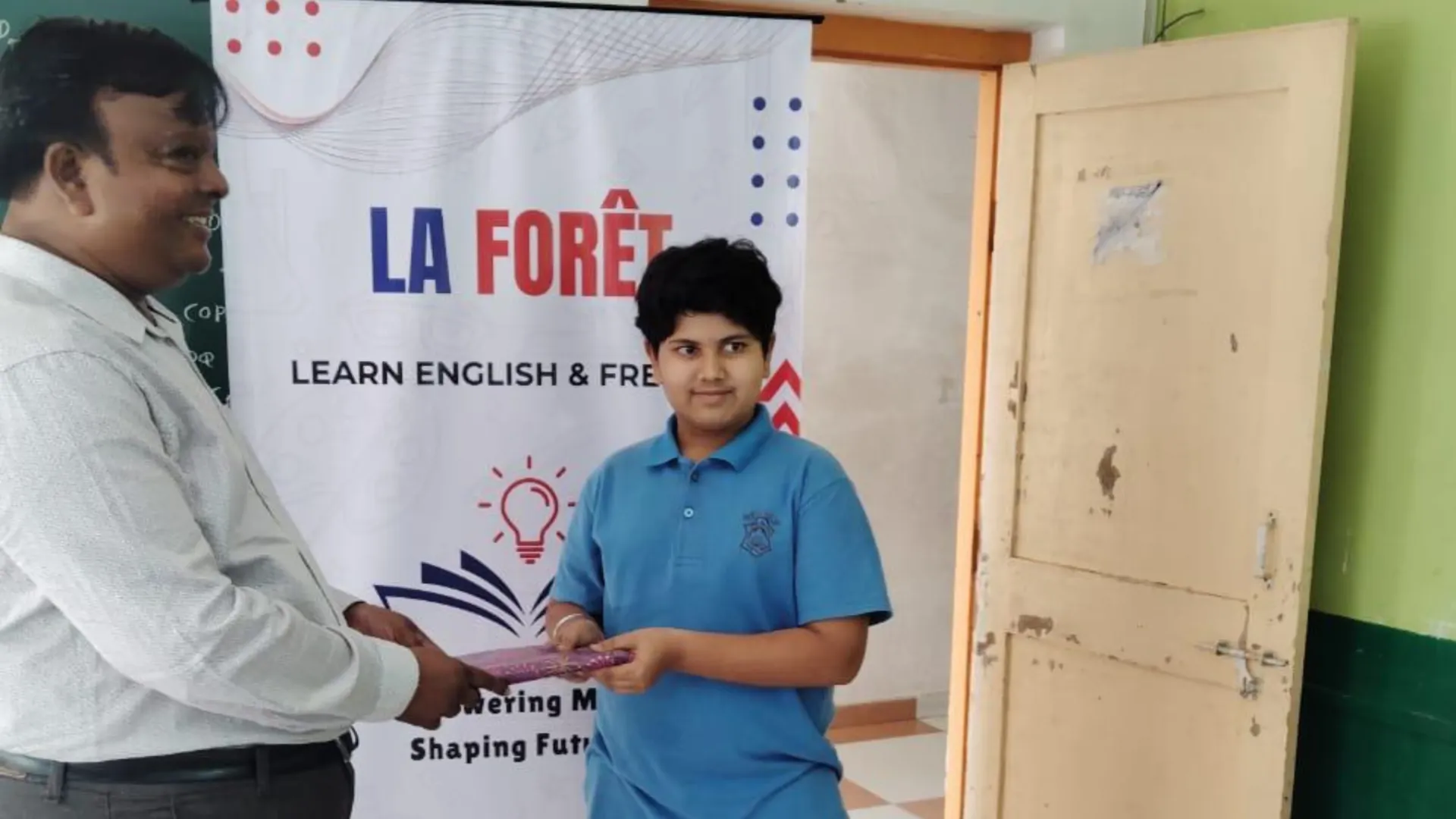
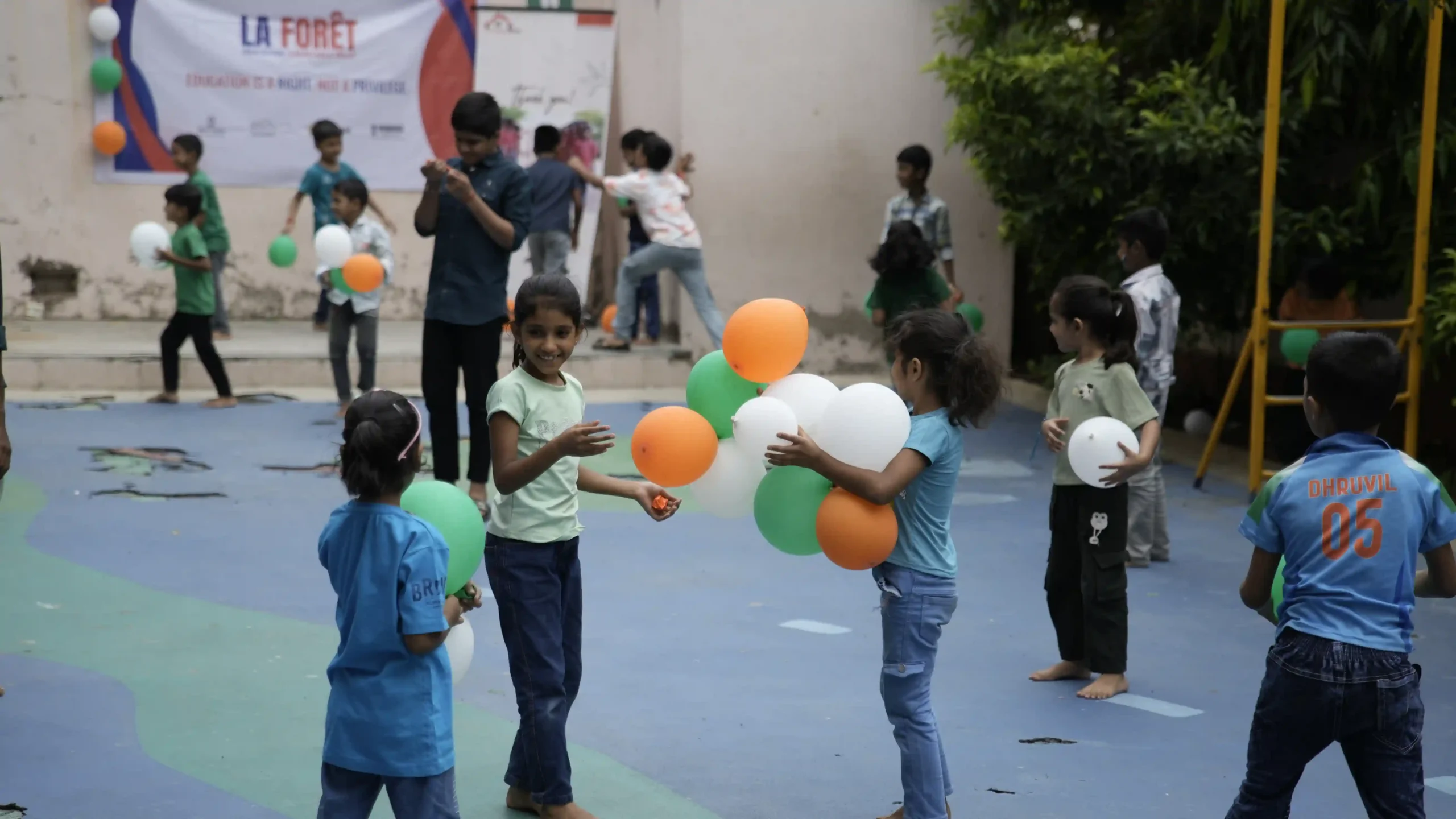
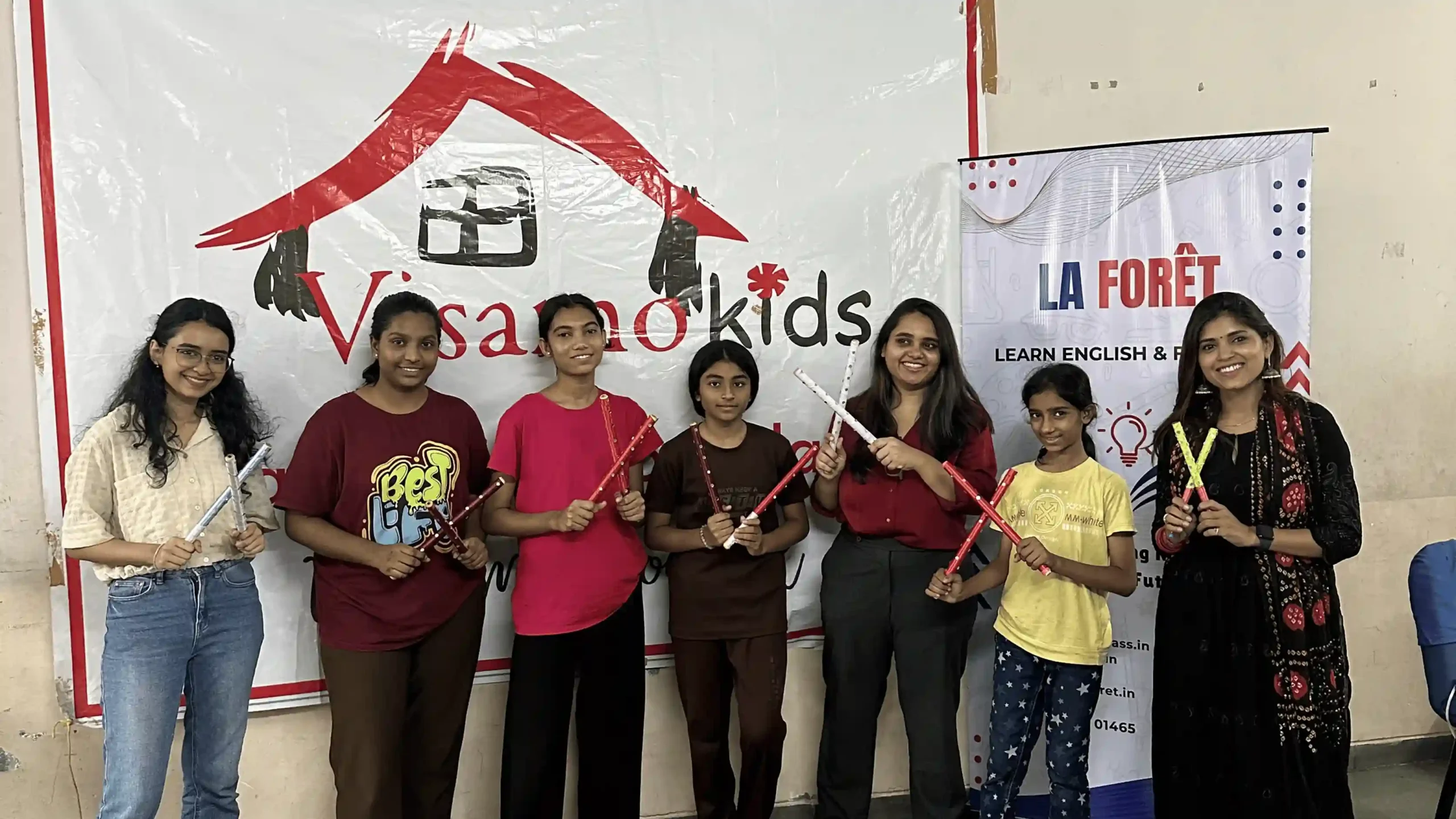
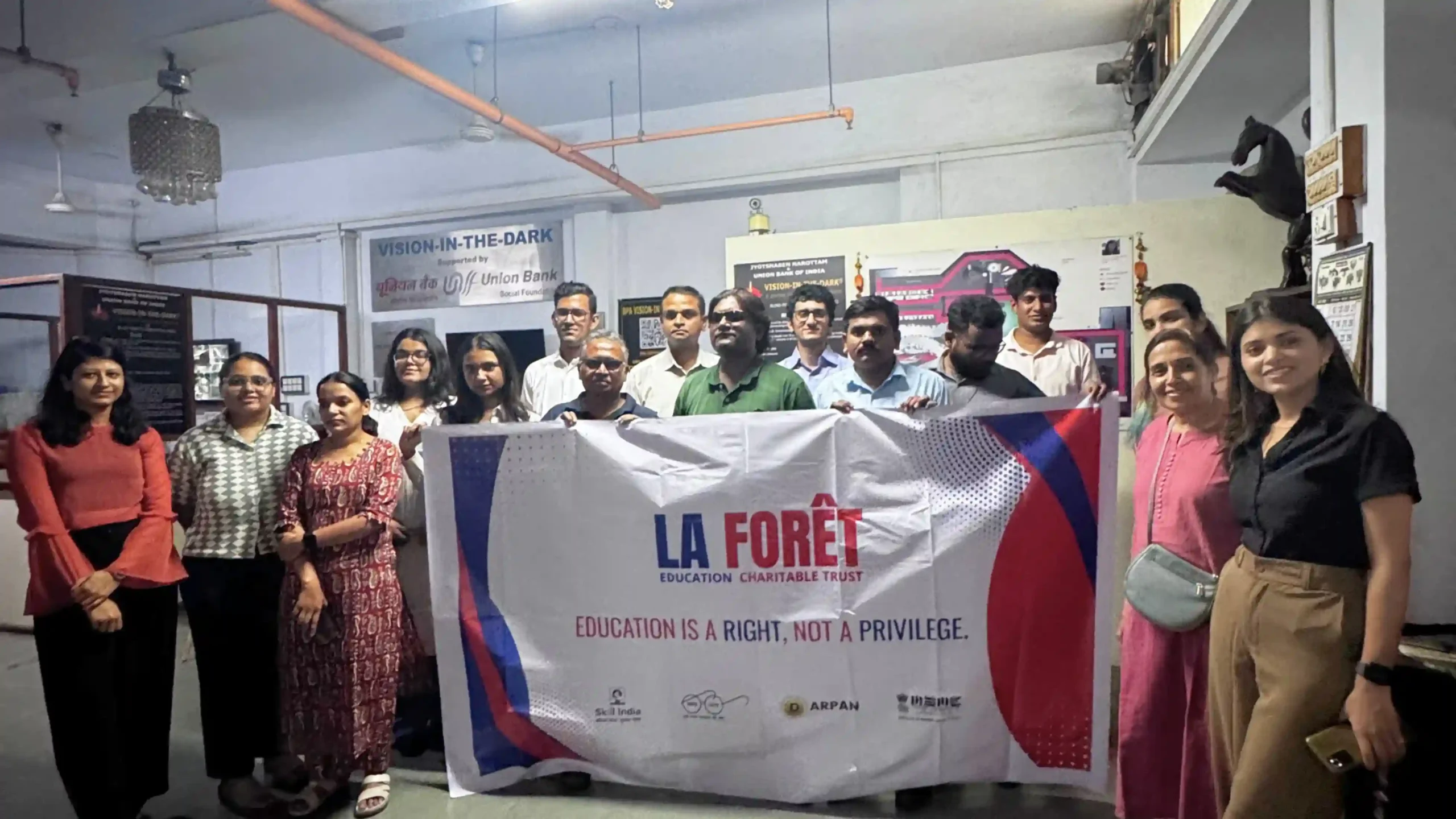
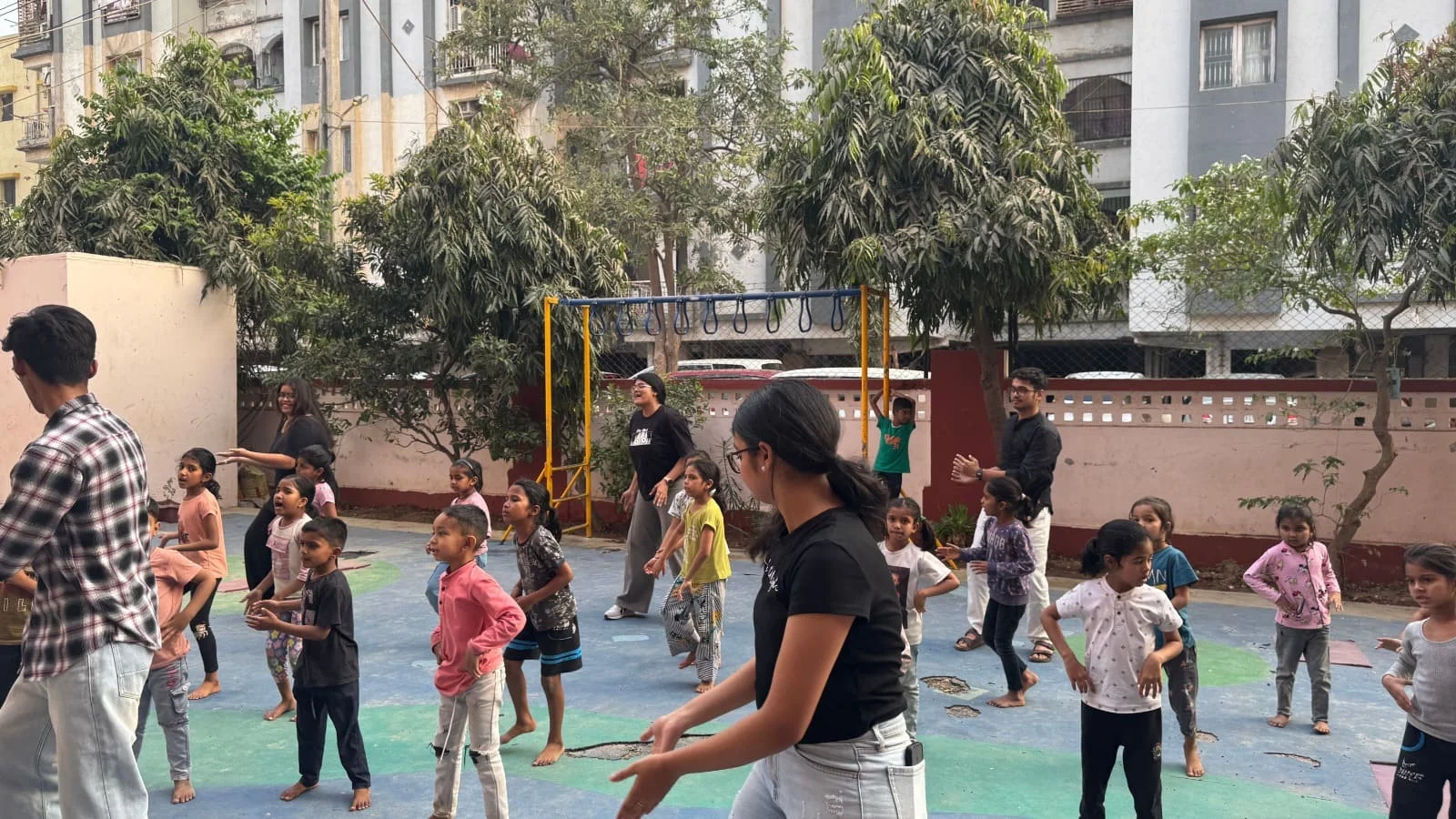
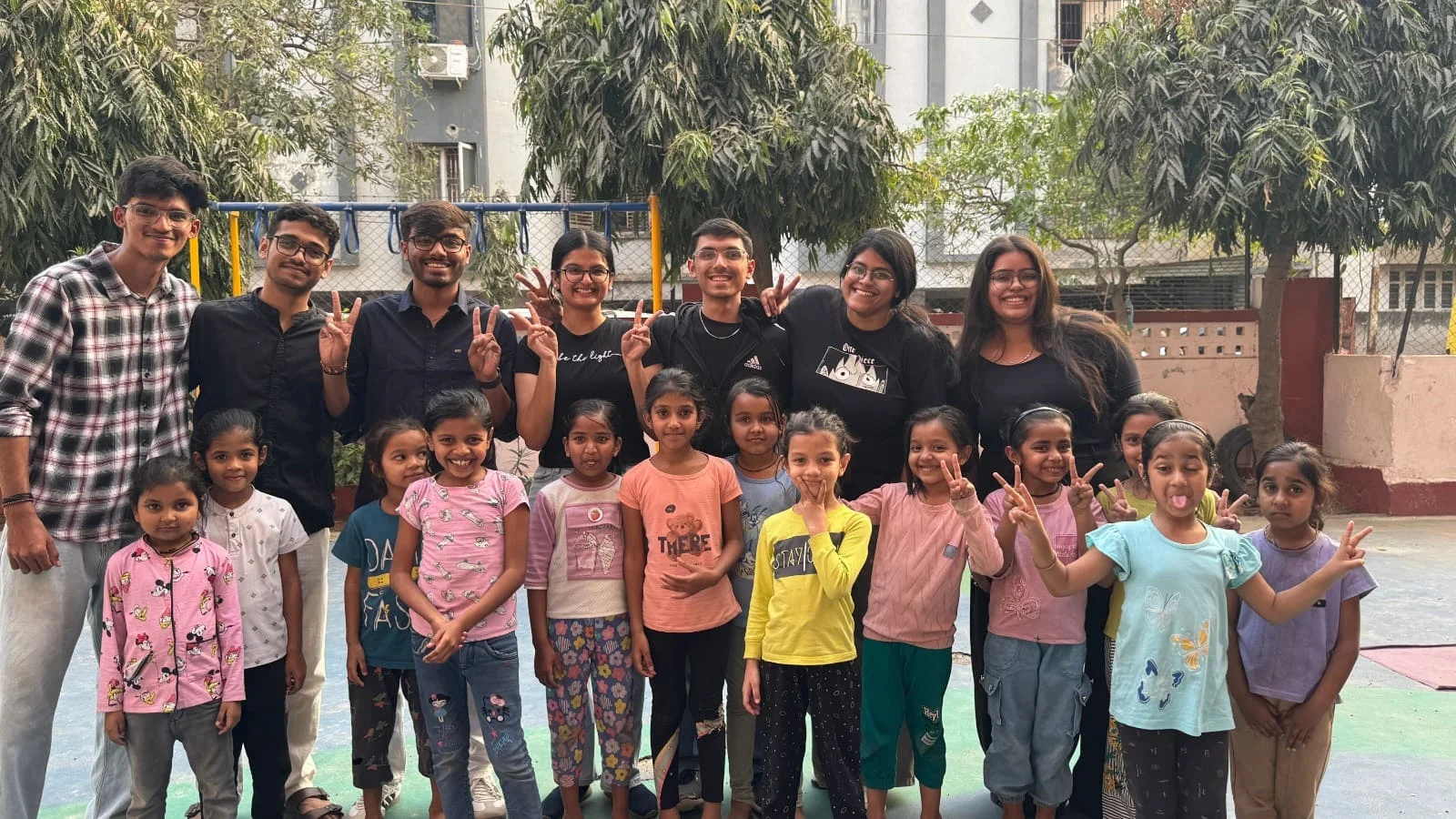
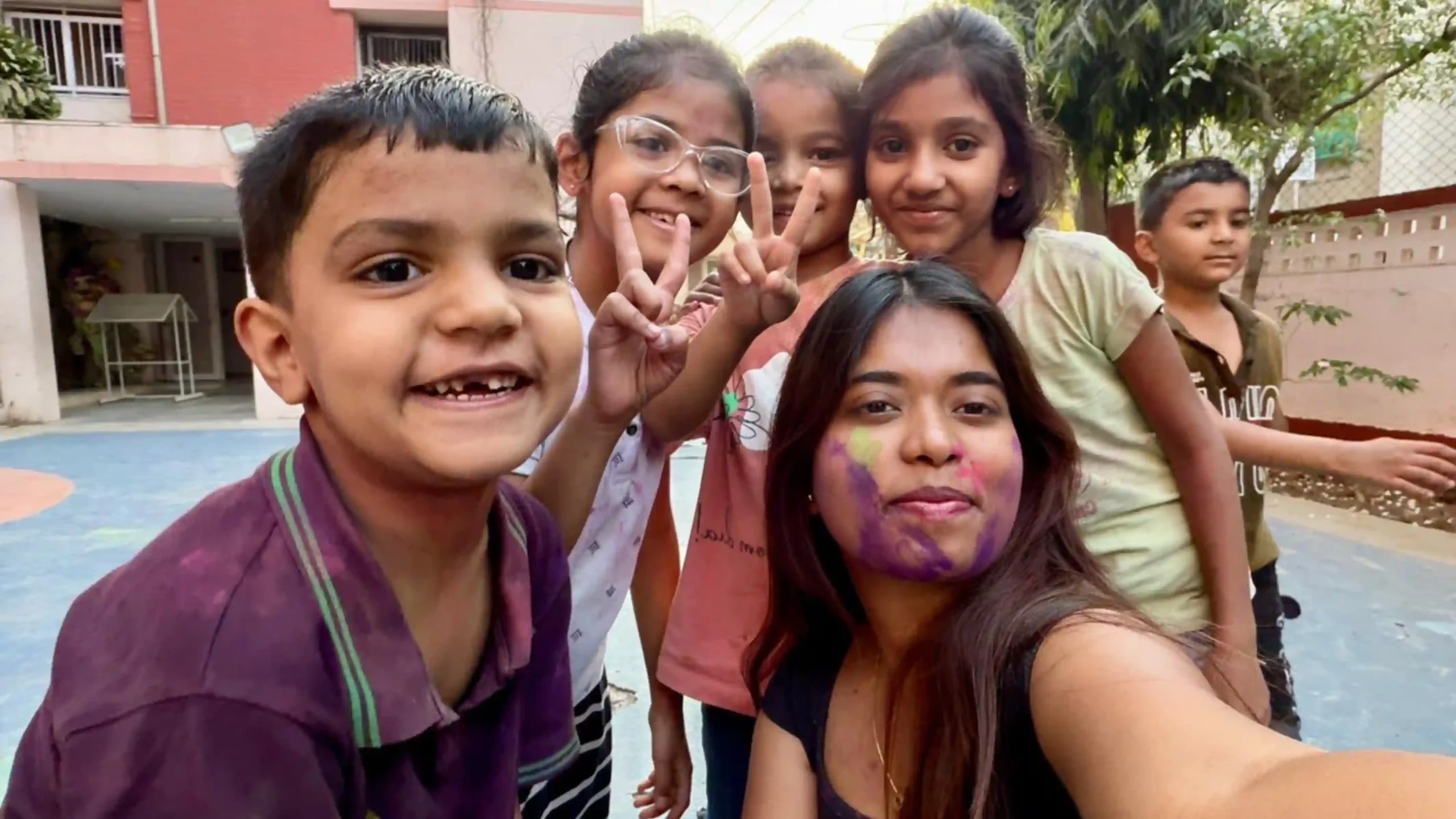
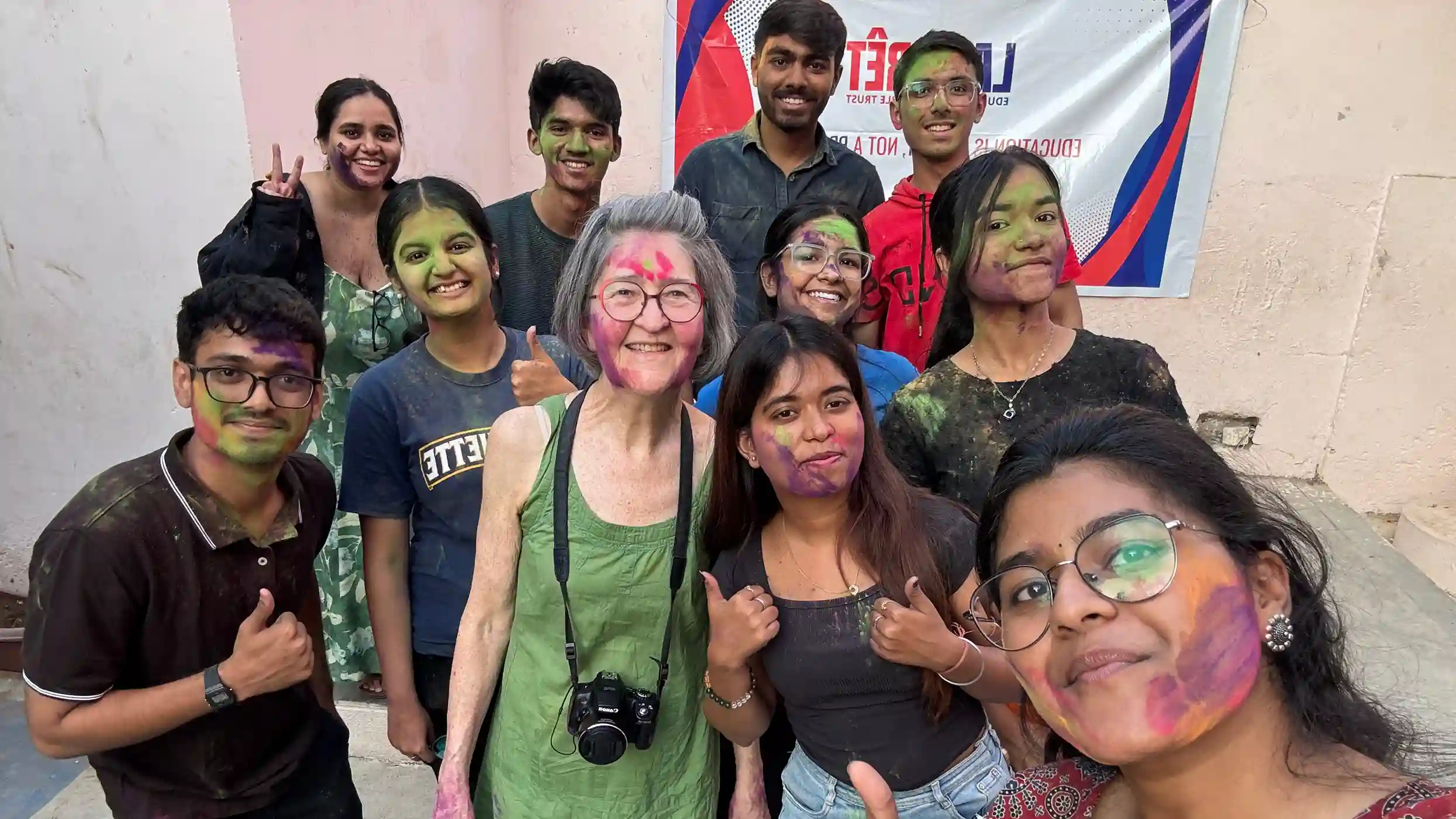
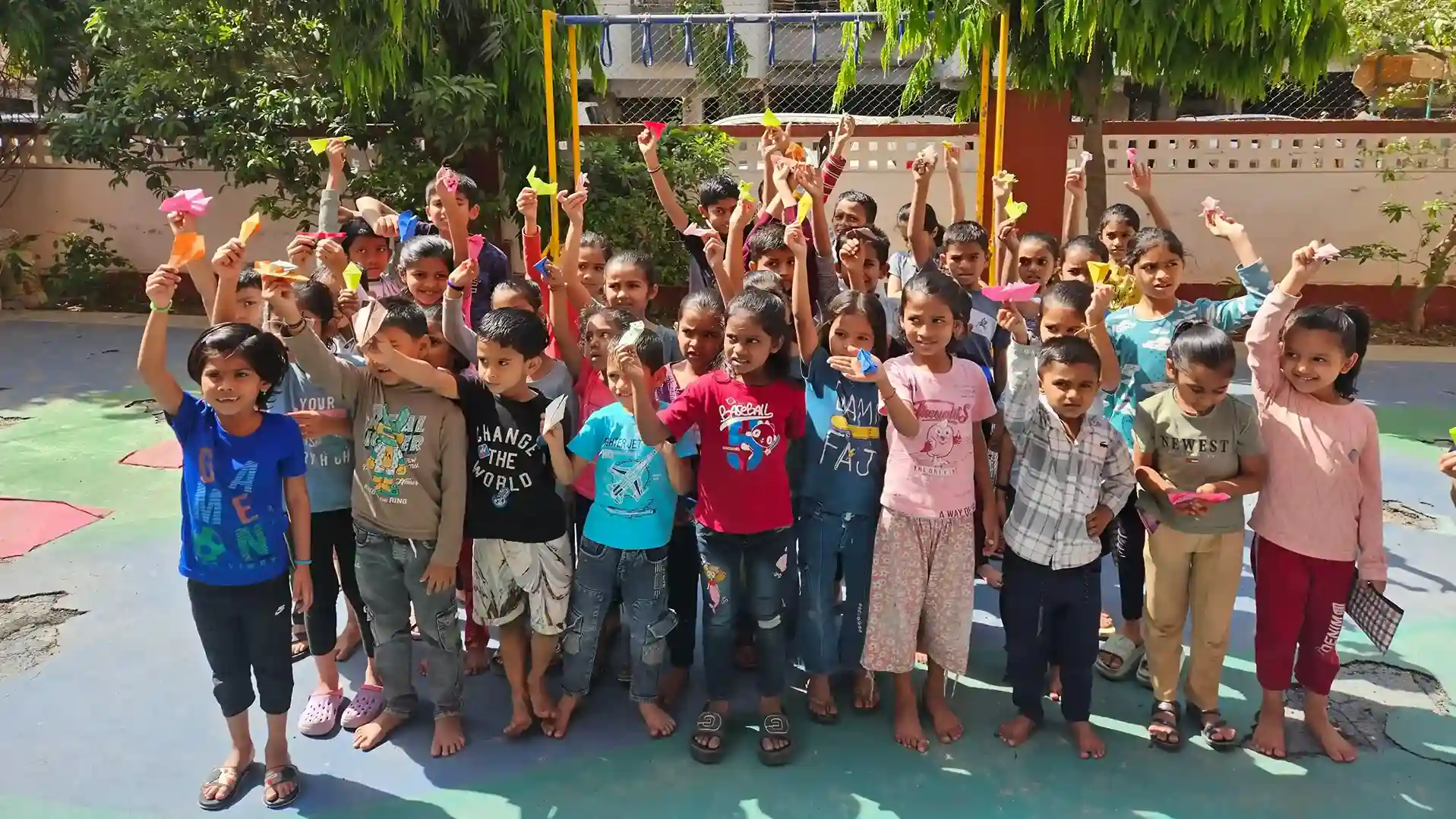
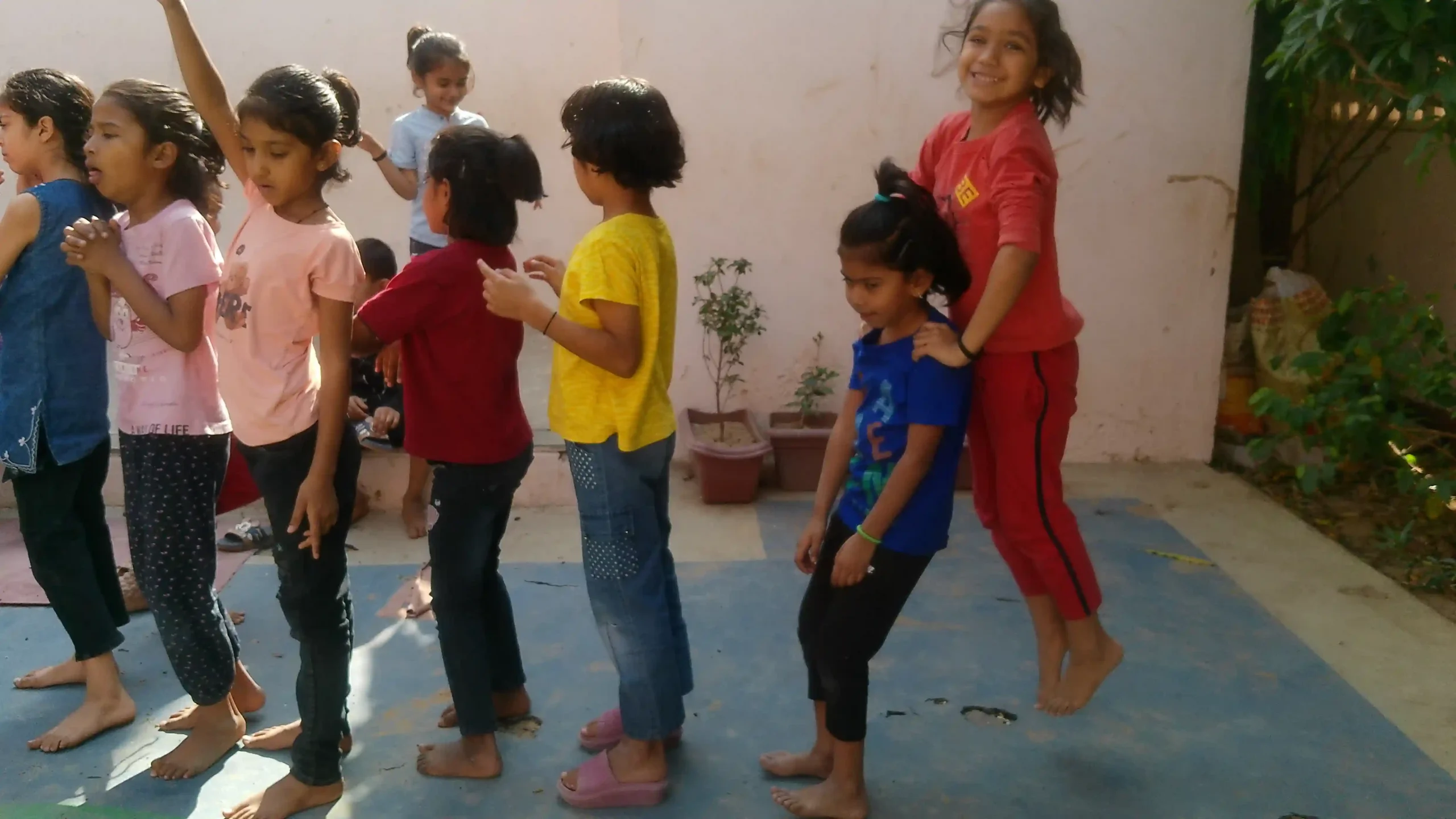
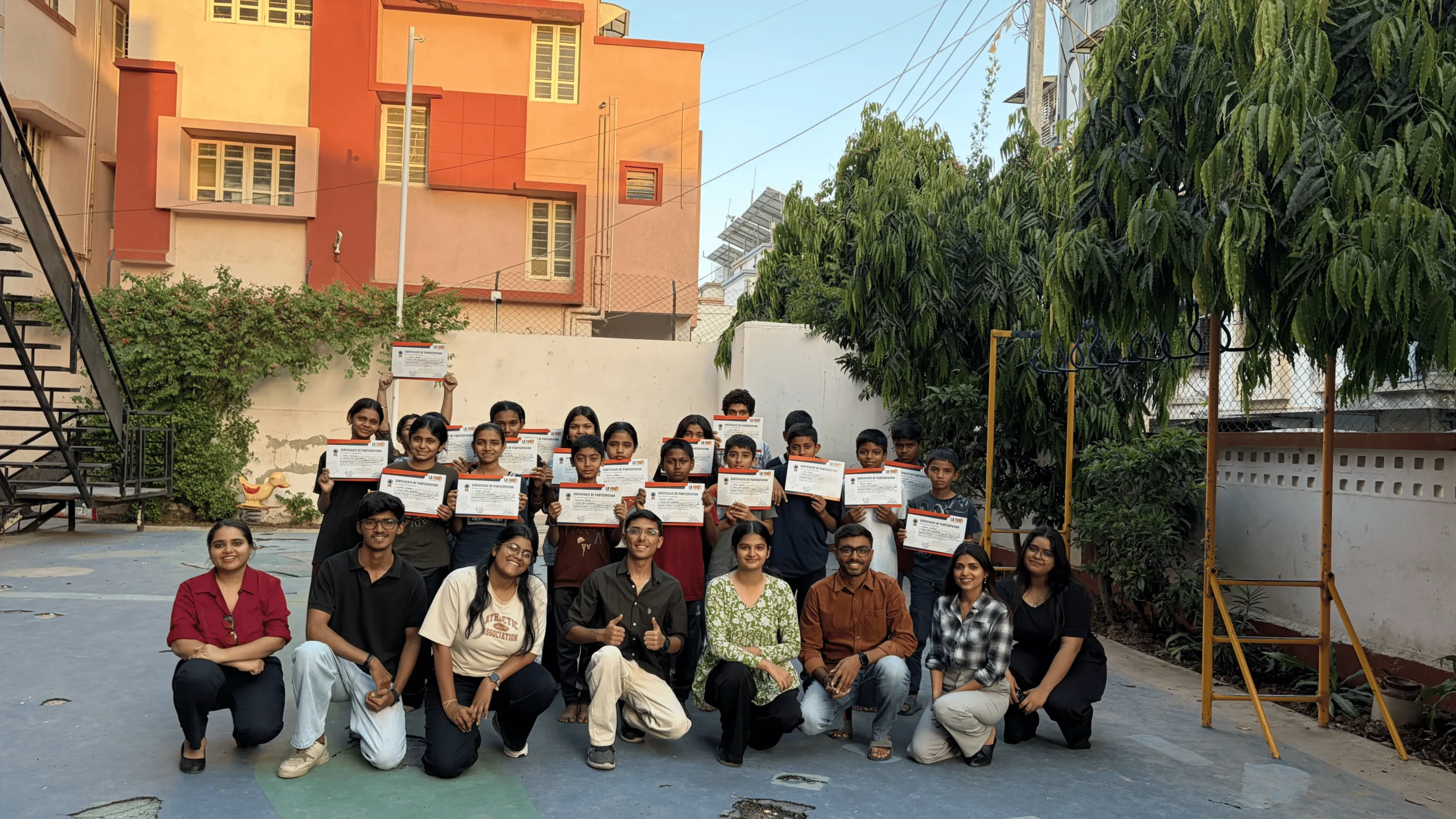
At the end of the day, micro-donations remind us that you don’t need to give big to make a big difference. Your “small” contribution is a powerful tool for change. Organizations like La Forêt Education Charitable Trust use these contributions to support education and uplift lives. We hope this has inspired you to realize that you don’t need a fortune to make a difference; you just need a willing heart. If this blog leaves you with one thought, let it be this – your small contribution matters more than you think. And sometimes, it’s exactly what someone needs.
Frequently Asked Questions
Q1. Why should I make a small donation if I can’t afford a large one?
Ans: That’s a very real question, and honestly, you’re not alone in thinking this way. But here’s the thing. Impact isn’t about how big your donation is, it’s about the intention behind it and the consistency. A small amount from you, combined with contributions from others, can create something meaningful. What feels small to you can solve a real problem for someone else. So don’t wait until you can give big, start with what you can. It truly matters.
Q2. Is it better to give a small amount every month or a bigger one-off donation?
Ans: Both are valuable in their own way, but monthly giving often creates more lasting impact. A one-time donation can help in urgent situations, but small monthly contributions provide stability. They help charities plan ahead, run programs consistently, and support people without interruptions. One big push helps, but steady support keeps things moving forward.
Q3. How do micro-donations help charities’ long-term goals?
Ans: Micro-donations may seem small individually, but they play a huge role over time. When charities receive consistent small contributions, they can plan better, expand their reach, and sustain their work without uncertainty. It helps them focus on long-term solutions instead of short-term fixes. In many ways, these small donations are what keep the entire system running smoothly.
Q4. What does “collective giving power” mean?
Ans: It simply means many people coming together to give a little and together, creating a big impact. One person alone may not be able to do everything, but when hundreds or thousands of people contribute small amounts, it becomes powerful. It’s like drops of water coming together to form an ocean. That’s the beauty of collective giving. It turns small efforts into something truly meaningful.
Q5. How are small donations used by charities?
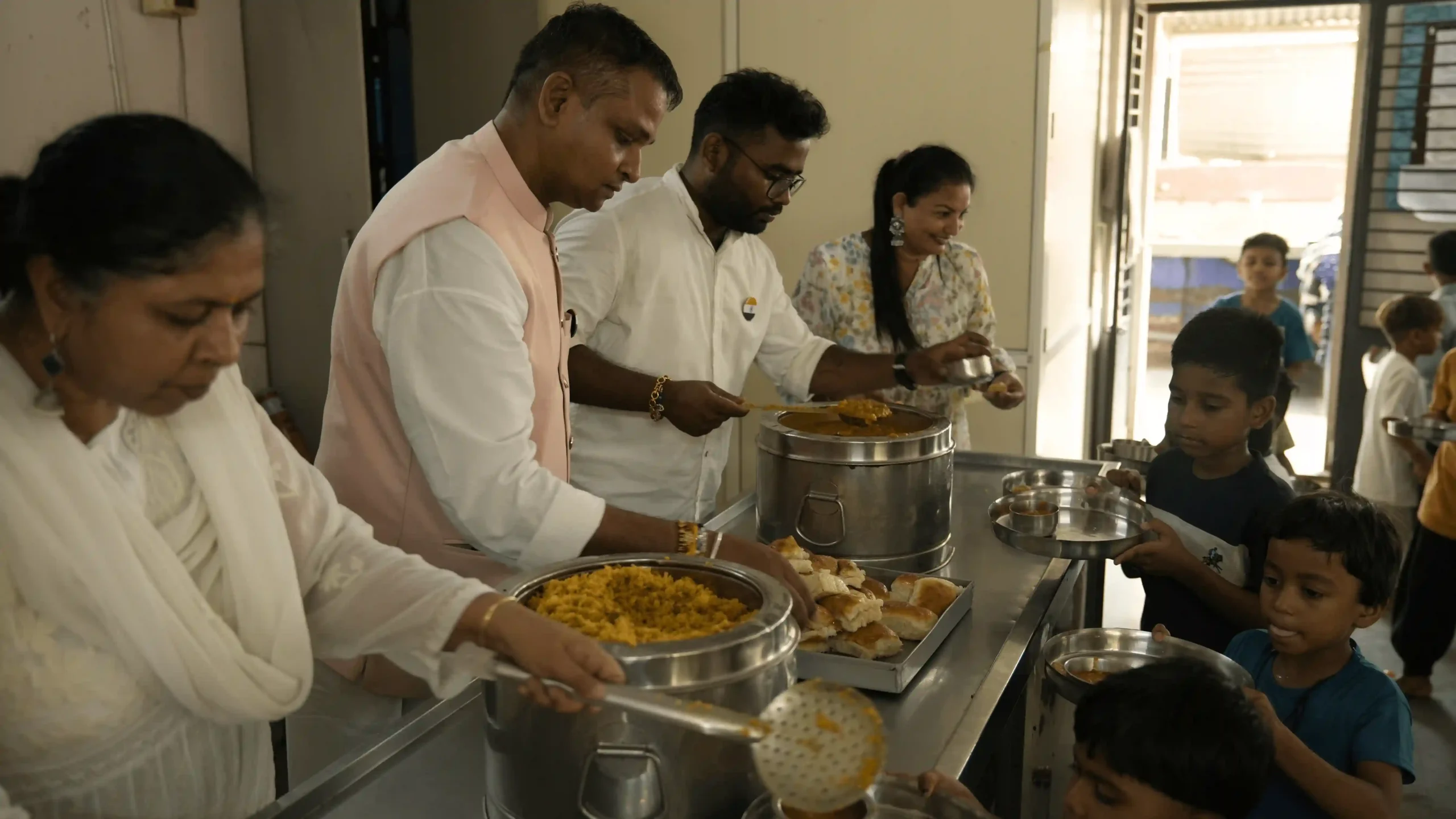
Ans: Small donations are usually used where they’re needed the most and often in ways that create immediate and long-term impact. They can help provide basic learning materials, support daily operations, fund small but important needs, or keep programs running consistently. Every contribution, no matter how small, is carefully used to make sure it reaches the right place and creates real value.