Every student deserves equal access to success. Do you agree? But unfortunately, some disparities exist. For example, some students might face inequality due to different race, socioeconomic barriers, or learning disabilities. This makes it more challenging to give everyone the fair chance. And that’s why equity matters.
But you might think equity and equality are the same. Well, they are not. So, let’s understand what equity in education truly means, why it matters so deeply, and what we can actually do about it. We’ll explore real challenges, simple strategies, and the role each of us can play. Because when education becomes fair for all, it doesn’t just change individual lives, it changes entire communities.
Understanding Equity in Education
So, what does “equity in education” really mean?
In simple words, it means giving every student what they need to develop to their full academic and social potential. It’s about removing barriers and creating a level playing field for everyone.
Because the truth is, every child comes from a different background, and with different challenges. Some may need extra support, some may need resources, and some may just need someone who believes in them. So, fair education is recognizing that each learner has unique needs and supporting them in the best way possible.
A child’s background should decide his destiny. Equity here matters because it ensures that no child is left behind just because of where they come from. It creates a learning space where every student gets a fair chance to learn, grow and dream bigger. But sometimes equity is confused with equality.
Equity vs. Equality in Education
Let’s clear the confusion.
“Equality” means giving everyone the same thing. It’s like giving every learner the same books, same teaching, same opportunities. While that sounds fair, it’s not. Imagine giving the same size shoes to everyone. It’s equal, but it doesn’t work for everyone.
“Equity” goes a step further. It’s about fairness. It means understanding that not everyone starts at the same place, so they may need different kinds of support. So, Equity is about finding and giving the right support. And in education, that “right support” can change everything.
Let’ s understand it through another example. There are three kids trying to see over a fence. Equality gives them all a one-foot box. The tall kid sees fine, but the shortest still can’t see. Equity gives the shortest kid two boxes so they can all enjoy the view. So, in basic terms, equality aims to ensure that all students receive the same resources, whereas equity focuses on giving more to those who need more. It is both fair and impartial.
Key Factors Influencing Educational Equity
Now you might wonder what actually affects equity in education? A lot, actually.
Teachers play a huge role. A teacher who understands different learning styles and backgrounds can make a child feel seen and supported. The best teachers can transform disadvantaged students into high achievers.
Then there’s language. India being a multilingual country, many students only know their local language, which is why it becomes difficult for them to study in a language they don’t know. This is the silent struggle faced by many students. So, students who speak a different language at home should be given specific support so they don’t fall behind.
Economic background also matters. Some students have access to books, internet, and guidance at home, while others don’t. Things like reliable internet, nutritious food, and emotional counseling are the invisible pillars that support a student’s ability to learn. Economic and social support systems remove the barriers that keep capable students out of school.
Some real-life examples are:
- Gujarat’s transportation networks brought schools within reach.
- Himachal Pradesh’s electricity access enabled digital learning in remote areas.
- Kerala’s sanitation facilities eliminated attendance barriers for girls.
- The Mid-Day Meal Scheme alone feeds over 100 million children daily while improving attendance and nutrition.
This approach reflects the difference between equity and equality in education, by offering tailored support based on need, not identical resources for all.
Challenges and Opportunities of Equity in Education
Creating an Equitable Environment for Students
Let’s be honest, creating equal opportunities for all students is not easy. The path is filled with hurdles which we don’t always see. Lack of resources, language gaps, financial struggles, or even social biases can affect how they learn and grow. Some students hesitate to ask questions. Some feel they don’t belong. And over time, this affects their confidence. These barriers can make the brightest student feel like they are falling behind without any fault of their own.
Benefits of an Equitable Environment for Learning
However, these challenges provide us with a beautiful opportunity. And we do it right, the impact is also beautiful. When we build an equitable environment, the benefits are incredible. Students feel seen and included, which causes their engagement to skyrocket. Not only that but they start believing in themselves and develop confidence. Diversity in the classroom becomes a classroom’s greatest asset, teaching every student empathy, global thinking, and collaborative skills that they will carry for the rest of their lives.
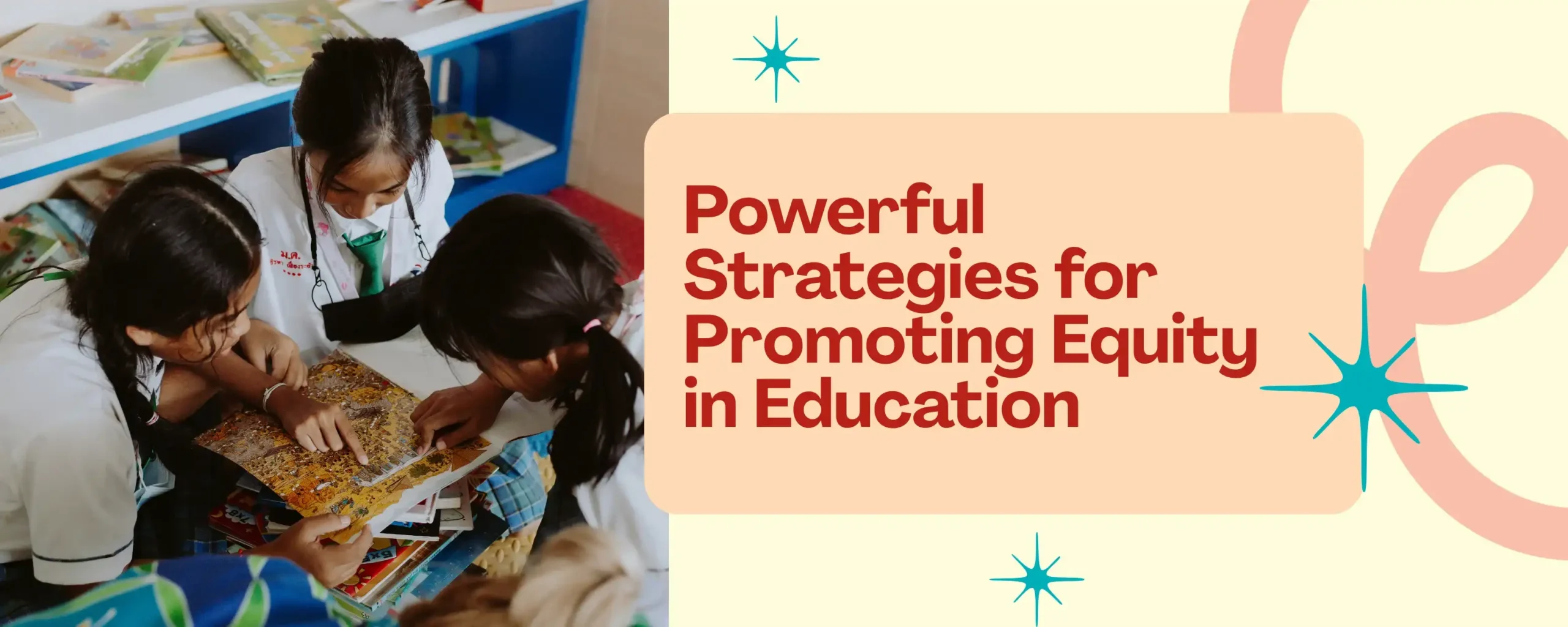
Powerful Strategies for Promoting Equity in Education
The question now is what can we actually do to create equity?
It starts small, and it starts with you. The first step to building equity in the classroom is to challenge your own beliefs. Of course you’re not deliberately excluding students, but there’s always work to be done. Notice who might be struggling silently. Create space for every voice to be heard.
If you’re a teacher or mentor, try to adapt your approach. Not every student learns the same way and that’s okay. If you recognize the diversity, it allows you to tailor the teaching approach that supports student’s unique needs. You should also focus on inclusion. This helps you create supportive classroom environments.
Model fairness and show kindness. When students are shown appropriate behaviors, they are most likely to replicate them. Encourage collaboration instead of competition. And in today’s world, flexibility matters too. Online learning, different formats, and varied methods can help reach more students. Because promoting equity isn’t just about big policies, it’s about everyday actions. Yours and Ours.
Tips for Creating an Inclusive Learning Environment
An inclusive environment is a place where every student feels seen, respected and valued like they belong. It’s a “safe space” where mistakes are part of learning. To build this:
- Celebrate differences: Embrace different backgrounds and perspectives. Turn cultural holidays or diverse traditions into learning moments.
- Establish “Classroom Norms”: Create rules together that emphasize respect and listening. Addressing inappropriate remarks immediately is a powerful tool for promoting equity.
- Universal Design: Encourage participation without fear of judgment. Offer different ways for students to show what they know, like drawing, speaking, or writing.
- Frequent Check-ins: A simple “How are you really doing today?” can change a student’s entire week.
Most importantly, listen. When students feel heard, they feel they belong. And when they feel they belong, they learn better.
The Role of NGOs in Advancing Equity in Education
Non-Governmental Organizations (NGOs) are the bridge between policy and the people. They often reach the corners of society that standard systems miss. They reach places where support is limited, providing resources, guidance, and opportunities to students who might otherwise be left behind. NGOs are vital because they can adapt quickly to the specific needs of a local community.
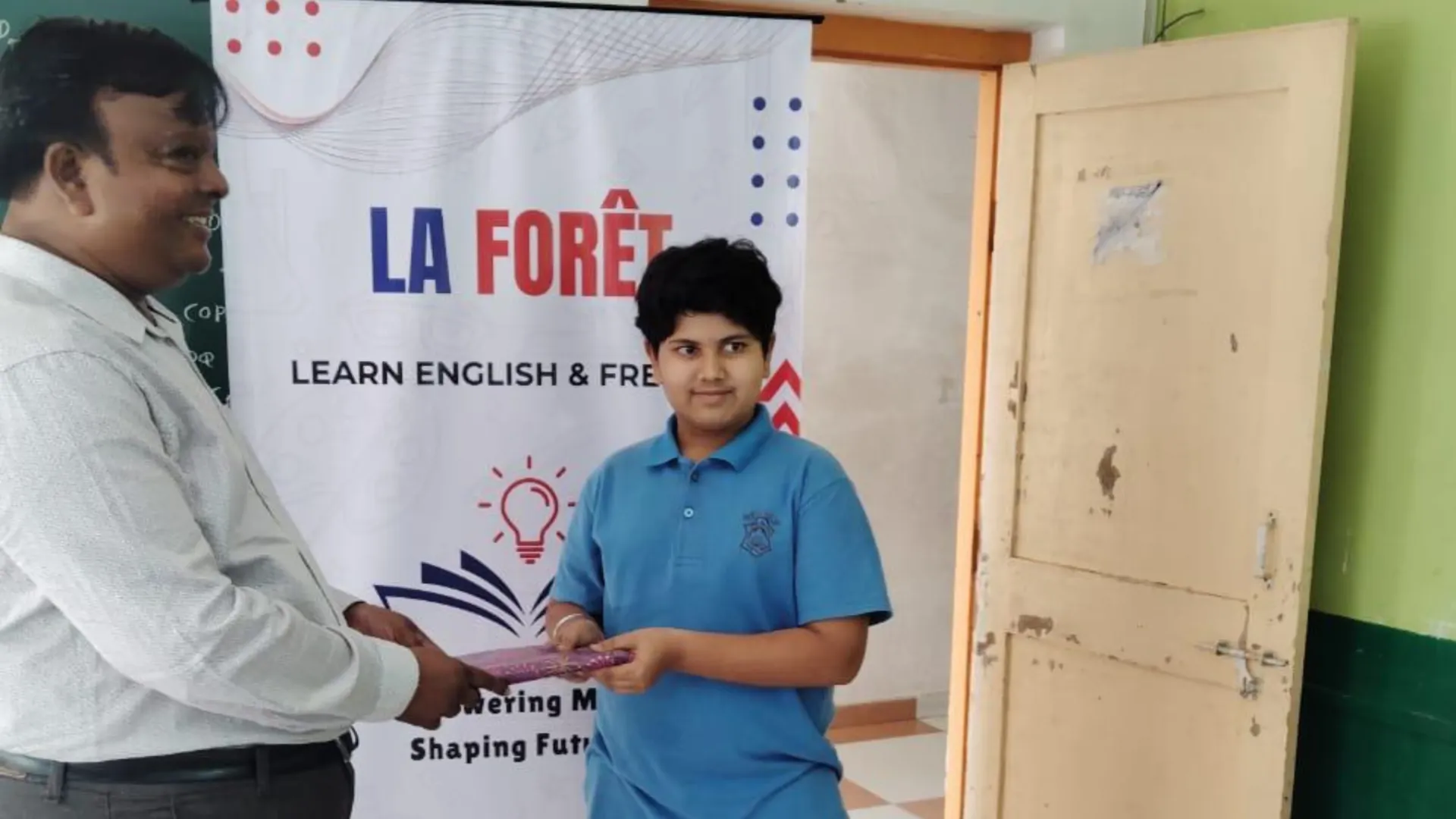
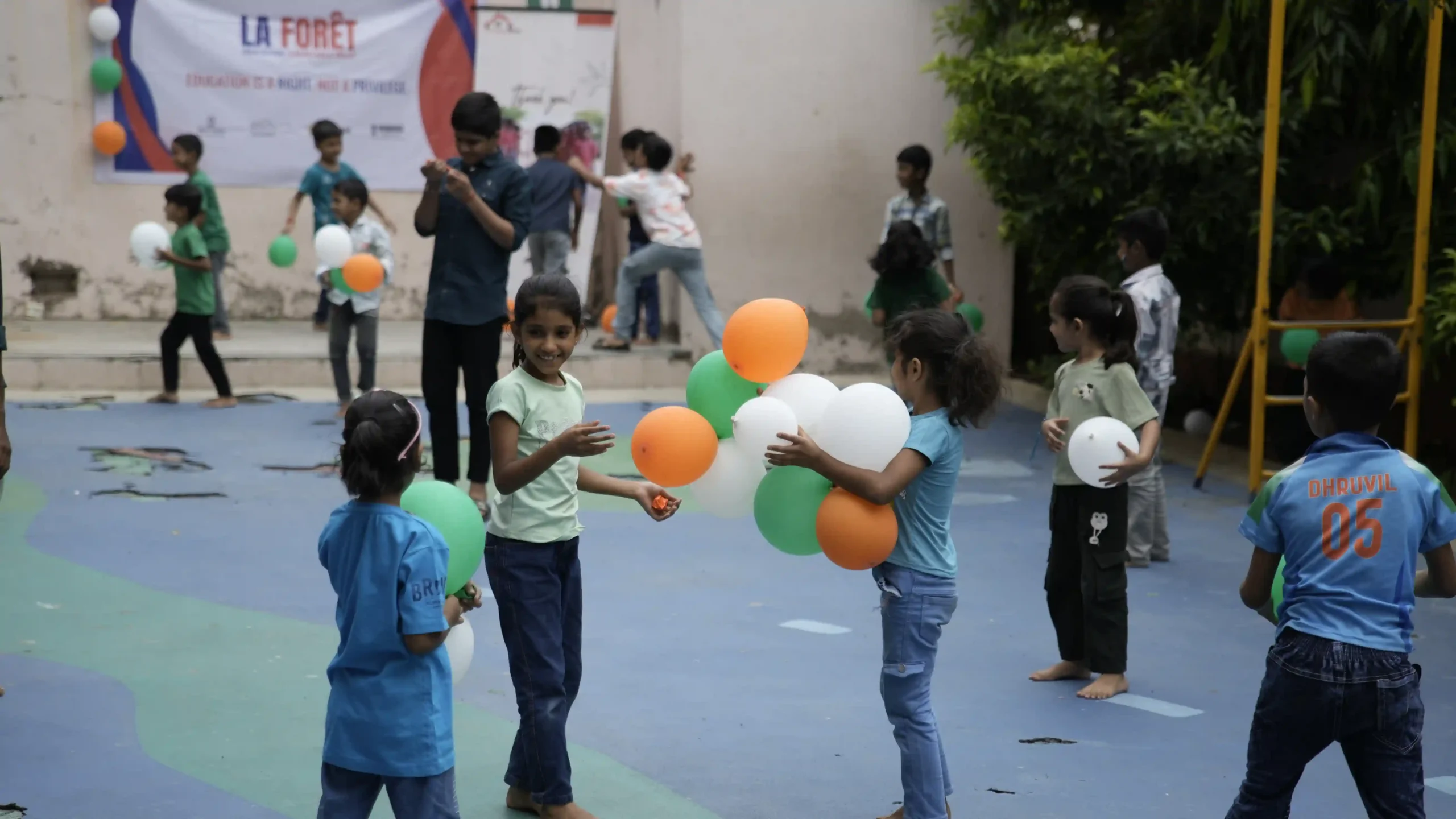
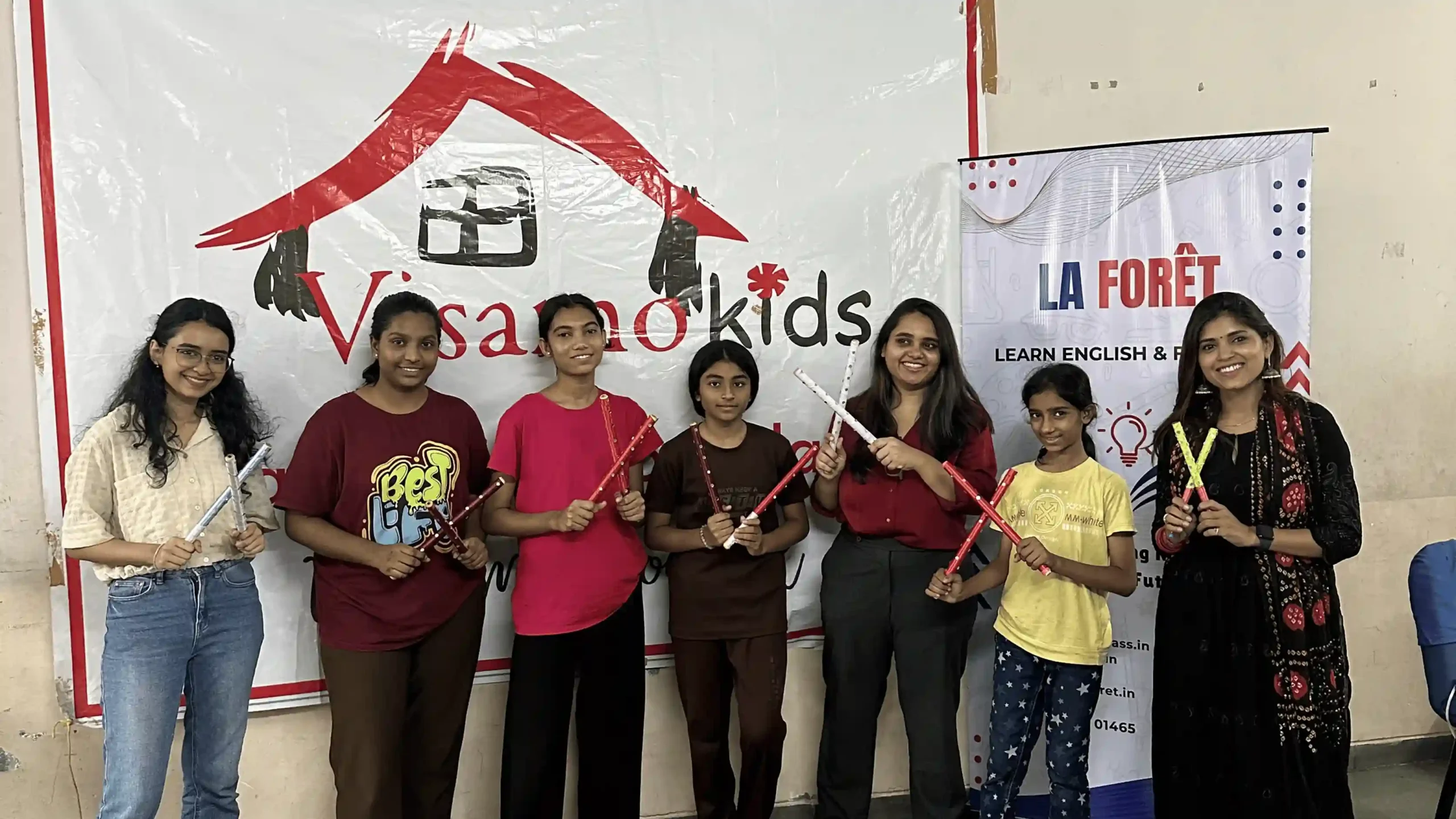
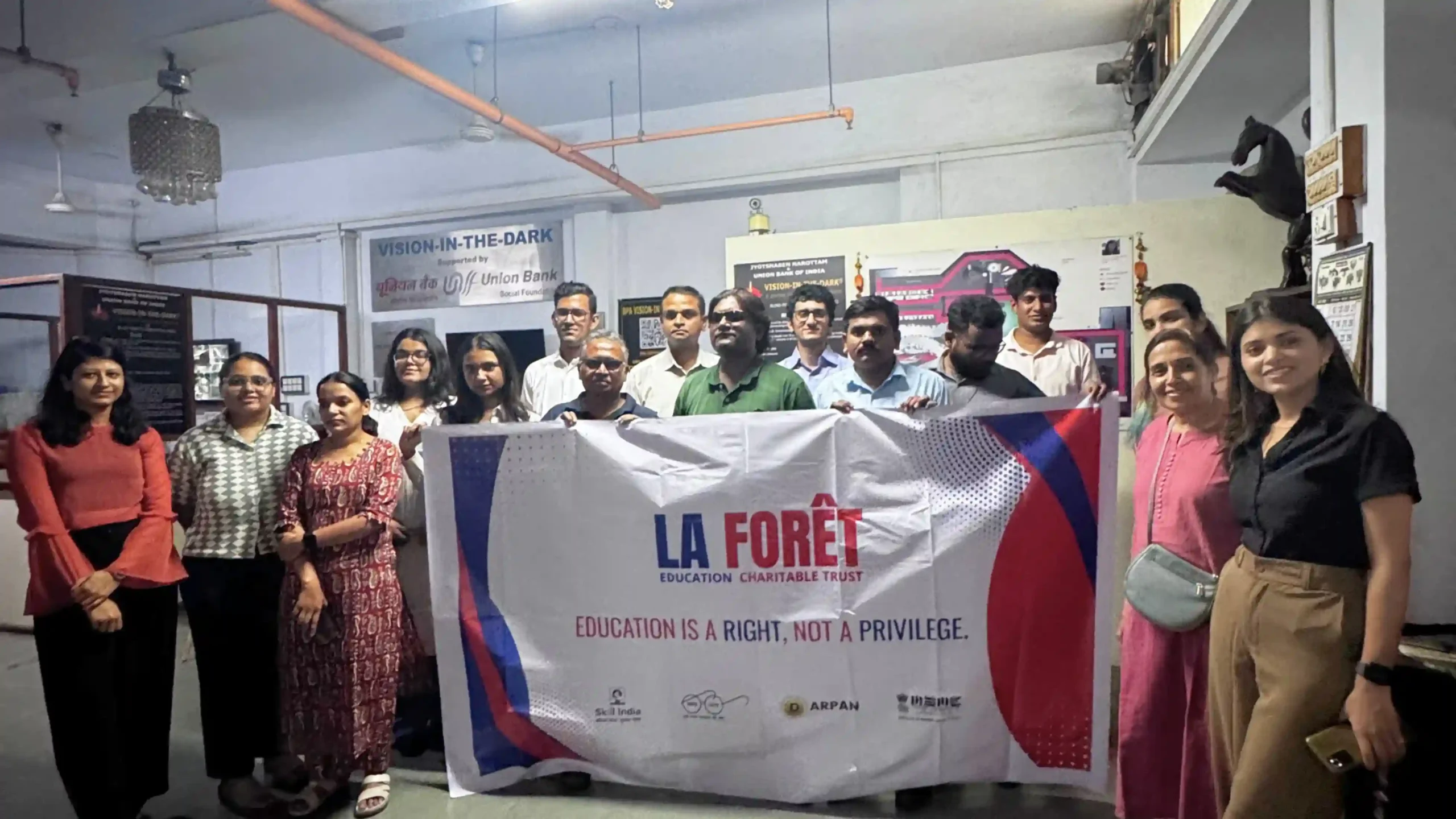
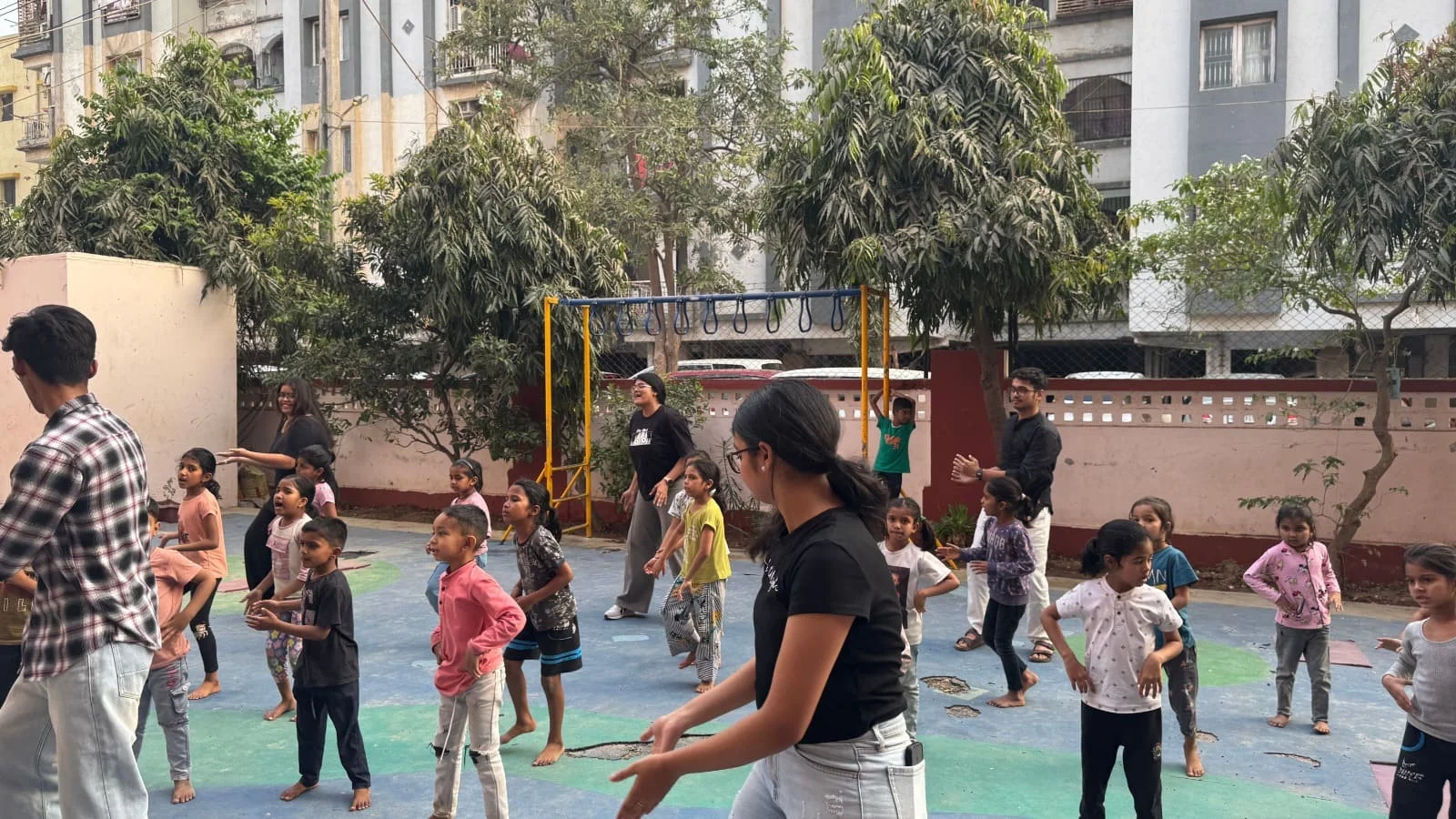
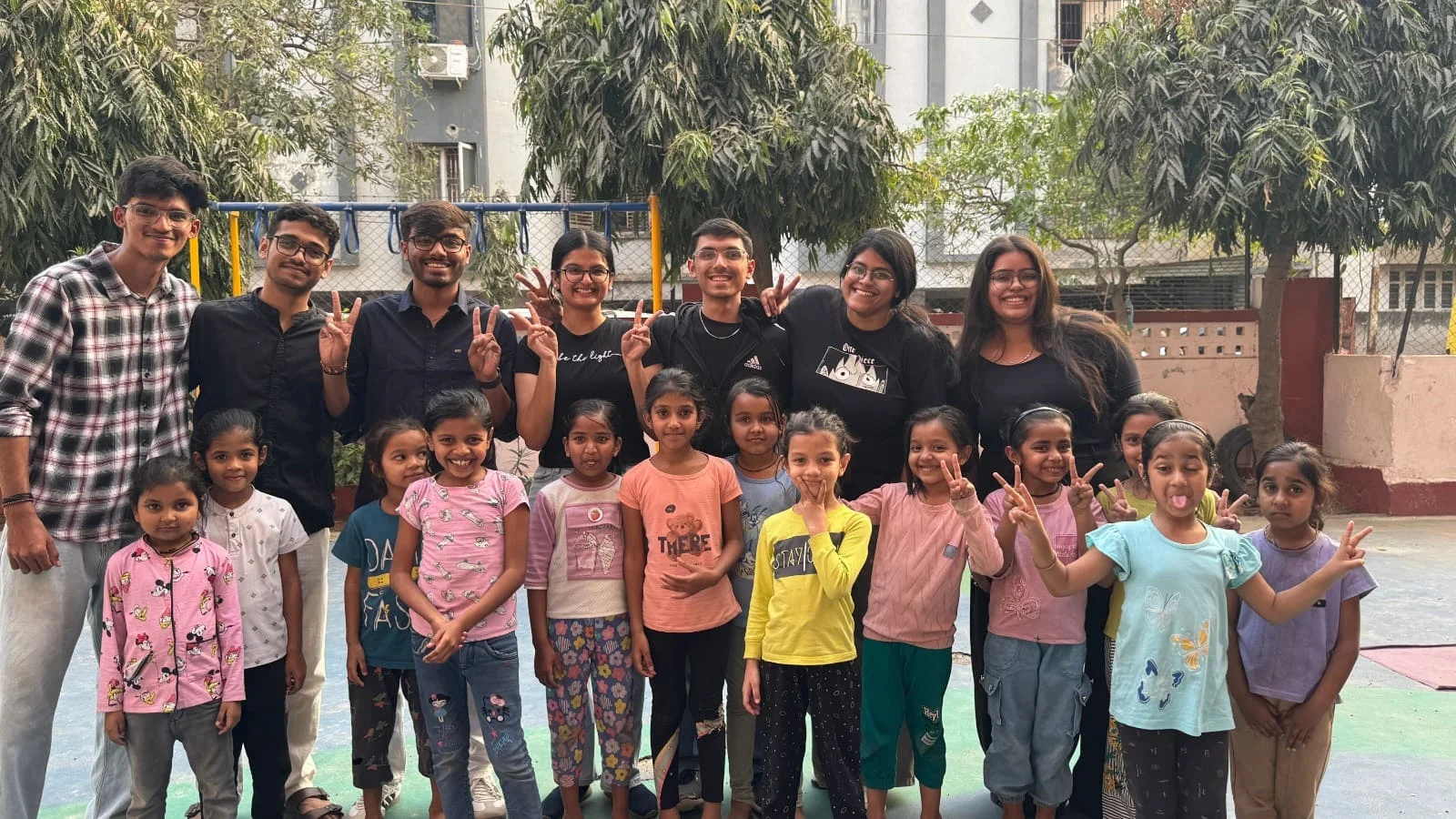
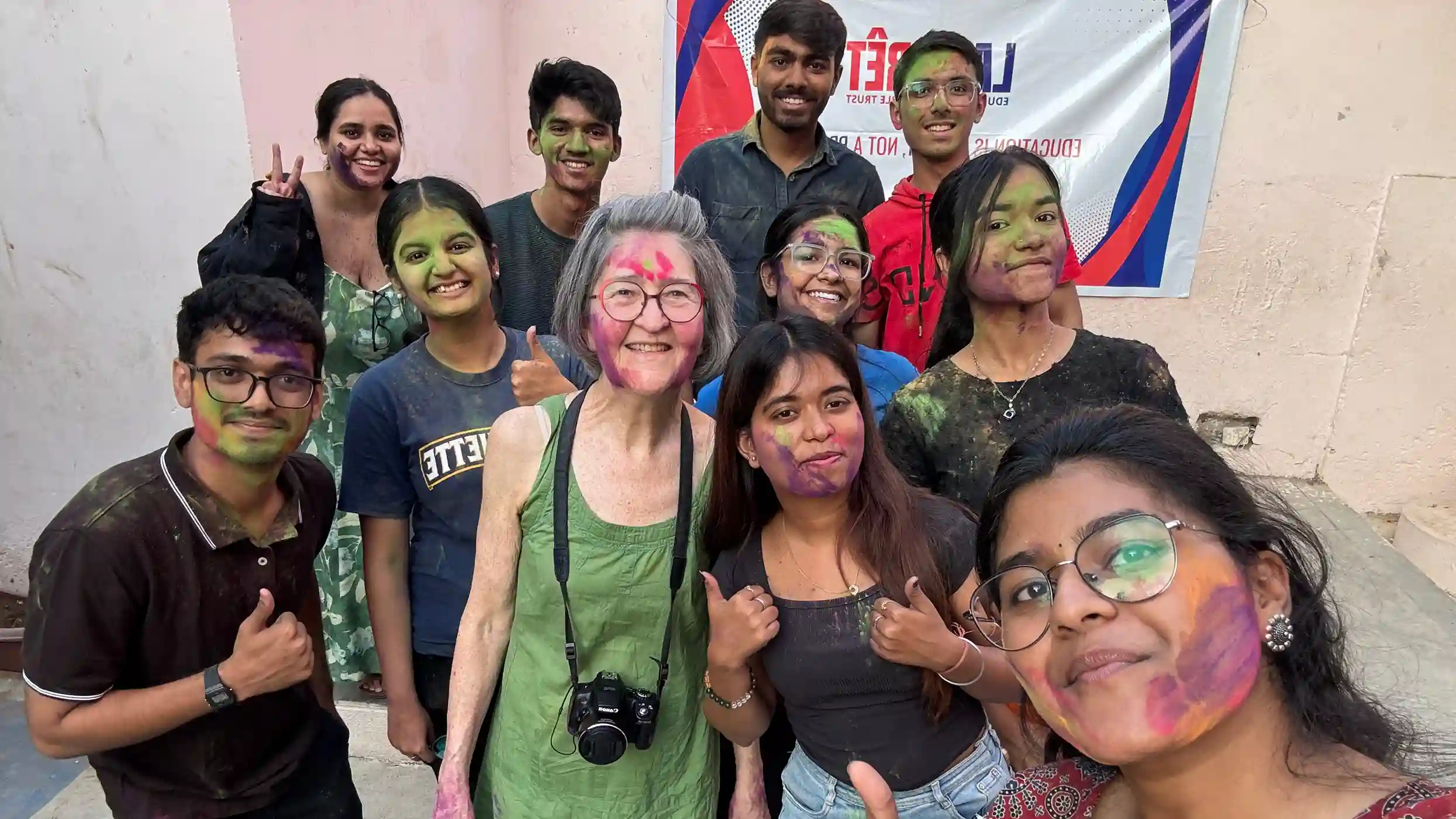
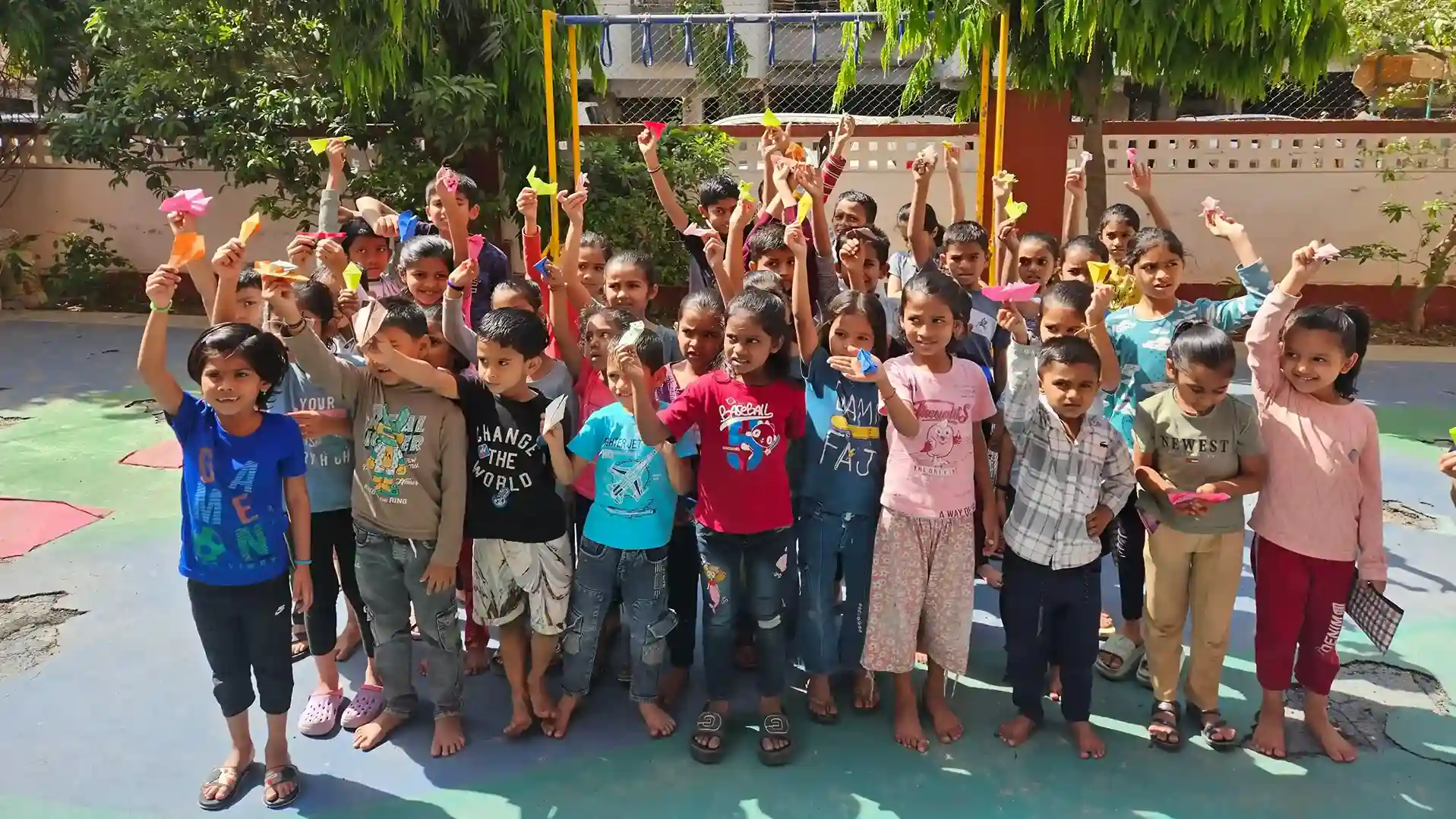
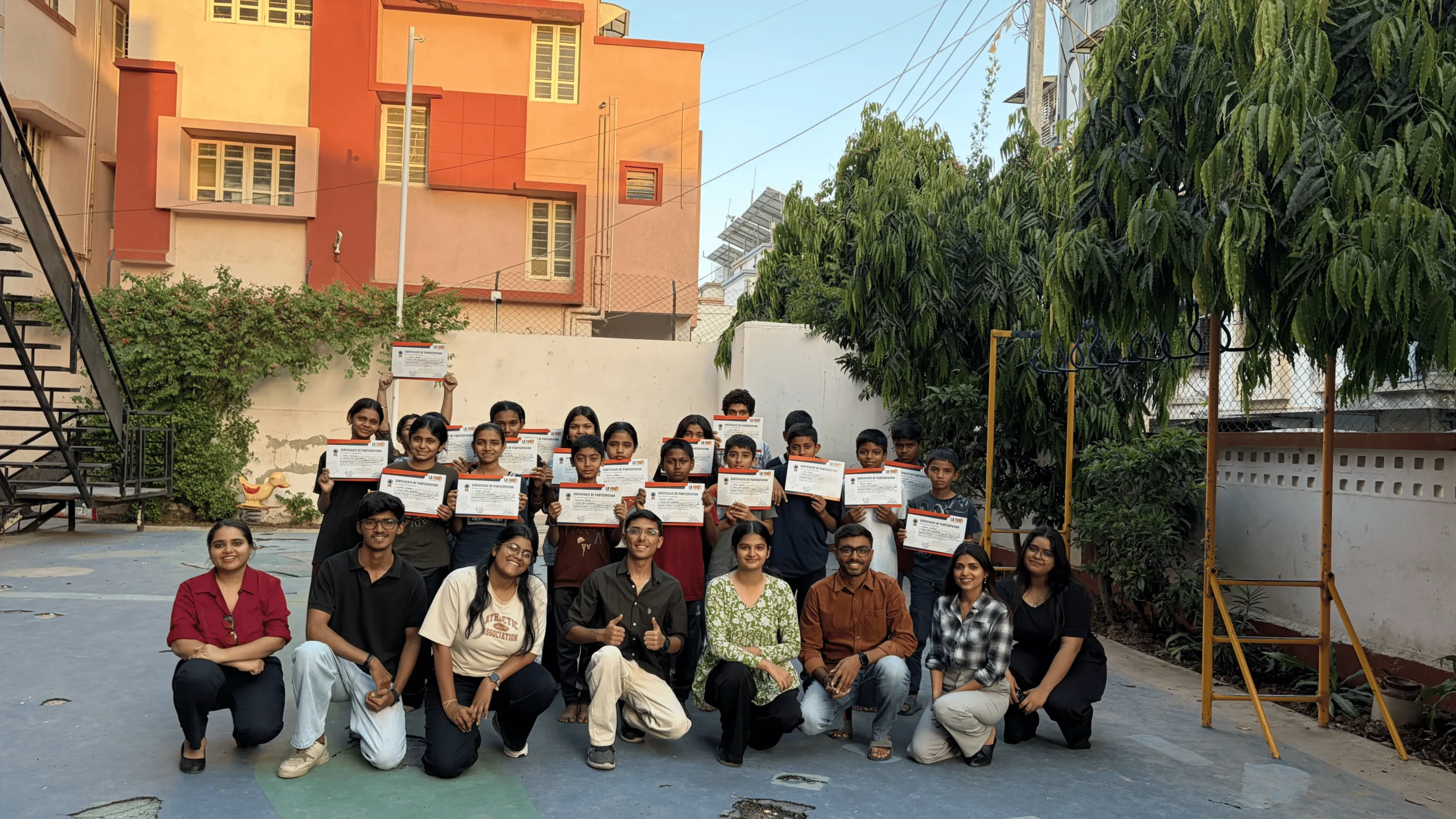
The La Forêt Educational Charitable Trust is a wonderful example of this in action. By supporting students through education, mentorship, and community-driven initiatives, we ensure that education isn’t just a privilege for some but a right for everyone. It reminds us that equity is not just an idea but something we can actively build together.
At the heart of it all, equity in education is about fairness, understanding, and compassion. It’s about recognising that every child deserves a chance. They don’t just need access, but support that fits their journey. When we start paying attention, making small changes, and working together, we begin to create a system that truly includes everyone. And slowly, step by step, we move closer to a world where education doesn’t just reach students, but empowers them. Every child has a unique spark, yet not every child has the same match to light it. Let’s commit to being the match that lights every student’s unique spark.