What happens when a child wants to study but cannot make it to school? Millions of young minds in India remain outside the classroom due to poverty, child labour, migration, gender inequality, or limited access to schools. The term “out-of-school children” refers to those who have never enrolled in formal education and those have dropped out.
The issue is not only about getting children into classrooms. They also need support to attend regularly and complete their education. This blog explores the causes, effects, government initiatives, and practical ways to support their education.
Out-of-School Children Crisis in India
An out-of-school child is generally a school-age child who is not enrolled in or attending an educational institution. This includes children who never entered school and those who left before completing their education. The scale of this crisis is serious. UDISEPlus data reveals that 47.44 million children aged 6 to 17 years were out of school in 2023-24.
There is another important point. Enrolment does not always mean regular attendance or completion. A child may be officially enrolled but miss school often because of family, financial, health, or social challenges. As students transition into secondary grades, retention rates reveal a worrying drop.
That is why India needs to focus on more than enrolment numbers. Children need support to enter school, attend regularly, learn well and complete their education.
Why Are Children Still Out of School in India?
There is rarely one reason why a child stays away from school. There are several problems that come together. Multiple social, economic, and structural hurdles keep children outside the education net. In the Indian context, these challenges often overlap and trap families in difficult cycles.
Limited facilities, teaching staff, transport, and learning resources can add to these difficulties. Language differences can also make learning harder for children from some communities.
The following sections we will explore these barriers such as poverty, child labour, early marriage, gender inequality, migration, limited school access and inadequate learning facilities in detail.
Poverty and Financial Barriers
Poverty heavily influences school enrollment, regular attendance, and long-term continuation. Many families struggle to afford school-related expenses such as uniforms, books, transport, and stationery.
Due to financial pressure, sometimes children are forced to abandon their studies to work or manage household chores due. So, the problem is not always the school fee itself. The smaller expenses around education can also become difficult for families with very limited incomes.
Child Labour, Early Marriage and Gender Inequality
Work can take children away from classrooms and into responsibilities. Meanwhile, early marriage acts as a severe barrier, particularly for young girls as they might be expected to marry and manage household.
Gender expectations can also affect educational choices. In some communities, families may give boys education more priority than girls due to limited resources. These issues can overlap. Together, these pressures continue to increase school dropout rates.
Migration, Displacement and Limited Access to Schools
When families move for work, children’s education can be interrupted. A child may have to leave because of the migration. Language can also become a barrier when children move to a new region. Children living in remote regions face long travel distance and lack of transport.
Over and above that there is lack access to quality schools, trained teachers, and learning resources. These disruptions can make regular attendance difficult and may eventually lead children to leave education altogether.
Inadequate School Infrastructure and Learning Resources
Children need more than a classroom in a school. They also need safe buildings, toilets, electricity, learning materials, teachers, and suitable spaces to study. When these basics are missing, attending school can become difficult or discouraging.
When schools lack basic amenities like clean water or functional toilets, parents hesitate to send their kids, especially adolescent girls. Poor facilities and limited resources discourage children to stay in school.
How Being Out of School Affects a Child’s Future
Missing out on education brings immediate and long-term consequences that stretch far into adulthood. It affects their skills, confidence and overall development. Without enough education, young people may have fewer opportunities to develop skills or find stable work.
At the same time, children outside school can become more vulnerable to labour, early marriage, exploitation, and other risks. Quality education can therefore play a protective role alongside its learning benefits. Let’s see the consequences out-of-school children face.
Limited Employment and Economic Opportunities
Education helps children build basic knowledge and skills needed for further studies and work. When children leave school early, they may have fewer opportunities to gain these skills. This can affect their future employment choices and earning potential.
It can also make it harder for families to get out of the cycle of poverty. Well, education alone cannot guarantee a particular career or income. But completing school can give young people a stronger starting point for further learning and employment.
Higher Risk of Child Labour and Exploitation
Children outside the school system are far more vulnerable to child labour, trafficking, early marriage, and abuse. Children may enter work to support their families, while others may face a greater risk of exploitation. Keeping children in school gives them access to teachers, peers, structured learning, and support systems which will protect them from these vices.
Impact on Health, Well-Being and Social Development
Education supports more than just academic growth. School also gives children opportunities to communicate, make friends, solve problems, and build confidence. These experiences are very important in one’s life.
When children miss these experiences for long periods, their social and emotional development gets affected. They can lose confidence in their ability to learn or feel disconnected from other children. Students who stay in school tend to lead healthier, more independent lives.
Government Initiatives Supporting School Enrollment in India
Recognizing the severe issue and gravity of the situation, the Government of India has implemented several initiatives to address the problem of Out-of-School children. These policies and programmes focus on improving school access, enrollment, and retention. Let’s have a look at some of them.
Right to Education Act, 2009
The Right to Education Act, 2009 provides children aged 6–14 years with the right to free and compulsory elementary education. It also provides a legal framework for admission, attendance, and completion of elementary education. The Act is important for children who face social or economic disadvantages. It aims to reduce discrimination and support equal access to elementary education.
However, enrolment is only the beginning. Children also need to attend regularly, learn effectively, and complete their education. This makes continued support just as important as initial admission.
NEP 2020 and Other Education Schemes
NEP 2020 aims to provide universal access to school education and reduce dropout. It also focuses on foundational literacy, teacher training, school readiness, and improving learning outcomes.
Samagra Shiksha supports school education from pre-primary to Class 12. Its interventions include infrastructure, teacher development, inclusion, technology, and special training for out-of-school children.
Other schemes like the Mid-Day Meal Scheme, and Beti Bachao, Beti Padhao have also worked to attract and retain students through school meals, scholarships, girls’ education, transport, and learning resources. Together, these initiatives aim to make education more accessible and inclusive.
How Can India Help More Children Access and Continue Education?
Getting every child into school needs more than an enrolment drive. Children need schools they can reach, teachers who can support them, safe learning environments and families who understand the value of education.
Targeted support is especially important for children facing poverty, migration, disability, gender barriers, or other disadvantages. The focus should be simple: help children enter, return to, and remain in school. And for this a multi-dimensional approach is required.
Strengthening School Infrastructure
We need to make schools with basic amenities available like safe classrooms, clean toilets, drinking water, electricity and learning materials. Access also means being able to reach school safely.
In remote areas, we can help by building close-by schools or providing transport support. These improvements can remove practical barriers that keep children away from school.
Supporting Marginalized Communities
Every child is different and face different challenges. Some children need more support simply because they face more barriers. One child may need transport, another may need learning materials, while another may need flexible education options. The goal is to provide equal opportunity, not identical support.
Economically weaker families, girls, children with disabilities, migrant children, and other disadvantaged groups may need targeted interventions. Community-based support can help identify these children and understand what is keeping them away from education.
Improving Teacher Training and Recruitment
A teacher is called second mother. A child needs a teacher who can understand their learning level and help them move forward. Teacher shortages in underserved areas can make this difficult. Samagra Shiksha focuses on teacher training and improving teaching capacity.
It also places emphasis on teachers and technology as key parts of improving school education. Recruiting enough teachers is equally important. When schools have trained and adequately staffed classrooms, children can receive better attention and guidance.
Raising Awareness About the Importance of Education
Sometimes, the biggest barrier is the belief that education is not necessary for every child. Parents and communities may need support to understand the long-term value of schooling. Awareness can challenge social norms like early marriage, gender roles and clear up misconceptions that keep kids away from school.
Parents should also make sure an encouraging home environments for continuous learning. When parents, teachers, local leaders, and organisations come together, education becomes a shared priority.
Conclusion: Ensuring Every Child Gets the Opportunity to Learn
Being out of school is rarely caused by one problem. Poverty, child labour, gender inequality, migration, poor access, and weak learning support can overlap. Solving the issue therefore needs sustained action.
Government programmes, schools, families, communities, and organisations must work together. Enrolment is only the first step. Every child also needs the chance to attend, learn, complete school, and move towards a future with more choices.
Frequently Asked Questions
Q: How can individuals and organisations help children return to school?
Ans: Individuals can support school supplies, learning programmes, donations or community education initiatives through trusted organisations. They can also volunteer or help spread awareness. Organisations can support infrastructure, teachers, transport, and targeted education programmes.
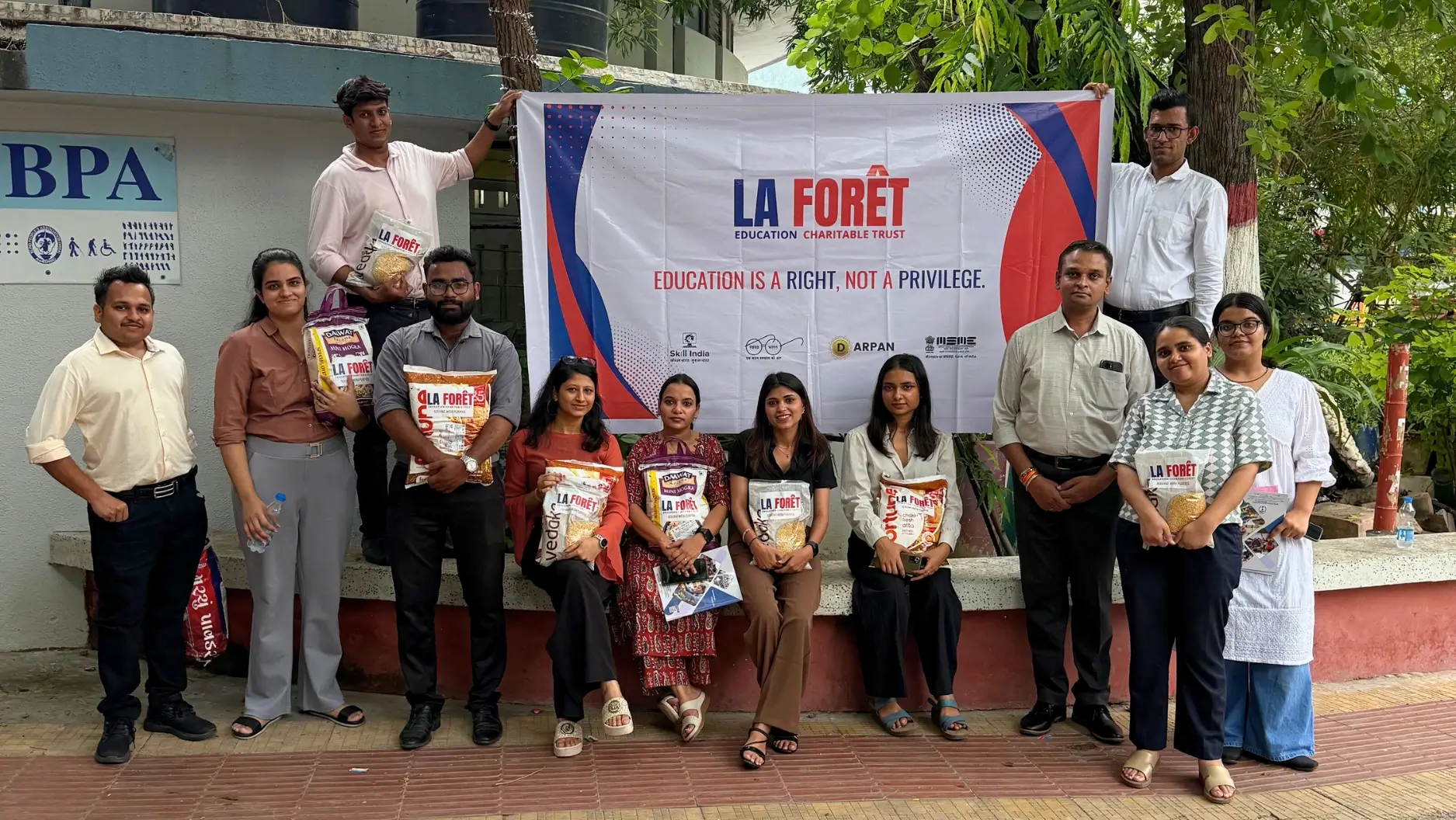
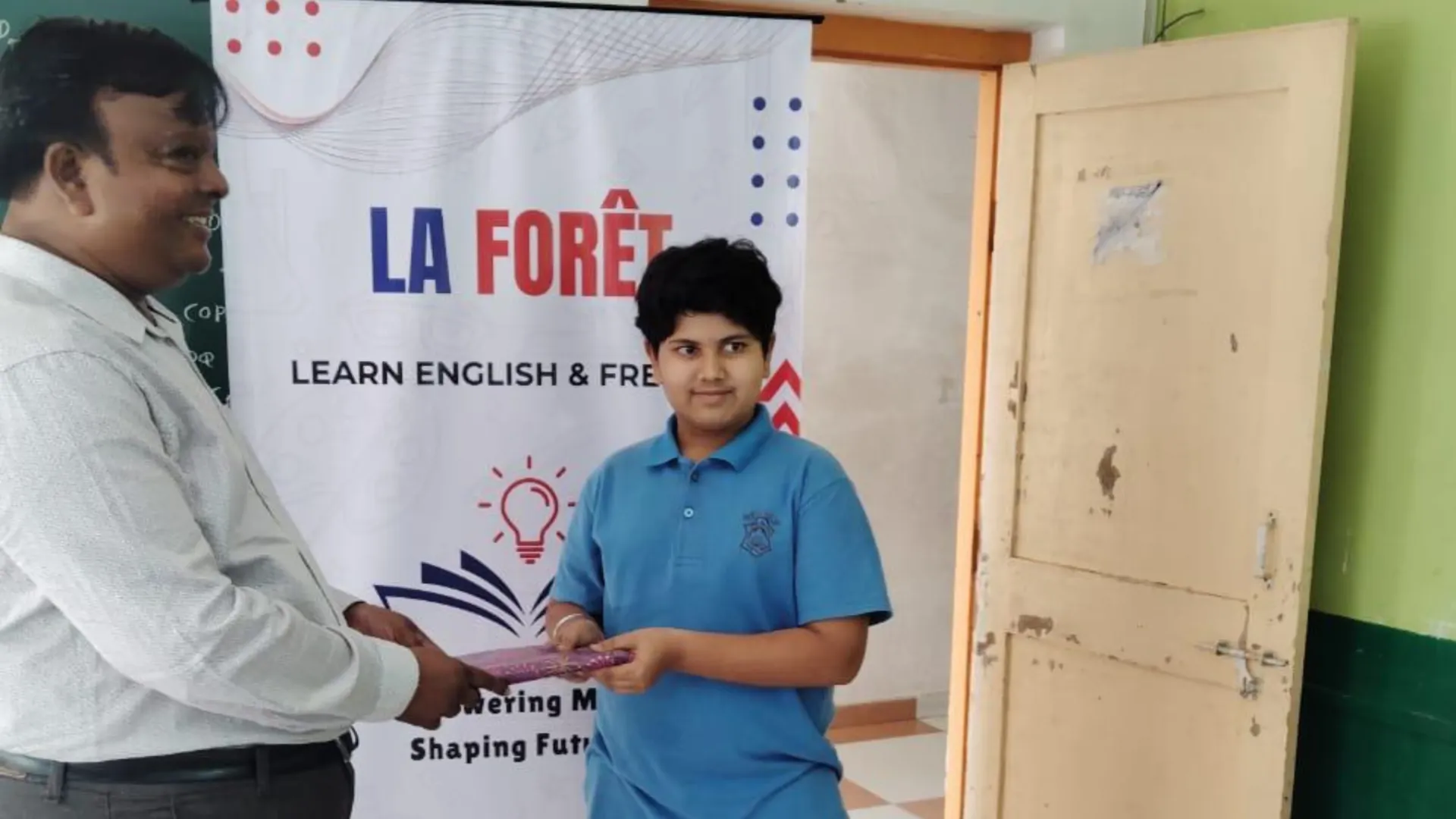
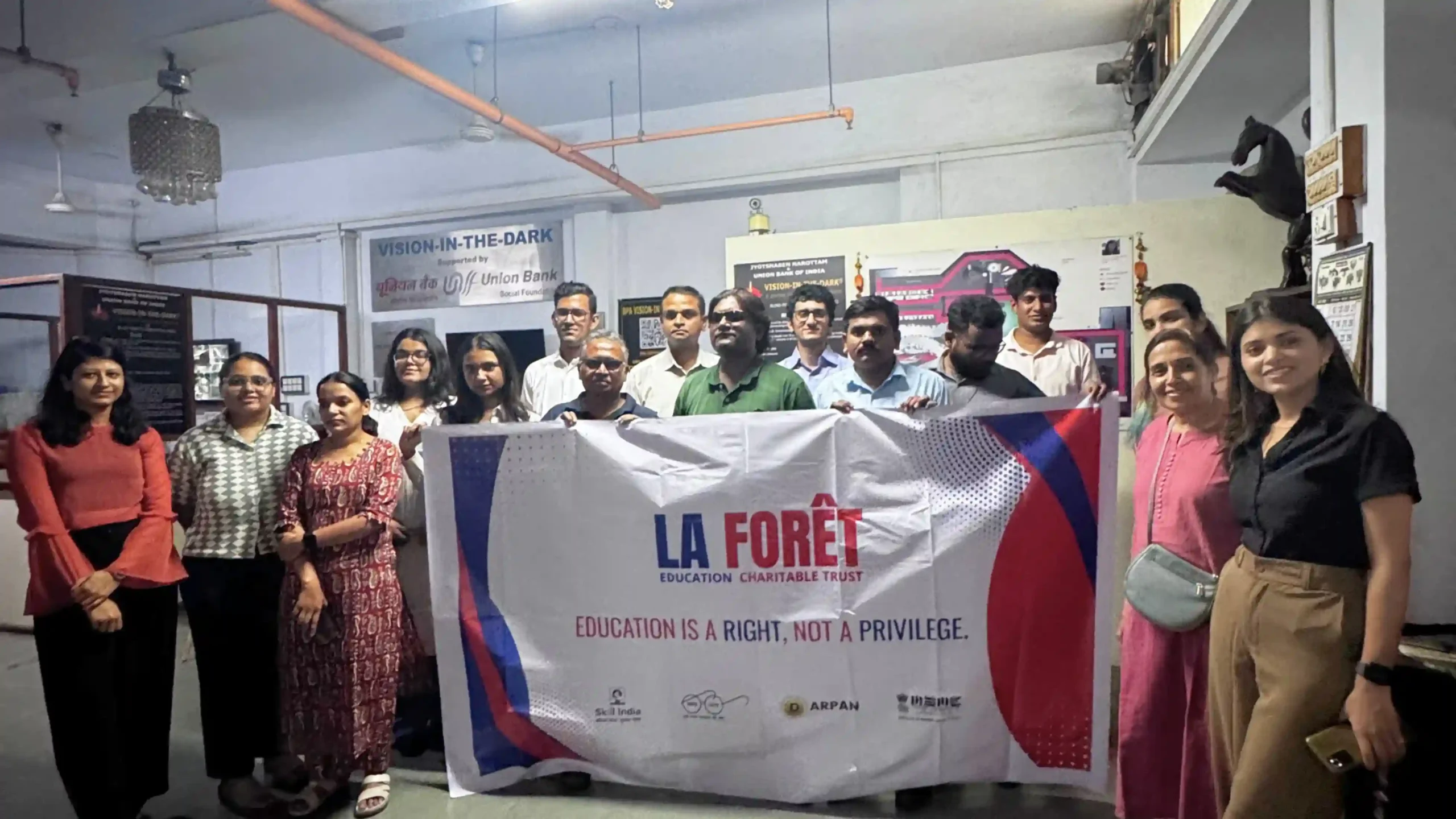
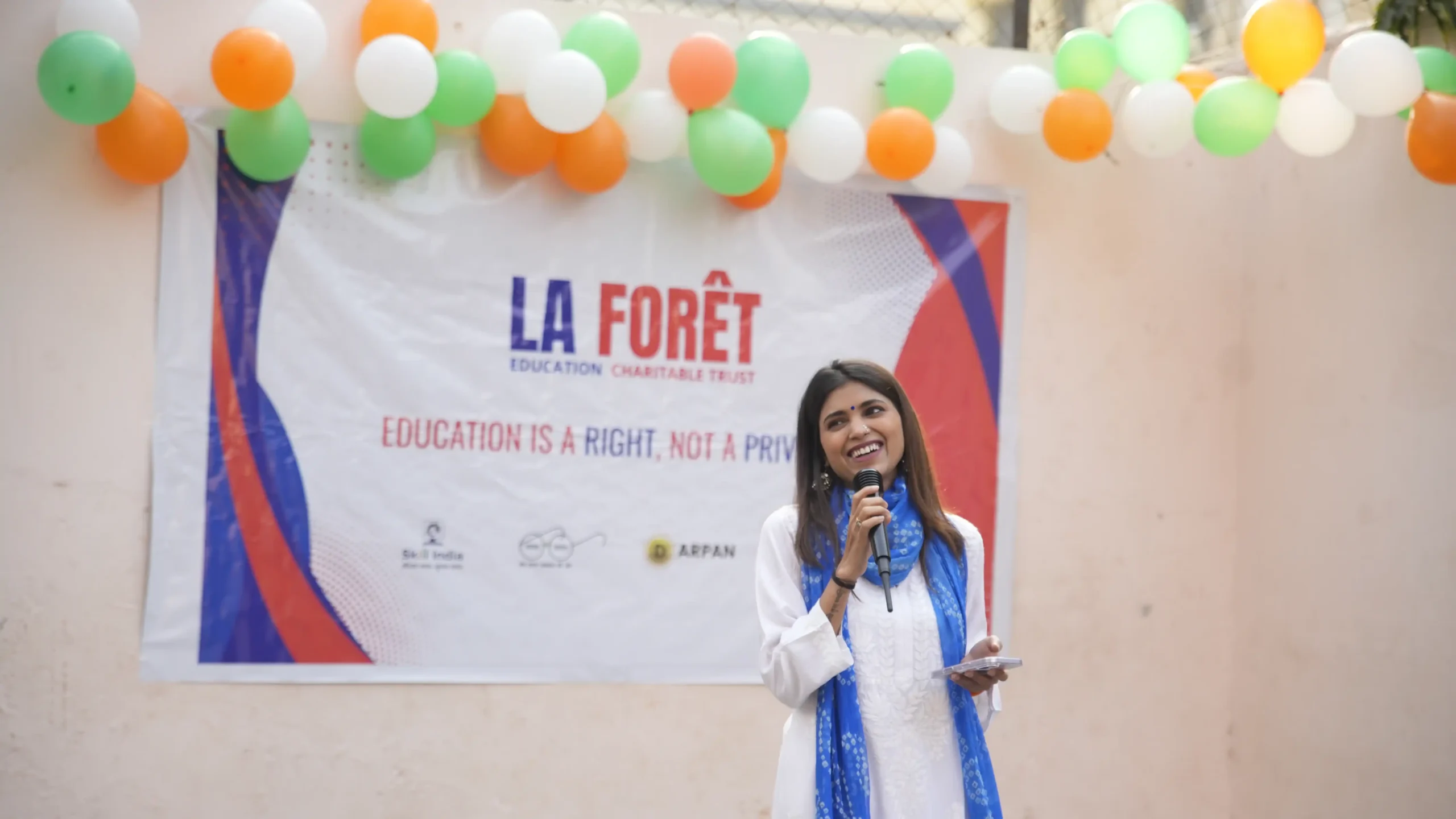
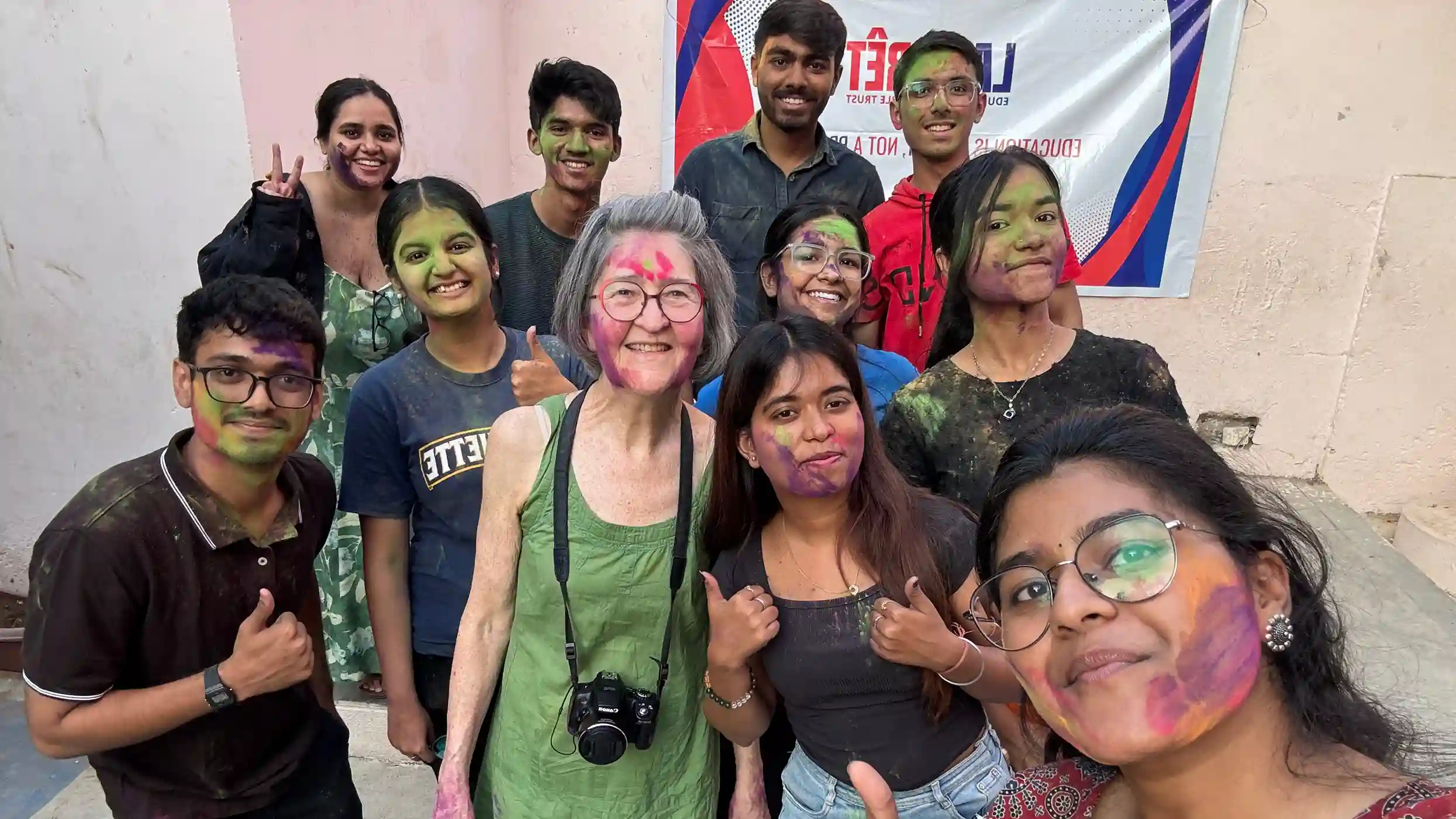
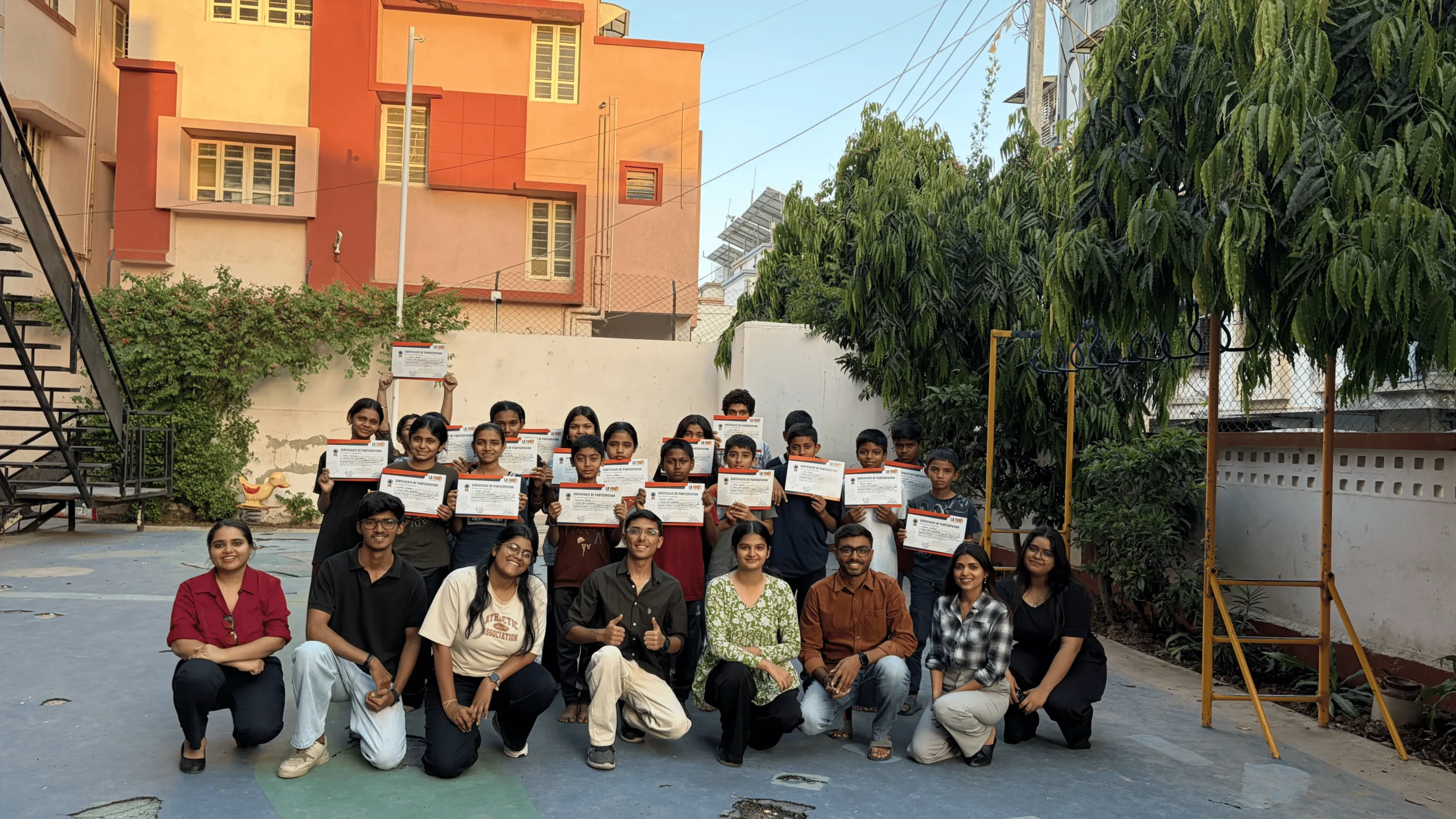
La Forêt Education Charitable Trust also works towards educational empowerment and support for children through its education-focused initiatives.
Q: What government initiatives help children access education?
Ans: The Right to Education Act provides free and compulsory elementary education for children aged 6–14. Samagra Shiksha supports access, infrastructure, teacher training, inclusion, technology, and special training for out-of-school children. NEP 2020 also aims to reduce dropout and achieve universal access to school education.
Q: How does poverty affect school enrollment and attendance?
Ans: Poverty can make education difficult when families struggle with books, uniforms, transport, stationery, and other costs. Children may also need to work or support household responsibilities.
These pressures can affect attendance and continuation. Financial support, scholarships, school meals, and learning resources can help reduce some of these barriers.
Q: What are the biggest barriers to education for children in India?
Ans: Major barriers include poverty, child labour, early marriage, gender inequality, migration, limited school access, poor infrastructure, and inadequate learning resources. These challenges often overlap.
A child may face several at once, which is why education support needs to consider the child’s family, community, school, and social situation.
Q: Why are children still out of school in India?
Ans: Children remain out of school for many connected reasons. Poverty, work, migration, gender barriers, early marriage, distance from schools, and limited resources can all play a role. Education for All in India also highlights access, quality, gender disparities, and socio-economic factors as continuing challenges.