UNICEF estimates that around 240 million children worldwide live with disabilities. And it is very unfortunate that these children face some barriers to education. These include inaccessible buildings, discrimination, unsupportive learning environments and much more. But doesn’t every child deserve a fair chance to sit in a classroom and feel that they truly belong there? Inclusive education aims to change this experience.
It makes sure that children with disabilities have equal opportunities to learn and grow. So, how can schools and communities make education more inclusive? Let’s explore practical ways to create learning spaces where every child can participate.
Promote Inclusive Education for All Children
Inclusive education means children with and without disabilities learn together in the same schools and classrooms. But instead of simply giving every child a place in school, it is more about creating equal access, active participation, and rich learning opportunities for everyone.
It means fair learning opportunities for groups who have traditionally been excluded. This includes not only children with disabilities but also children from minor communities too. When schools welcome diversity, children learn to respect differences from a very young age. This approach moves away from segregation and embraces a shared learning journey.
Inclusive education recognises that children learn in different ways and may need different forms of support. So the goal is to give every child what they need. Every student brings unique strengths. And an inclusive setup allows diverse groups side by side. When children learn together, everyone can benefit.
Remove Barriers to Education
A child may be enrolled but still feel excluded from everyday learning. So before creating an inclusive school, we need to understand what keeps children from school.
Barriers can come from many places. Stigma and discrimination may make children feel unwelcome. Inaccessible buildings, transport or toilets can make school difficult to reach or use. Learning materials may also be unavailable in formats a child can access. Then there are less visible barriers like teachers lacking enough support to meet different needs. Unsuitable learning environments also stop students from moving around freely or joining group activities.
That is why UNICEF identifies discrimination, stigma and gaps in school services as important barriers for children with disabilities. Identifying and fixing these roadblocks is the first step toward true inclusion. Unless we tear down these invisible walls, equal education remains out of reach.
Make Learning Environments More Accessible
An important part of an inclusive classroom is creating spaces and resources that children can actually use. Here are two important areas to consider: physical accessibility and assistive tools. Let’s see how improving physical school layouts and providing smart assistive technology can completely change the classroom experience.
Improve Physical Accessibility
Physical school environments need thoughtful adjustments to welcome students with mobility challenges. Simple additions like wheelchair ramps, wide doorways, and accessible toilets can make a huge difference. Classrooms should also have enough space for wheelchairs, walkers and other mobility devices.
Schools can also install handrails and elevators to help children move around safely. For children with hearing impairments, visual alarm systems and assistive listening devices can improve access. Making these changes can benefit children with disabilities and make them feel independent on campus.
Provide Assistive Tools and Technology
Modern technology and the right tools can make difficult learning tasks much easier. For example screen readers, specialized keyboards, and hearing loops help children engage with daily lessons easily. These assistive tools can help children with special needs access lessons, communicate and participate with classmates.
UNICEF also highlights accessible textbooks and technology-based tools as ways to improve learning access. The key is to match the tool with the child’s needs. Schools can therefore ask children and families what works for them. That way we can make sure that support is not just available but also useful.
Support Inclusive Teaching Practices
An accessible classroom still needs inclusive teaching practice. Teachers need flexible methods to reach every unique learner in the room. Next, we will discuss how differentiated teaching strategies and tailored learning support help educators adapt to individual student needs.
Use Differentiated Teaching Strategies
Not every child is the same. Children learn at a different pace and in unique ways. Teachers should be trained to recognize and address these different learning needs. A teacher should be capable of teaching the same thing but through different methods. One child may understand better through pictures. Another may learn better through listening or practical activities.
So teachers have to change their daily approaches by using visual aids, audio notes, and flexible group tasks. These varied methods help learners grasp concepts regardless of their physical or cognitive differences. Tailoring instruction ensures that no student feels left behind during a lesson.
Support Different Learning Needs
Every child brings different strengths, needs and experiences to the classroom. A child with a disability may need specialized attention, additional time or a different way to complete an activity. Schools can use individual learning plans to understand these needs and set suitable goals.
Such plans can also help teachers and specialists work together which is called co-teaching. It is one of the strongest methods used in inclusive settings. The focus should remain on what helps the child participate and progress. Individualised support is also recognised within the international right to inclusive education.
Strengthen Teacher Training and Support
Teachers are the heartbeat of any inclusive classroom. But they cannot do everything without preparation and support. Firstly they need knowledge about disability, inclusion and different learning needs. And then they need proper professional development which gives them the skills needed to handle these diverse learning needs.
Training programs should focus on understanding various disabilities and creating welcoming lesson plans. Co-teaching can bring different areas of teaching expertise into the same classroom.
Research from IDS also highlights practical teacher preparation and continued support as important for successful inclusion. When teachers receive the right support, inclusion becomes part of everyday school practice.
Promote Peer Learning and Social Inclusion
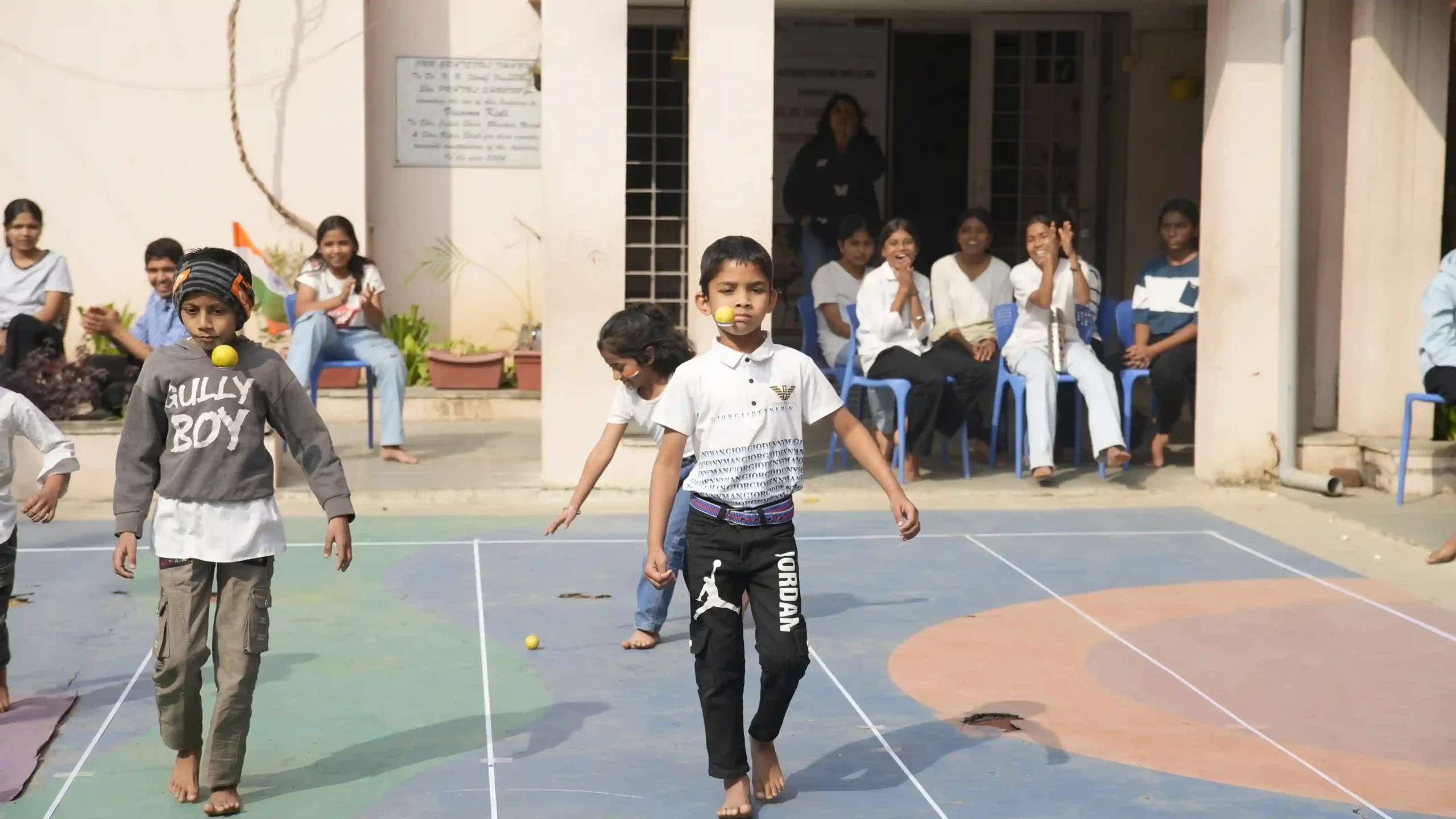
Friendship and peer interaction play a massive role in building true inclusion. When children with and without disabilities study and play together, empathy naturally grows.
Group activities can create natural opportunities for children to learn from one another. Peer buddy programmes can also help children build friendships and feel more comfortable at school.
These shared moments encourage teamwork and mutual respect. It helps children understand different abilities through everyday interaction. Over time, this can build strong social relationships and a deep sense of belonging. Social inclusion ensures that disabled children are not just present in school, but truly feel part of the classroom family.
Make Assessment More Inclusive
Assessment should show what a child has learned. Traditional testing methods evaluate how well a child can complete one fixed task, which is why it often fails to measure what a child with disabilities truly knows.
Fair assessment should be based on a child’s true understanding rather than rigid test rules. Children with disabilities may need reasonable adjustments to demonstrate their understanding.
For example, a child may need an accessible format, additional support or an appropriate way to communicate an answer. Therefore, assessments should recognize individual differences and offer fair alternatives.
Schools can provide extended exam times, oral testing formats, or assistive software during evaluations. Inclusive assessment does not mean lowering expectations. It means removing unnecessary barriers that stop a child from showing what they know.
Engage Parents and Communities
Inclusive education works better when parents, families, and local communities work together. Parents and caregivers often understand a child’s needs and daily challenges closely. So schools can connect with families to share concerns and discuss support.
It can also help schools understand what works for a child beyond the classroom. UNICEF’s caregiver resources highlight the important role families play in supporting learning and navigating education systems.
Communities have an important role too. Awareness programmes can challenge harmful ideas about disability and encourage families to support school participation. Local organisations, disability groups and community leaders can also support awareness.
They can help connect families with useful services and resources. Inclusion becomes stronger when responsibility is shared. Schools, families and communities can work together to make education more welcoming and accessible.
Support Inclusive Education Through Policy and Rights
Inclusive education needs more than individual school efforts. Policies and rights create the foundation for equal access and lasting change. Below, we look at the rights of children with disabilities and the responsibility to protect them.
Promote the Rights of Children with Disabilities
Education is a right. The Convention on the Rights of Persons with Disabilities recognises the right to education without discrimination and on an equal basis. Article 24 calls for an inclusive education system.
It states that children with disabilities should not be excluded from general education because of disability. The Convention recognises reasonable accommodation and individualised support too.
These rights matter because strong policies can guide schools, governments and communities towards practical change. However, rights must also work in everyday life.
Schools need accessible spaces, trained staff, suitable support and fair opportunities for participation. Children with disabilities should also have a voice in decisions that affect their education. A rights-based approach guarantees that inclusive education is treated as a priority, not an afterthought.
Conclusion
Inclusive education starts with a simple idea: every child deserves a fair chance to learn and belong. Schools can move towards this by removing barriers and improving accessibility. At community level, stigma and discrimination must be tackled and individuals need to be educated.
Strong policies and disability rights provide the foundation for lasting change. Progress comes slowly. But when these pieces come together, children with disabilities can participate, learn and grow alongside their peers. That is what an inclusive education system should make possible.