The current situation around school dropouts in India is alarming. Many students leave school early or struggle to continue their education due reasons like financial pressure, family responsibilities, learning difficulties, health concerns, or social barriers. Yet, dropping out does not have to be the end of their learning journey.
Education NGOs can help children find their way back to school through academic support, financial assistance, mentorship, life skills, and family engagement. With the help at the right time a lost chance can turn into a new opportunity.
Understanding the Dropout Dilemma
A child rarely leaves school because they simply do not want to study. There are several problems built up before the decision of dropping out is taken. Let’s see what can make a child not want to continue their education. A student may start missing classes because of family responsibilities. Another may fall behind in lessons due to social or health-related issues. Financial problems can make school expenses difficult.
The problem becomes more serious when these challenges remain unnoticed. A few missed classes can become weeks away from school. And when the learning gaps become larger, children feel even less inclined to return to school. And that is exactly why dropout prevention needs to begin early.
Schools, families, communities, and education organisations need to notice the warning signs and take actions as soon as possible. This early support prevents students from losing years of valuable learning. The aim is not only to bring children back to school. It is to help them feel that they still belong there.
Causes for School Dropout in India
There is rarely one single reason behind a child leaving school. Different major factors come together and make education difficult to continue. Understanding these specific hurdles helps education groups design better strategies and programmes. So, let’s see what keeps these bright children out of school.
Child Labour
When families struggle financially, children may start working to support household income. Especially families living in poverty depend on their children’s income for survival.
As a result, children are forced to abandon their education to work. This takes away the time and energy they need for school. It affects daily attendance and makes it nearly impossible to continue education.
UNICEF’s 2024 research highlights the connection between children’s work and school participation in India. Children who move from primary to secondary education can face increased risks of entering work or combining school with work.
Child Marriages
In many parts of India, cultural norms and economic pressures lead to child marriages. This is true especially for girls. India has the highest number of girls and women married during childhood, with 34% being married before the age of 18. Once married, household responsibilities, pregnancy, and social expectations can end their education permanently.
Some families believe that preparing their girl child for marriage is more important than continuing her education. Changing this mindset is essential for keeping girls in education because they are most likely to leave school after marriage.
Gender Disparities
Gender bias still exists in many parts of India due to which girls and boys doesn’t get the same opportunities to access and continue their education. In some communities, families may prioritise spending on a son’s education when resources are limited.
Girls may also be expected to care for younger siblings or help with household work. All these expectations can affect attendance and completion. UNICEF highlights how gender discrimination can expose girls to poor education outcomes, child domestic work, early marriage, and other risks.
Health Issues
Health problems can make regular school attendance difficult. A child who frequently falls ill may miss classes and struggle to catch up. Nutrition and hygiene can also affect a child’s ability to concentrate and participate.
Emotional well-being is also very important because emotions like stress, anxiety, isolation, or difficult personal circumstances can make school feel overwhelming. When these concerns remain unnoticed, absence can increase. A child’s health should therefore be considered alongside their education.
Lack of Parental Involvement
Children often need encouragement at home to stay connected with school. Parents can support education by asking about lessons, encouraging attendance, and communicating with teachers.
However, some parents may have limited time or resources. Others may not know how to support a child who is struggling academically. When there is little communication between home and school, children are much more likely to feel demotivated and slip away. A child may be absent repeatedly without anyone understanding the reason.
What Efforts are Being Made in India to Improve These Rates?
Preventing school dropouts in India requires a multi-faceted approach. Every child leaves school for different reasons. That is why solutions should also be targeted. Education support programmes are increasingly focusing on early identification, mentoring, financial assistance, life skills, and community involvement.
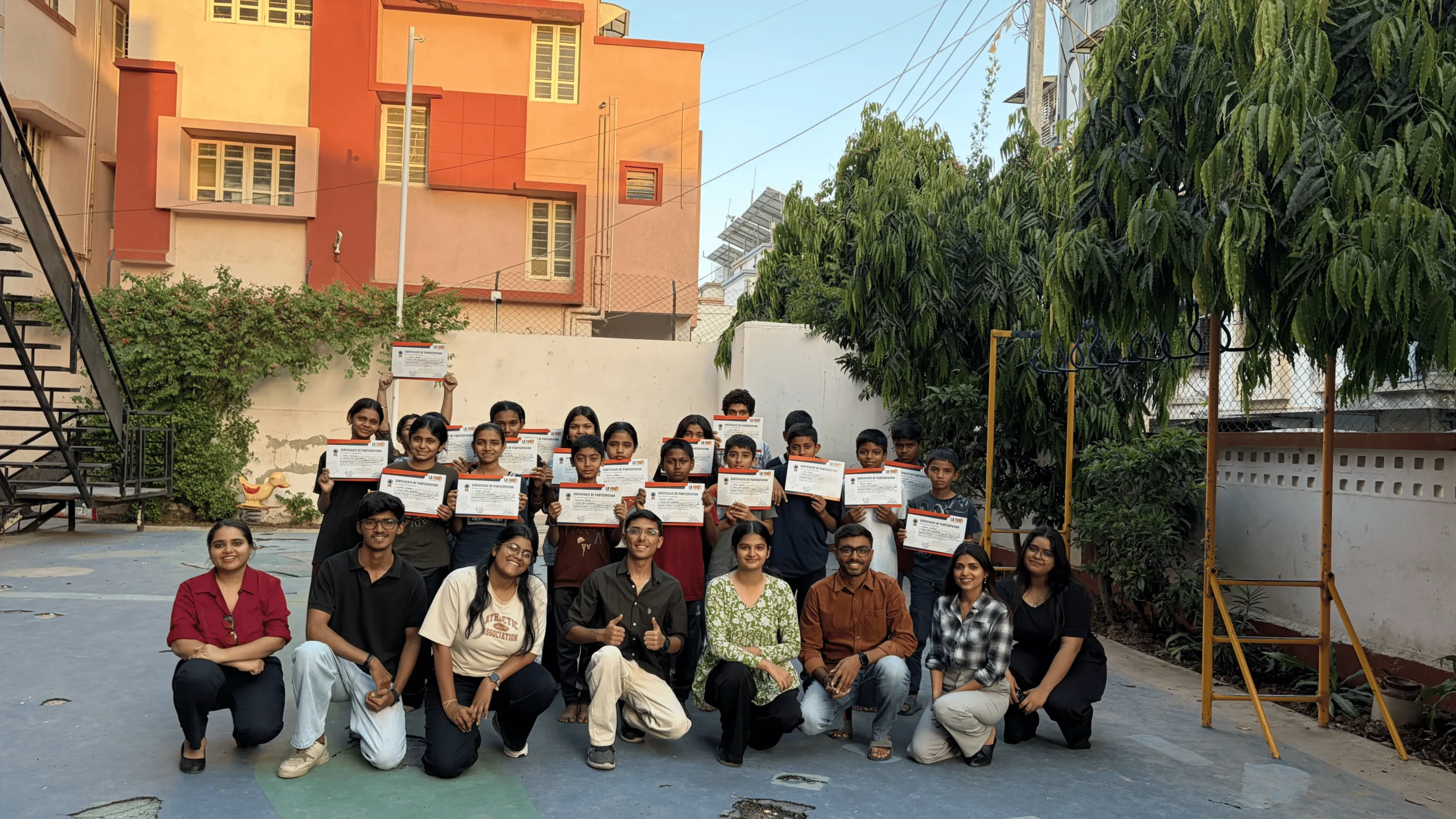
Various practical support systems help keep students anchored to their education and away from dropouts. We at La Forêt Education Charitable Trust focus on these areas, working closely with communities and schools to create solutions for school dropouts in India.
Early Identification and Mentorship
We often ignore the signs at first. Falling attendance, declining performance, withdrawal from activities, or loss of interest are the signs that children show before they completely leave school.
Tracking these changes can help schools and support organisations intervene earlier. Once a child is identified, a mentor can provide regular guidance and personal attention.
Children may not openly share their problems in a classroom which is why mentorship is very useful. A trusted mentor can listen without judgement and understand what is making school difficult.
Consistent guidance and regular check-ins build trust and helps students remain in school even when times get tough. An NGO highlights that attendance and performance tracking followed by one-to-one mentorship are important parts of dropout prevention.
Scholarships and Financial Incentives
Financial difficulties often prevent students from continuing their education past primary levels. Even when schooling itself is affordable, other expenses like books, uniforms, transport, stationery can create pressure.
Scholarships and financial assistance can reduce some of this burden. They can help families keep children enrolled while allowing them to focus on their studies.
However, financial support works best when combined with other interventions. A scholarship may solve one immediate problem, but the child may still need academic or emotional support.
Education NGOs can therefore connect financial assistance with mentoring, tutoring, and family support. This creates a stronger safety net around the child. It ensures that lack of money never forces a willing student to quit.
Academic Tutoring & Remedial Classes
Learning gaps can make children lose confidence and become less interested in school. This often leads to frustration and disengagement in school. Remedial classes can help them rebuild those missing foundations.
Teachers or tutors can first understand what the child knows and then focus on specific areas. This helps struggling students catch up with their peers comfortably.
When children understand their lessons, they naturally want to stay and learn more. Varthana, an RBI registered NBFC, recommends diagnostic assessments and bridge courses to identify learning gaps and provide targeted remedial support.
Life Skills and Psychosocial Support
Students often need emotional and social support alongside regular academics. Life-skills programmes can help children develop communication, decision-making, problem-solving, resilience, and self-confidence.
Psychosocial support gives children a safe space to talk about their worries. It can help them manage difficult emotions and rebuild their connection with school.
These programmes are especially important when dropout is linked to family difficulties, social pressure, or emotional stress. A child who feels heard is more likely to ask for help. That small step can make returning to education feel less frightening.
Parent and Community Engagement
To prevent dropouts, parents and local communities have to play a key role. Families can encourage attendance and seek help when problems arise. Education organisations can conduct parent meetings and community awareness programmes. These discussions can explain the value of continued education and help families understand available support.
Local volunteers, teachers, and community leaders may be able to identify problems early like children who have stopped attending school. School-community partnerships are important to create a collective response for vulnerable children and families. When everyone shares responsibility, a child does not have to face the journey alone.
Conclusion
A child dropping out of school should never mean their learning journey has ended. Early identification, mentorship, financial support, remedial classes, life skills, and family involvement can help children reconnect with education.
However, returning is only the first step. Children also need continued encouragement to stay in school and move forward. When schools, families, communities, NGOs, and volunteers work together, a dropout can become a second chance rather than a final chapter.