Knowledge is power and education is its source. But that line cannot be made applicable for education in rural India. For many children in rural India, education still comes with challenges that urban students may not face.
Over 1 million children are entirely out of school because of problems like poor infrastructure, teacher shortages, and a lack of resources. But amidst these, there’s a flicker of hope. Government schemes, NGOs, and communities are doing their best to make education reachable where there is a gap.
In this blog, we’ll explore the challenges that hold rural education back but, more importantly, showcase the opportunities for its progress. Read along!
Current State of Rural Education in India
Rural education in India is moving forward, but there is still a long way to go. More children are reaching schools today, and awareness about education is growing among rural families. But being enrolled in school does not always mean receiving quality education.
Some rural students still study with limited facilities, fewer qualified teachers, weak digital access, and fewer opportunities outside the classroom. Distance from schools and language barriers can also make regular attendance difficult.
At the same time, change is happening. Digital learning, NGO programmes, improved infrastructure, and community involvement are slowly opening new doors. Let’s see how.
Growth of Education in Rural Areas
There was a time when simply reaching a school was a major challenge for many rural children. Today, more schools and education programmes have reached villages across India.
The government is committed to providing quality education to all of its citizens regardless of where they locate, due to which it has taken various steps.
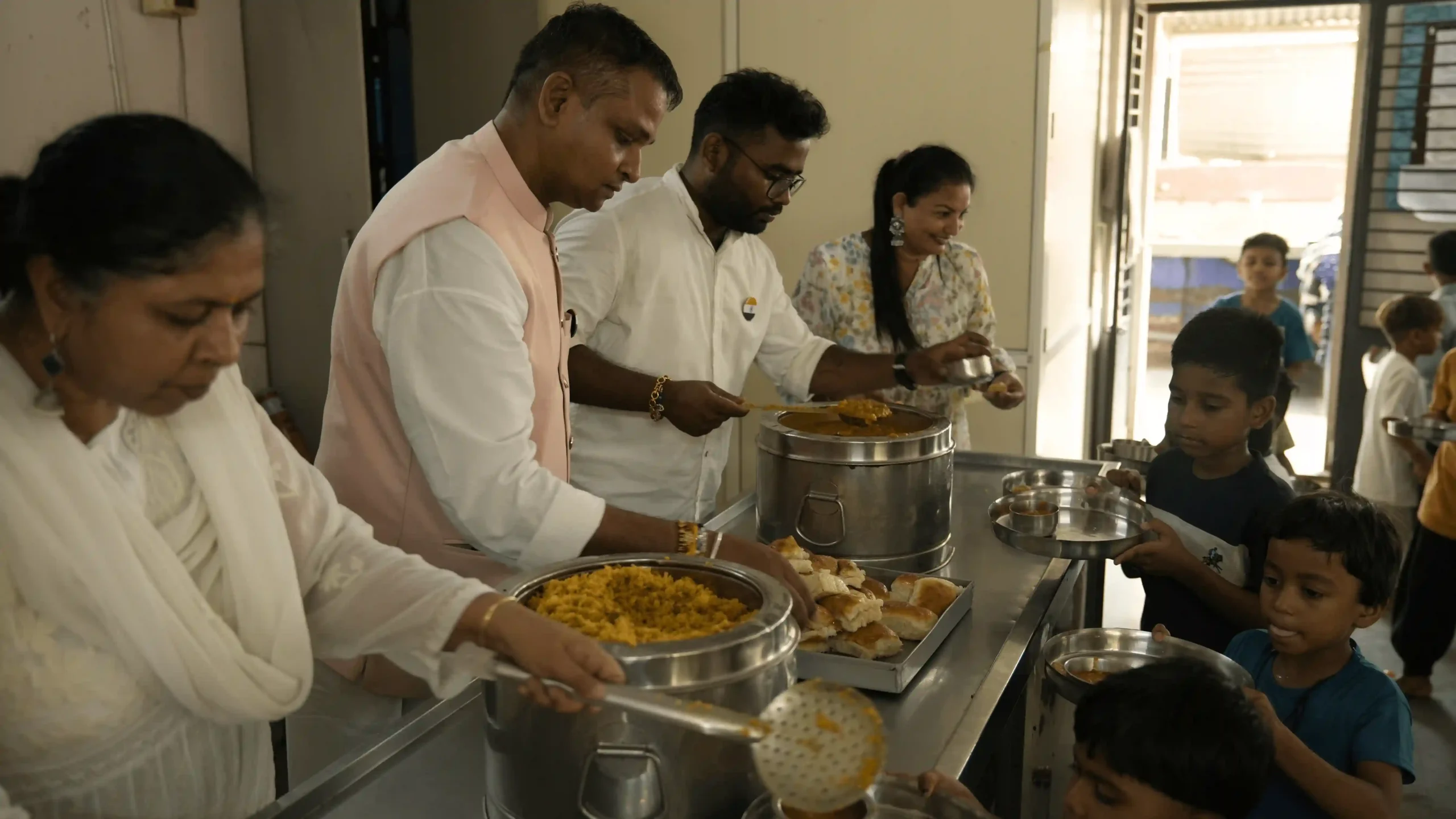
Programmes like Samagra Shiksha Abhiyan aims to provide free and compulsory education to all children in India. School meal programmes provide free meals to students which has also encouraged children to attend school regularly. Free books, scholarships, and other support can reduce the financial pressure on families.
This growth has changed many villages. Children have more chances to continue their studies, while parents increasingly see education as a path towards better opportunities. Still, progress is not the same everywhere. Some remote communities still struggle to provide the learning environment children need.
Gap Between Rural and Urban Education
A child in a village may study with fewer facilities than a child in a city. Their learning experiences can be very different. Let’s have a look at some of these differences between rural and urban education.
Area | Rural Education | Urban Education |
Infrastructure | Basic facilities may be limited in some areas | Wider access to developed facilities |
Teachers | Teacher shortages can affect some schools | Large pool of teachers and specialists |
Technology | Internet and devices may be limited | Digital learning is more accessible |
Transport | Long journeys can be common | Public and private transport are usually available |
Extra Learning | Fewer local coaching options | More tuition and learning centres |
| Career Exposure | Limited exposure to different careers | Greater access to career guidance |
This gap is not about ability. Rural children have the same curiosity and potential. The difference often lies in the opportunities available to them.
What are The Challenges in Rural Education
A child cannot learn well when basic needs remain unmet. Rural education faces several connected challenges and each challenge affects children differently. Together, they can make staying in school and completing education much harder. Here are some of the key challenges faced by the education system in rural India.
Lack of Proper School Infrastructure
One of the most challenging obstacles in rural education is the lack of adequate infrastructure which includes schools, classrooms, libraries, and computer laboratories.
Above this, there are many schools that don’t even have basic facilities like clean toilets, drinking water and electricity. This makes learning harder and school attendance can suffer.
Shortage of Qualified Teachers
Rural areas frequently face a shortage of qualified and trained teachers, especially for subjects like mathematics, science, and English. Many schools rely on unqualified teachers to fill the gap which leads to poor teaching and guidance.
When one teacher handles several classes or subjects, students may receive less individual attention. Another reason for the experienced teacher unwilling to work in remote villages is low salaries and no growth opportunities. All of these factors directly affect students’ learning and future.
Poverty and High Dropout Rates
For some families, education competes with daily survival. Many parents from poor backgrounds cannot afford education costs like transport, uniforms, supplies, or other school needs. Plus, the opportunity cost of sending children to school is a concern.
Because they count on their children to work, care for siblings, or help with household responsibilities. Malnutrition and gender inequality leads to dropouts from school. Thus, education has always been a second priority for low-income families.
Limited Access to Digital Learning
Education today increasingly uses digital tools. Unfortunately, these sophisticated digital learning tools are not available in rural locations. Rural children can struggle due to poor internet connections, unavailability of gadgets or weak power supply.
This creates a disadvantage and makes it difficult for students to access online learning resources and keep up with the rest of the world especially after the pandemic.
Gender Inequality in Education
Gender discrimination still exists in rural areas. Girls may face barriers that boys do not. Women are not permitted to attend school in certain areas. Or, if permitted, it is restricted to a specified age range.
Some families still prioritise boys’ education when money is limited. Girls are expected to quit studying and manage household work. Safety concerns and long distances can create another barrier.
Solutions to Improve Rural Education
Enough of discussing the problems. Now let’s shift our focus on finding the solutions. Improvement in rural education can be a challenging task but not impossible. Government schemes, NGO, and communities have to work together, for better facilities, trained teachers and digital learning.
Better School Facilities and Resources
A child learns better when there are enough resources and facilities. So, the first thing we can do is develop safe classrooms, sanitation facilities, clean drinking water supply, electricity etc.
Apart from these basics there’s also a need for other resources like playgrounds, sports equipment, libraries, labs etc. These improvements create a more conducive learning environment leading to increased attendance and reduced dropouts.
Teacher Training and Support
A well-trained teacher is the backbone of quality education. So, we need to give regular training to the teachers which will help them use it for innovative teaching methodologies, integrate technology into their lessons, and improve student engagement. To attract and retain qualified teachers, competitive salaries should be provided.
Use of Digital and Online Learning
Digital education can improve the quality of education and can increase learning opportunities. Online classes can connect rural students with teachers and experts from other places.
Smart classrooms can make difficult topics easier through videos, activities, and visual lessons. Digital libraries can give students access to books and learning materials.
Recorded lessons can also help children revise topics at their own pace. However, access matters. Schools need reliable internet, devices, electricity, and teachers who know how to use digital tools.
Government Schemes and NGO Support
Government programmes can help rural students access education, learning materials, nutrition, scholarships, and better school facilities. For instance, Samagra Shiksha supports school access, infrastructure, teacher education, inclusion, digital initiatives, and learning outcomes.
The Right to Education framework also supports children’s access to elementary education. PM POSHAN provides meals to children in government and government-aided schools. Scholarships can reduce education costs for eligible students.
NGOs can provide books, school kits, mentoring, digital learning, and community programmes. The process becomes easier when parents know what support exists and where to apply. So, families can start by asking their school, Anganwadi centre, local education office, or district authorities about available benefits.
Community Participation in Education
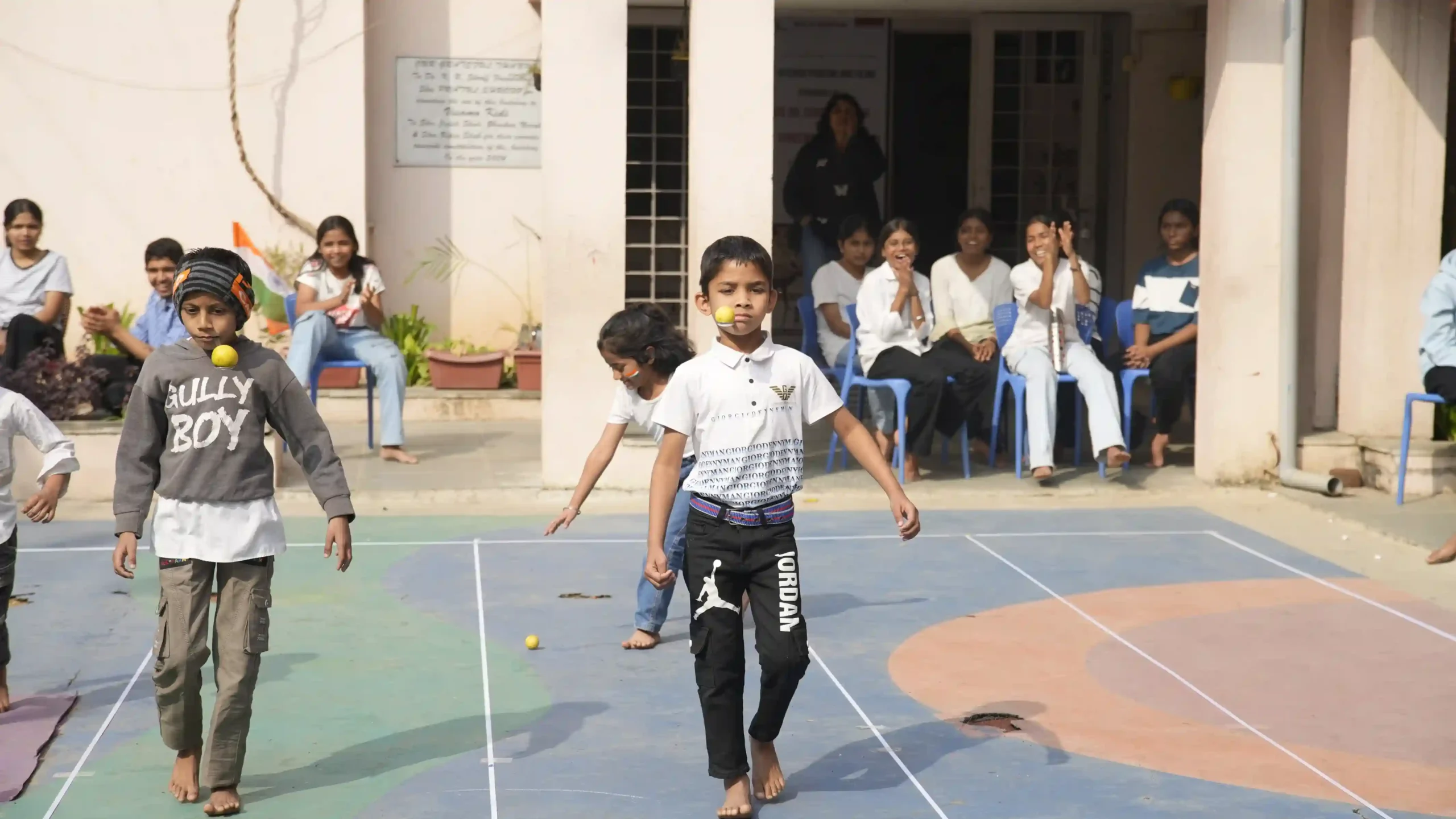
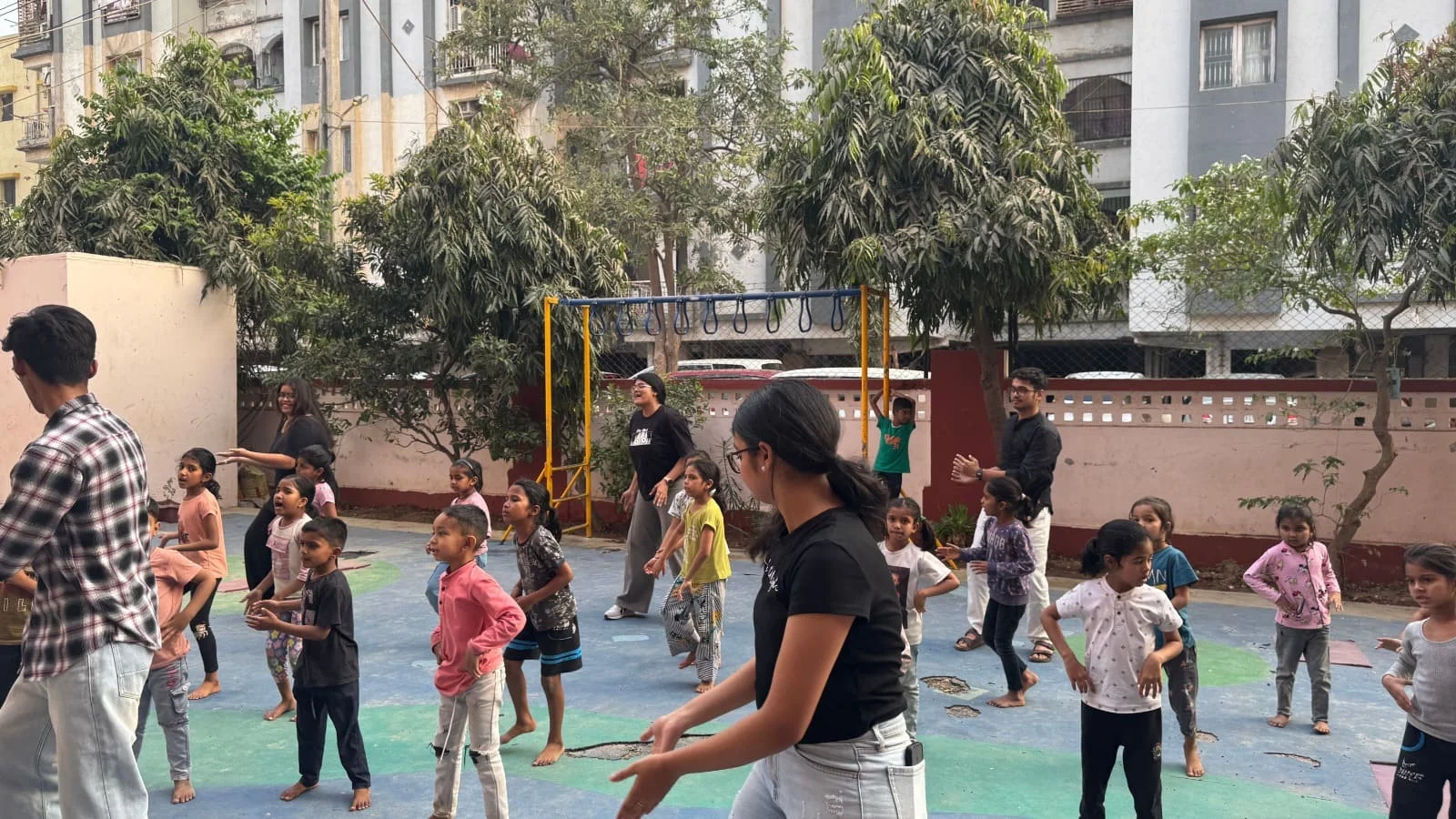
Education becomes stronger when the whole community takes part. Parents can attend school meetings, encourage regular attendance, and create time for children to study. Local volunteers can provide tutoring or reading support.
Community leaders can organise awareness sessions about girls’ education and scholarships. Local businesses can support books, computers, or school improvements. Even simple actions matter.
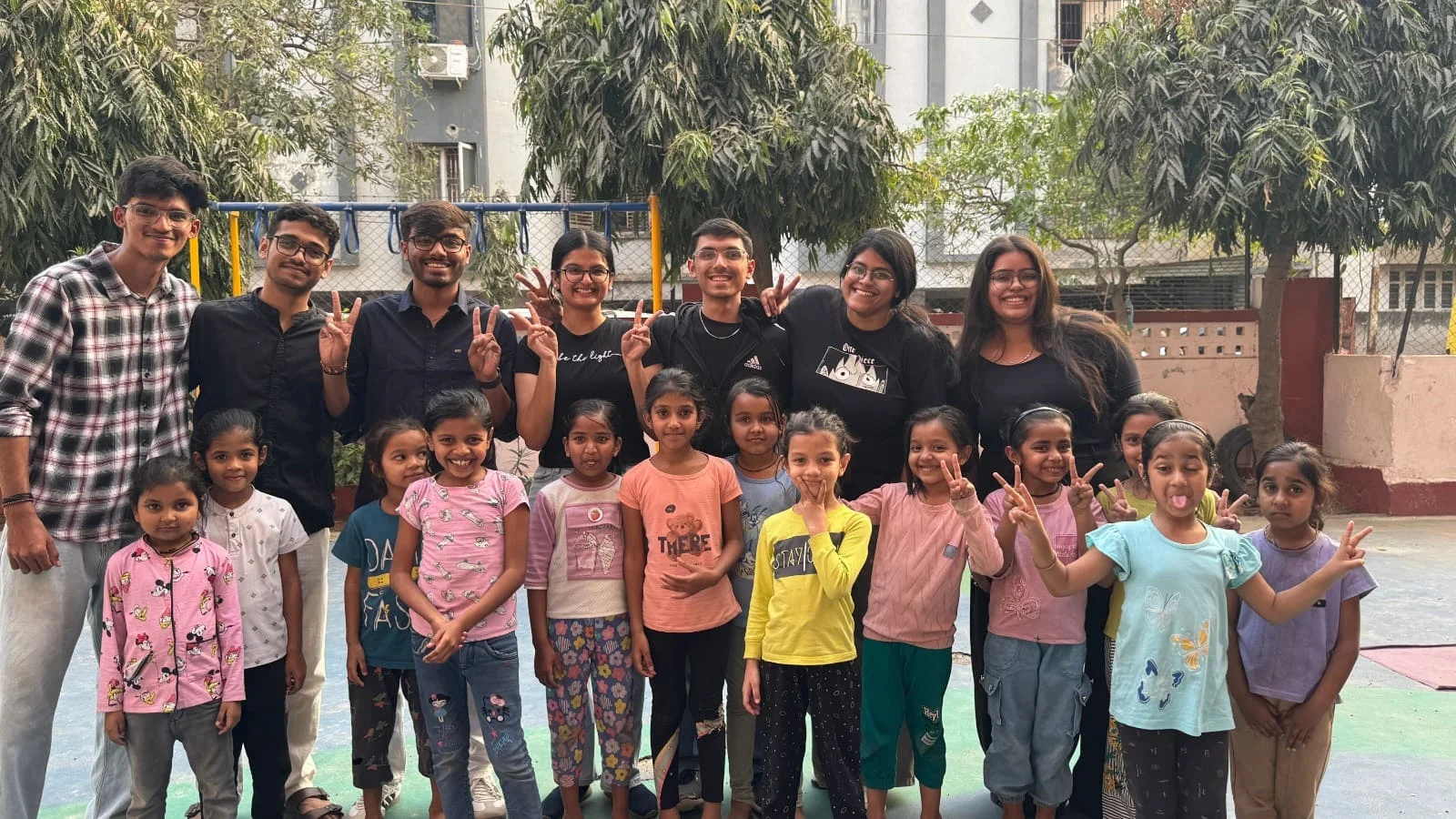
A volunteer helping children read each week can improve their confidence. When education becomes something we all work on together, children get much more help than they just get in the classroom.
Role of NGOs and CSR in Rural Education
Government support is essential, but NGOs and CSR programmes can add another layer of support. By filling the gaps, they can reach the gaps that the government and education system fail to reach. They can respond to local needs and bring resources, infrastructure, volunteers, technology, and new ideas into communities.
How NGOs Support Rural Students
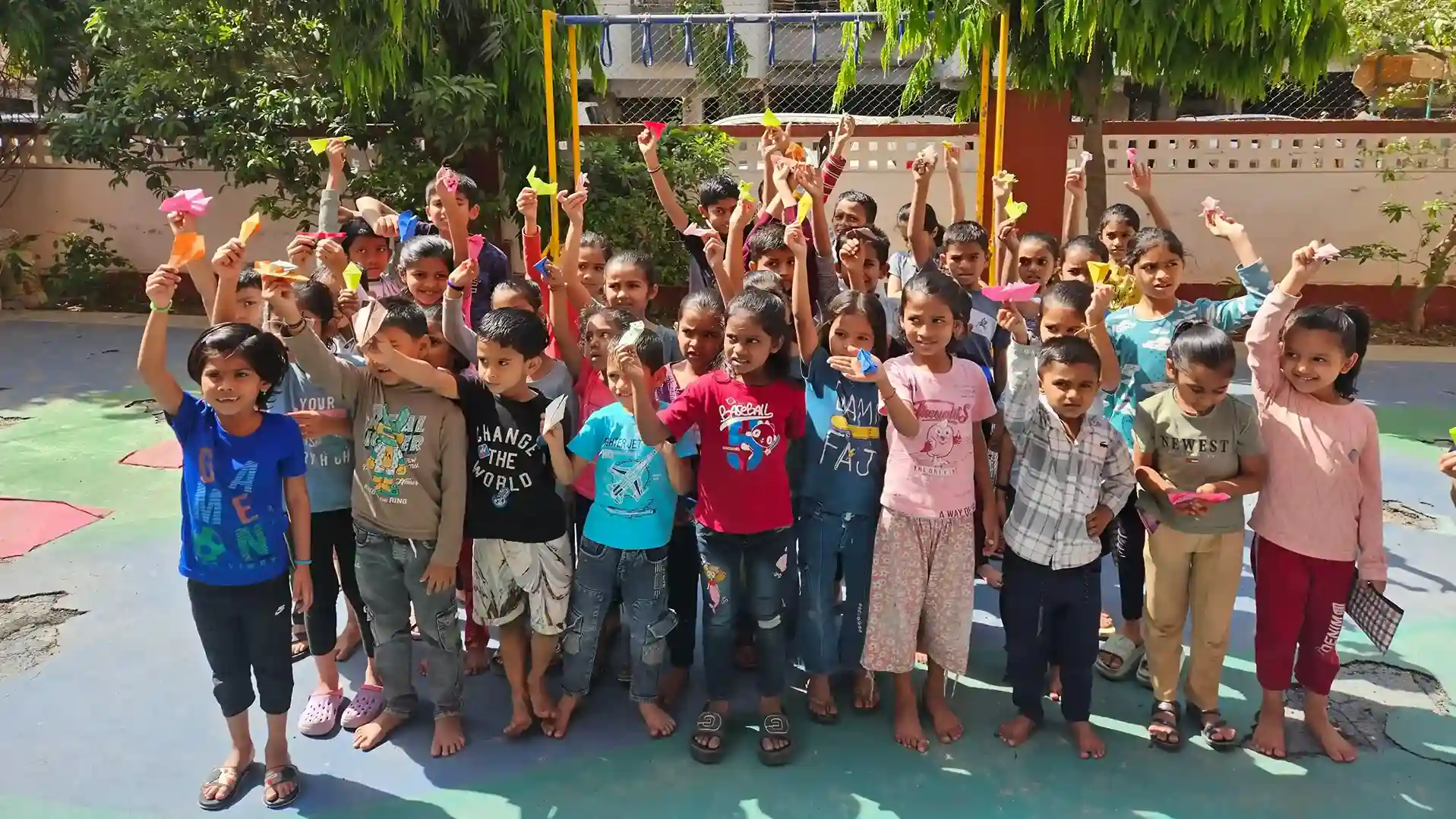
NGOs can help children in many practical ways. Working directly with communities helps NGOs understand challenges at ground level. They may provide books, school kits, scholarships, learning support, digital resources, or volunteer teaching.
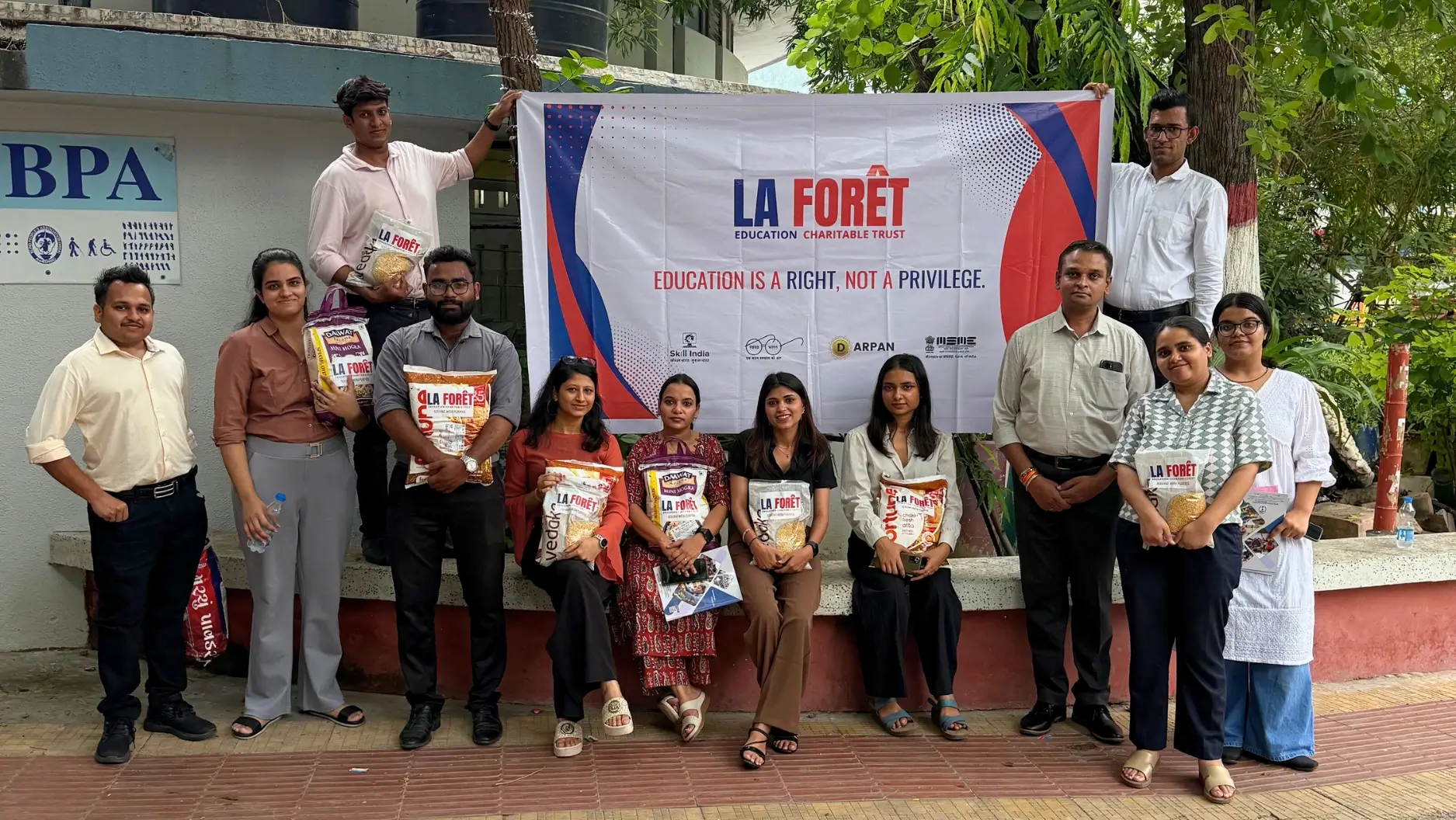
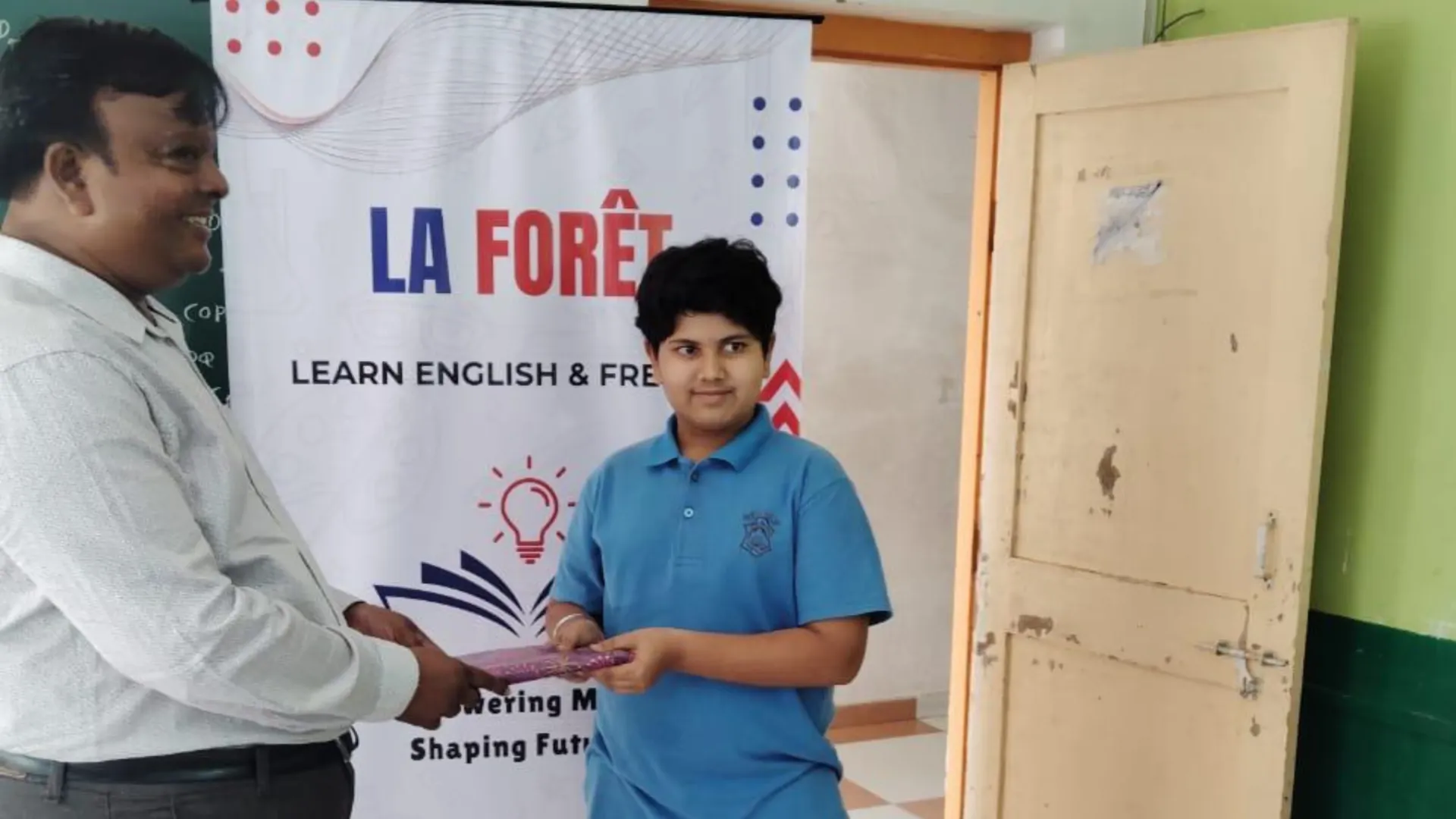
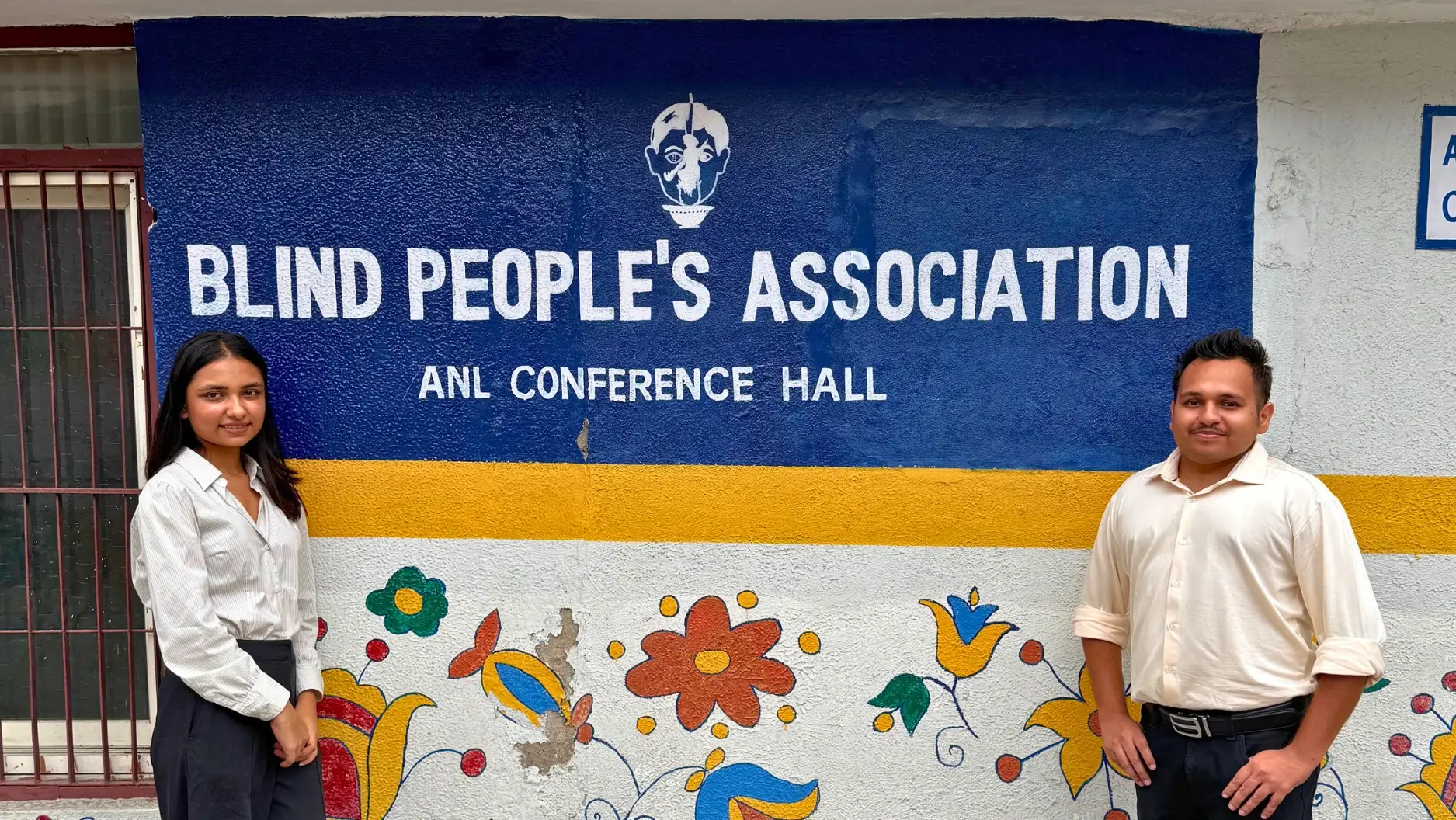
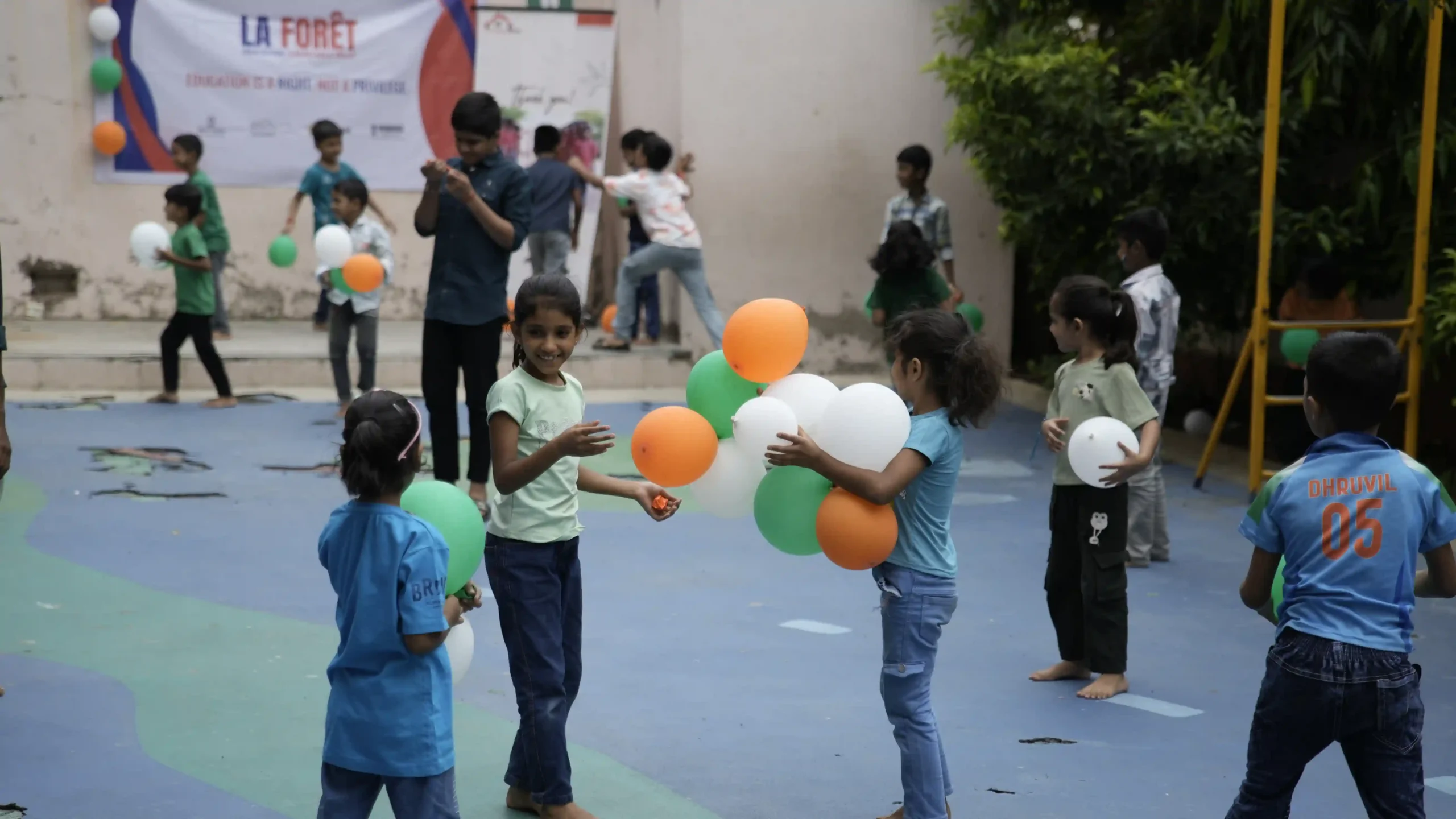
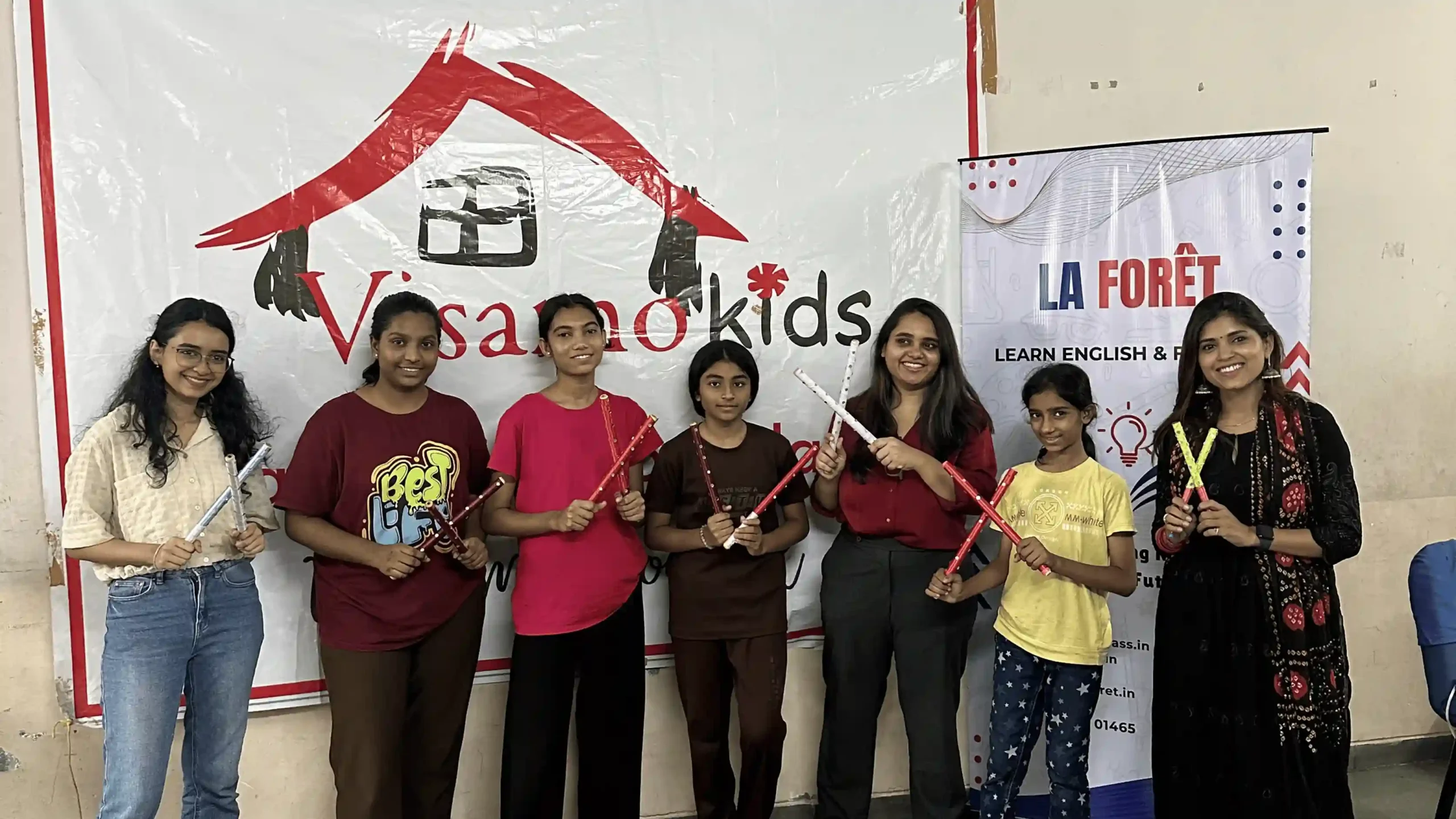
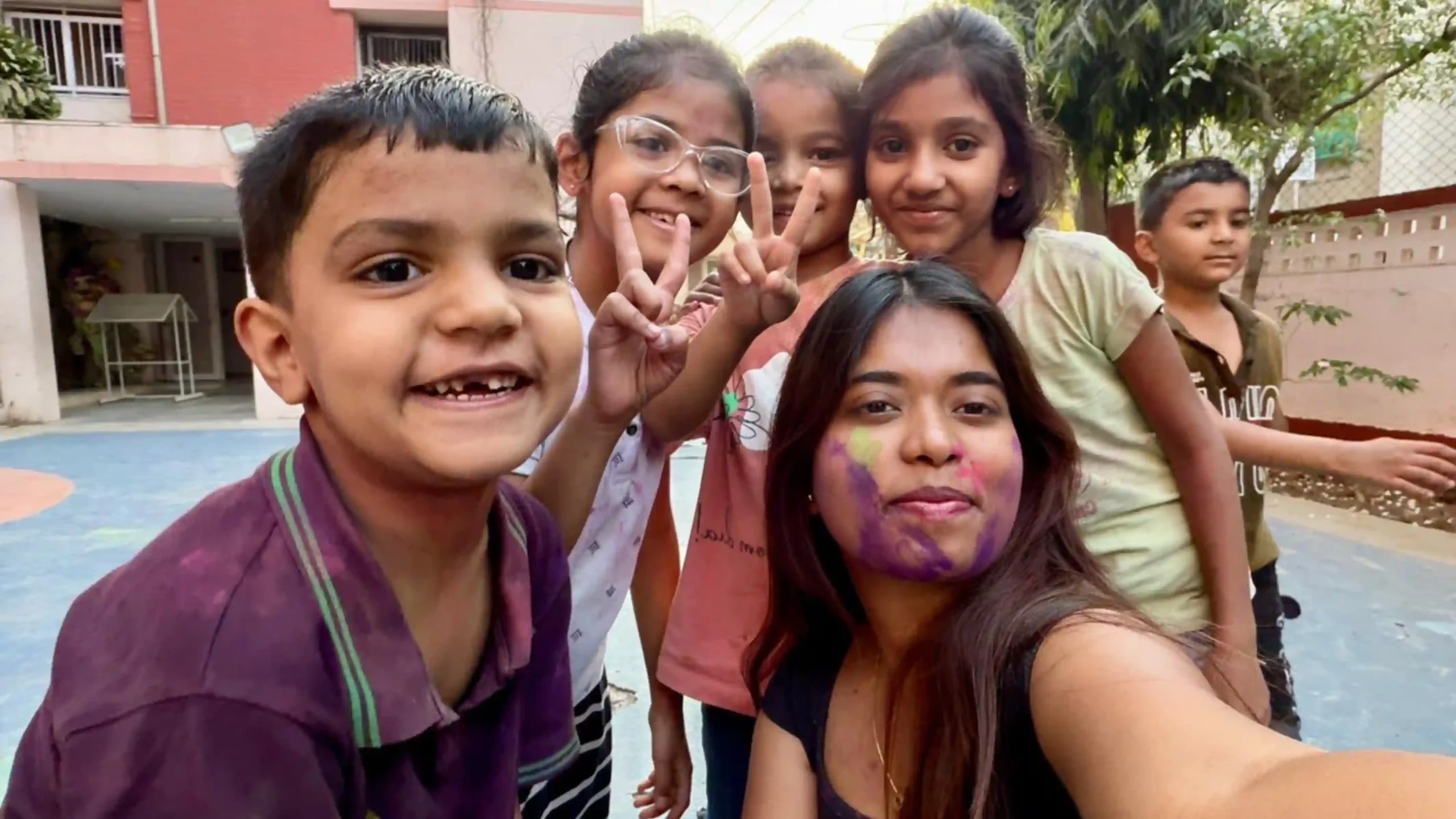
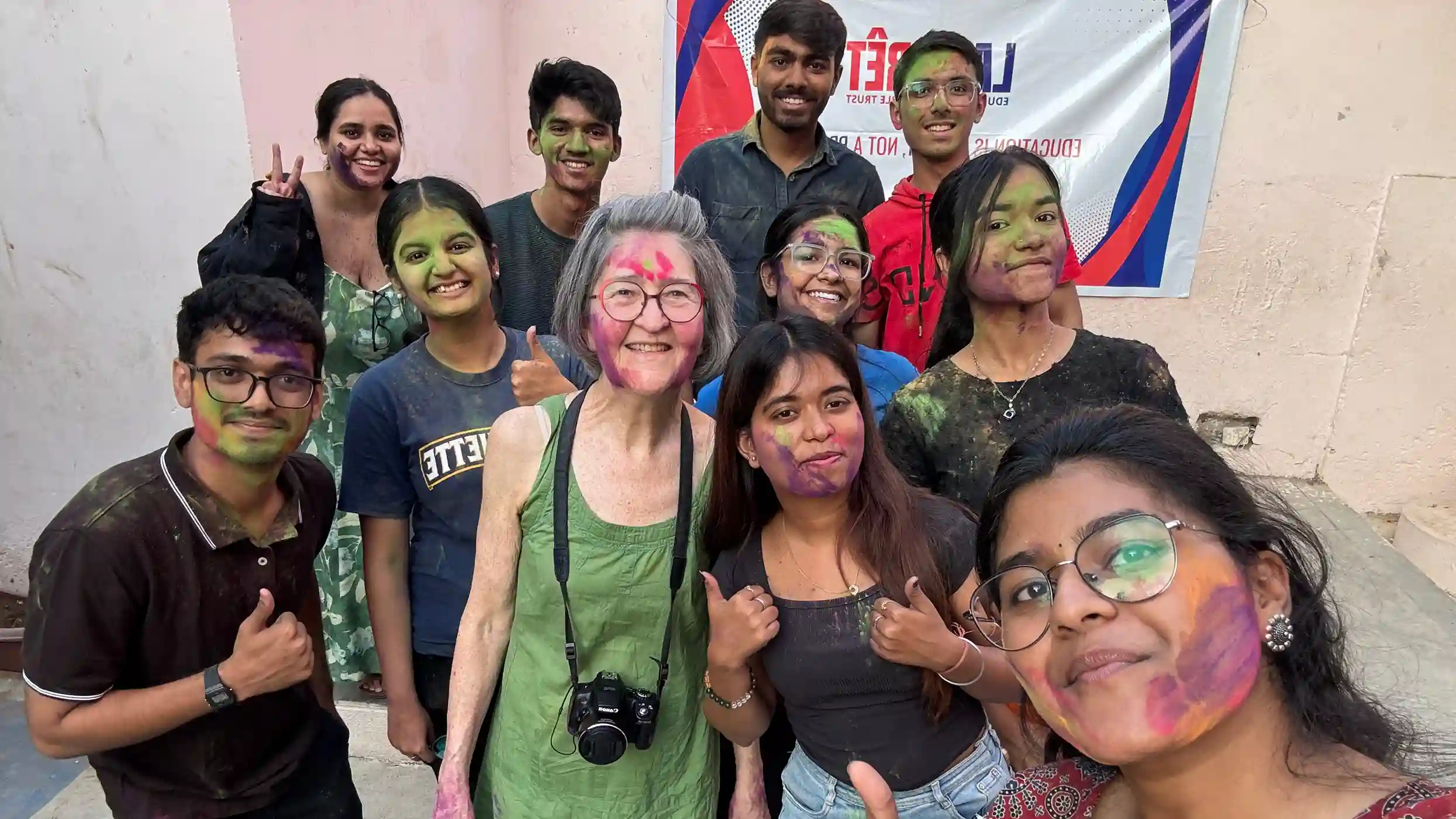
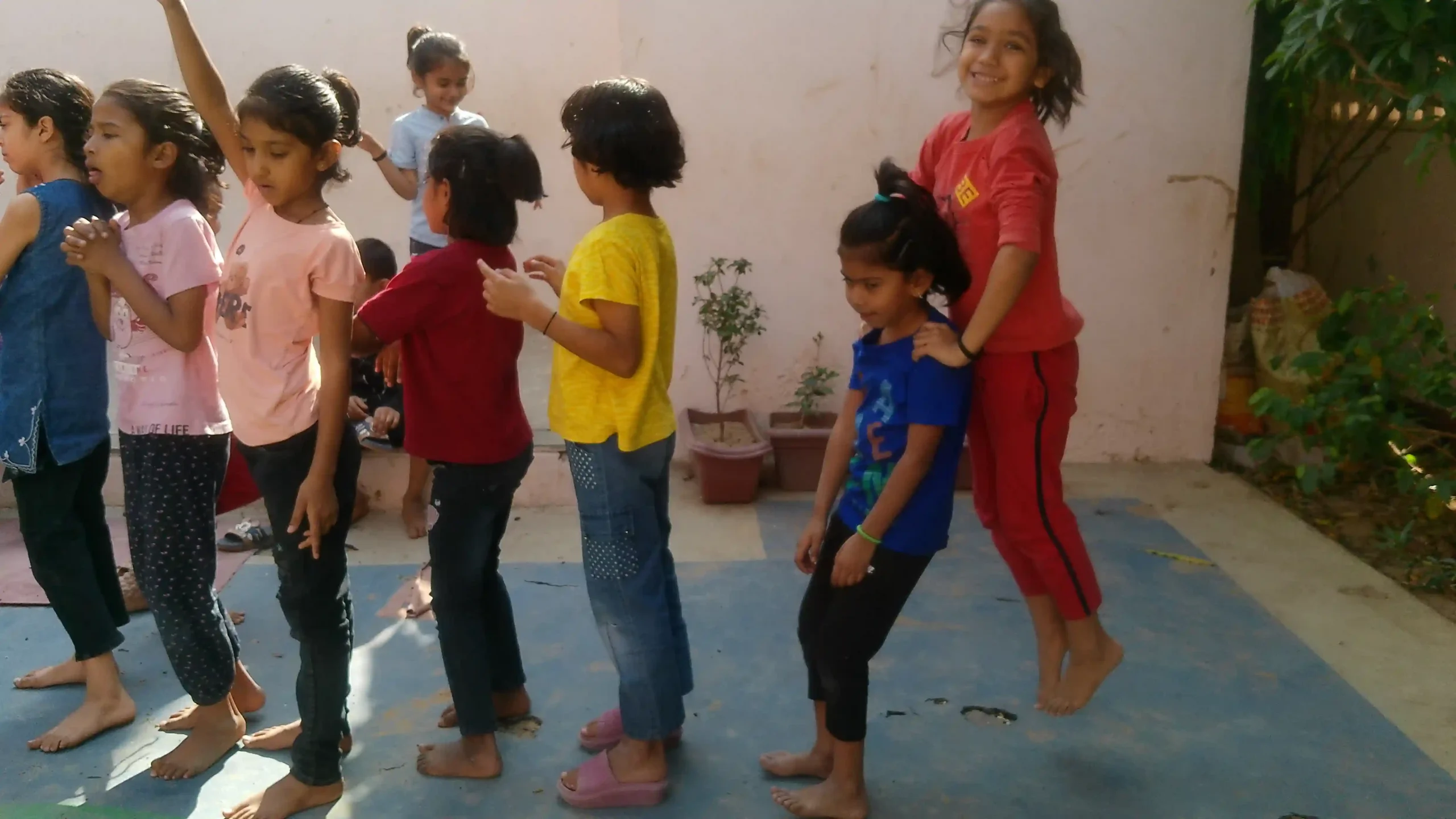
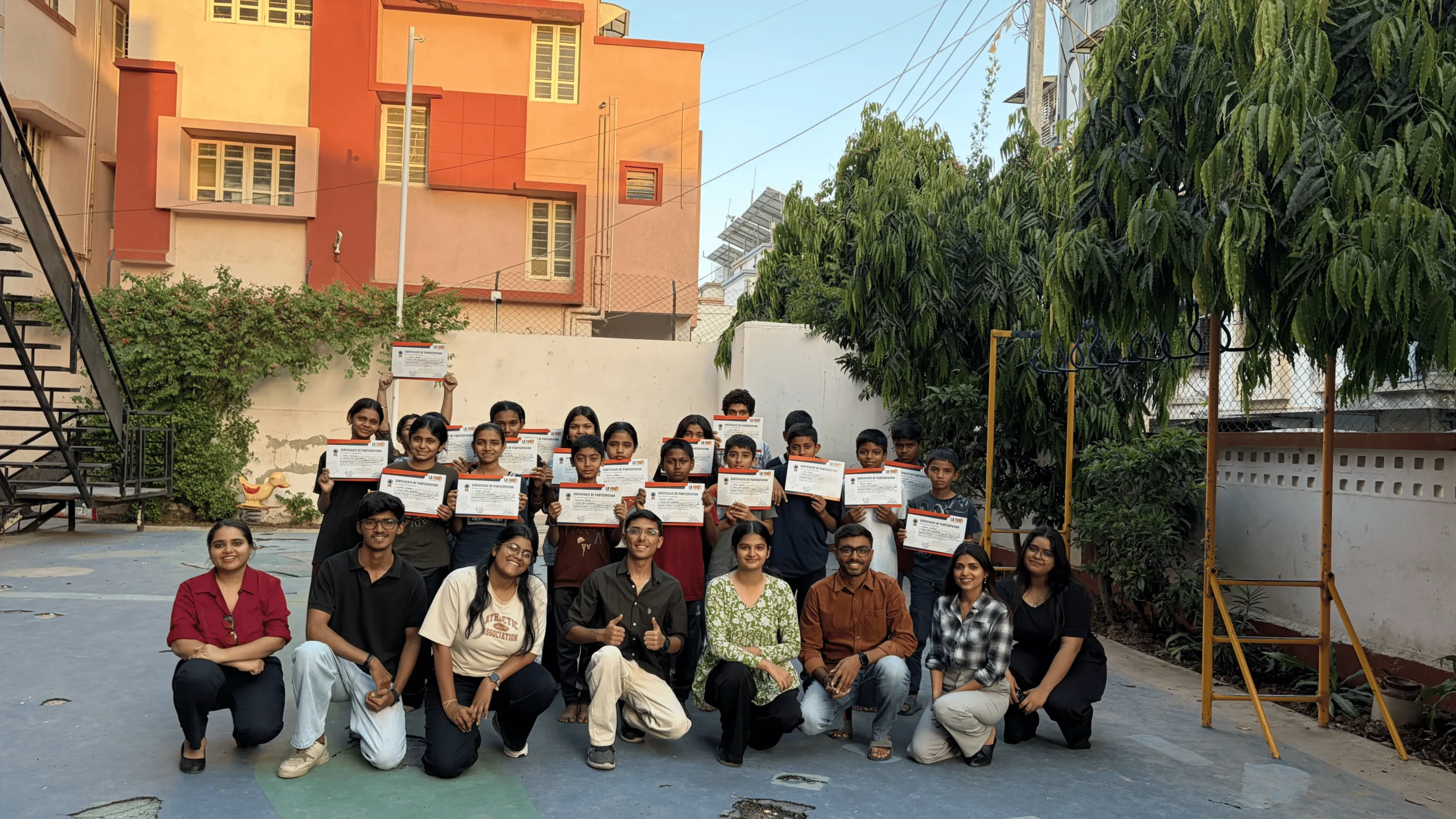
La Forêt Education Charitable Trust works to nurture lives through education, compassion and community service. Its Project Udaan supports underprivileged children through learning, life skills, workshops, mentorship, scholarships, internships, and career guidance.
Its school-kit campaign also supports students with basic learning supplies. Such support matters because a child may have the ability to learn but lack the tools to continue. Giving a student books, guidance, or confidence can help turn potential into opportunity.
CSR Initiatives Improving Rural Schools
CSR stands for Corporate Social Responsibility. In simple terms, it means companies supporting social and community development as part of their responsibility towards society. For rural education, CSR can support infrastructure, libraries, computer labs, smart classrooms, internet access, scholarships, and teacher training.
Some CSR programmes also partner with education organisations or NGOs that understand local needs. These partnerships can bring resources to schools that may otherwise struggle to access them.
CSR is valuable because education needs long-term investment. A single donation can help for a short time, but sustained support can improve an entire school. When companies, schools, NGOs, and communities work together, resources can reach children more effectively.
Examples of Positive Change in Rural Education
Positive change does not always begin with a major project. Sometimes, it starts with simple improvements and consistent support.
- A better-equipped classroom: Adding books, furniture, lighting, and learning materials can make lessons more engaging.
- A local volunteer: Regular tutoring can help children catch up with subjects they find difficult.
- Digital learning support: A shared computer or smart classroom can connect students with wider learning resources.
- Support for girls: Scholarships, safe transport, and family awareness can help girls continue their education.
- La Forêt’s educational initiatives: Through programmes such as Project Udaan and school-kit support, the trust focuses on giving children learning opportunities, guidance, skills, and resources.
These examples show that rural education does not need one single solution. It needs people who notice gaps and choose to act.
Conclusion
Rural education has come a long way, but the journey is far from complete. Poor infrastructure, teacher shortages, poverty, limited digital access, and gender barriers can hold children back. The path forward is clear: working together.
Government bodies, NGOs, CSR teams, teachers, parents, volunteers, and communities all have a role to play. With the right support, rural children can learn, grow, and create better futures. Organisations such as La Forêt Education Charitable Trust continue to support educational growth through learning, skills, and community-focused initiatives.
Frequently Asked Questions
Q: What is the role of NGOs in rural education?
Ans: NGOs can support rural education by providing books, school supplies, scholarships, digital resources, mentoring, and learning programmes. They can also work with communities to improve awareness and encourage school attendance.
La Forêt Education Charitable Trust focuses on education, skill development, and community support through initiatives such as Project Udaan and school-kit support.
Q: What are the major challenges in rural education?
Ans: Major challenges include poor school infrastructure, teacher shortages, poverty, high dropout rates, limited internet access, and gender inequality.
Long travel distances can also make regular attendance difficult for some children. These issues often overlap, making it important to provide financial, educational, technological, and community support together.
Q: How can rural education challenges be solved?
Ans: Rural education can improve through better school facilities, trained teachers, digital learning, scholarships, government schemes, NGO support, and community participation. Parents and local volunteers also have an important role.
Organisations such as La Forêt can support these efforts by providing learning opportunities, resources, mentorship, and skill development for children who need additional support.