Most of us have a meal twice a day. We just have to think about what we would like to have. But we do not really think about where our next meal will come from. But for thousands of underprivileged children across India, that question remains uncertain every day. In India, malnutrition remains a silent, constant crisis.
Do you know what an empty stomach can do? A child cannot focus on studies, they remain low on immunity, it can affect the confidence, growth and overall health. It is really sad that children from vulnerable communities are usually the ones who are affected the most.
However, hope is not lost. We can stop children from being malnourished if we all work together and give them the right support. In this blog we will talk about five practical things we can do to protect underprivileged children from malnutrition and help them build healthier lives.
Understanding Malnutrition Among Underprivileged Children
People misunderstand malnutrition as lack of food. But if we explain malnutrition in simple terms, we can say that it is a problem that happens when a child does not get the right food to eat. And the right food includes vitamins, nutrients and proteins they need to grow and stay healthy.
Many families who are poor do not have money to buy good food. Limited income often means limited food choices. Children who suffer from malnutrition may experience slower growth, weaker immunity, lower energy levels, and difficulties in learning.
At the same time, lack of nutrition awareness, poor access to healthcare, and inadequate sanitation can make the situation worse. This is very sad because it can make children sick and they do not grow properly. If they are always sick, they may have to stay home from school and that can make it hard for them to get a good education and have a good life.
India has done a job in improving child health over the years. However, many children are still malnourished and not able to get the food they need. This is especially true for children who are from economically weaker communities. This is why timely action is so important. Every child deserves to grow and thrive. We can work together to make sure malnutrition should not get in the way.
1. Ensuring Access to Nutritious and Balanced Meals
Importance of Daily Nutrition
A child’s body and brain are constantly growing. Consider it like a sapling. But for the sapling to fully flourish, it needs consistent watering and food. Similarly, children need balanced meals every day to grow strong and stay healthy. Proteins, iron and vitamins aren’t just fancy scientific terms.
They are important for life. They help build bones, muscles and a healthy immune system. It also supports concentration and learning.
There’s a common misconception about healthy food. Many people assume nutritious food must be expensive. But there are many affordable foods that provide essential nutrients like lentils, beans, eggs, milk, fruits, green vegetables, peanuts and millet-based foods. These foods provide proteins, vitamins, iron, and other nutrients needed for healthy development.
When children consistently receive nutritious meals, they are more active, attentive, and energetic. They perform better in school and are less likely to fall sick frequently. Even small improvements in daily nutrition can make a big positive difference in a child’s life.
Role of Community Feeding Programmes
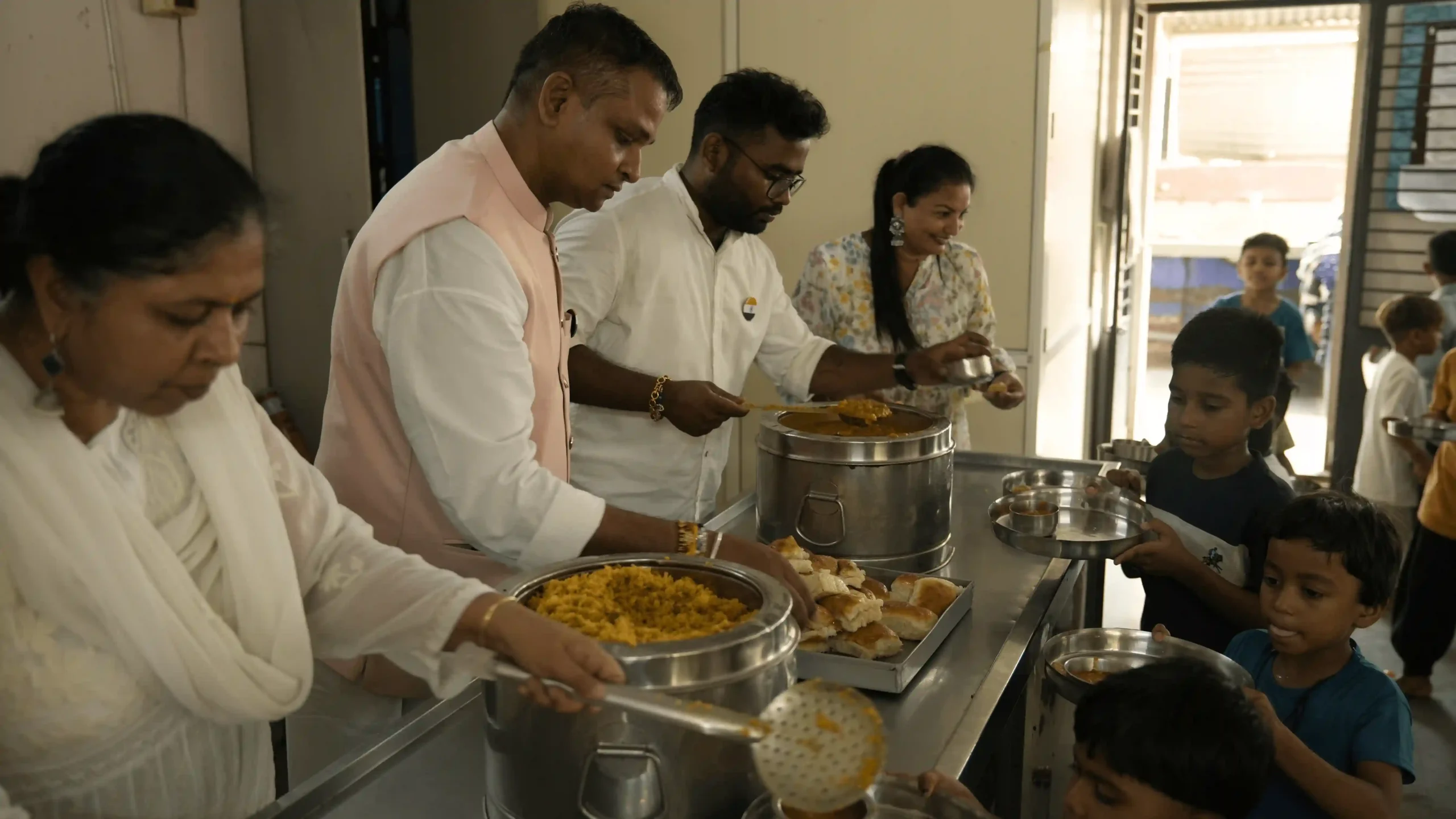
Schools, NGOs, community kitchens, and local groups often work together to provide nutritious food to children who need it most. Programs like the Mid-Day Meal Scheme have helped millions of children go to school and get at least one good meal every day. When a child knows they will get a nutritious meal they will go to school more often and pay attention in class.
So, indirectly they have become a reason to attend school. Similarly, local groups also organize food drives and community kitchens that help families who are struggling.
The beauty of community feeding initiatives lies in their reach. When communities come together, they can support hundreds of children at once. Community Feeding Programs show that when people work together, they can make a difference and make sure that no child is left behind.
2. Promoting Nutrition Awareness Among Parents
Educating Families on Affordable Nutrition
Sometimes, the challenge is not only access to food but also lack of awareness about nutrition. Many families want the best for their children but may not know how to create balanced meals using affordable ingredients. They aren’t aware that local, low-cost options can be just as nutritious as expensive supplements.
It’s time we teach parents how to make meals that’re good for them through simple awareness programmes. For example, adding lentils to meals, including seasonal vegetables, or choosing locally available fruits can help them eat better without spending a lot of money.
Small changes can make a big difference. Replacing packaged snacks with roasted peanuts or homemade healthy alternatives can provide better nutrition for growing children.
We should also remember that this awareness is to help the families and not to make them feel bad. When parents get practical guidance and support, they can make informed choices for their childrens health. This way we can improve dietary quality without adding extra financial pressure to a struggling household.
Importance of Maternal Health and Diet
A child’s health journey truly begins before they are even born.The mothers health is the base of the child’s future. Eating well during pregnancy helps the child grow properly and reduces health problems for both the mother and the child. Now after the child is born, breastfeeding gives the essential nutrients and keeps them immune during the early months of life.
As children get older, mothers usually decide what food they eat. So helping mothers stay healthy has an effect on what children eat. Therefore, supporting maternal health has a direct impact on child nutrition. Community health programmes, nutrition counselling, and maternal support initiatives can help mothers access the information and care they need.
If mothers are healthy, have the right information and access to healthy food, we are helping a whole generation from being the victim of malnutrition.
3. Improving Access to Clean Water and Sanitation
Link Between Hygiene and Nutrition
You might not realize it, but nutrition and hygiene are closely connected. Even when children eat nutritious food, poor sanitation can prevent their bodies from absorbing nutrients properly.
If they drink unsafe drinking water and be in unhygienic surroundings like unclean toilets, they can get sick and have stomach problems. These illnesses can reduce their appetite and cause nutrient loss, making children more likely to be weak and fall sick.
A child can be eating food that’s good for them but if they are always getting sick from the bad water, their body cannot hold onto the goodness of that food. Healthy food alone cannot solve the problem if hygiene challenges remain unaddressed. This is why nutrition programmes must go hand in hand with sanitation efforts.
Community Hygiene Initiatives
Making our communities healthier starts with doing small things like washing our hands before we eat, drinking safe water, and keeping our surroundings clean etc. These habits can really help reduce the number of infections.
Many schools and community groups organize such camps or awareness drives to teach kids and families these healthy practices. Such initiatives often include demonstrations, workshops, and sanitation drives.
Schools also play an important role here by providing kids with clean drinking water and proper sanitation facilities. These small changes can create a healthy learning environment for children. Thus, when communities work together for better hygiene practices, the impact is huge.
4. Strengthening Government and NGO Support Systems
Role of Public Nutrition Schemes
The Government programmes can do a great job helping with child nutrition across India. Initiatives such as ICDS and Anganwadi services provide nutritional support, health checkups, and early childhood care for vulnerable children in remote areas.
These programmes help families with nutritious food, growth assessments and health-related guidance. They also focus on pregnant women and young children, so they can stay healthy from an early age.
One of the biggest strengths of these schemes is accessibility. They bring support directly to communities and families who need it most. If we keep the Anganwadi centers well-stocked and active we can become a lifeline for many children and families.
Contribution of NGOs and Social Organizations
While government initiatives create a strong foundation, NGOs often help bridge the gaps where additional support is needed. Many organisations conduct food distribution drives, nutrition awareness sessions, health camps, and educational programmes.
They work closely with communities to understand what they need and find solutions that work. Some organisations work for child development, help families get the resources and support they need.
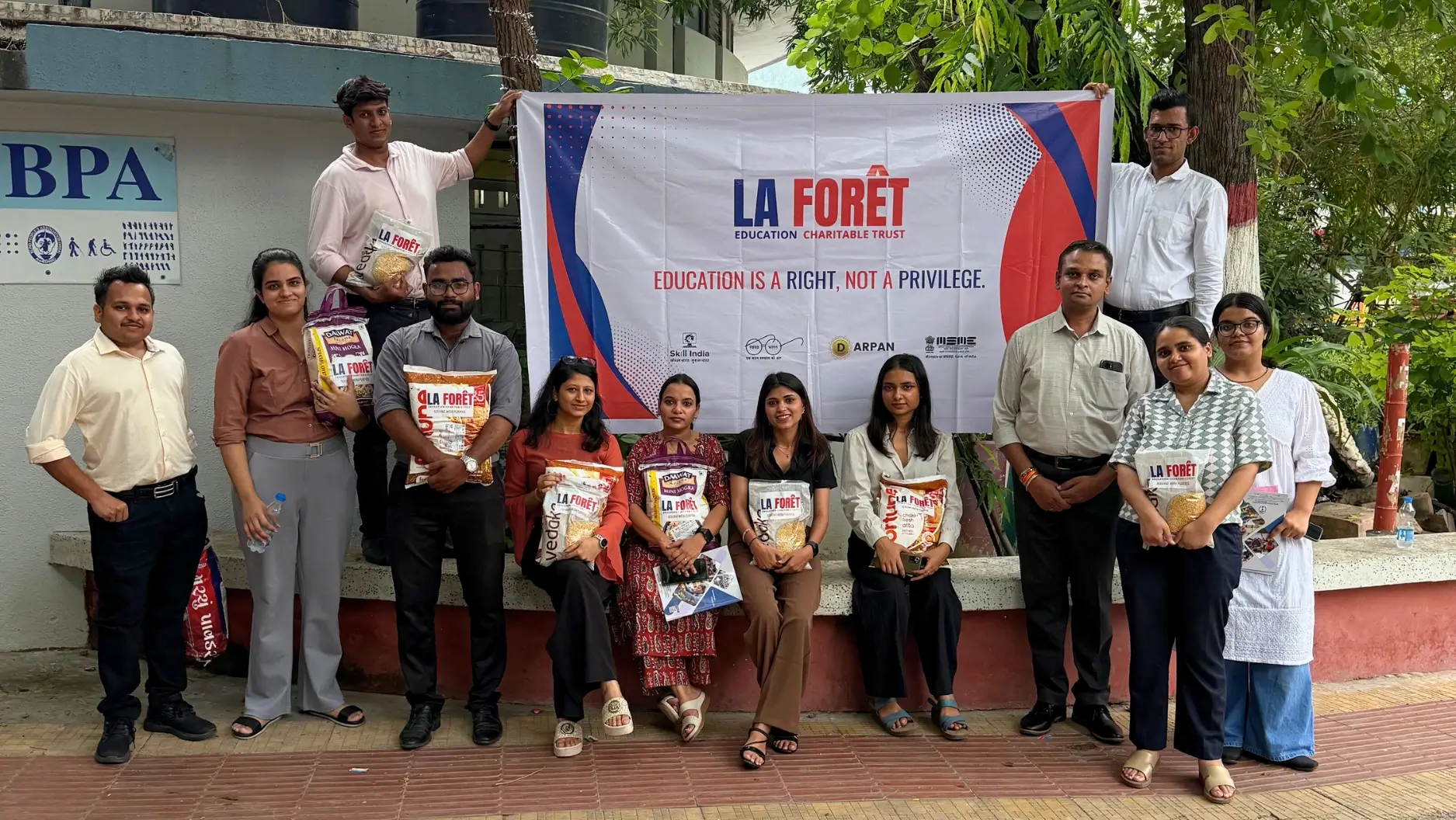
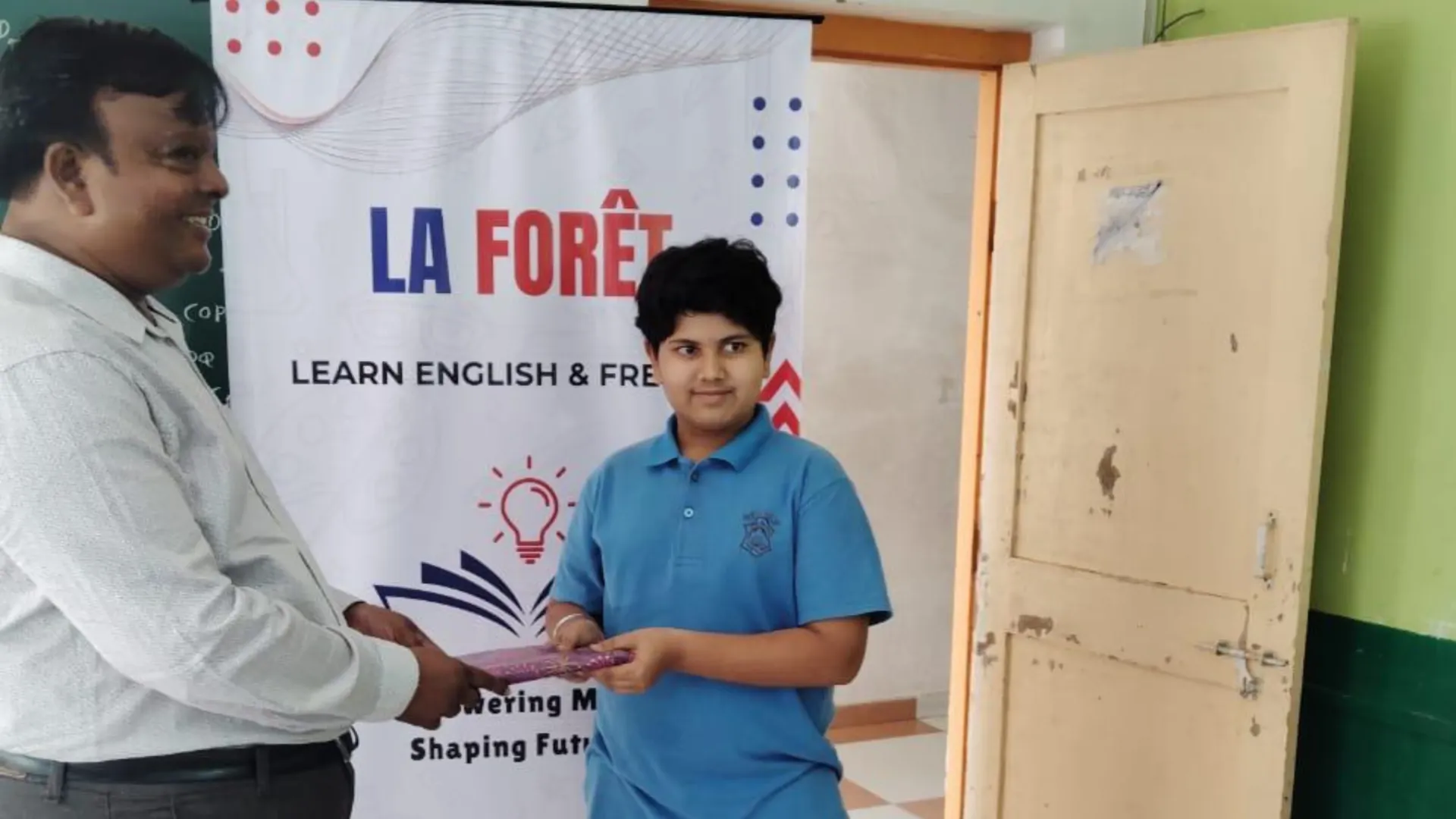
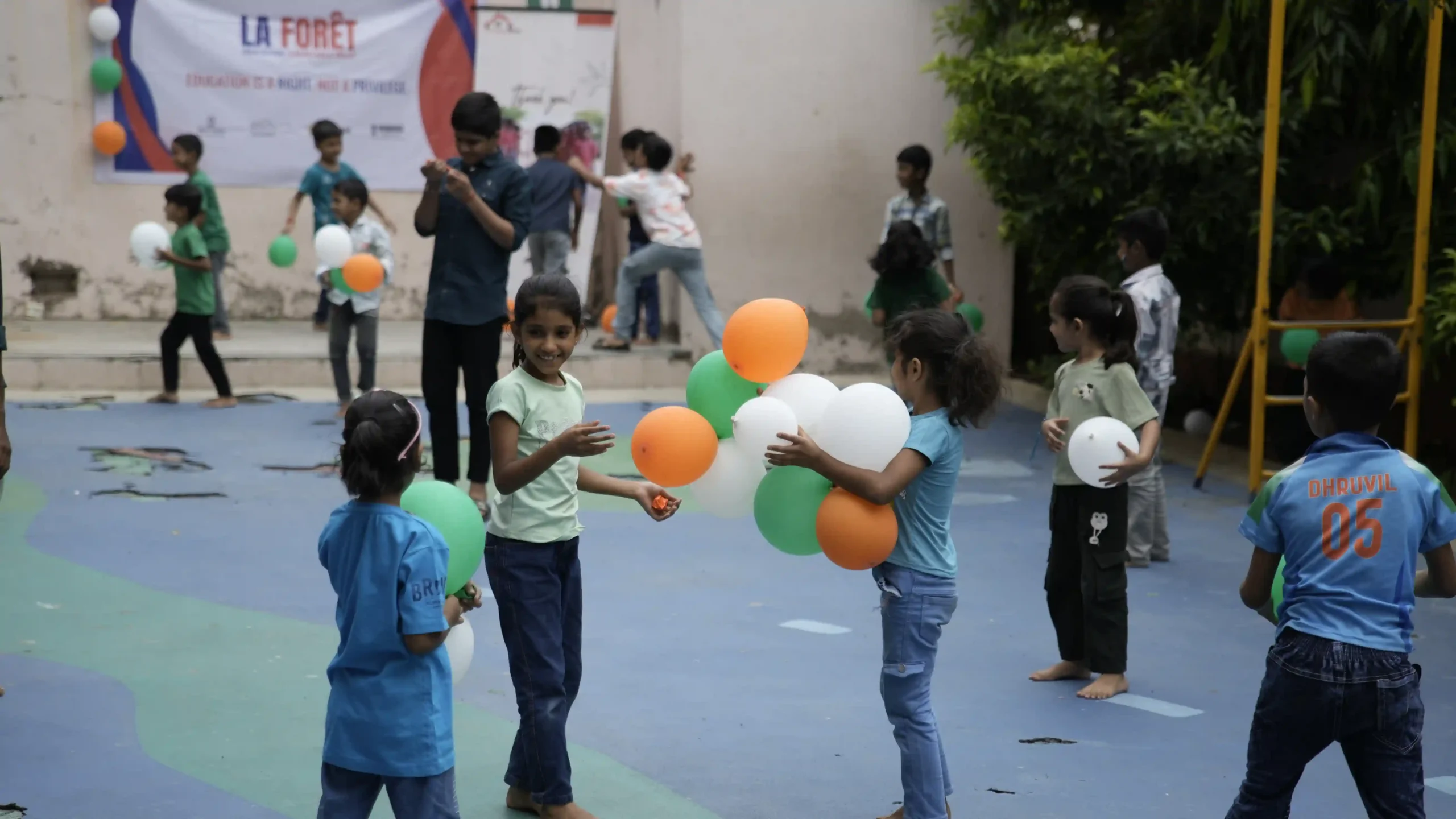
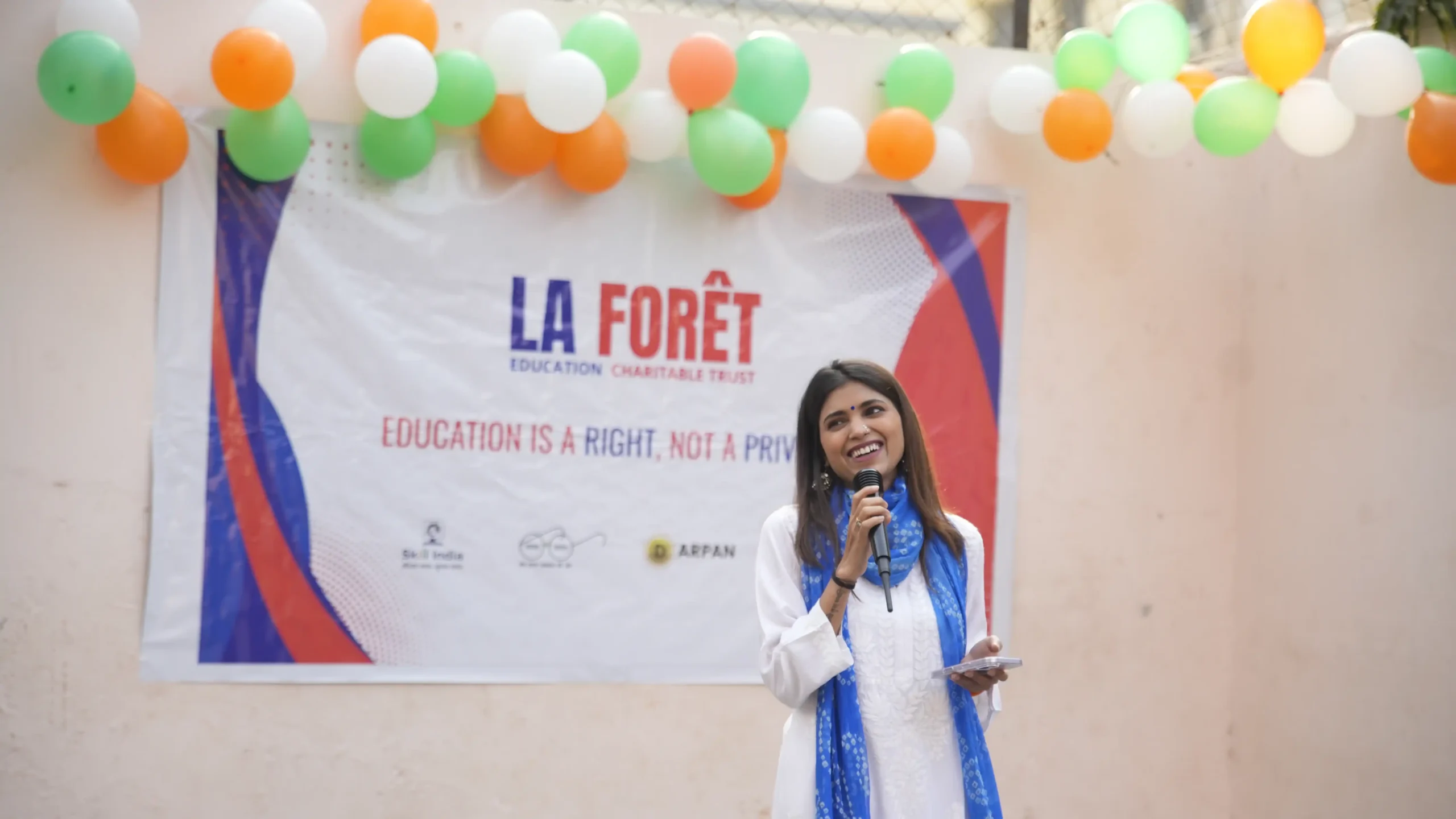
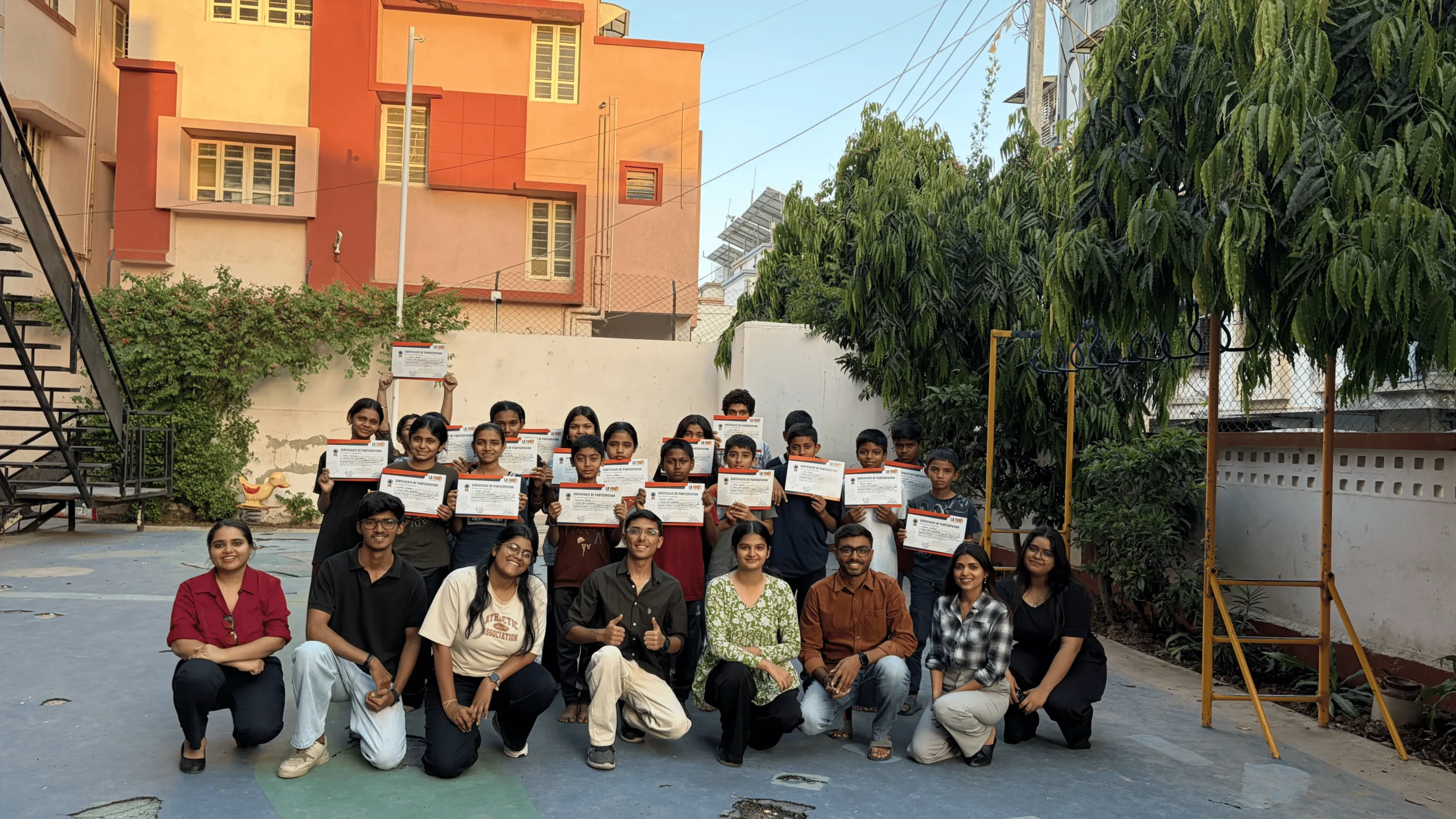
La Forêt Education Charitable Trust is one such community-focused organisation that works towards child development and welfare through meaningful grassroots efforts.
If you want to know more about such initiatives, what they are doing and how they are helping people you can look at the work of the La Forêt Education Charitable Trust. It’s a collective effort of NGOs and community organisations, that helps children receive the care and opportunities they deserve.
5. Encouraging Community Participation and Support
Role of Local Communities
It is not only the job of the government and big organizations to fight malnutrition. Local Communities also have a role to play in making sure children are healthy. Neighbours, schools, local groups, and volunteers can work together to find out which families need help and then connect them with people who can support them.
Efforts like volunteering at a community kitchen, donating surplus food, or simply sharing awareness about healthy eating with neighbors, can build a culture of care. It’s not about grand gestures really. It’s more about neighbors looking out for neighbors. Community-led efforts often create stronger and more sustainable results.
How Individuals Can Make a Difference
Many people want to help but do not know where to start. The truth is you do not need to be an organization to make a difference. Even small things you do can make a difference in child nutrition.
Supporting a local NGO, donating nutritious food or sponsoring educational programmes can make children’s lives better. Spreading awareness on social media can encourage others to get involved and help.
You do not need to give a lot of money to make a change. Small, consistent efforts like donating healthy snacks to a local center or helping a family connect with government schemes can be life-changing. These small efforts add up over time and help stop malnutrition.
If we really want to protect underprivileged children from malnutrition, we have to focus on the five pillars: combination of nutritious meals, nutrition awareness, clean sanitation, strong support systems, and active community participation.
Each of these things is important to help children grow and get stronger. The important thing is that we all have to work together to stop malnutrition.