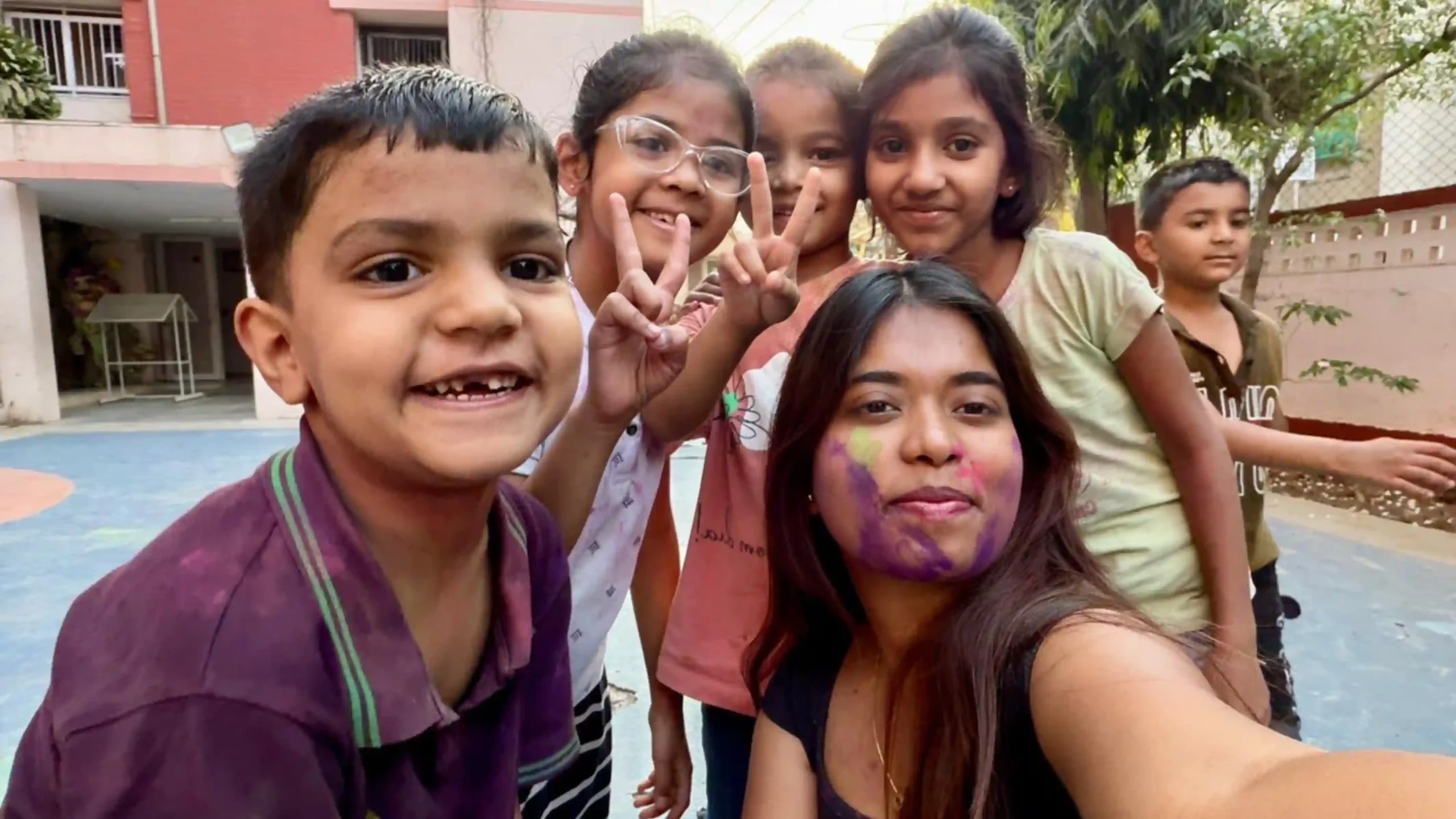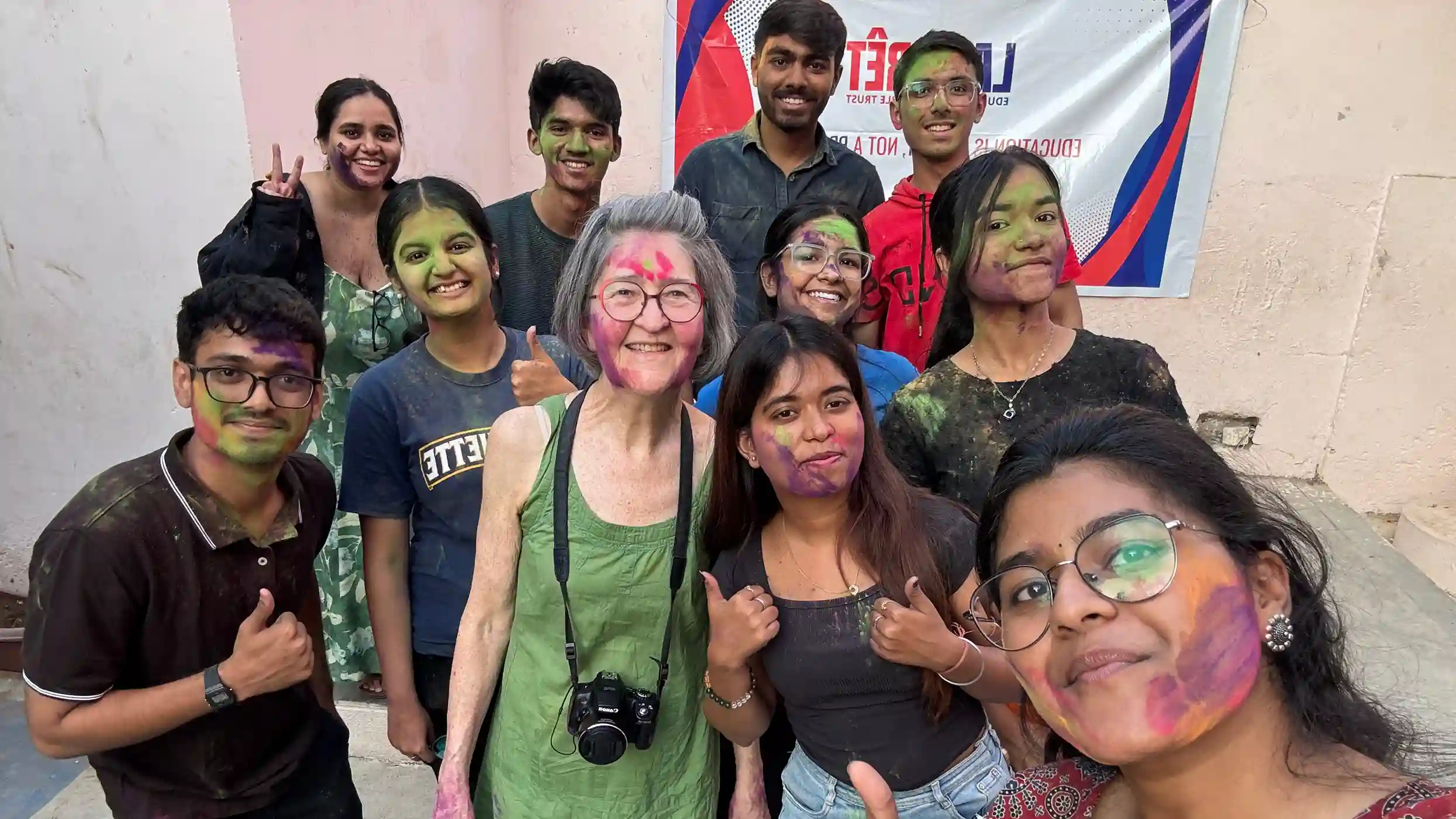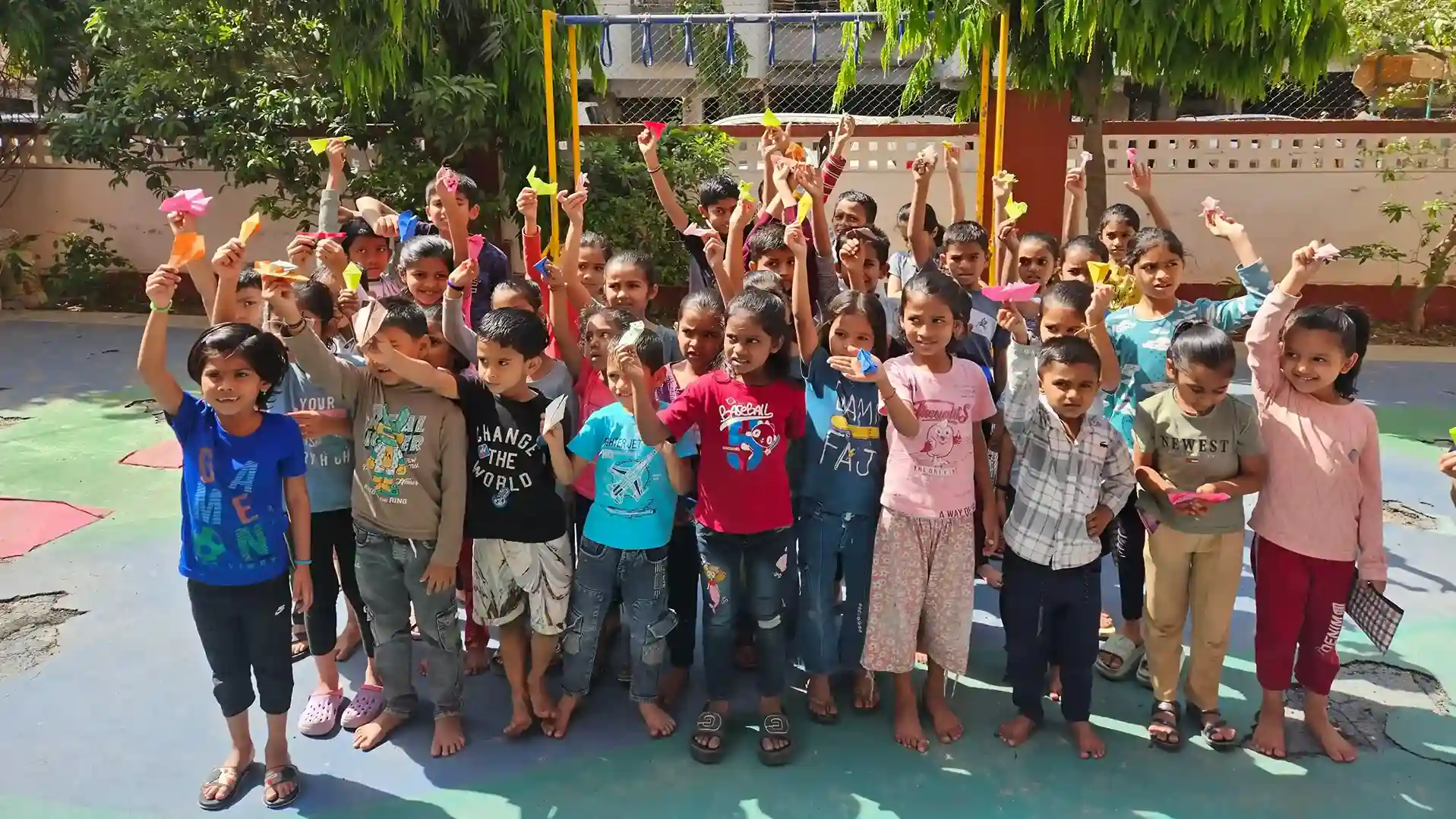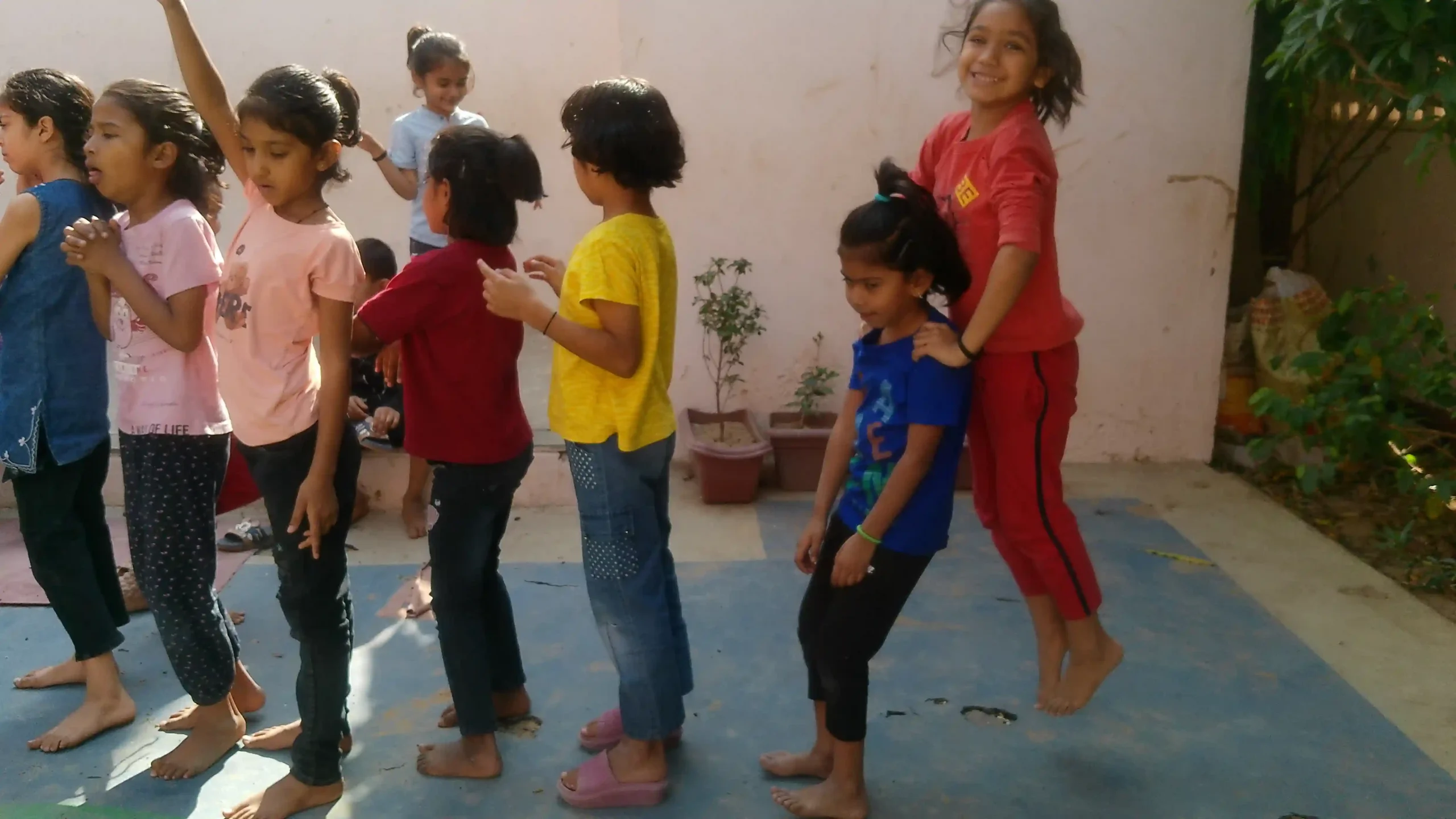
We live in a world of speed, busyness and social media where it becomes so easy to get self-involved. Our modern world suffers from an epidemic of self-serving behaviors. But the cure lies in serving others. We’re all familiar with the saying “it’s better to give than receive”. What might surprise you is that this is actually backed up by research. Studies have shown that acts of service have a profound impact on mind and body which we will understand in this blog.
Helping others not only makes their lives better, but it also helps reduce stress, improve emotional well-being and gives us a sense of purpose. It’s a beautiful ripple effect of positivity and personal growth. Acts of kindness offer incredible emotional, social, and psychological benefits that stay with us forever. Let us explore how simple acts of kindness can change your world, both inside and out.
Why Helping Others Matters in Today’s World?
Life today moves at a fast pace. Everyone seems busy, rushing from one responsibility to another. And sometimes, in the middle of all of this, people start to feel stressed, alone and emotionally exhausted. It is possible that we might see hundreds of people in a day, yet feel alone. Even though we live in a more digitally connected world, lots of individuals still feel disconnected in real life. In fact, research suggests that nearly one in four people feel socially isolated at times. When we reach out to help someone, we break down these walls of isolation and create human connection. This is exactly why kindness is more valuable today than it has ever been before.
A simple gesture of care can make someone’s bad day better. And it can be as simple as helping a neighbor with groceries or supporting a fellow colleague. These moments stay with them for a long time and remind them that they are not alone. Now how would you feel when someone helped you unexpectedly? It simply creates a warm feeling in our hearts, doesn’t it?
With loneliness becoming increasingly common these days, there’s an interesting fact here. Research shows that people who volunteer regularly report lower levels of loneliness and higher levels of happiness. This means that we may even live longer and happier. So, when we lift others, we often find ourselves rising too.
The Science Behind Kindness and Happiness
You might know the emotional benefit behind a kind act but there is something more it. Science says that helping others activates the brain’s reward centers, releasing what scientists call “the fantastic four” hormones. Let’s understand them and what do they do:
- Endorphins: The warm feeling you get after helping someone is called the “helper’s high.” It creates feelings of euphoria and reduces pain.
- Dopamine: Also referred to as a pleasure chemical or the “feel-good” hormone that increases motivation and enhances mood.
- Oxytocin: Often termed as the “love hormone” strengthens social connections and builds trust.
- Serotonin: Known as the “natural mood booster” is responsible for emotional balance, self-esteem, and a sense of accomplishment.
Together, these four hormones reduce stress, improve emotional well-being and even strengthen social bonds. And the benefits don’t stop there. It also helps improve your physical health and longevity. So, when people say kindness makes you happier, it’s not just a nice thought, it’s actually backed by science.
How Helping Others Improves Mental and Emotional Health
Now you know that your brain is wired to feel good when you help others. But how does it help us emotionally and mentally? When we support someone, we practice empathy. Empathy is a key component of serving others. By putting yourself in someone else’s shoes, you better understand their needs and how you can help them. It allows you to connect with others on a deeper level, creating a sense of compassion and developing emotional awareness.
When we focus only on our own problems, those problems can start to feel overwhelming. But when we step outside ourselves and help someone else, our perspective shifts. For example, volunteering to teach a child, helping a neighbor, or simply listening to a friend will make you realize how fortunate you have been. You will feel more grateful for what you have and suddenly, the problems that once felt overwhelming will begin to look smaller.
Also, it is difficult to stay focused on our own little dramas when we’re helping others. Thus, it helps break the cycle of negative thinking. Instead of getting stuck in a loop of worry, our attention moves towards someone else’s needs. It gives our minds a productive task and a reason to feel proud. So, we can call it a healthy distraction. Many people who volunteer regularly say it improves their emotional health. They feel more positive, more connected, and less alone. Helping others reminds us that we are a part of something meaningful and that realization alone is enough to make you feel happy and proud.
Unexpected Ways Helping Others Can Shape Your Personality
As the famous quote says, “The best way to find yourself is to lose yourself in the service of others.” These moments of service act as a mirror, showing us who we really are and what we truly value. It’s an important part of what we like to call “self-discovery mode” where you get to know your purpose, core values, strengths, passion etc.
When you step into situations where someone needs help, you naturally develop qualities like patience, empathy, and confidence. Many people also discover strengths they didn’t even know they had. For example, someone who once felt shy may find themselves confidently guiding children during a volunteer program. We once met a student who started tutoring to help a friend. She eventually realised she loved teaching and decided to make it her career. Thus, many people discover their true calling while they are busy serving others.
Every time you help, you are essentially practising being a better version of yourself. There’s a beautiful quote that says, “No act of kindness, no matter how small, is ever wasted.” And often, the kindness you give others becomes the very reason that helps you grow into a stronger, more compassionate person.
Helping Others in Small Yet Powerful Ways
Now you might think that you need a lot of money or a lot of time to make a big impact. But let us tell you that you do not need to do big things to make a big impact. Often, the smallest gestures are the ones that people remember the most. Here are some simple ways to start changing lives today:
- Listen carefully when someone needs to talk
• Mentor or guide a student who needs support
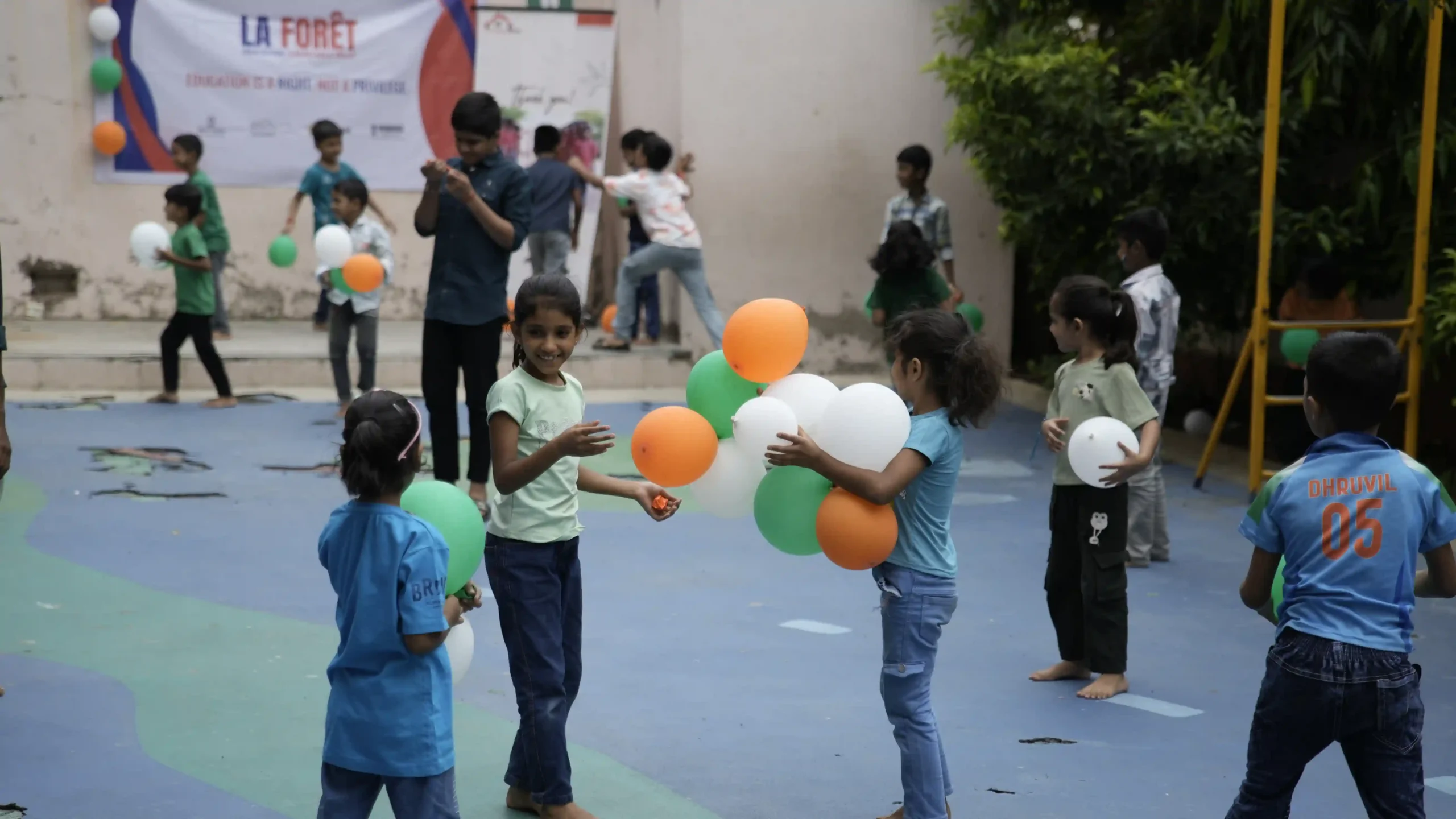
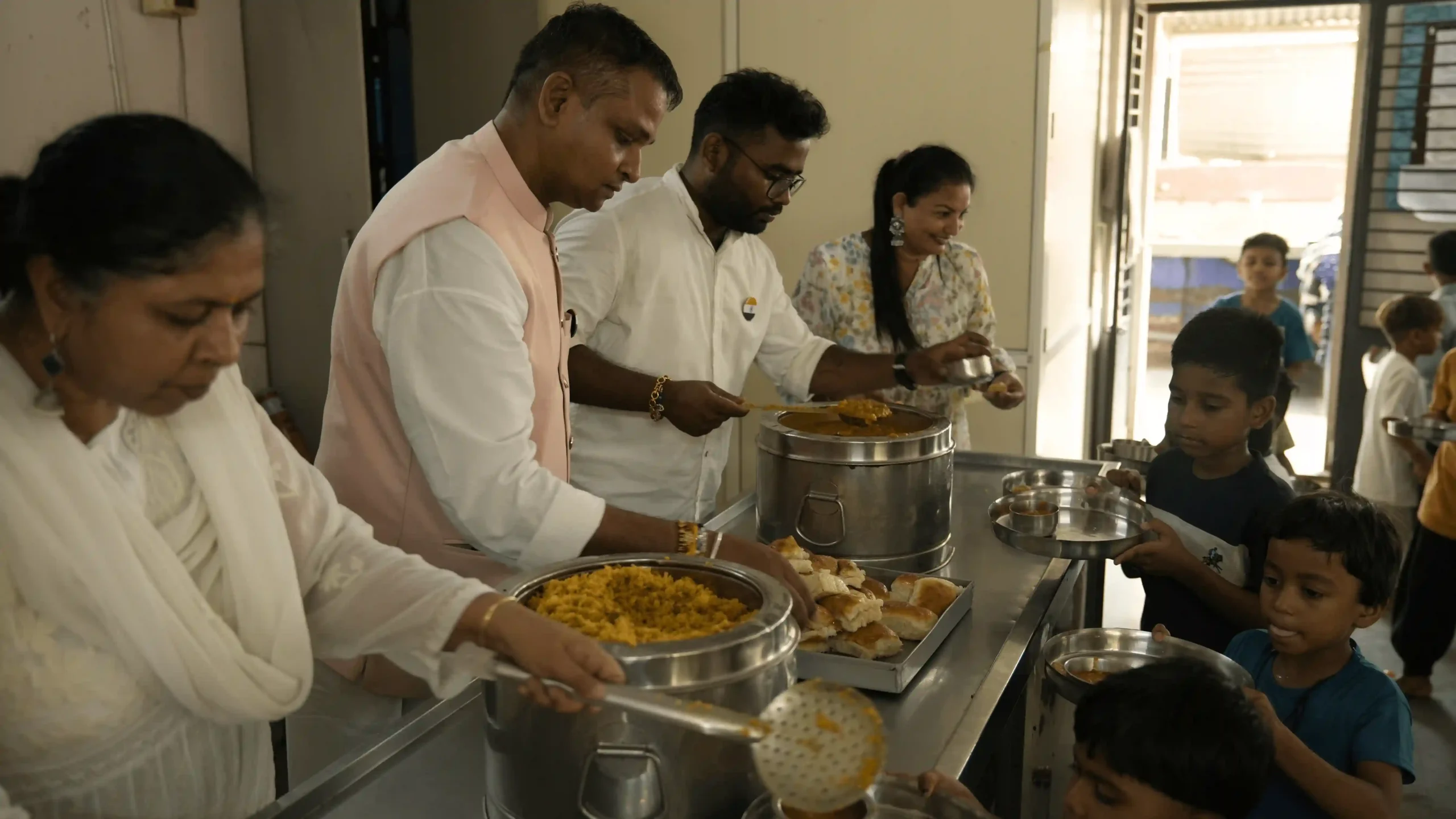
• Volunteer a few hours for a community project
• Donate books, clothes, or learning materials
• Offer encouragement to someone going through a tough time
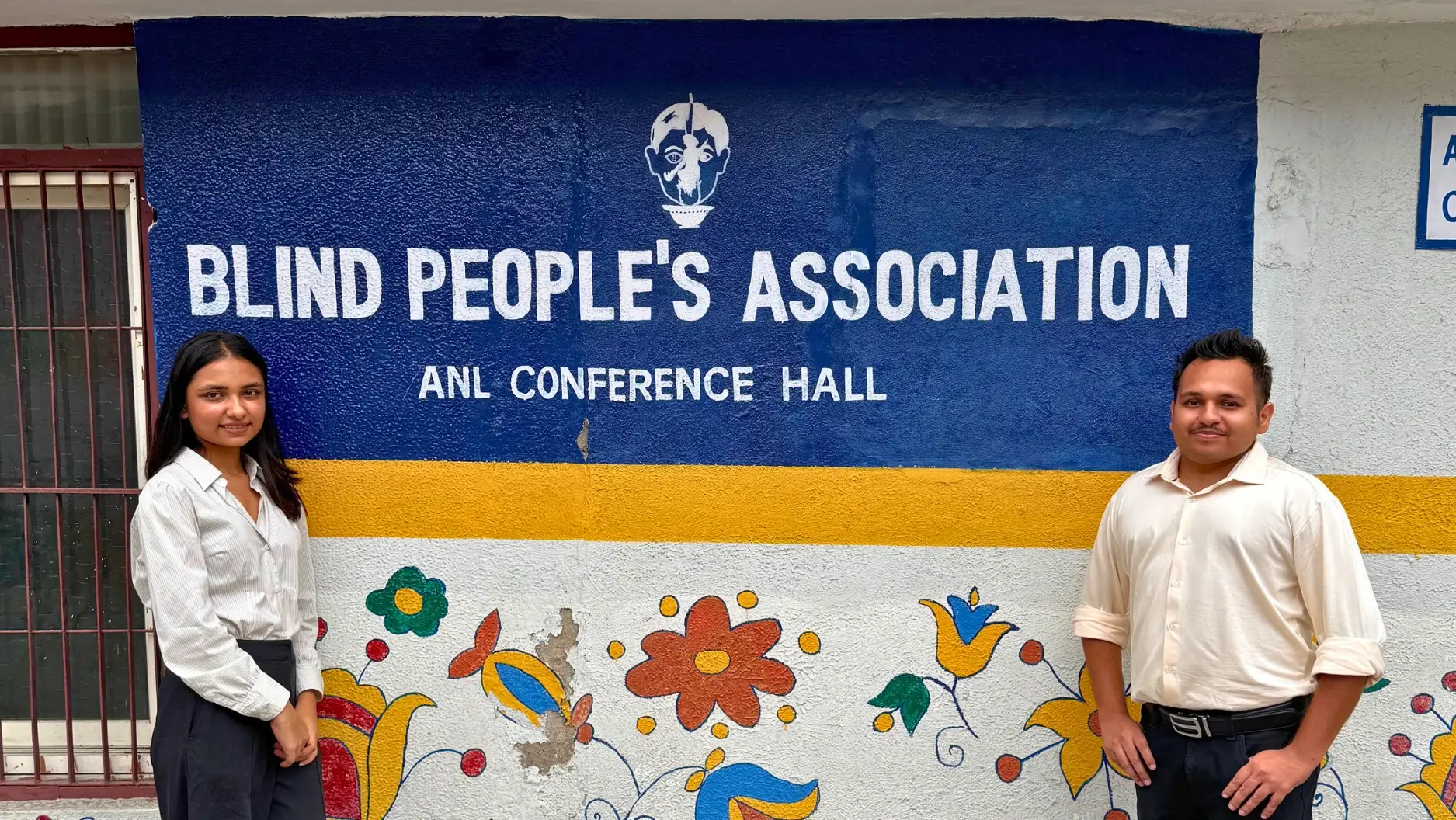
• Support educational or social initiatives in your community
• Share your skills with someone who wants to learn
You don’t need to change the whole world in a day. Remember, a drop of water can start a wave. Your small act of kindness might be exactly what someone else needs to keep going.
Can Helping Others Give Life Purpose and Direction?
Many people spend years searching for a sense of purpose. Surprisingly, that purpose often appears when we begin focusing on others rather than ourselves. Did we not share the story of a girl who began by helping a friend, found her true calling was teaching, and decided to become a teacher? That’s the power of selfless acts. It gives your life a deep sense of meaning. We stop wondering why we are here and start seeing the impact we have.
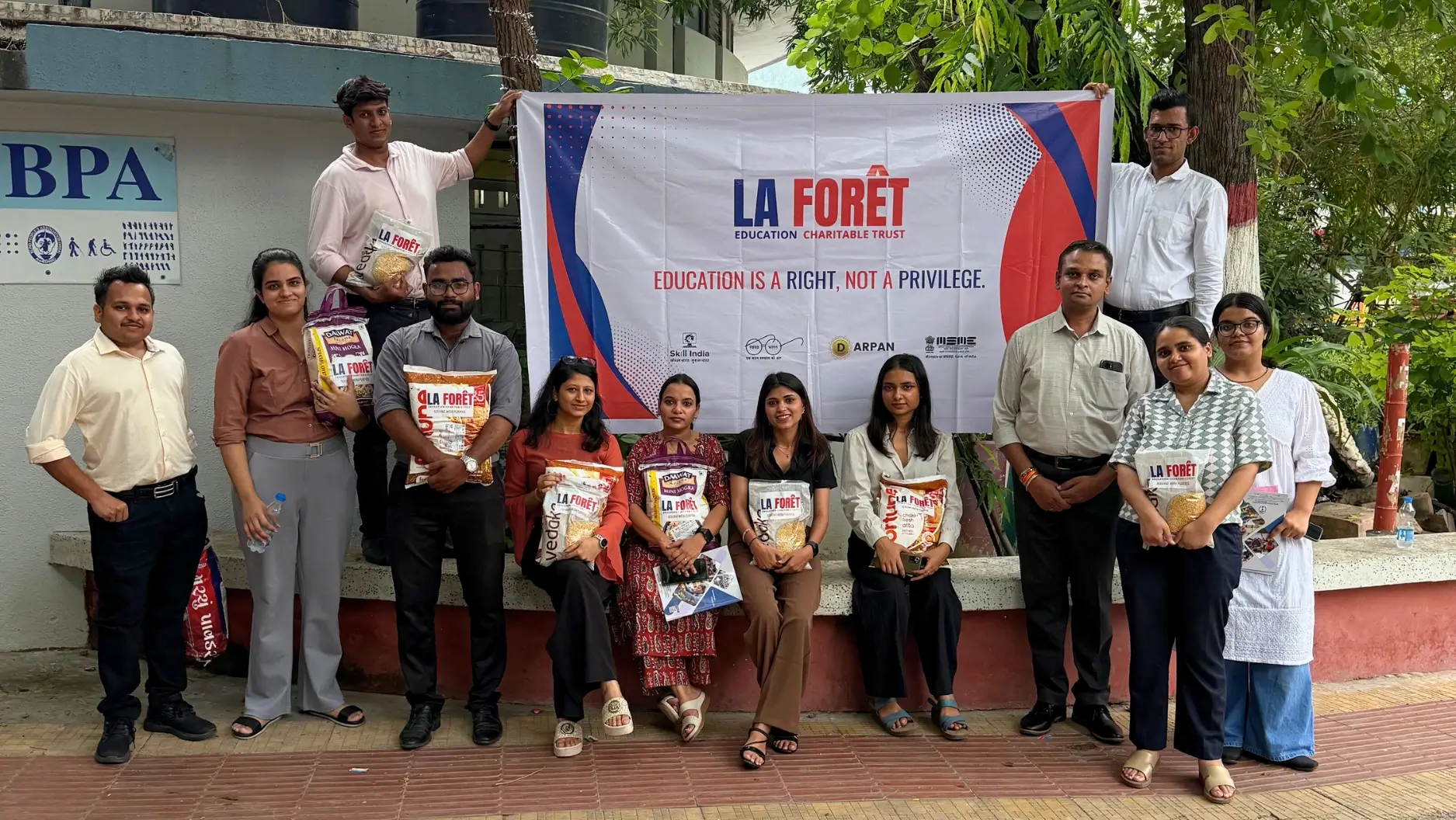
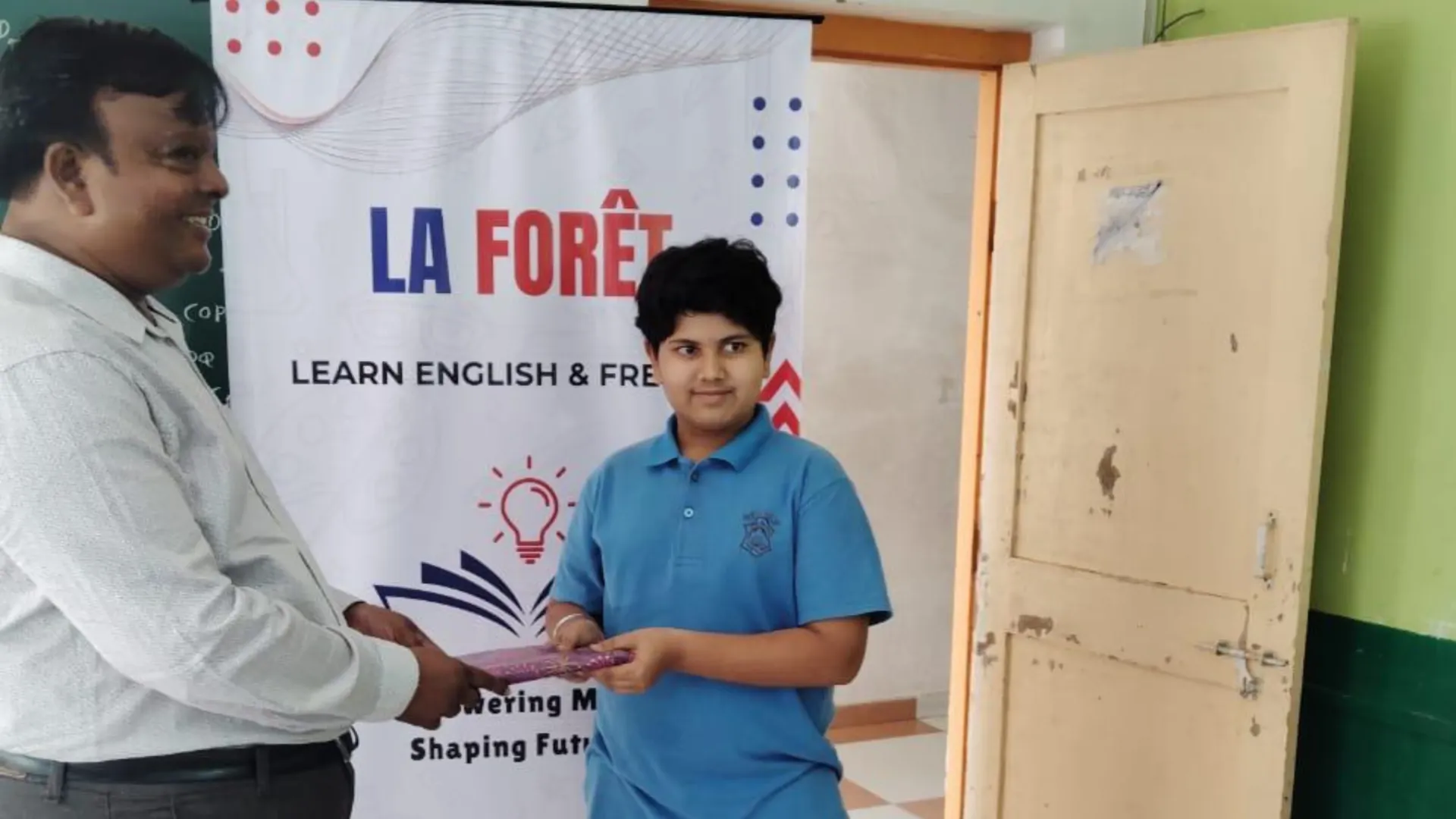
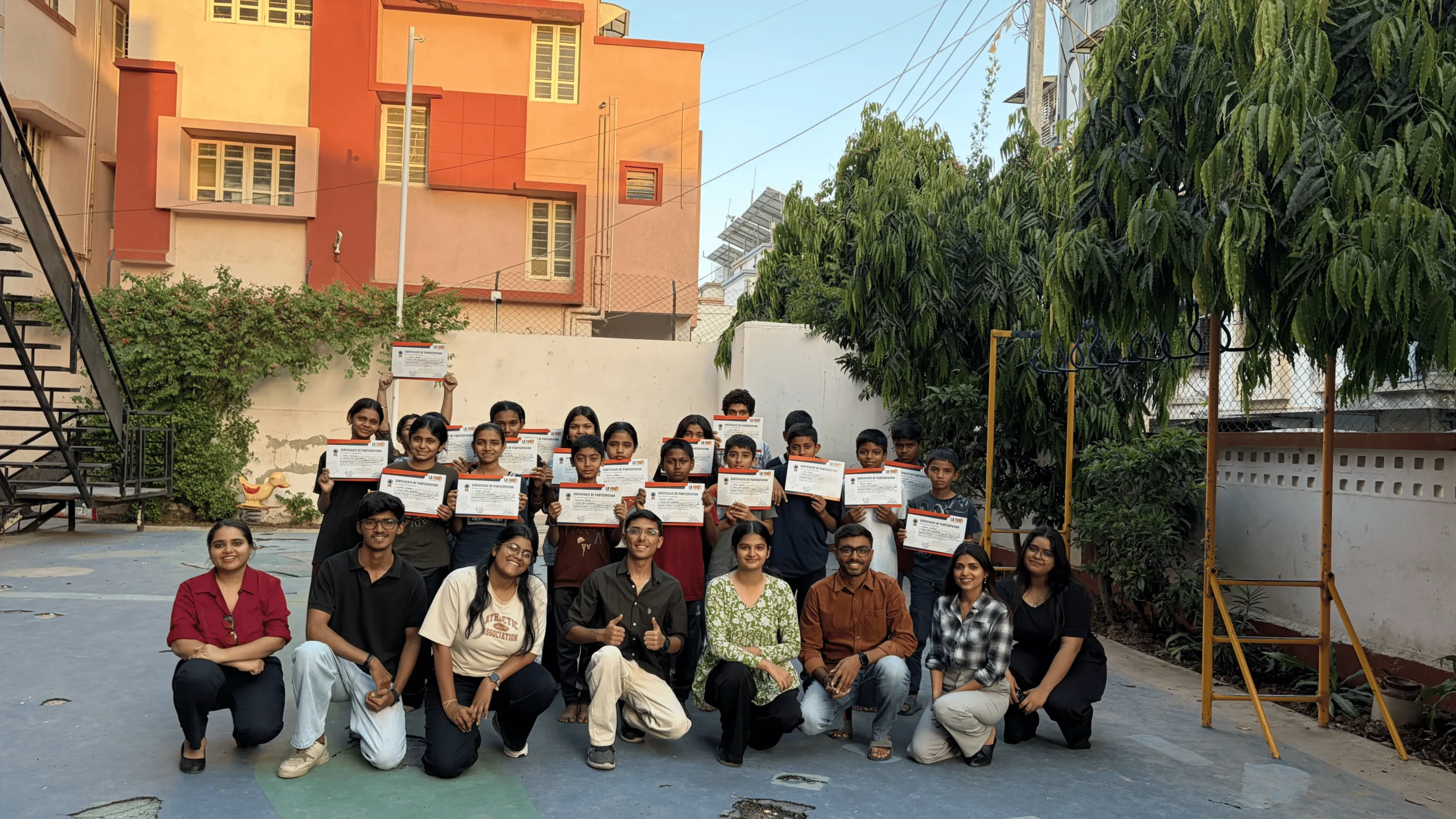
Organisations like the La Forêt Educational Charitable Trust embody this spirit of giving. By focusing on education and community support, we provide a platform for people to grow and thrive. When you align yourself with such causes, you find a direction that goes beyond personal gain. You become part of a legacy of hope. When individuals contribute their time or resources to such efforts, they become part of a larger movement of positive change. It transforms “having a job” into “having a mission.”
Ways to Stay Consistent in Helping Others
Kindness shouldn’t just be a one-time act. It is a habit that you can build over time. To stay consistent, try making small acts of kindness part of your daily routine. Like check in on a friend regularly or participate in community activities when you can. You could also set a goal to perform one small act of kindness every single morning. It could be as simple as holding the door open for a stranger or leaving a positive comment online.
Another way to stay involved is by joining a group or a volunteer programme. Even just a few hours of volunteering each month can make a difference. When you help alongside others, you build friendships that keep you motivated. Mentoring students, supporting educational programs, or joining social initiatives can help you stay connected with the spirit of giving. Another simple way is to reflect daily. Ask yourself: Did I put a smile on someone’s face today? Even the smallest effort counts. Because in the end, kindness is all about consistency. As the saying goes, “Kindness is not an act, it’s a habit.”
Helping others doesn’t just improve someone else’s life, but it transforms yours as well. It builds connection, reduces stress and strengthens emotional well-being. It opens your heart, clears your mind, and gives you a beautiful reason to wake up every day. So, why not take one small step today? Reach out, give back, and watch how your own life begins to bloom in unexpected ways.