Since the birth of AI it has been changing how children learn. From explaining difficult topics to supporting creative activities, AI offers new ways to make education more accessible. It can also help children practise skills and organise their ideas. But using AI requires care.
There are some precautions that have to be taken when using AI technology for education purposes. Like technology should be age appropriate, supervised by adults and there have to be clear safety rules. The primary purpose of the AI is to support their curiosity and learning. Let’s see how AI can do that.
Ways AI Can Support Children’s Learning
AI can do more than answer questions. When children use it thoughtfully, it can support different parts of their learning journey. Here are seven ways AI can help in modern education.
1. Personalise Learning to Suit Each Child’s Needs
Every child learns and understands at a different pace. Some may grasp a topic quickly, while others need simpler explanations or more examples. AI tools can adjust explanations and content difficulty based on a child’s requests and responses. For example, a child struggling with fractions could ask for a simpler explanation. They could also explore the same topic through everyday examples.
Children can revisit difficult topics without feeling rushed. They can also explore additional information when they feel ready for more. However, AI cannot always understand why a child is struggling or every child’s specific learning style.
It may also misunderstand their needs or provide unsuitable explanations. Therefore, parents and teachers should help children choose appropriate content. AI can make learning more flexible, but it should not decide a child’s learning needs on its own.
2. Provide Additional Tutoring and Practice
Sometimes, a child understands a lesson in class but needs more practice at home. AI can offer extra explanations, helpful examples, practice questions, and instant feedback. This additional support helps them reinforce what they have learned. For example, after a lesson on multiplication, a child could ask AI for a few practice questions. If the concept feels confusing, they could also request another example.
AI tools can provide feedback and explain possible mistakes. This gives children another opportunity to review a topic. But if AI explanations ever feel unclear or confusing, children should always speak to their teachers or parents. Adults can help check the explanation, clear up misunderstandings and make sure that young learners stay on the right track. Because extra practice works best when it is paired with human guidance.
3. Make Learning More Accessible for Children With Different Needs
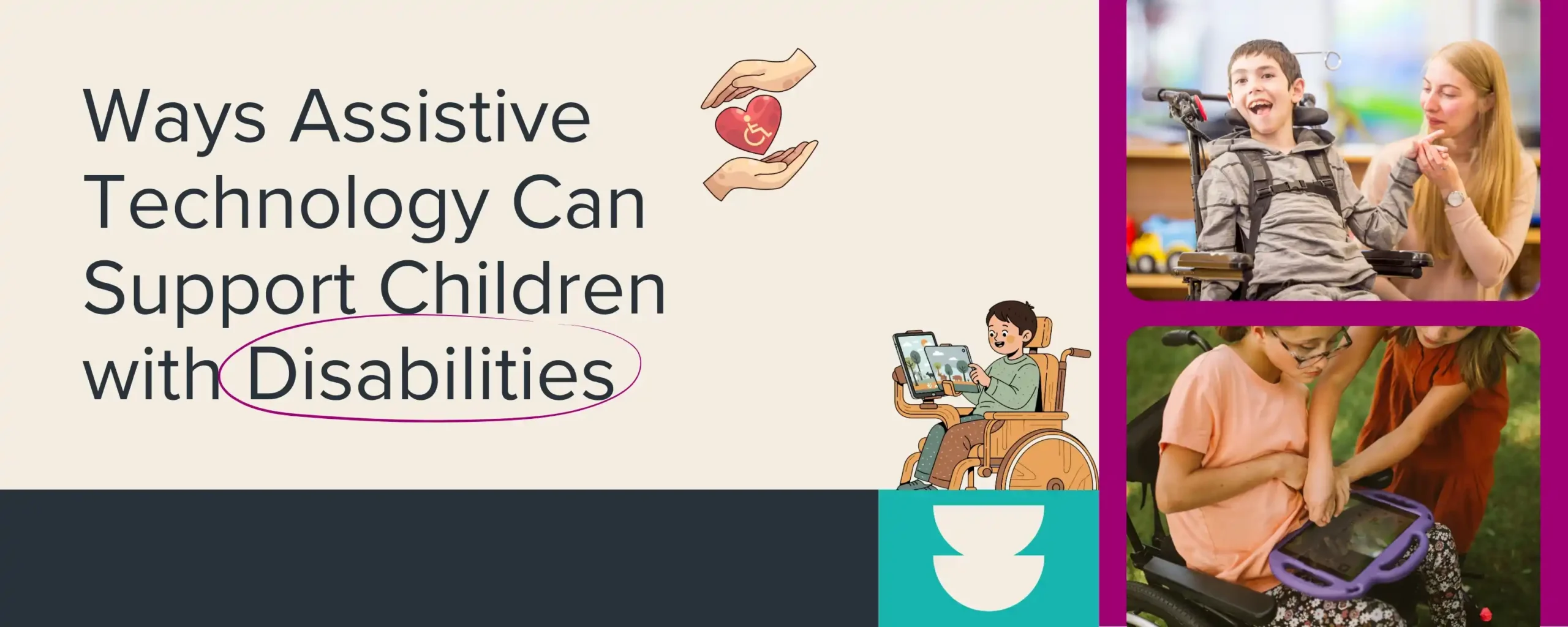
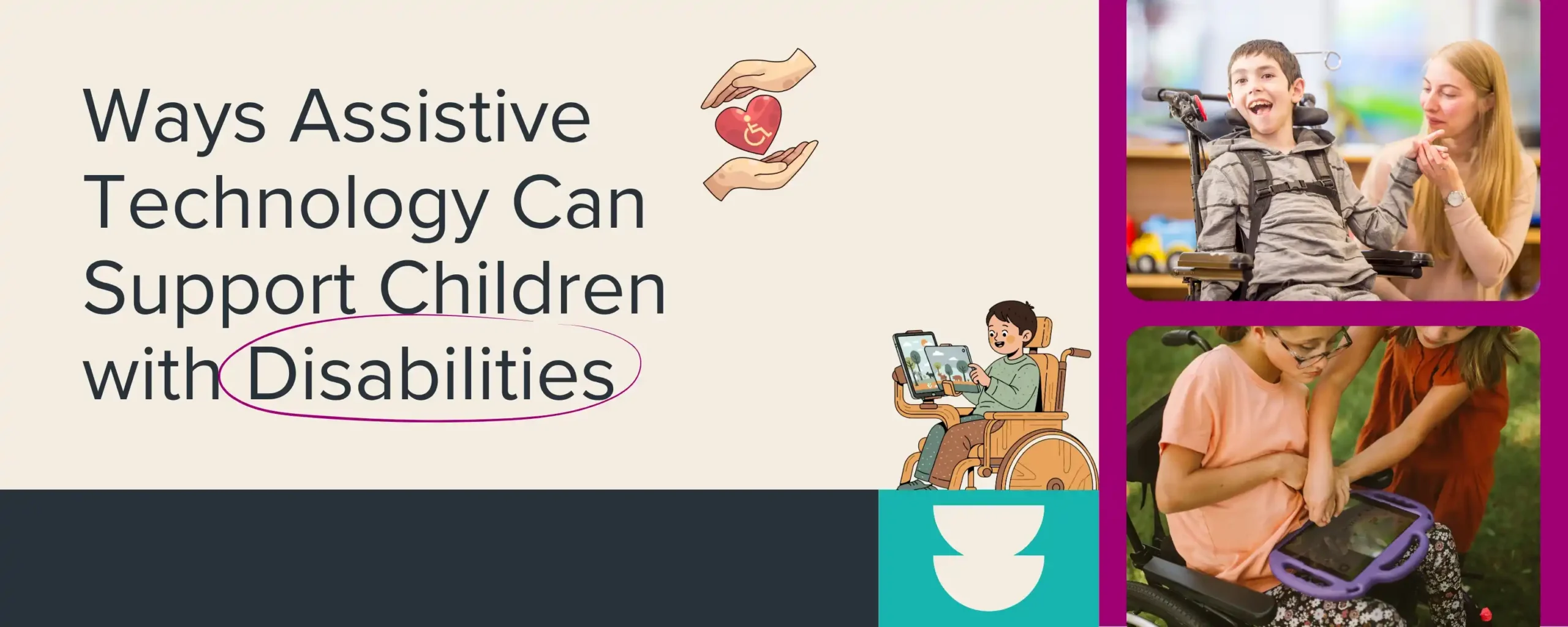
Some children may find it difficult to read, listen or understand written instructions. AI-supported accessibility features can help make learning materials easier to use for such students with different needs. Text-to-speech tools can read written content aloud. Speech-to-text features can turn spoken words into text. Captions can make videos easier to follow for children with hearing difficulties. Some tools can also simplify complex text or translate information into another language.
These features may help children understand educational content more comfortably. It also reduces barriers and gives children more ways to access learning materials. While these tools offer wonderful support, AI does not diagnose or treat learning disabilities. Instead, it acts as a helpful bridge that makes learning open and inclusive for everyone.
4. Encourage Creativity and Problem-Solving
Children often have wonderful ideas but might need a little push to begin. AI can act as a brainstorming friend and help them explore different possibilities. For example, a child writing a story could ask AI for interesting settings or character ideas. They can check out different endings and pick the one they like the most.
AI can also assist children think and solve everyday problems. However, they should not accept every suggestion without thinking. AI gives ideas, but children should make their own choices and develop their own solutions. The aim is to encourage curiosity and creative thinking. Children should remain the thinkers and decision-makers throughout the process.
5. Help Children Organise Information and Improve Writing
You know how school and homework requires reading information, taking notes and putting ideas into clear sentences. AI can help children manage these tasks without doing the work for them.
For example, children can use AI to create a short summary of a study passage. They can also ask it to organise their notes with clear headings. This may make lengthy information easier to review.
Writing tools can suggest improvements to spelling, grammar and sentence structure. They can also point out unclear sentences and offer ways to make them easier to understand. But the important thing is that children should compare summaries with their original study materials. Their ideas, understanding and final work should remain their own. AI should support the writing process, not take over the assignment.
6. Teach Children to Question and Verify AI Answers
Children need to understand that a clear answer is not always a correct answer. AI can sound confident even when its answer is wrong. It can sometimes provide incomplete information, incorrect answers, outdated details or made-up facts.
Children must learn to compare digital responses with reliable sources like textbooks, trusted educational websites and classroom notes. When something seems confusing, they should discuss it with a parent or teacher.
Checking one source does not guarantee that information is correct. So, children should consider the quality of evidence and compare different reliable sources. Most importantly, they should understand the answer rather than simply copy it. This helps build independent thinking and better judgement.
7. Protect Children’s Privacy and Set Clear AI-Use Boundaries
Children may not always know the ill-effects of sharing information online. Therefore, parents and caregivers should guide them before they use AI tools. Parents should explain to their children that they should never share passwords, home addresses, phone numbers or private family details. They should also avoid uploading personal photographs or documents containing sensitive information.
It is also wise to review age requirements and privacy settings before choosing an AI tool. Adults should also review how the app collects and uses personal information. Parents and caregivers can set clear rules about when and how AI should be used each day.
This could make AI use safer. It is also important to balance screen time with reading, outdoor play and social interaction. AI should remain one part of a child’s learning experience.
Conclusion
AI can support children’s learning in many useful ways, from personalised lessons to creative activities. However, its value depends on how children use it. They need adult guidance, independent thinking, and strict privacy protection for a safe digital journey.
Parents and teachers should help children question information and use suitable tools responsibly. AI should complement teachers, parents and children’s own efforts, never replace them. With the right balance, it can become a helpful part of a child’s learning journey.