India’s education sector has undergone a massive digital transformation. Yet a wide digital divide still affects students across the country. Many students in India, aren’t able to attend classes online because of unequal access to digital devices, internet connectivity, financial resources, and digital skills.
These challenges deeply limits their learning opportunities. Reducing this digital gap is very important for making education more inclusive. When every child gets a fair chance to learn online, society moves closer to true educational equality.
Understanding the Digital Divide in Education
The digital divide in Indian education refers to the gap between students who have easy access to technology and those who do not. This gap includes unequal access to digital devices, stable internet connectivity, digital learning materials, and basic digital skills. So does having a device or an internet connection means equal digital-learning opportunities?
No. Students also need suitable learning materials and the skills to use digital tools effectively. A child may have internet access but struggle to find trustworthy information or use an online learning platform. And if we don’t address these core disparities, it can accidentally widen existing social and educational inequalities.
Rural Students’ Technology Access Challenges
Students in rural areas face major technology-access hurdles that make online learning difficult. A family may share one smartphone among several children and adults. As a result, students may struggle to attend classes or complete assignments when they need the device.
Families in rural area already have a tight budget and the cost of smartphones, computers and mobile data can create further pressure on household budgets. Even when a family owns a device, an unreliable internet connection may interrupt lessons or prevent downloads. Additionally, schools without suitable digital facilities may find it harder to offer technology-supported learning.
These challenges can prevent rural students from participating fully in digital classrooms. They can also leave students with fewer chances to practise digital skills. Addressing these physical hurdles is essential for bringing digital equity to remote villages.
Ways to Bridge India’s Digital Divide in Education
1. Improve Affordability of Digital Resources
The high cost of modern digital resources stops students from exploring online education. Some families may struggle to afford even one personal computer, tablet, or smartphone due to financial constraints. Internet connections and data plans can put extra pressure on the budget.
Affordability is an important part of improving digital access. Governments, schools, NGOs and private organisations can work together to make digital resources more affordable. They can support device distribution, offer subsidised internet access and help schools provide shared learning facilities.
Schools can also explore free educational platforms and openly available learning materials. These options can reduce the need for expensive subscriptions and software.
Partnerships with technology companies can help schools access devices and software at lower costs. The aim is to make sure that financial limits do not block a child’s path to knowledge.
2. Strengthen Digital Skills and Literacy
Having a smartphone or computer does not automatically mean a student knows how to use it for learning. Students and teachers need the skills and confidence to use digital tools effectively. Schools can teach students how to search for information, use learning platforms and create digital documents. They should also learn to identify unreliable information and protect their personal details online.
And to do that you need teachers who are trained and equipped. So, teachers also need regular training to use digital resources confidently. And when we talk about online learning at home, parents’ basic digital skills may also benefit.
Digital literacy should also include online safety, privacy and responsible behaviour. Children need to understand suspicious links, strong passwords and the importance of protecting personal information. When we educate students, teachers and parents with these basic digital skills, we can make better use of the technology.
3. Provide Education Content in Local Languages
A student may have internet access but still struggle to understand the available lessons. This can happen when educational content uses a language the child finds difficult. Most online platforms default to English which can leave regional language speakers behind. Providing educational content in multiple languages solves this problem.
Schools and education platforms can offer lessons, videos, reading materials and learning activities in local languages. Multilingual resources can help children understand new ideas in a language they know well. They can also make educational content more relevant to their learning needs.
Translation tools and AI can help expand access to materials in different languages. However, interventions are needed to check that translations and materials are accurate and suitable for the child’s age and learning level.
4. Improve Opportunities for Learners With Disabilities
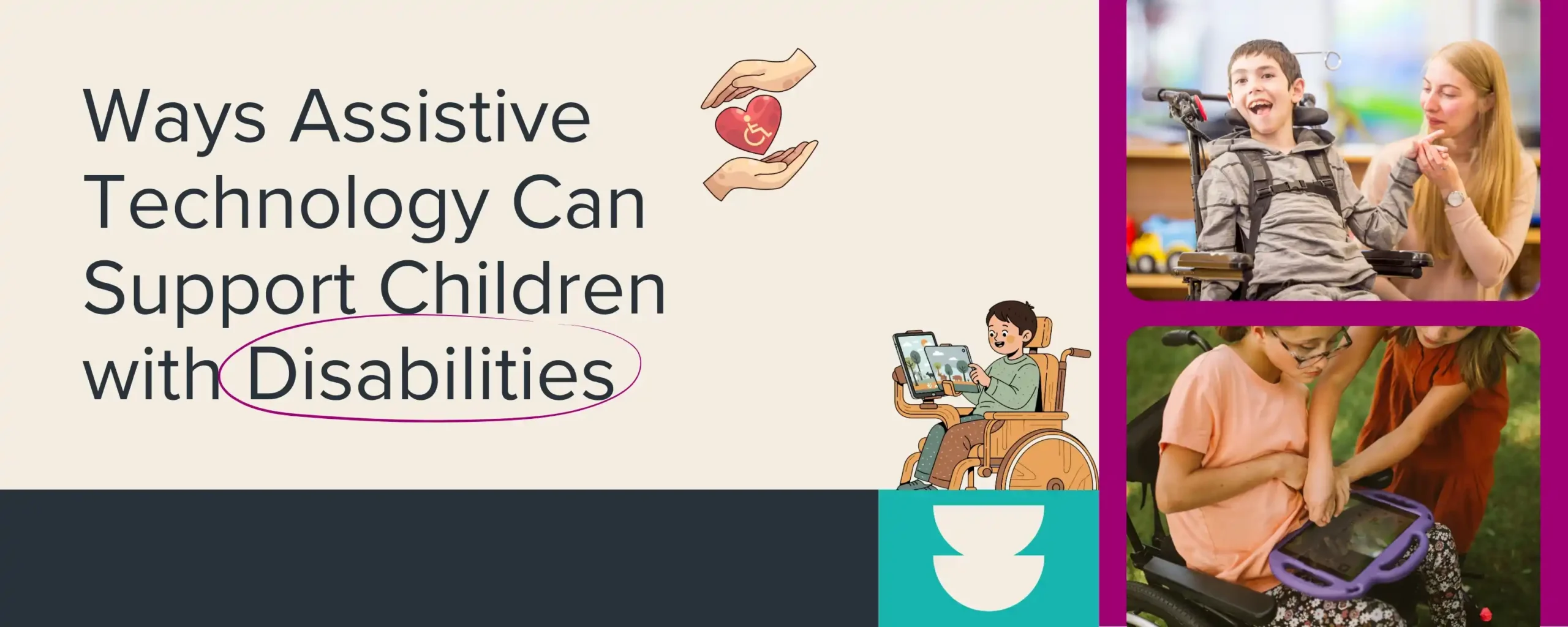
Digital education should also work for children with different abilities. However, some online lessons and platforms remain difficult for learners with disabilities to use. Accessible technology can help remove these barriers. Let’s take a look how.
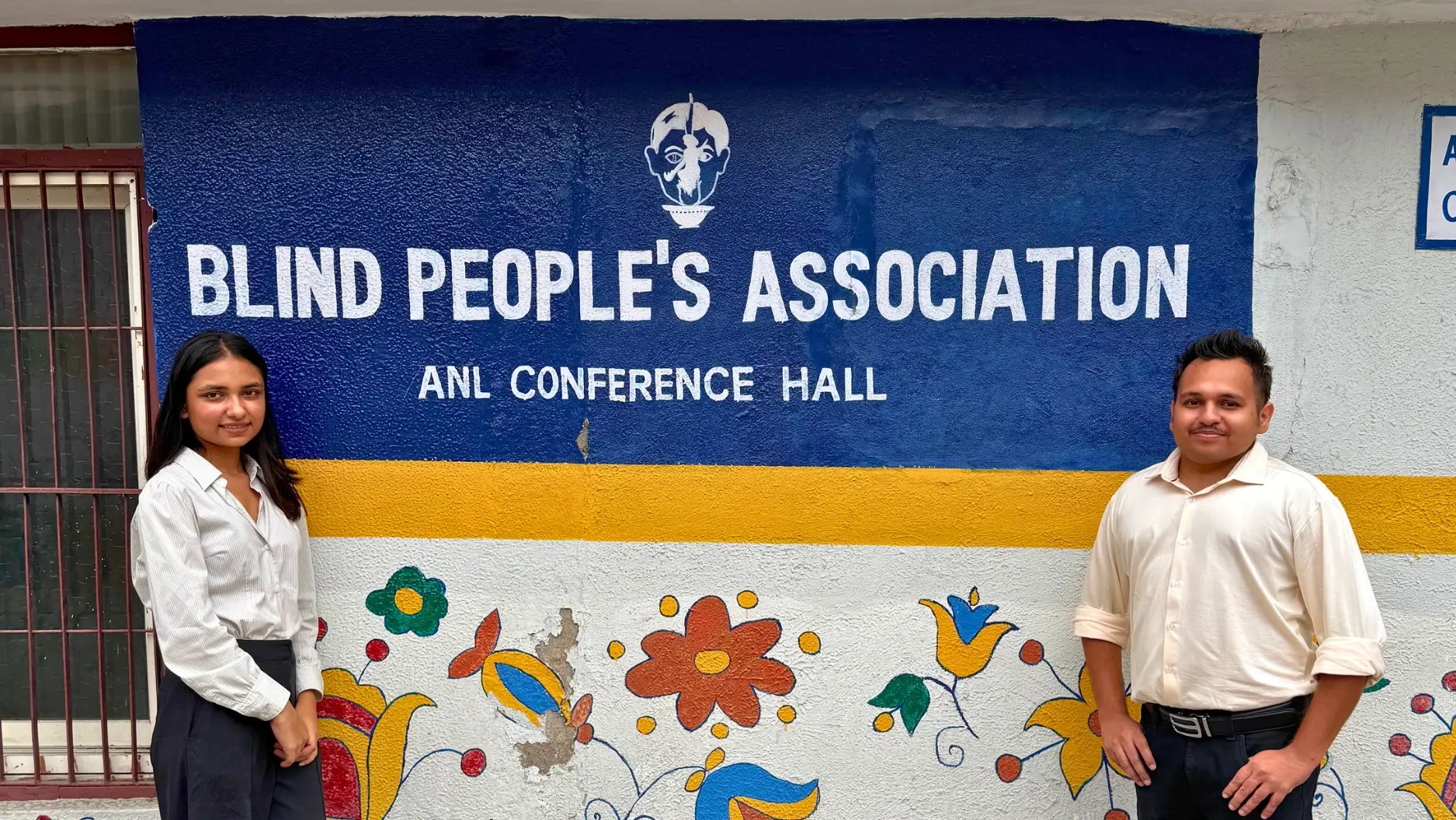
Screen readers can read digital text aloud for learners with visual impairments. Magnification tools can enlarge text and images for easier viewing. Captioned videos can support children who are deaf or hard of hearing. Communication technologies can also help learners who find spoken communication difficult express themselves and participate in lessons.
These clever technologies remove physical and sensory barriers in digital classrooms. Education platforms should consider accessibility when creating digital content and teachers should also check if children can use the chosen platforms comfortably. When digital learning considers different needs, students with disabilities participate equally.
5. Address the Gender Digital Divide
Girls may face additional barriers when accessing digital education. Gender inequality heavily influences who gets to use digital devices and access the internet. In many households, boys are prioritized over girls when sharing computers or smartphones for studies.
These differences can affect their digital skills, confidence and access to learning resources. Therefore, providing a device at home does not always guarantee equal opportunities. Recent findings show why this issue deserves attention.
NITI Aayog’s analysis of ASER 2024 data found that 26.9% of girls aged 14–16 who could use a smartphone owned one, compared with 36.2% of boys. This highlights a gap in personal access, even when children can use a device.
Schools and communities can promote equal access to technology for girls and young women. They can encourage girls to practise digital skills and participate in technology-based activities. Families also need to recognise girls’ right to learn and explore online. When we give independent access of digital tools to girls, they are empowered to build confidence and take part more fully in digital education.
Conclusion
Bridging India’s digital divide requires much more than simply distributing gadgets in classrooms. Students need affordable resources, digital skills and educational content they can understand.
Learners with disabilities also need accessible tools, while girls deserve equal opportunities to use technology. Schools, families, governments and NGOs must work together to make these changes possible. Only then can digital education become a true tool for universal empowerment.