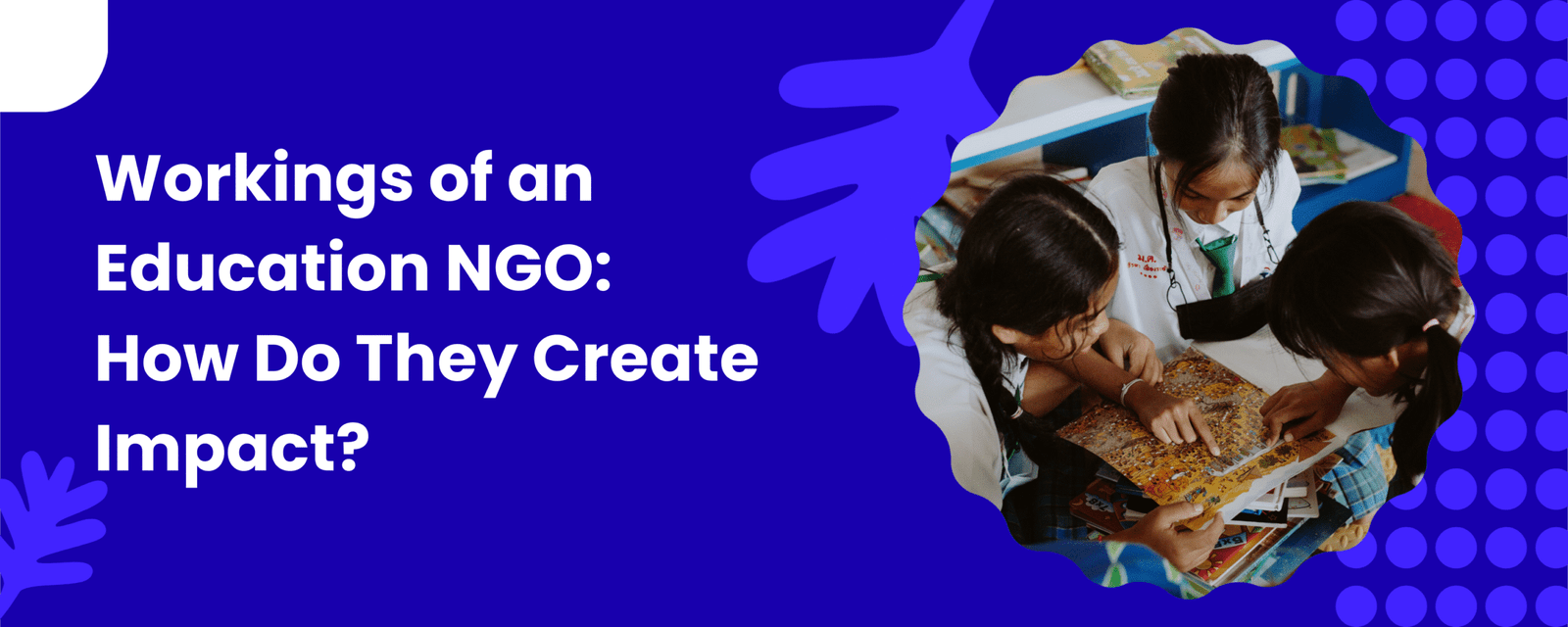
Education holds the power to transform lives. It is a fundamental human right and a key factor for social and economic development. It empowers children to achieve their full potential and contribute to the progress of their communities and nations. Yet, millions of children around the world still lack access to it. In a diverse and populous country like India, ensuring quality education for all remains a significant challenge. In many communities, poverty, gender bias, and social inequality prevent children from reaching classrooms. This is where education NGOs step in as changemakers to ensure quality, equity, and inclusion in education. Through innovative programmes, mentorship, and compassion-driven initiatives, these organisations create ripples of transformation that go far beyond books. In this blog, we will see how education NGOs work, what drives them, and how they create lasting social impact.
What Is an Education NGO and Why Do We Need Them?
NGOs (Non-Governmental Organisation) are independent, non-profit, and voluntary groups that operate at local, national, or international levels to address various social issues. NGOs working for education exist to balance the see-saw in the education system. They play a very important role in bringing education to the masses. Unlike other charities that focus solely on welfare or relief, education NGOs target the root of inequality that is illiteracy and lack of access to quality education.
We desperately need these organisations in developing countries like India. The Government alone cannot reach every remote school or child in need. So the Education NGOs fill these crucial gaps ensuring every child regardless of background, gets a chance to learn.
Beyond academics, NGOs nurture emotional growth and confidence. They teach children to express themselves, work in teams, and see learning as a joyful journey. They raise confident learners who grow into responsible, empathetic citizens ready to lead social change.
How Do Education NGOs Work on the Ground?
Now the real question is how do the NGO’s work on a root level and create a lasting impact? Their work begins long before the awareness program’s execution. It starts with understanding the real needs of communities. Here’s how their work typically unfolds:
- Research and Assessment: NGOs start by researching educational gaps. This step involves finding out where the need is greatest, where education levels are low or school attendance is poor.
- Planning Interventions: They design tailor-made programmes such as literacy drives, teacher training, or digital learning projects.
- Mobilising Support: Volunteers, donors, and local partners come together to provide resources and manpower.
- Collaboration: NGOs partner with schools, local governments, and other institutions to strengthen the educational ecosystem and ensure the work is supported locally.
- Implementation: This includes running workshops, distributing materials, offering scholarships, or conducting awareness campaigns.
- Monitoring & Evaluation: The team measures outcomes regularly to track student progress.
What makes these efforts successful is community participation. When parents, teachers, and local leaders get involved, the educational programme becomes much more sustainable over time. This keeps the project alive even when the core NGO team is busy elsewhere. That’s how change becomes lasting.
Key Focus Areas: Where Education NGOs Create the Most Impact
Education NGOs focus their efforts in specific areas. This targeted approach helps them create the biggest, most noticeable impact on children’s lives.
- Early Education and Literacy: They help children in early years develop reading and comprehension skills which are the building blocks of lifelong learning.
- Girl Child Education and Inclusivity: Another key area is girl child education and inclusivity. Many NGOs run programmes encouraging girls to attend school and promoting gender equality. They actively work to remove social barriers that prevent girls from attending school.
- Teacher Training and Digital Learning: To keep learning engaging and relevant in today’s world, teachers need modern teaching methods. So, these NGOs also provide essential teacher training and introduction to digital tools.
- Emotional Well-being and Mentorship: NGOs create safe spaces for children to share thoughts and emotions. They teach children how to handle stress and build strong, positive relationships. Mentorship programmes build self-confidence and guide students toward future goals.
Together, these areas shape more than just educated children. They nurture capable, confident individuals who contribute to their families and society. Education NGOs don’t just teach subjects; they teach life, resilience, and the value of hope.
Challenges Faced by Education NGOs (and How They Overcome Them)
While the education NGO in India has proven to be an effective change agent, they also encounter their fair share of challenges
Funding is often limited. They often rely on uncertain donations to keep their important programmes running. This makes it difficult to sustain programmes or reach more communities. Recruiting and retaining dedicated volunteers can also be tough. It can be challenging to keep dedicated volunteers for long periods of time. In addition, policy restrictions, lack of infrastructure, and local bureaucracy is often tiring and time-consuming. It is also difficult to truly measure the long-term outcomes of education, as change takes many years to fully show
However, these organisations continue to adapt. Many have embraced technology to track progress, manage resources, and deliver online learning in rural areas. Transparency in reporting builds trust with donors and encourages more support. Collaboration is key. By working with schools, corporates, and governments, NGOs multiply their reach. Despite the hurdles, their determination to keep children learning remains strong. Each challenge becomes an opportunity to innovate, connect, and grow.
Through Our Lens – Real Stories of Change and Compassion
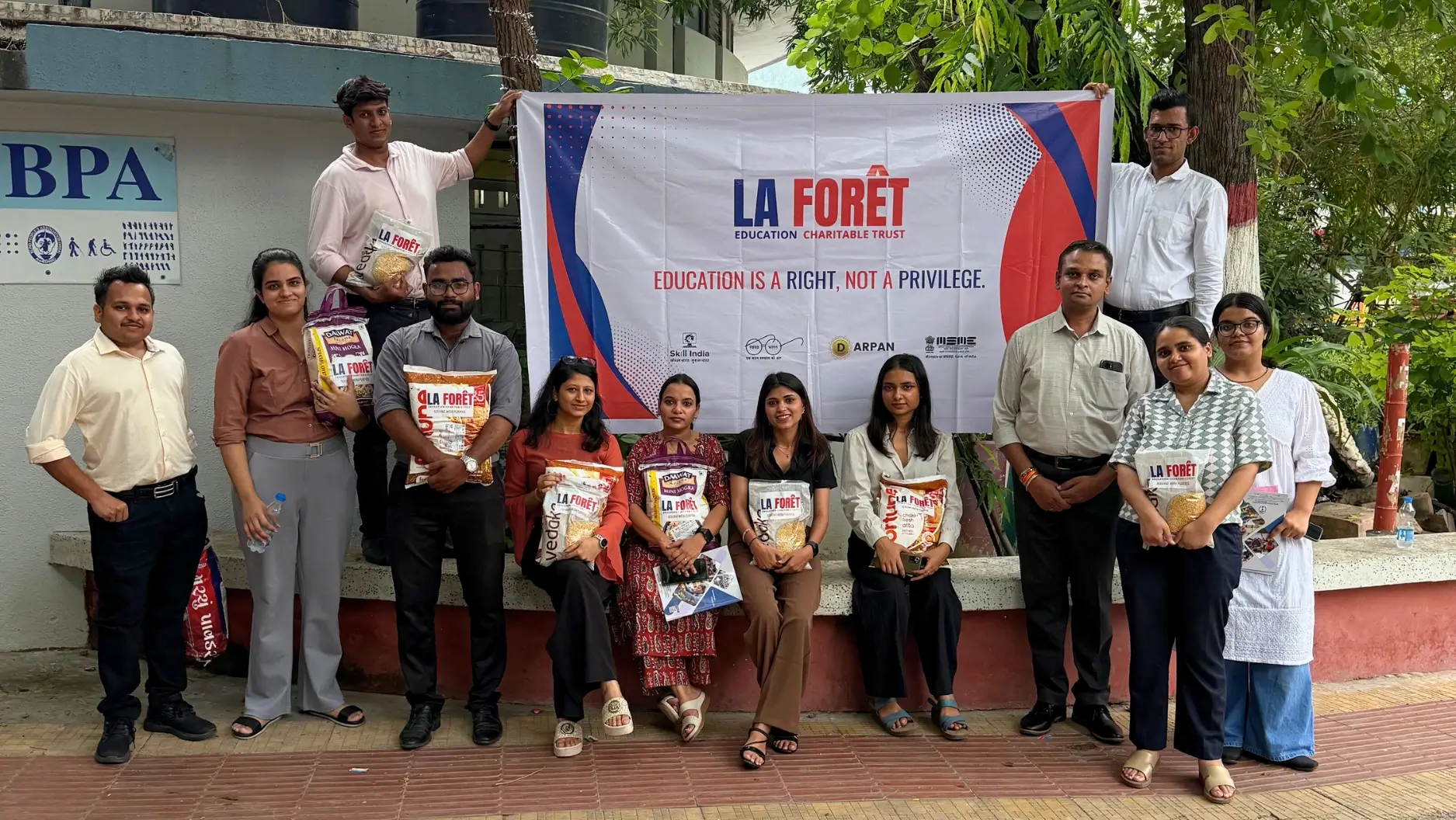
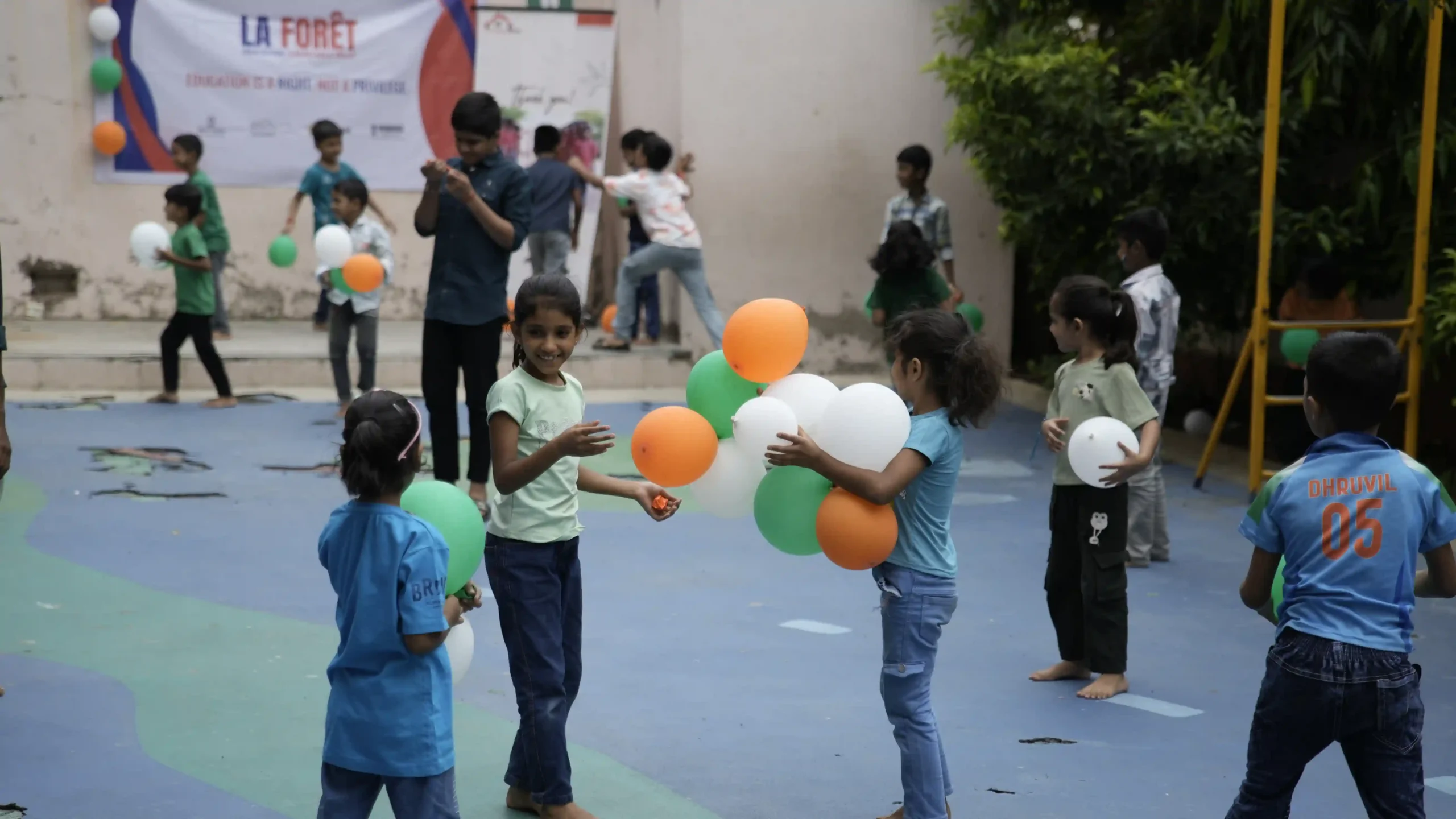
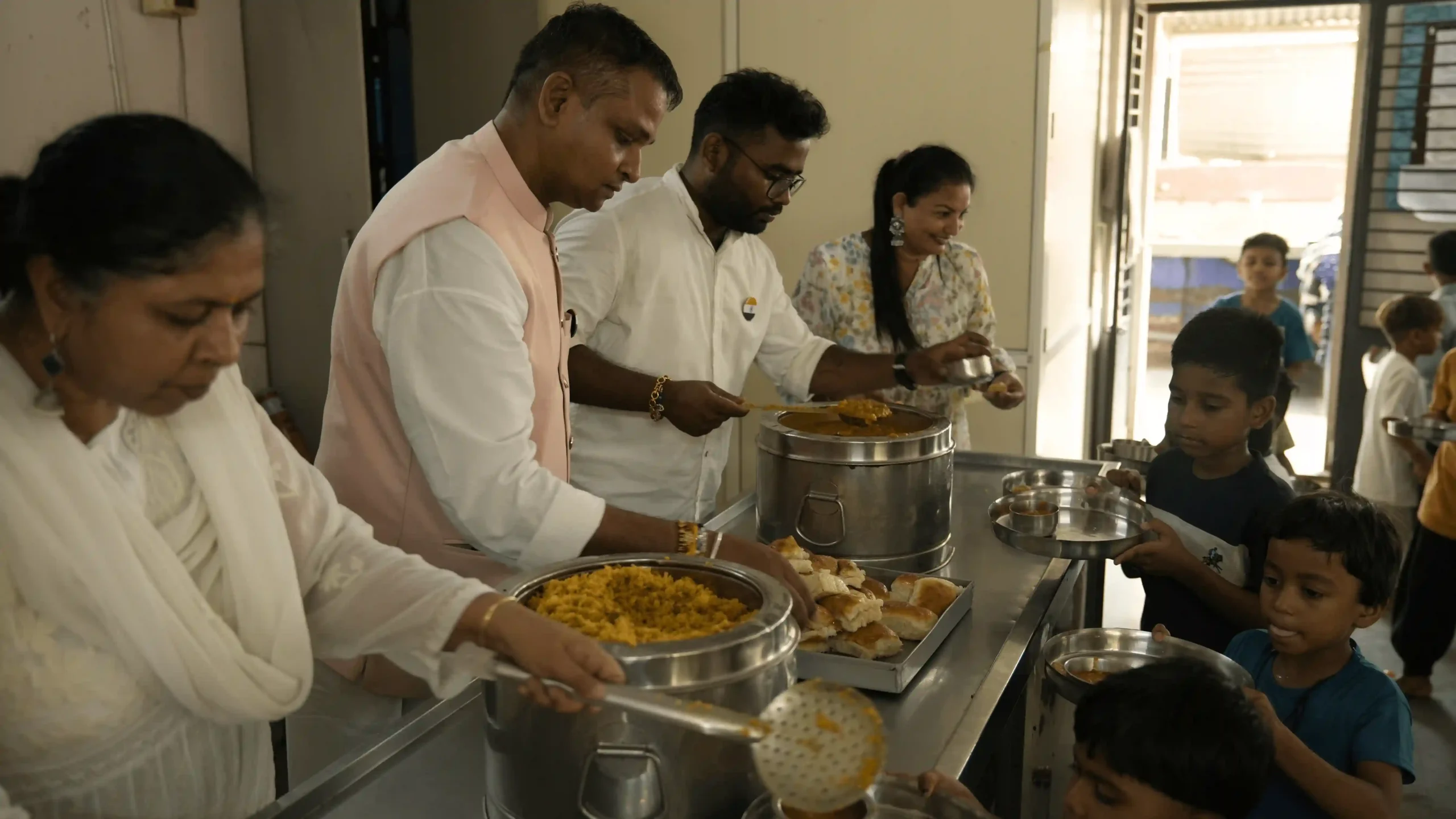
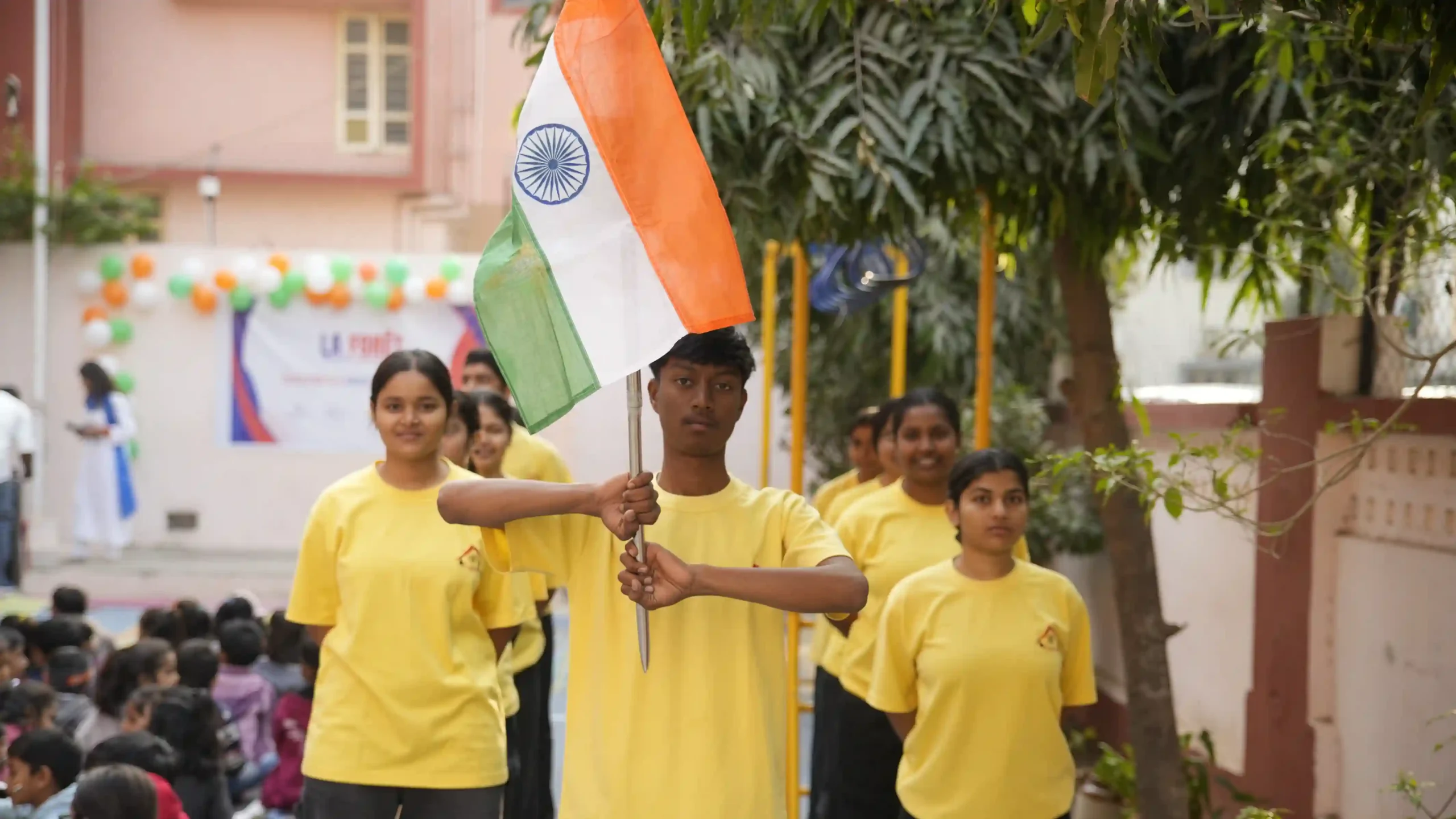
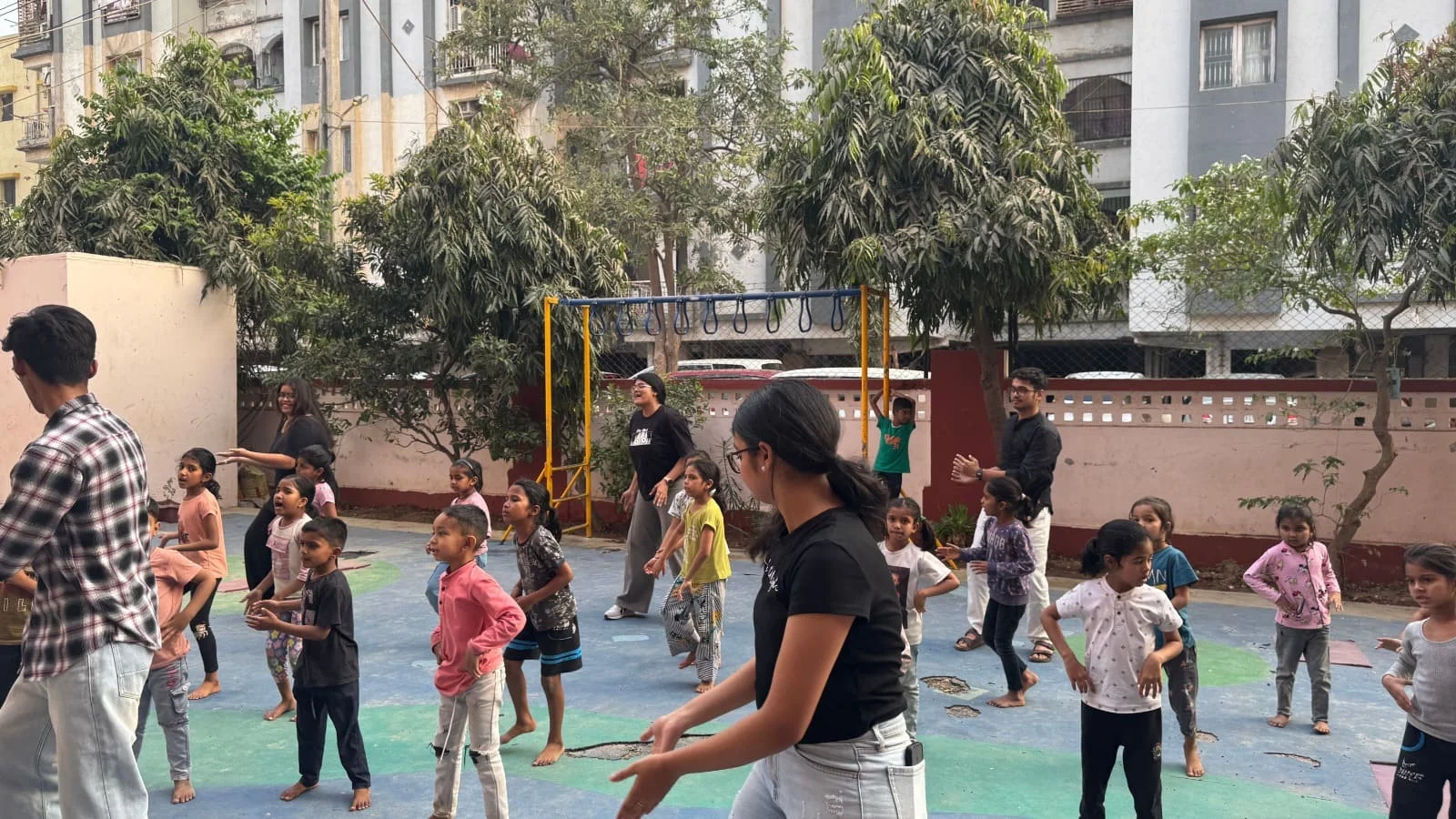
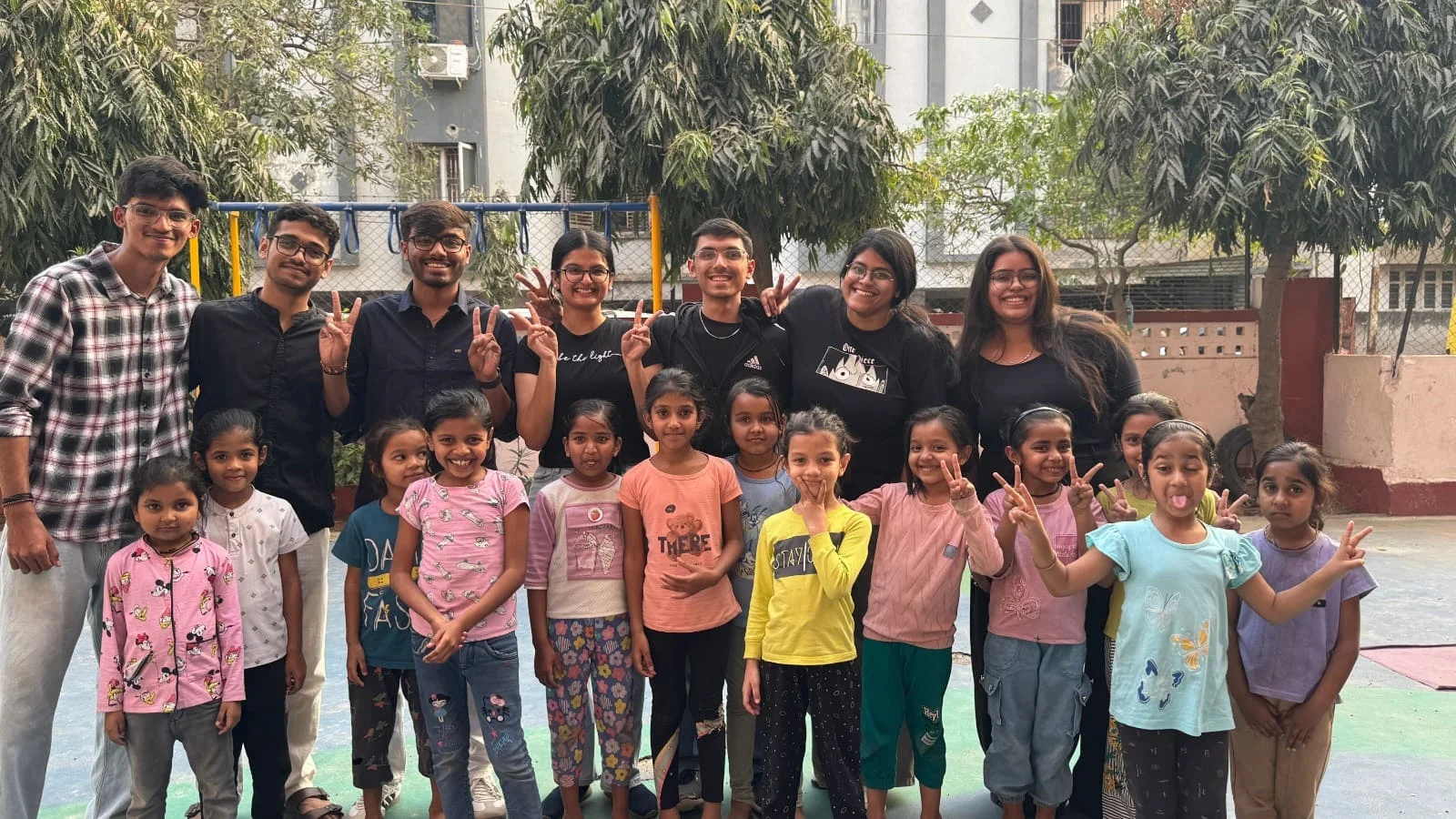
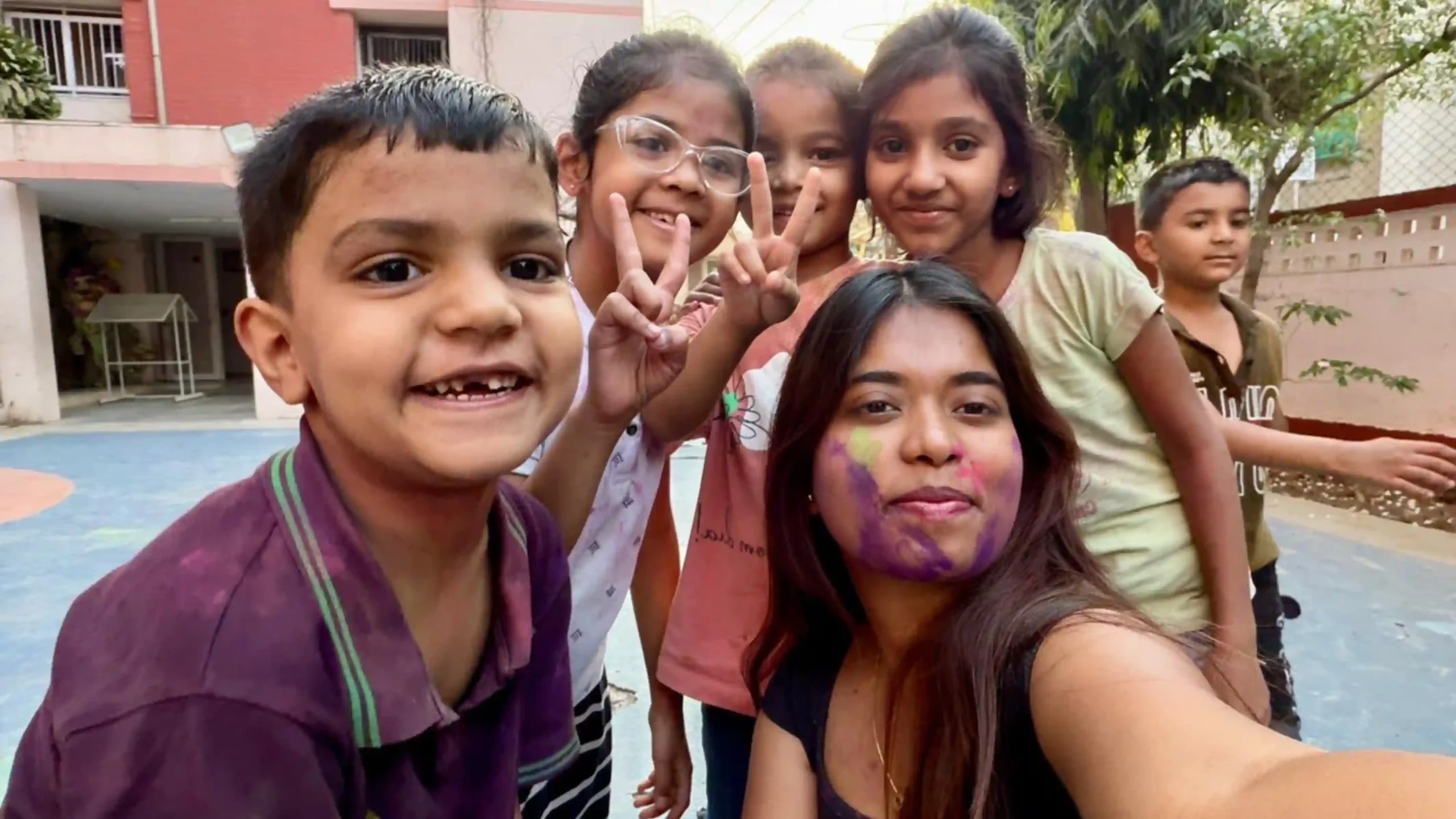
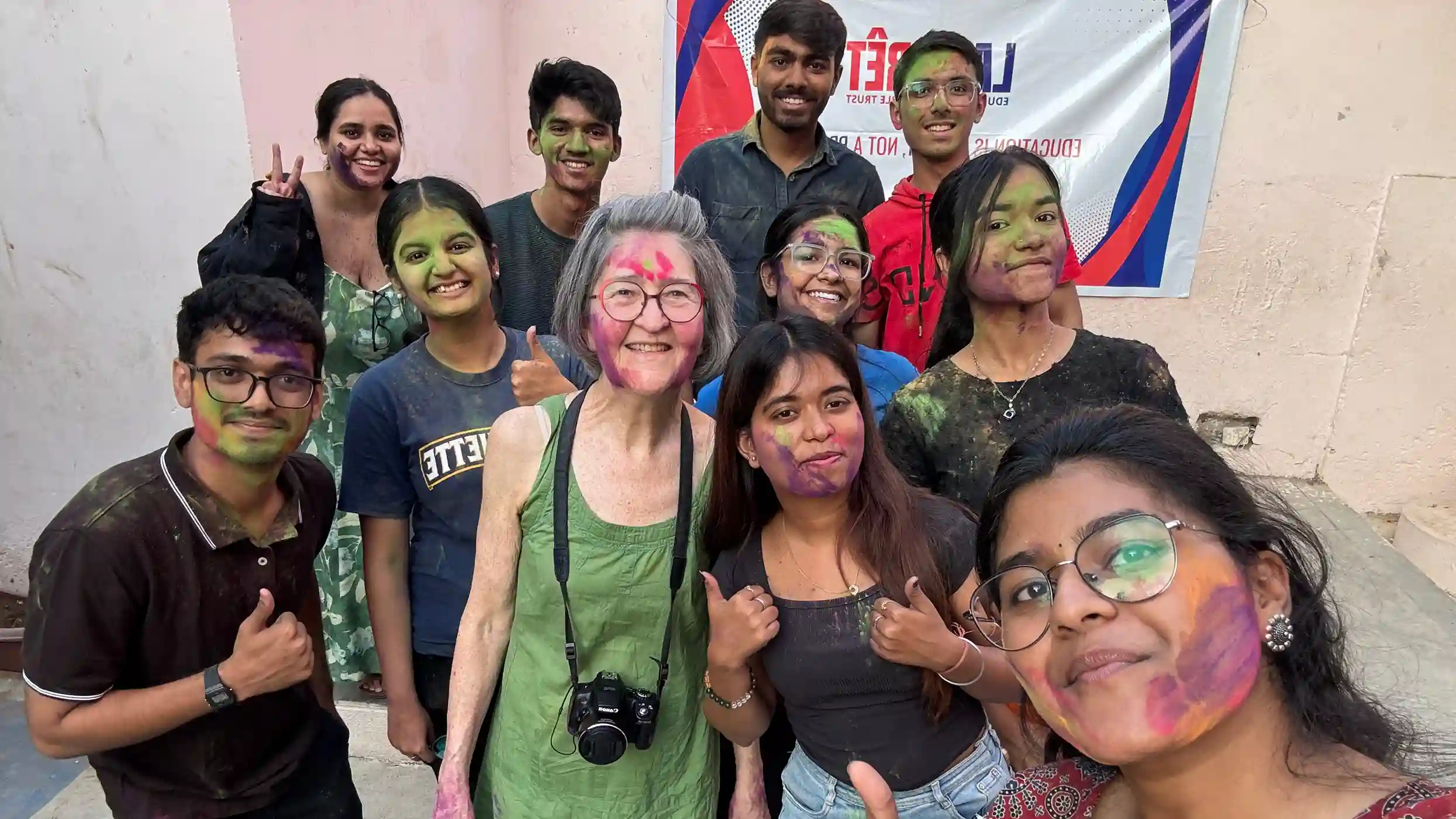
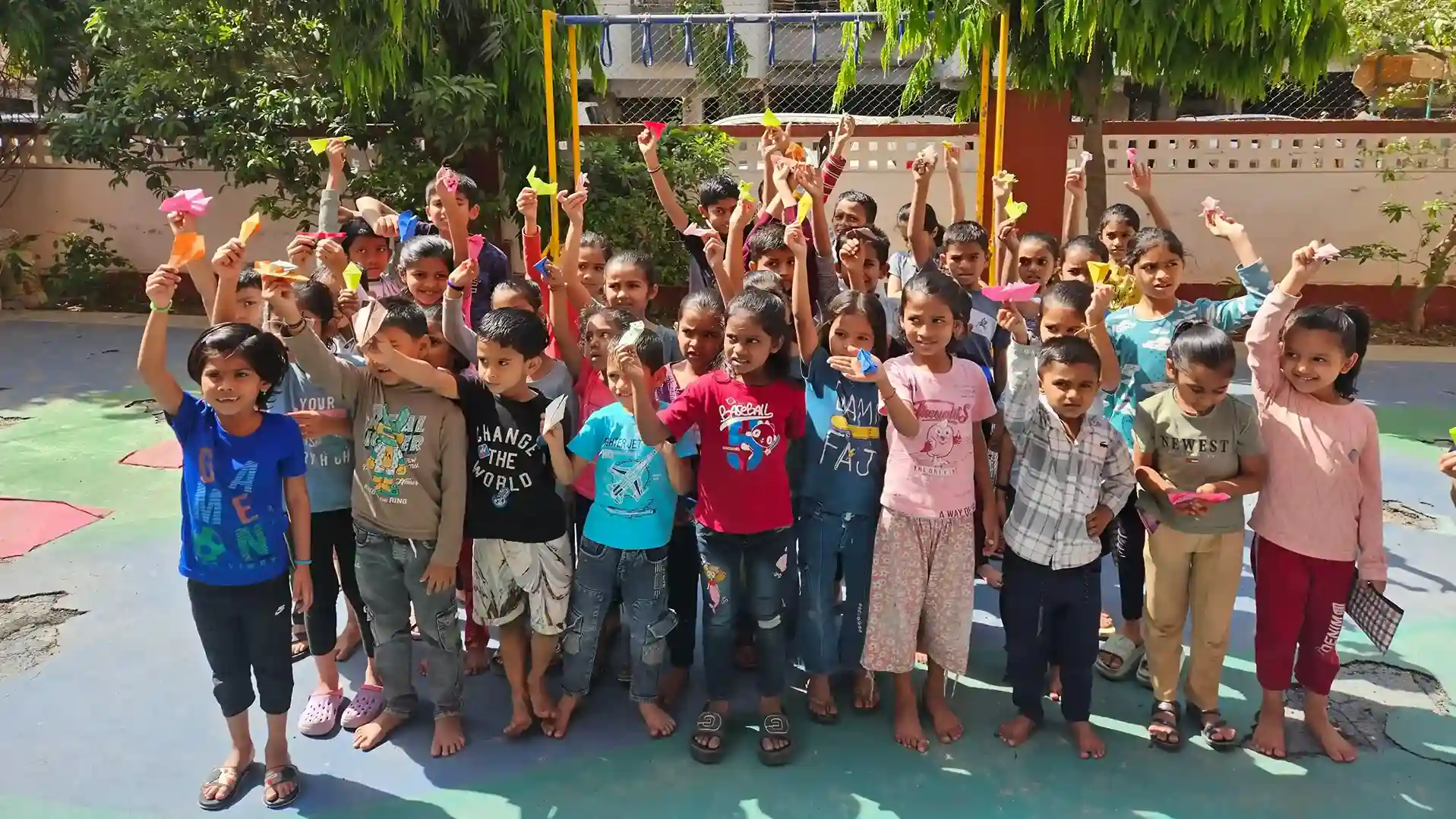
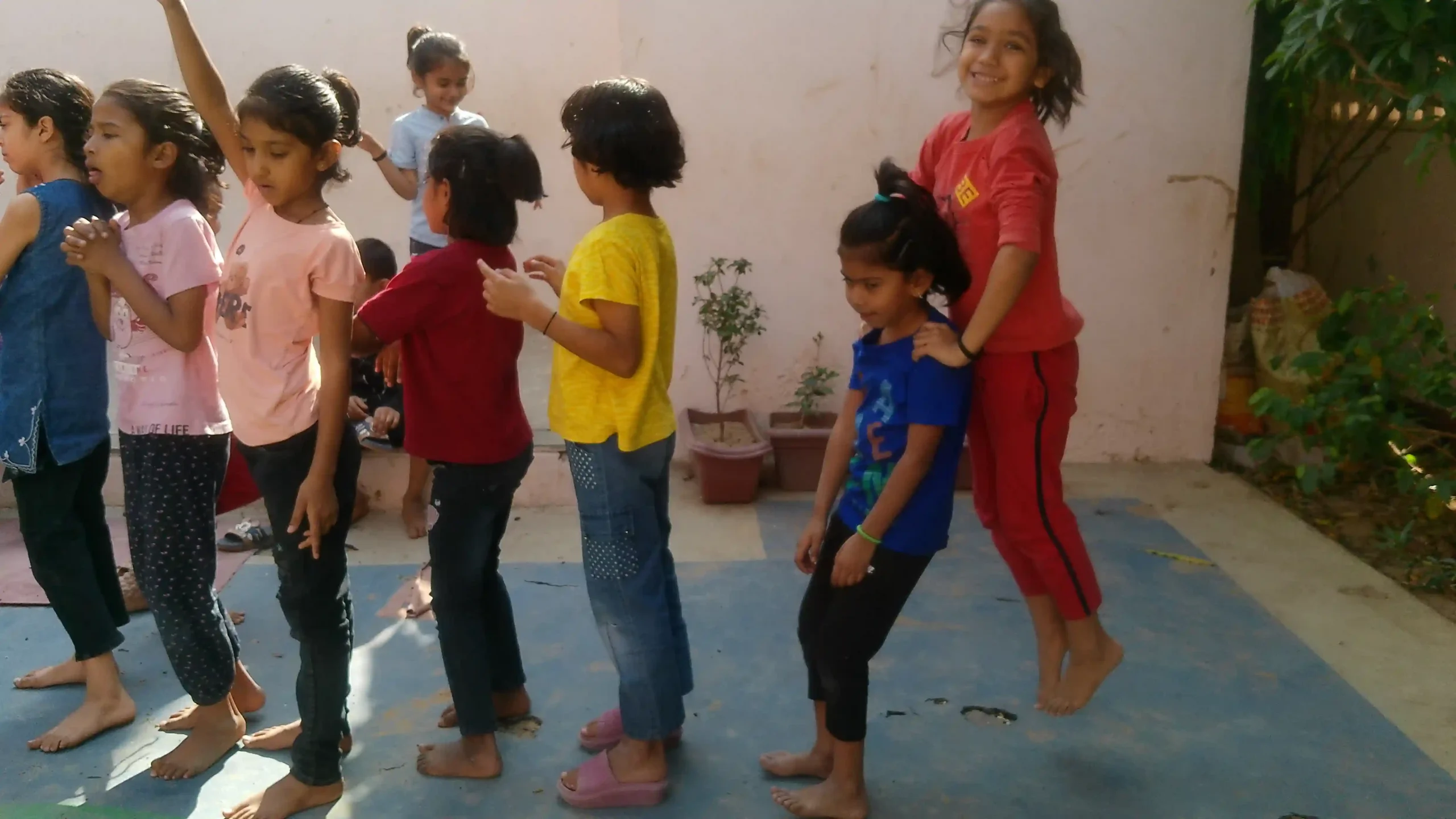
Every education NGO has stories that remind us why their work matters and moments that capture both learning and love. At La Forêt Education Charitable Trust, these moments are a part of everyday life. Let us look at a real example of meaningful impact.
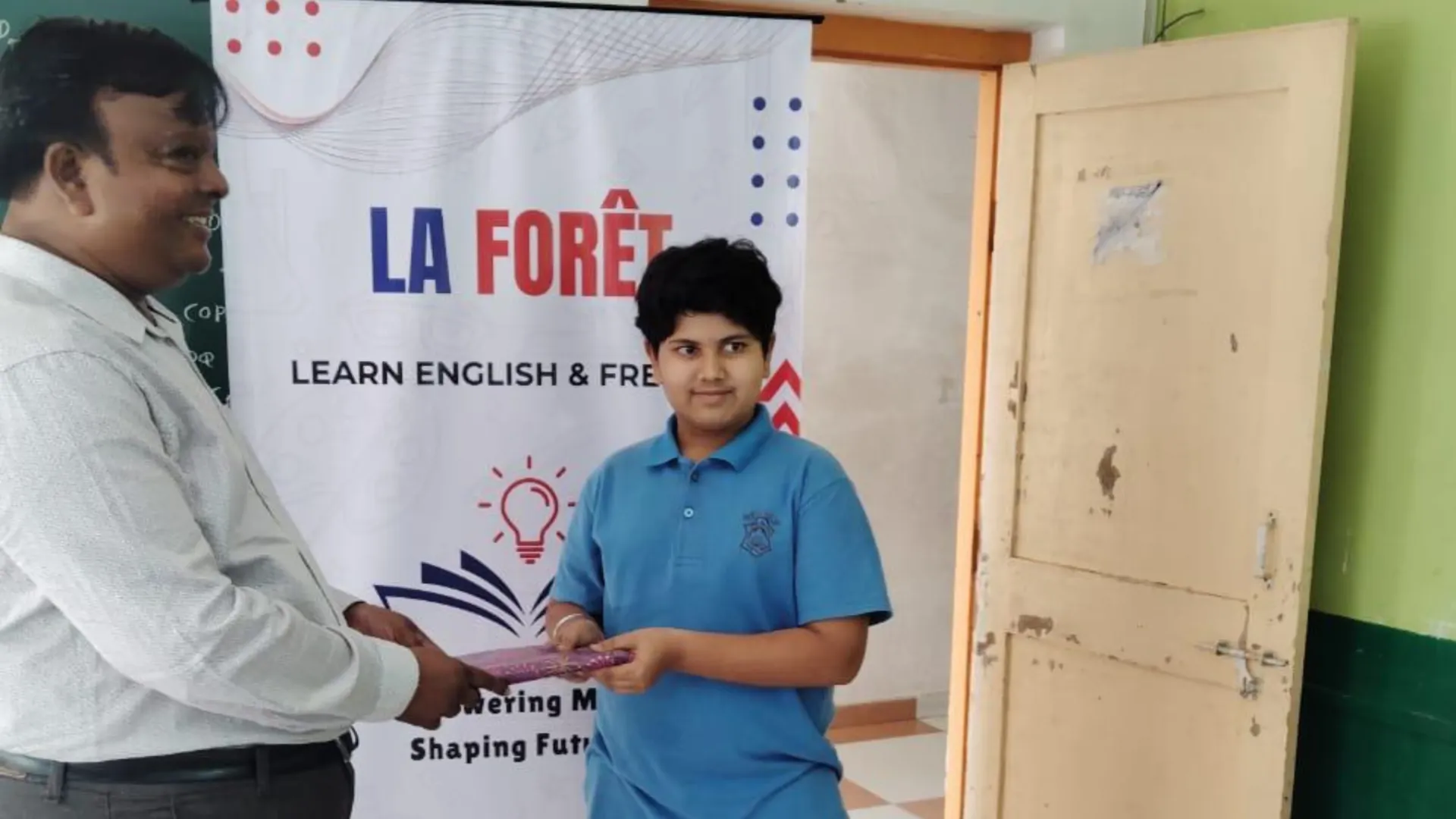
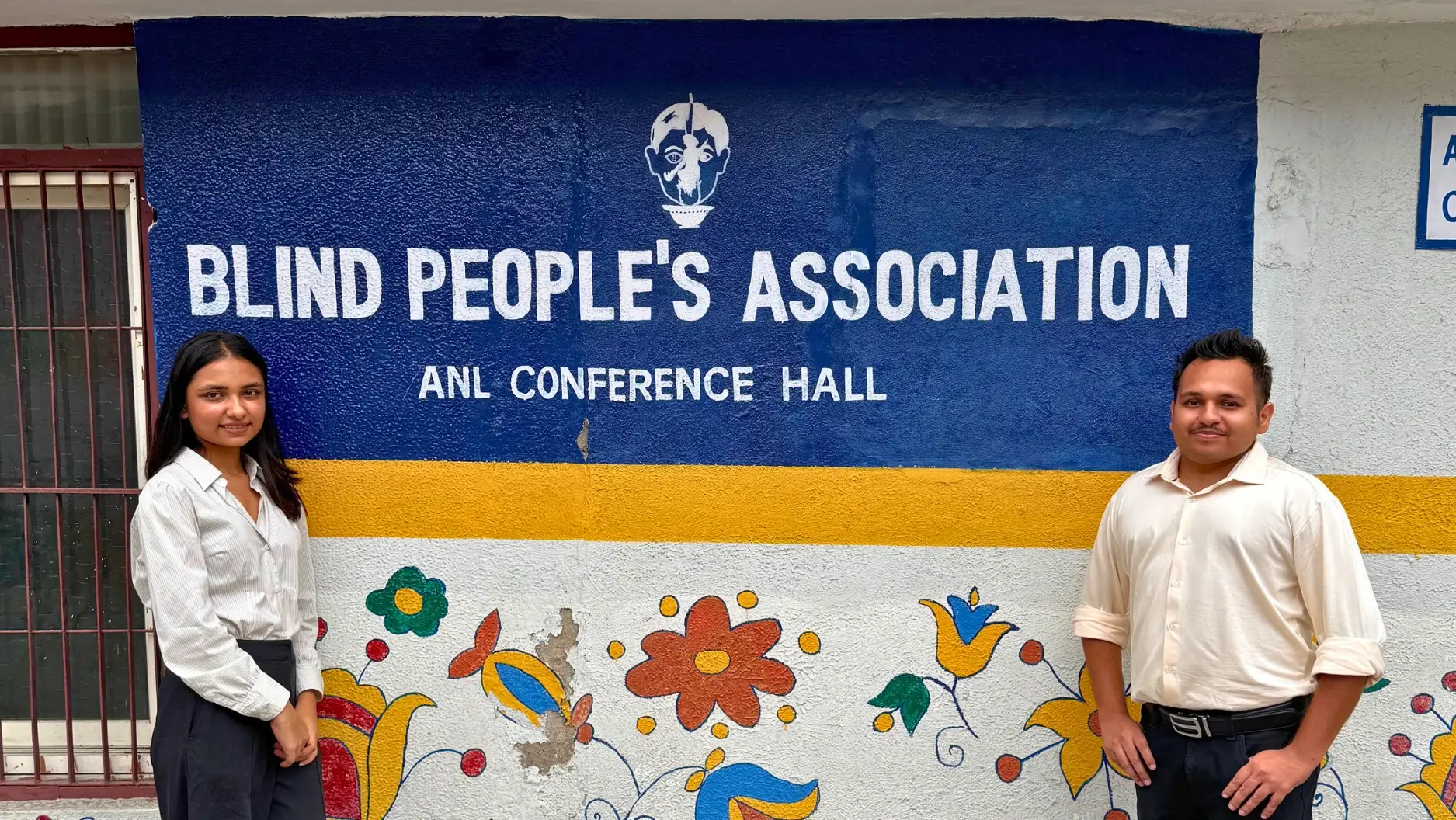
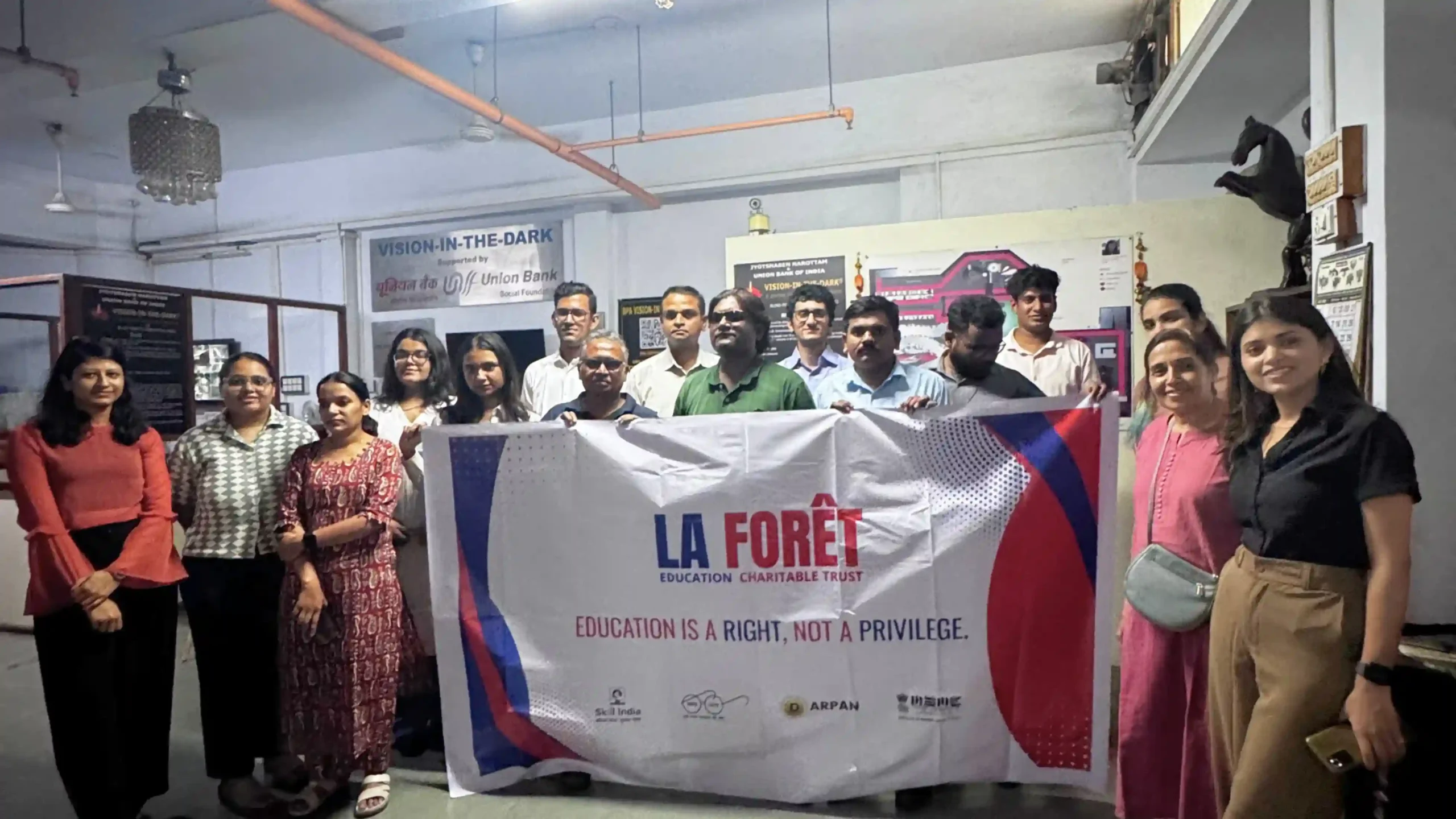
The Trust organised a successful seminar at Blue Bell School focused on English learning. This event taught children the importance of strong language skills in different aspects of life and gave children the motivation to speak better English. They also arranged a memorable visit to the Blind People’s Association along with a small donation. It instilled in us empathy and inclusion for those with different abilities. This visit was highly valuable, reminding ourselves of how privileged we are and important it is to cherish what we have.
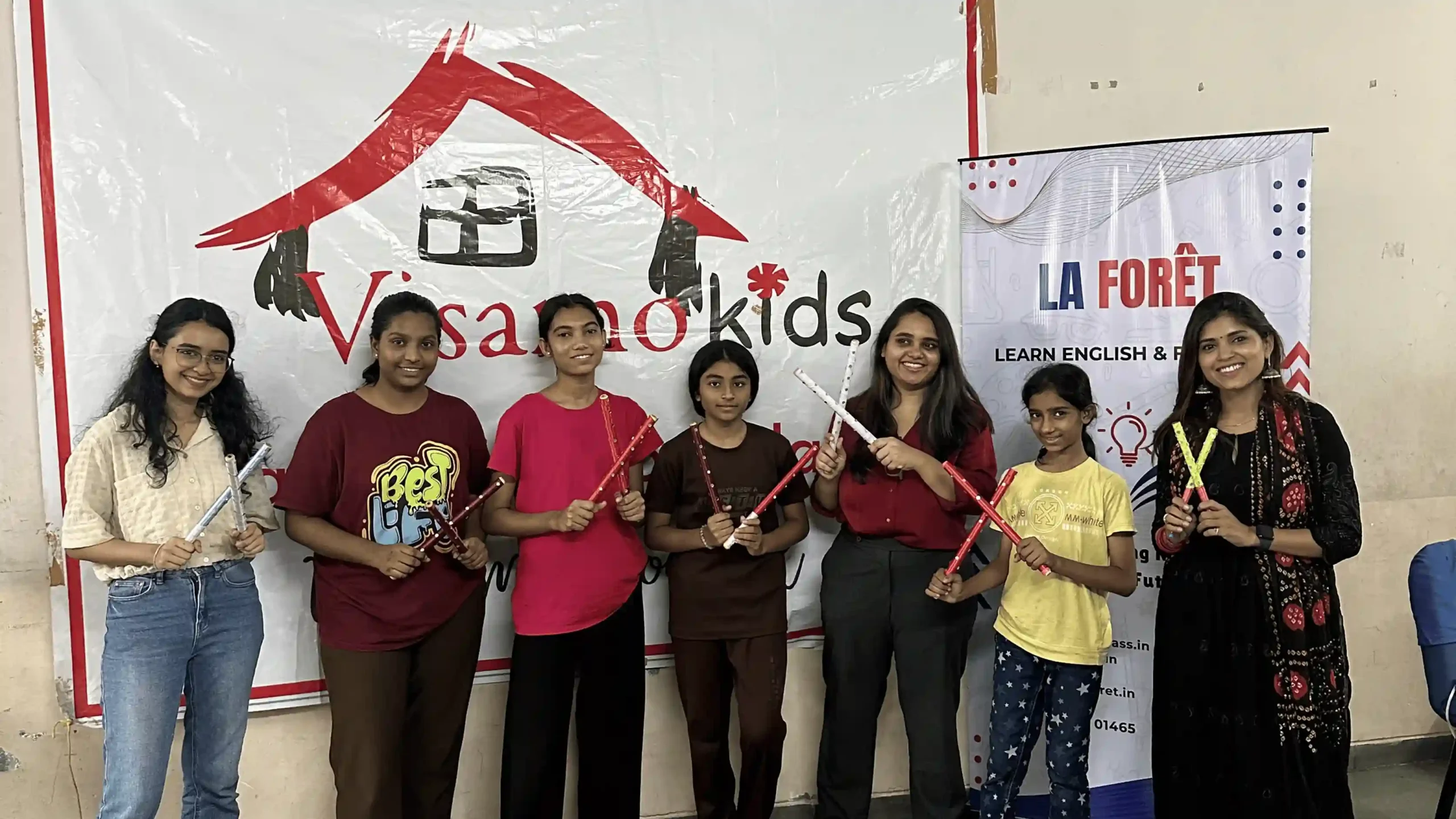
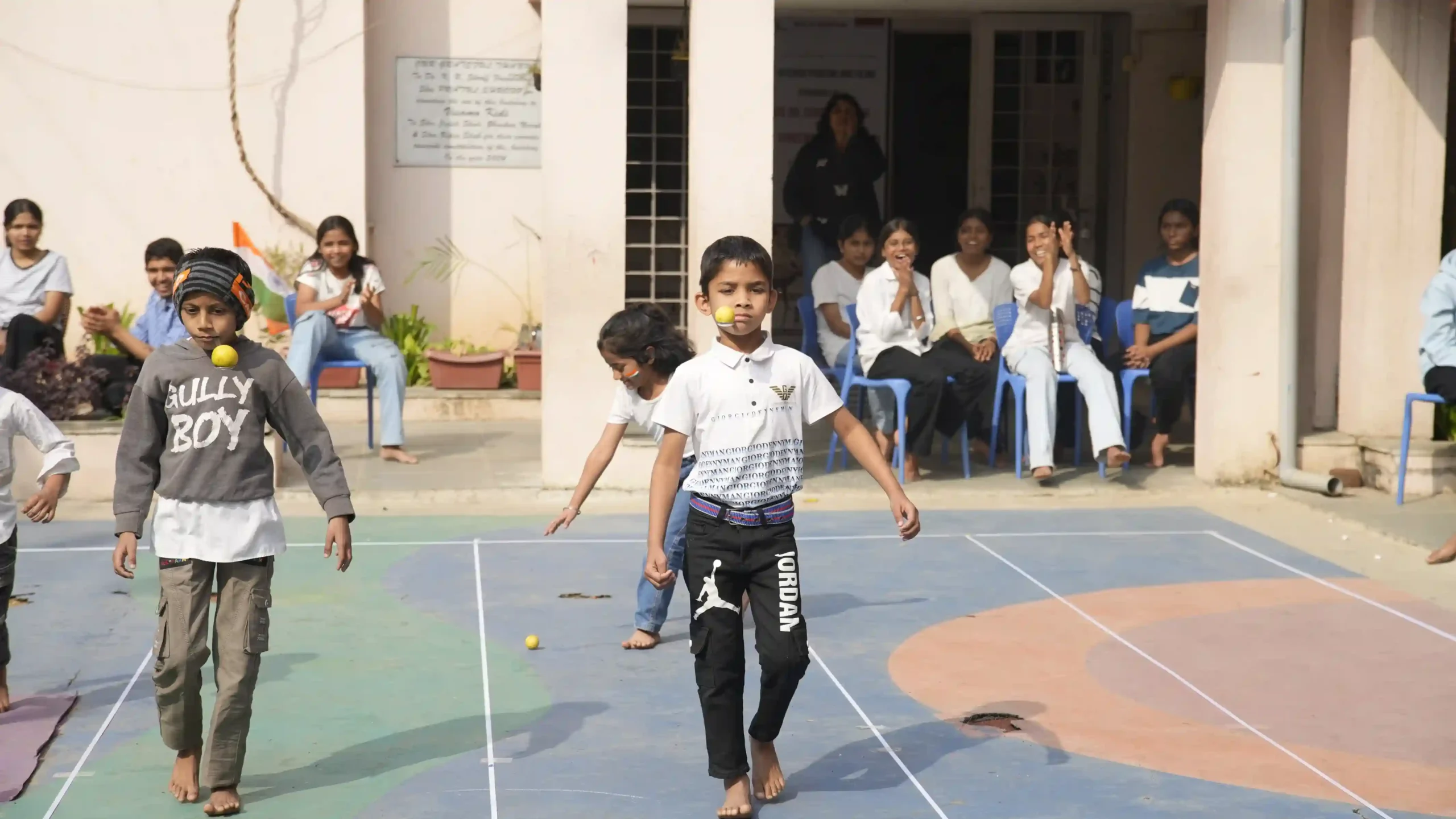
Partnerships with organisations like the Visamo Kids Foundation and creative experiences such as the Navratri Art Workshop show how education can go beyond classrooms. They open doors for children for skill development and ways to express creativity, build confidence, and discover joy in learning.
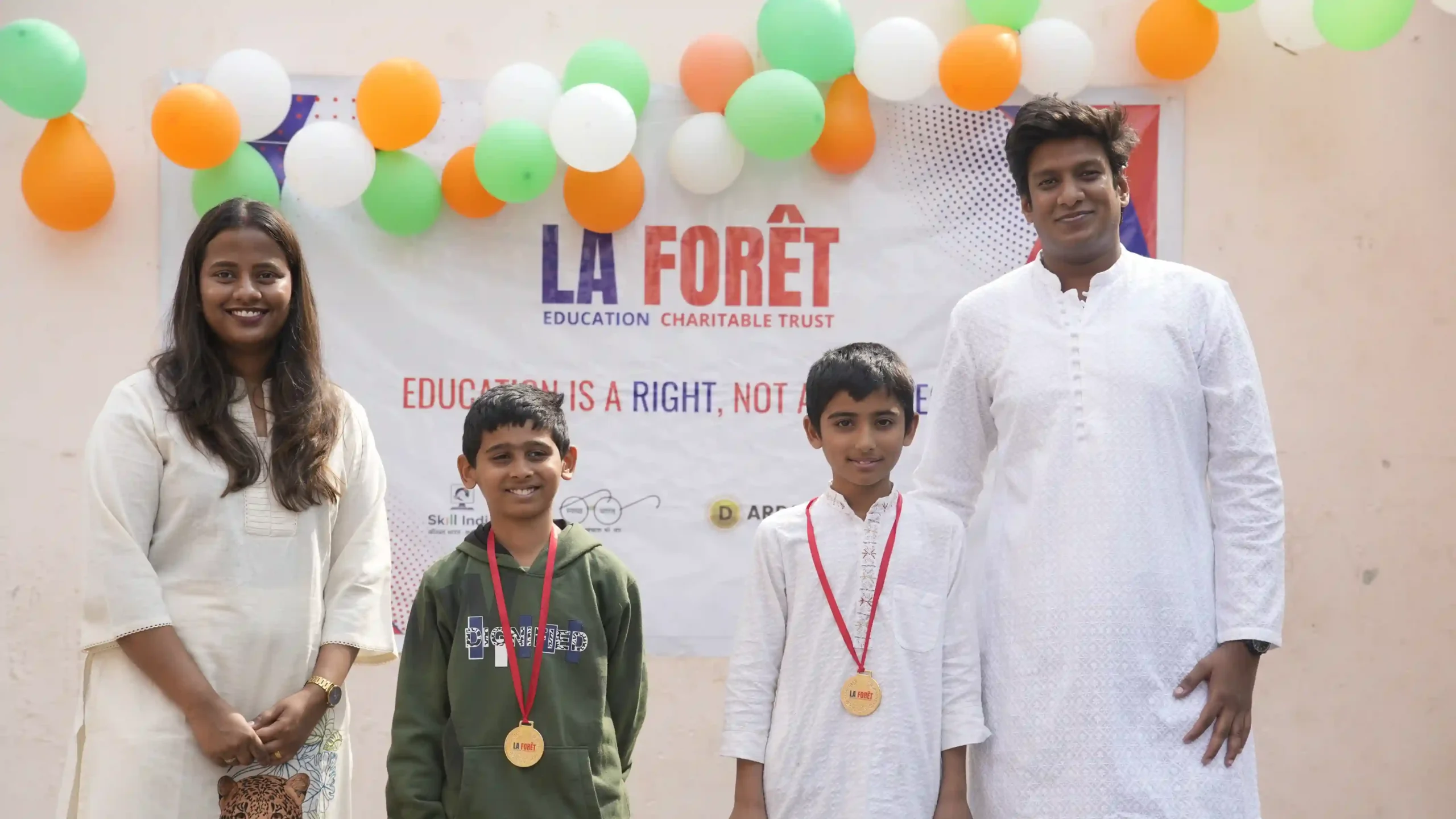
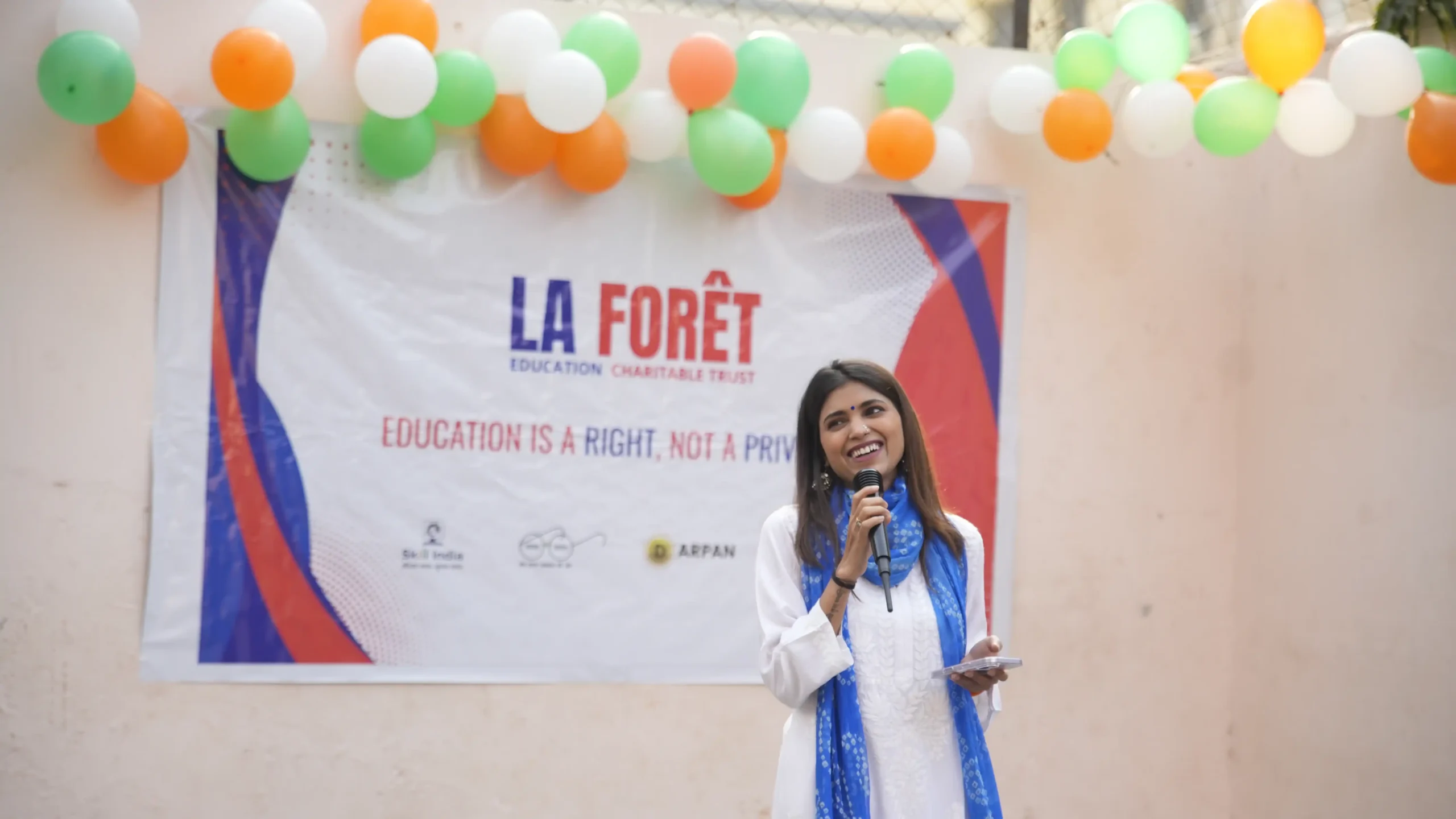
This work is more than just collecting data. It is a direct window into the lives we touch, the communities we walk alongside, and the positive change we work toward every single day. Through our lens, these moments aren’t just pictures, they’re powerful stories of hope. And these stories inspire us to keep walking alongside those who dream, ensuring no child’s potential is left unseen. From the curiosity in a child’s eyes to the warmth of a shared smile, these simple moments remind us why we do what we do.
The Vision Behind La Forêt Education Charitable Trust
The origin story of the Trust shows its deep commitment to service. La Forêt Education Charitable Trust began with a powerful desire to help children learn and grow fully. The founders started with simple teaching efforts. This effort quickly grew into a powerful, holistic education movement. The core vision believes that learning must be academic, emotional, and social too. Every programme reflects this belief by blending education with empathy.
The goal is not just to teach facts and figures. It is about nurturing the whole child. The Trust provides a supportive environment where children feel completely safe to explore their talents. This warm, human-centred approach shows a genuine intent to create lasting positive change. We focus on giving children the confidence and skills they need to navigate the real world successfully.
Leadership That Inspires Change
Behind every impactful NGO are leaders who believe deeply in their mission. At La Forêt Education Charitable Trust, the leadership team embodies dedication, empathy, and vision.
Arti Goyal, Vibha Goyal, and Shailendra Goyal together bring a blend of passion and purpose. With years of teaching experience and a deep understanding of child development, they’ve built a culture of learning rooted in care. Their philosophy is simple: lead with compassion, not authority. They believe education must reach every child, regardless of background or ability.
Supporting their mission are Hemant Nirala and Anvesha Dubey, who bring professional expertise and youthful energy to the Trust’s ground initiatives. Hemant brings valuable experience in operations and logistics. Anvesha offers essential insights into educational best practices and student engagement.
Together, this team leads with heart. Their combined strength turns small ideas into life-changing projects, inspiring communities and redefining what education can achieve when driven by empathy.
Transforming Lives Through an Education NGO
We must bring back the powerful universal idea that education is not only about learning facts. It is fundamentally about transforming futures. Education NGOs like La Forêt Education Charitable Trust are the main drivers of this change. Their work helps to break the cycle of poverty by providing job-ready skills. It directly builds self-confidence in children who may have faced constant discrimination.
For instance, providing mentorship helps a shy child find their voice and leadership potential. The emotional education they offer shapes a better tomorrow for the whole community. When a child learns to read and write, their whole family benefits from that knowledge. These organisations prove that a small investment in a child’s learning today yields massive, life-changing returns for society tomorrow.
Education NGOs are truly the unsung heroes driving long-term social change in India. Their impact extends powerfully far beyond classrooms. It touches lives, uplifts families, and transforms futures completely. By providing resources and emotional support, they ensure equal opportunity for all. We encourage readers to contribute, volunteer, or simply spread awareness about these vital initiatives. Together, we can ensure that education, the most powerful tool for change, reaches every child, everywhere.
Frequently Asked Questions
Q1. What Is the Role of NGOs in Inclusive Education?
Ans: NGOs play a vital role in promoting inclusive education by ensuring that every child regardless of ability, background, or gender gets equal learning opportunities. They provide resources, teacher training, and awareness programmes that make classrooms more accepting and accessible. Their work builds empathy, removes barriers, and celebrates every child’s potential.
Q2. Which Are the Main Areas of Working of NGOs?
Ans: NGOs focus on key areas that drive meaningful change such as education, health, women empowerment, child protection, environment, and community development. In the education sector, their work includes literacy initiatives, teacher training, digital learning, and emotional well-being programmes. Together, these areas uplift individuals and strengthen entire communities.