India is seeing a massive shift in the way its children live and eat, and it’s not for the better. With rapid urbanization and the easy availability of packaged foods, many parents are struggling to keep up with the changing times. They’re juggling hectic lifestyles and finding it tough to cook meals for their kids.
As a result, childhood obesity in India is on the rise at a frightening pace. Kids would rather snack than eat proper meals. And those packaged foods? They’re the new favourite among kids, replacing fresh fruits and veggies in a heartbeat. It’s a small change in kids’ diets, but it’s a big problem for India.
The Shift to Packaged & Processed Foods
The traditional Indian diet was all about whole foods like wheat and lentils. But fast forward to today, packaged foods are a staple in many Indian households. Snacks, noodles, biscuits, and soft drinks are always within arm’s reach. And parents are the ones who are buying them up by the truckload. Why? Because they’re easy to grab and don’t take a lot of time to prepare. And let’s be honest, making meals from scratch every day can be a real pain.
Another reason packaged foods are so popular is that they’re cheap. A packet of chips is a fraction of the cost of buying some fresh fruit and making a snack from scratch. Plus, they’re often marketed as “fun foods,” “cool foods,” or “happy foods.” Kids love them because they’re tasty and fun to eat.
The thing is, these packaged foods are packed with salt, sugar, and fat – the exact ingredients that are fuelling childhood obesity in India. And kids feel pressure from their friends to keep up with the latest snack trends. It’s no wonder they’re forgetting all about balanced meals.
The Influence of Advertising & Digital Media
Kids today are surrounded by ads 24/7. TV, YouTube, mobile games, and social media are all promoting junk food like crazy. And the ads are clever – they use cartoons, bright colours, and catchy music to grab kids’ attention. Some even offer prizes or games to get them hooked. And let’s not forget the influencers who are promoting junk food online. They’re using emotional words like “smart,” “cool,” or “energy booster” to get kids to buy into their snack of choice. But what about nutrition?
Digital marketing is more powerful than ever, and ads are popping up in all sorts of places – inside mobile games, short videos, and even social media. Kids are seeing them repeatedly, and before long, they’re stuck in their minds. They start asking their parents for the same products, and it gets harder to say no.
The Allure of Visual Appeal
Packaging is a major player in getting kids to choose packaged foods over fresh options. They’re drawn to bright colours and familiar mascots, and they rarely bother to check the nutrition label. This branding creates a strong emotional attachment, making the product feel like a treat rather than a health risk.
Lifestyle Changes in Urban & Semi-Urban India
Cities and growing towns are seeing a huge shift in the way people live. Kids are spending more time indoors, staring at screens, and less time playing outdoors. School hours are getting longer, and parents are often returning home from work exhausted. Quick food options are becoming the norm, and snacking during screen time is on the rise. Kids are eating without even noticing how much they’re consuming, and physical movement is taking a backseat.
Urban spaces are also lacking in safe play areas, so kids are stuck indoors. This sedentary lifestyle is becoming the new normal, and it’s contributing to rising childhood obesity in India.
School Environments & Easily Available Junk Food
Schools play a big role in shaping kids’ eating habits. Many canteens are selling fried snacks and sugary drinks, and outside school gates, food stalls are drawing in students every day. Peer pressure is a big player here – kids are buying what their friends are buying, and trend-based snacks are spreading like wildfire. Healthy choices feel boring in comparison.
When junk food is easily accessible, kids are more likely to choose it. Schools may not even realize they’re inadvertently supporting unhealthy habits.
The Role of Canteens: A Major Player in the Obesity Crisis
School menus are often focusing on low-cost junk food, and healthy options are limited. Kids are choosing snacks based on taste and convenience, not nutrition. Canteens are playing a big role in shaping kids’ eating habits, and it’s time they took a more responsible approach.
The Problem of Nutrition Ignorance Among Parents
Many parents really believe that packaged foods are OK, and labels and ads only make that seem even more true. The words “healthy” or “fortified” sound reassuring, and when you’re in a rush, research or cooking just doesn’t happen.
The fact is that nutrition education is not something that’s widely available, so parents are left to rely on quick snacks to manage their kids’ hunger. The thing is, marketing often goes to some pretty subtle lengths to hide the truth – sugar and salt levels fly under the radar, and before you know it, unhealthy eating becomes routine.
Without a clear understanding of what’s what, parents struggle to guide their kids’ eating choices – and this gap is one of the main reasons childhood obesity is a huge issue across all income groups in India.
Misleading Labels
Terms like “baked” or “multigrain” can be super confusing for families – and the reality is that even when products are labeled that way, they can still be loaded with high sugar and salt. The labels are designed to hide the truth, and kids end up consuming unhealthy foods without ever even realising it.
The Health Consequences of Long-Term Junk Food Intake
Consuming high levels of sugar and unhealthy fats leads to weight gain, which in turn increases the risk of early diabetes. Hormonal issues appear sooner, and energy levels drop.
Kids may struggle to focus in class, and their immunity weakens due to poor nutrition. Emotional issues also rise to the surface, and body image concerns can start early. Fatigue can become a constant companion.
These effects impact both physical and mental health – and childhood obesity in India is no longer a rare occurrence – it affects daily life.
What Are the Long-Term Risks?
When childhood obesity develops, it often sticks around into adulthood, creating a lifelong health struggle. It significantly raises the risk of heart disease, stroke, and other lifestyle-related disorders later in life. And beyond physical health, the long-term mental health impacts of struggling with weight can be profound.
Emotional Eating & The Rise of Childhood Stress
Academic pressure is higher than ever – and kids face exams, targets, and competition. Comfort foods can seem like a soothing answer to all that stress – and sugary snacks are often used as rewards.
Less play and more screen time can lead to boredom and isolation – and kids snack while watching content. Eating becomes a way to cope with emotions, rather than a purely physical need.
These habits form early, and emotional eating patterns can stick with people for life – which only makes childhood obesity in India even worse.
The Role of Government Policies & Food Regulations
Policies that restrict junk food near schools, warning labels, and canteen guidelines are all being introduced – but awareness campaigns are still needed to get the message across. Reports by UNICEF only go to show just how urgent the issue is – but enforcement needs to be better, and action needs to reach every level.
What More Needs To Be Done?
We need stronger rules, mandatory nutrition education, better food safety checks, and awareness that reaches families. And it can’t just be about the government – we need communities, schools, and families to all work together to make change happen.
Building Healthy Habits & Practical Solutions
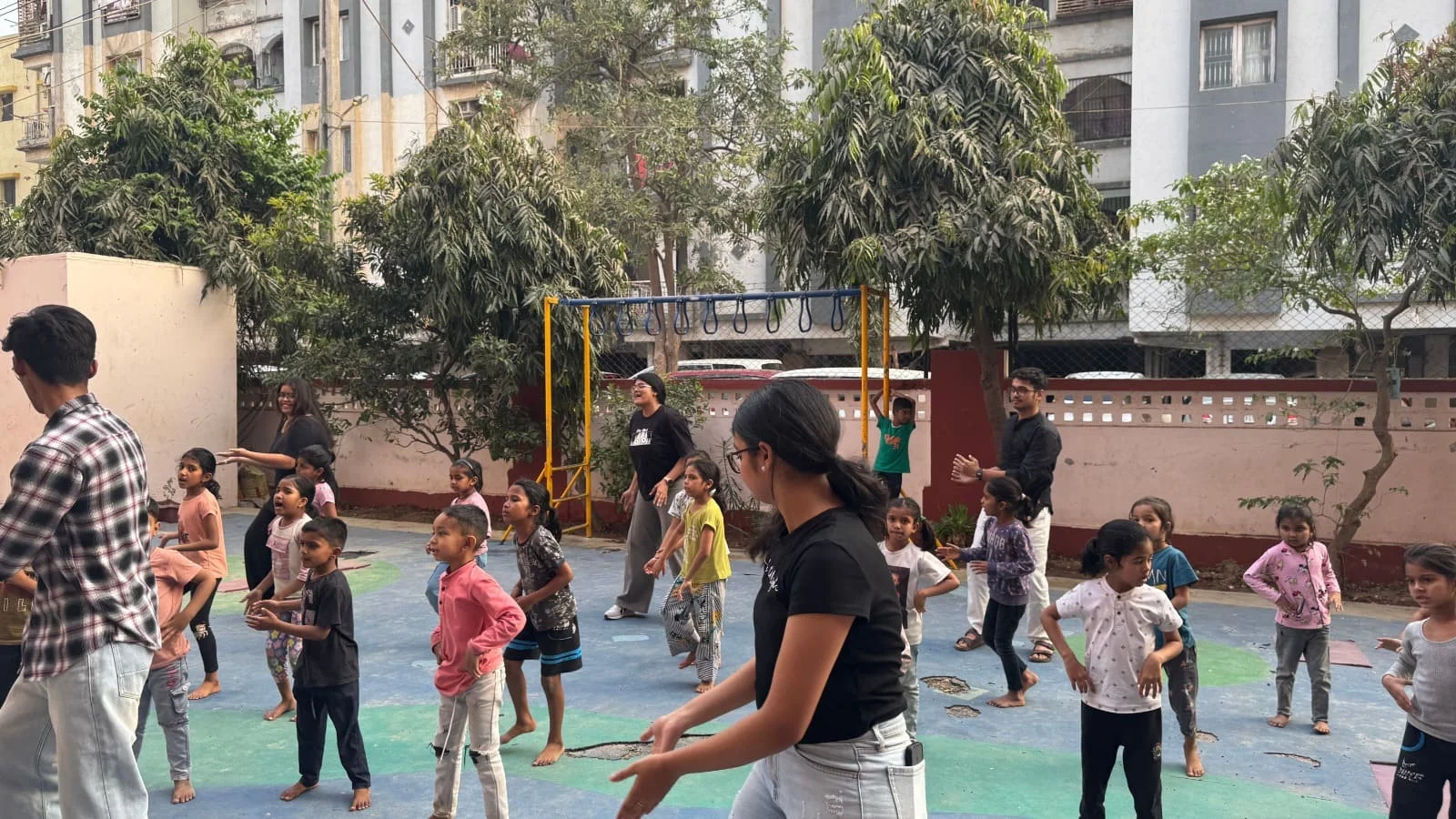
Balanced meals with fruits, vegetables, and protein are the way forward. We need to reduce screen time slowly, and get families moving together – walks and games can be a great start.
Homemade snacks can replace junk food, and simple options work best. Children should learn to eat mindfully, and small steps every day can make all the difference.
We all need to work together to act on this – it’s going to take consistency to make change happen.
Small Changes You Can Make Today
Keep fruits and nuts on hand – and choose water over sugary drinks. Try making poha, upma, or simple sandwiches at home – it’s a great way to start building healthy habits.
Some Interesting Facts
India is often known as the “diabetes capital of the world” – and the rise in childhood obesity is a major reason why these numbers are climbing so fast among younger age groups.