A child’s laughter should echo in playgrounds, not factories or brothels. Yet, over 160 million children worldwide are trapped in labour, and millions more are trafficked, robbed of education and safety. These two evils: child labour and child trafficking feed off each other, creating recurring unending cycles of poverty and exploitation. This article seeks to raise awareness, uncover the root causes, and explore real solutions to protect children’s rights and restore their lost childhoods.
Understanding Child Labour
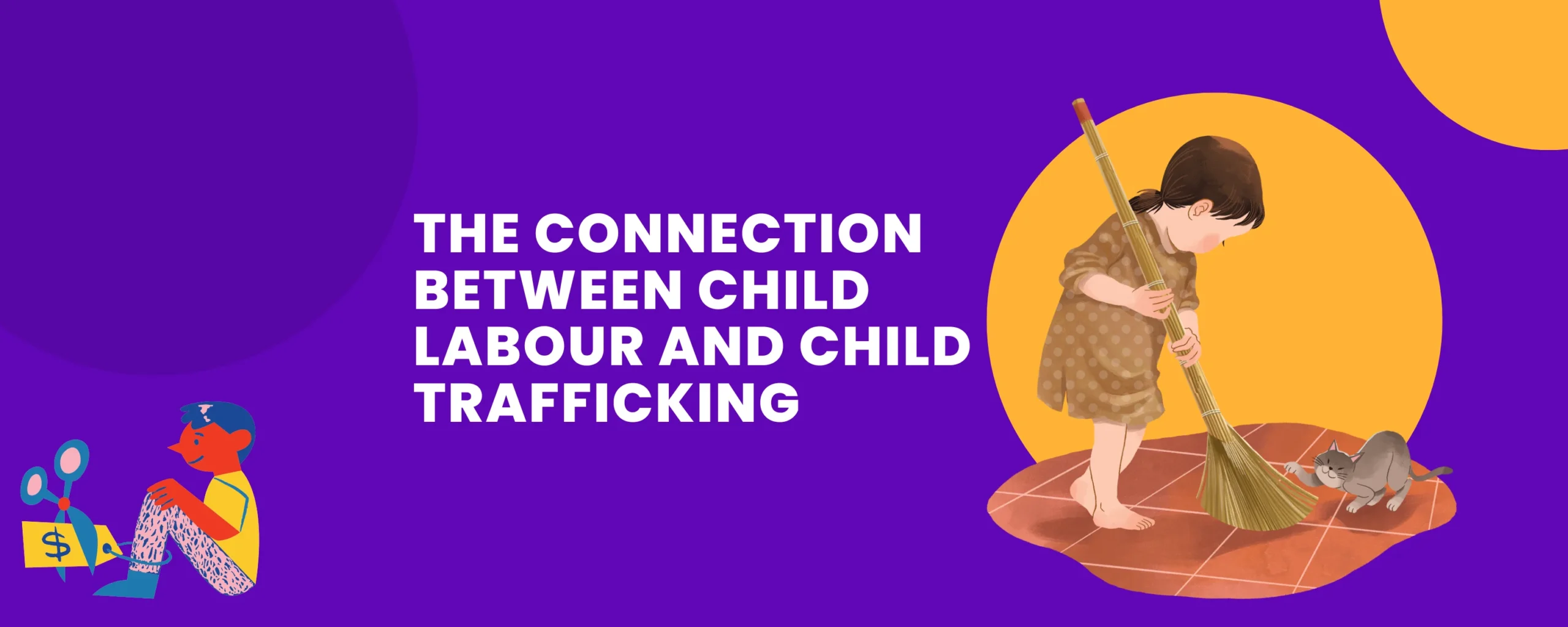
Child labour refers to situations or circumstances where children are forced to work in ways that harm their health, stop them from gaining education, or take away their childhood. However, it’s different from acceptable child work. Acceptable child work is when children help with light tasks at home or learn skills without being hurt, injured, physically burdened or missing school. Around 160 million children worldwide are in child labour. This is most common in farming, factories, mining, and domestic work. In India, about 10.1 million children aged 5-14 years work, especially in textile, brick, carpet, and farm work, often because of poverty and lack of education.
Understanding Child Trafficking
According to the United Nations Protocol to Prevent, Suppress and Punish Trafficking in Persons (2000), trafficking means the recruitment, transport, transfer, or sale of people through force, fraud, or coercion for the purpose of exploitation. When children are involved (with or without force!) it is considered trafficking.
The major types of child trafficking include:
- Forced Labour
- Sexual Exploitation
- Forced Begging by Organized Mafias
- Illegal Adoption for Profit
Children are simple targets since they are vulnerable, easily manipulated, and less likely to resist or report such abuse. Many of these children come from poor families, have lack access to education, or are displaced by conflict and natural disasters – this worsens conditions. Traffickers exploit these weaknesses, often tricking families with false promises of jobs or schooling. Weak law enforcement, demand for cheap labour, and high profits make child trafficking a growing global crime, stealing millions of young lives every year.
The Journey from Child Labour to Child Trafficking
Child labour and child trafficking are intertwined evils. When families struggle to survive, they send their children to work, believing it will bring in income and financial security. However, this desperation can lead to exploitation and eventually trafficking, as children move from one form of abuse to another.
The Cycle: Poverty → Child Labour → Exploitation → Trafficking
- Poverty: Families lack basic needs and education, forcing children to earn money.
- Child Labour:Children begin working in farms, factories, or homes for meagre wages.
- Exploitation: Employers overwork them, withhold pay, or abuse them physically and mentally.
- Trafficking: Some children are sold, lured, or transported to distant places for forced labour, begging, or sexual exploitation.
Let’s assume that a 12-year-old girl from rural Bihar is sent by her parents to “work as a maid” in the city. At first, she does household chores, but soon her employer withholds her wages and takes away her phone. She is later sold to another household, moved across cities, and denied any contact with her family – thereby becoming a victim of trafficking disguised as child labour.
| Region | Children in Child Labour | Children Trafficked/ Exploited | Domains Affected |
|---|---|---|---|
| Global | 160 million (1 in 10 children) | 1.2 million trafficked annually | Agriculture, manufacturing, domestic work |
| India | 10.1 million | 6,533 child trafficking cases reported | Agriculture, textiles, brick kilns, domestic work |
| Bangladesh | 3.5 million | 5,000+ cross-border trafficking cases yearly | Garment factories, domestic work |
| Africa | 87 million | 44% of global child labour cases | Agriculture, mining, street work |
The Exploitation of Children
Child labour and trafficking leave deep emotional, physical, and psychological scars on children that last a lifetime.
Physically, children forced into work or exploitation often suffer injuries, exhaustion, malnutrition, and exposure to unsafe environments.
Emotionally, these children live in constant fear, isolation as well as shame – stripped of love, care, and safety.
Psychologically, many of these develop anxiety, depression, or trauma – losing trust in people and hope in the future.
Beyond personal suffering, the loss of childhood years means losing years meant for learning, and growing. Instead of classrooms, these children face factories, streets, and abuse. Their dignity and potential are stolen, leaving lasting emptiness and scars (both physically and emotionally).
The impact extends to society as well. Uneducated, traumatized children grow into adults with limited opportunities, further encouraging or unconsciously promoting the same things that happened to them – poverty and inequality. The country’s economy also loses skilled workers, and communities lose the strength of healthy, educated youth.
When children are denied their rights, humanity itself weakens, for a nation’s future is built on the freedom and happiness of its children.
Current Situation of Child Labour and Child Trafficking in India
According to the 2023 U.S. Department of Labor report, India has made some progress in reducing child labour but still faces major challenges. The government rescued over 850 children from railway platforms, preventing potential trafficking. UNICEF (2024) estimated around 5 million children aged 5-17 years in India are engaged in labour, while the Global Slavery Index (2021) reported that nearly 11 million people are living in modern slavery, including children.
In India, child labour is most commonly seen in brick kilns, mining, textiles, agriculture, and domestic work. Children are also found in fireworks, glass, mica, and carpet industries, working in unsafe conditions. A 2024 case in Madhya Pradesh revealed 50 children working in a distillery with severe chemical injuries.
States of Bihar, Uttar Pradesh, Rajasthan, Madhya Pradesh, and Maharashtra report the highest child labour rates, particularly among poor, rural families. Reports from organizations like the Global Fund for Children highlight that weak law enforcement, poverty, and lack of education continue to fuel exploitation, furthermore highlighting the need for strict and robust child protection laws and efforts.
How Child Labour and Child Trafficking Are Interlinked?
Most commonly, physical labour exploitation becomes the first step toward child trafficking, trapping vulnerable families in a silent cycle of abuse. When children work in exploitative conditions such as long hours, low pay, unsafe environments, they are unprotected by law and easy targets for traffickers who promise “better jobs” or “education”.
Migration to cities in search of money or better opportunities also plays a major role. Every year, millions of children move from poor rural areas to cities like Delhi, Mumbai, and Bengaluru in search of work. According to UNICEF (2023), nearly 20% of trafficked children in India were first employed in informal labour before being transported or sold elsewhere. Once away from home, these children lose their support networks – their family, making them more vulnerable to manipulation!
The informal economy, where most child labour occurs, lacks contracts as well as regulation. Employers use this gap to exploit and transfer children across locations without record, thereby turning labour into trafficking.
For example: A case from Jharkhand (2022) revealed that over 30 tribal children were trafficked to Delhi after being promised domestic jobs. However, they ended up in forced labour in homes and factories. Similarly, in Rajasthan’s bangle industry, children from Bihar and Uttar Pradesh work in hazardous glass furnaces before being moved into bonded labour networks.
Driven by poverty, weak oversight, and false promises, labour exploitation becomes the perfect breeding ground for trafficking.
Root Causes Behind the Cycle
Poverty, illiteracy, and unemployment are the soul of child labour and trafficking. When families can barely afford food or schooling, sending a child to work seems like their only choice. Many parents, unaware of their rights due to illiteracy, fall prey to false promises of jobs or training.
Discrimination makes this already unfair situation worse. Children from lower castes, tribal areas, or marginalized communities are often the first to be exploited, since not just them but the adults of these communities as well are considered disposable, “lower class”. At the same time, weak laws and corruption allow traffickers and exploiters to escape punishment. Police raids happen, but convictions are rare.
On a global scale, the demand for cheap products – from clothes and carpets to fireworks and food – further fuels this suffering. Factories and workshops cut costs by hiring children, exploiting their rights.
International and National Efforts to Combat These Issues
Global Treaties
The United Nations Convention on the Rights of the Child (UNCRC) guarantees children the right to education, protection from economic exploitation, and freedom from trafficking. Signatory countries (including India) are obligated to prevent child labour and protect children from abuse. The International Labour Organization (ILO) has also set conventions – particularly Convention No. 138 (Minimum Age) and No. 182 (Worst Forms of Child Labour) – encouraging nations to eliminate exploitative work and protect children in hazardous jobs.
India’s Laws
India enforces several laws to protect the children of its country. The Child Labour (Prohibition and Regulation) Act bans employment of children under 14 years in all occupations and adolescents (14 – 18 years) in hazardous work. The Juvenile Justice (Care and Protection of Children) Act and The Immoral Traffic (Prevention) Act function to prevent trafficking and sexual exploitation. Furthermore, the Integrated Child Protection Scheme (ICPS) provides rescue, rehabilitation, and legal support to any affected children.
Let’s Consider Some Examples:
In Madhya Pradesh (2023), police rescued 50 children from illegal brick kilns. Immediate medical aid, counseling, and placement in a government shelter home helped reintegrate these students first into schools, then society.
In West Bengal, a textile factory employing 30 children was shut down following a complaint, and the management was prosecuted under the Child Labour Act. NGOs like Save the Children India often collaborate with authorities to conduct raids, provide rehabilitation, and track long-term reintegration of these children.
Role of Communities and Education in Breaking the Cycle
Awareness is the first step in solving any problem – in this case, protecting children from getting exploited through labour and trafficking. When communities and societies understand the dangers, warning signs, and legal protections, they can identify risks early and take action to keep children safe. Education plays a vital role – not just in schools, but also as a tool for empowerment. Learning skills, literacy, and confidence helps children resist exploitation, dream of a better future, and break cycles of generational poverty and exploitation.
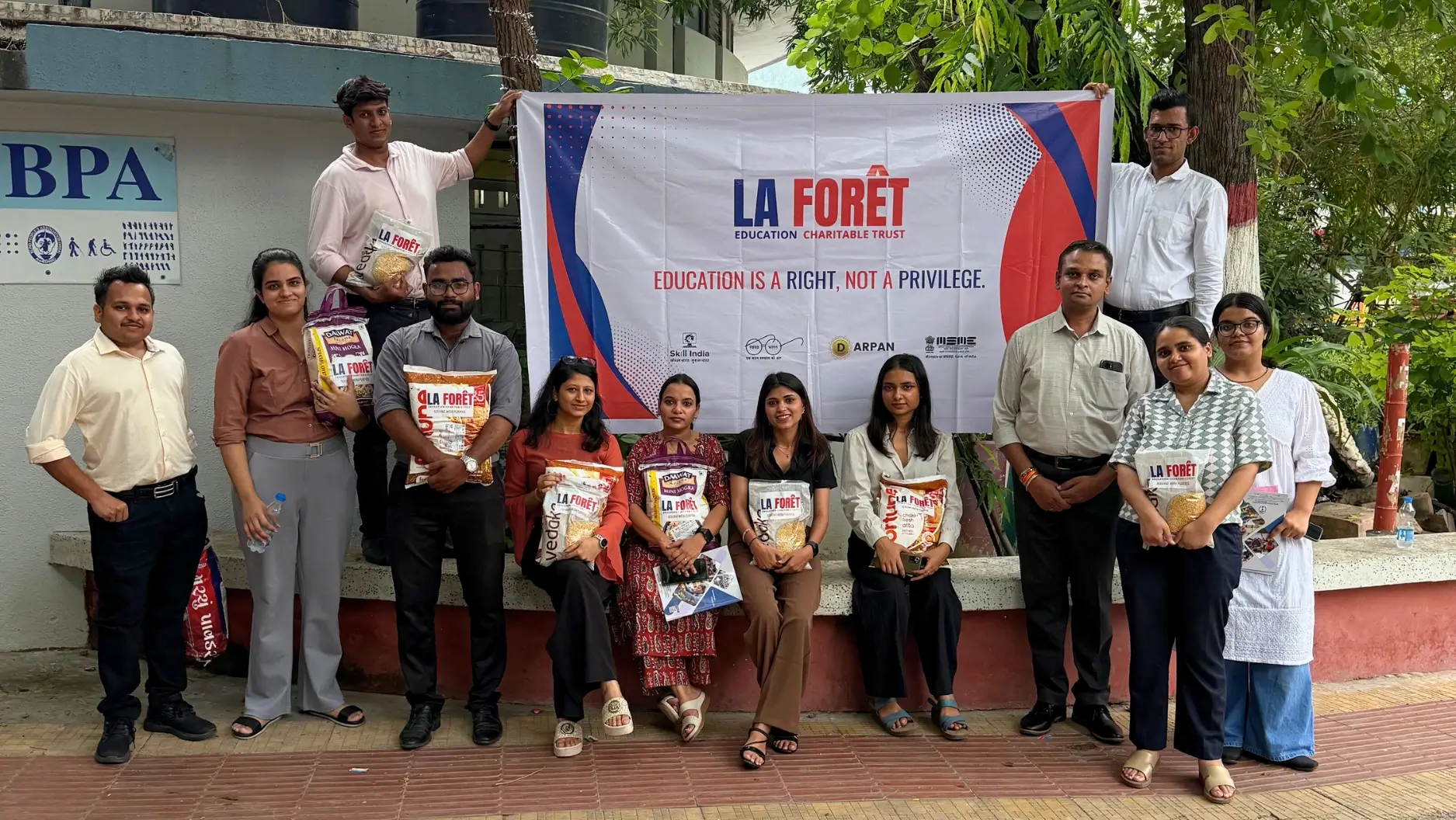
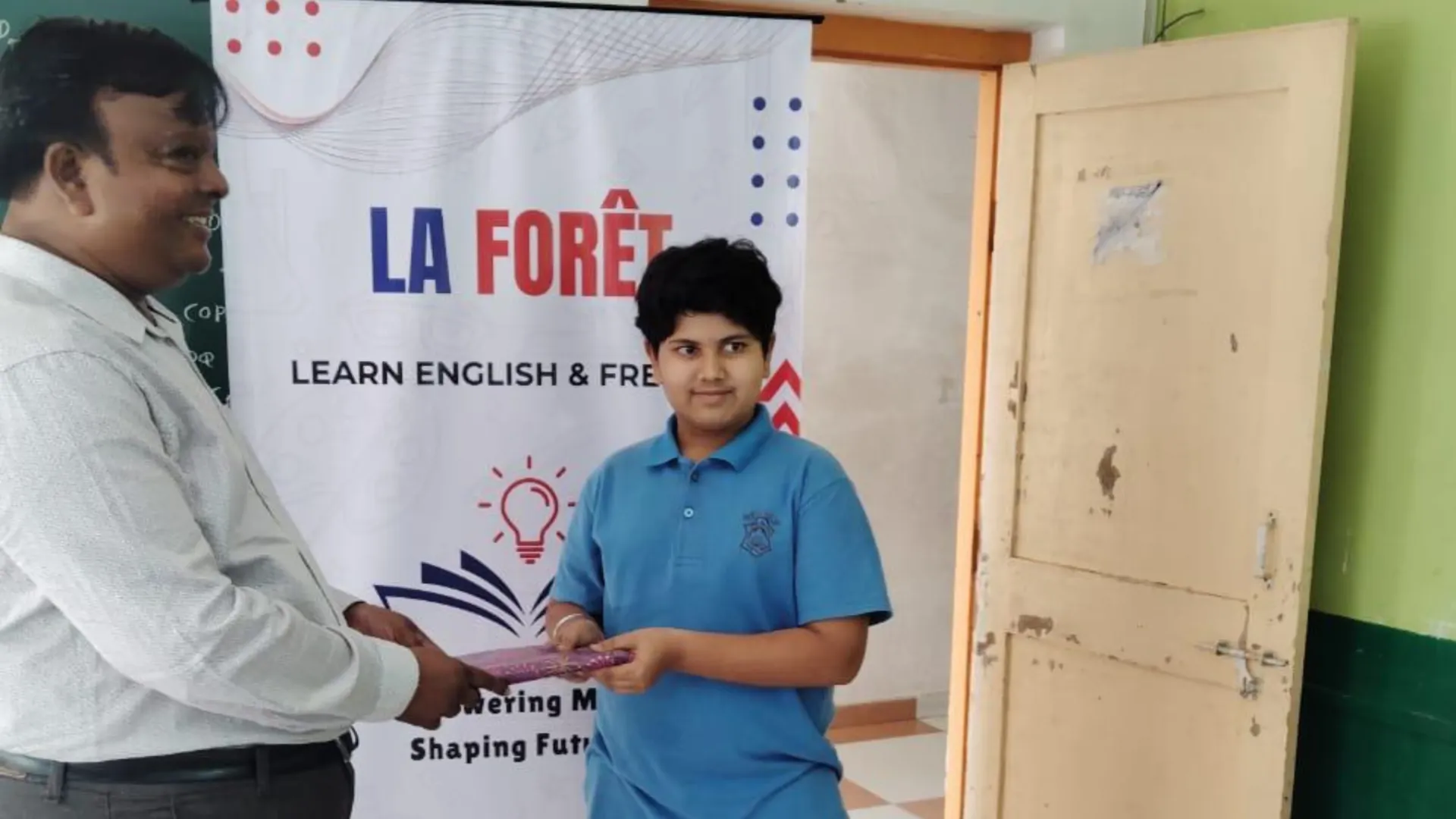
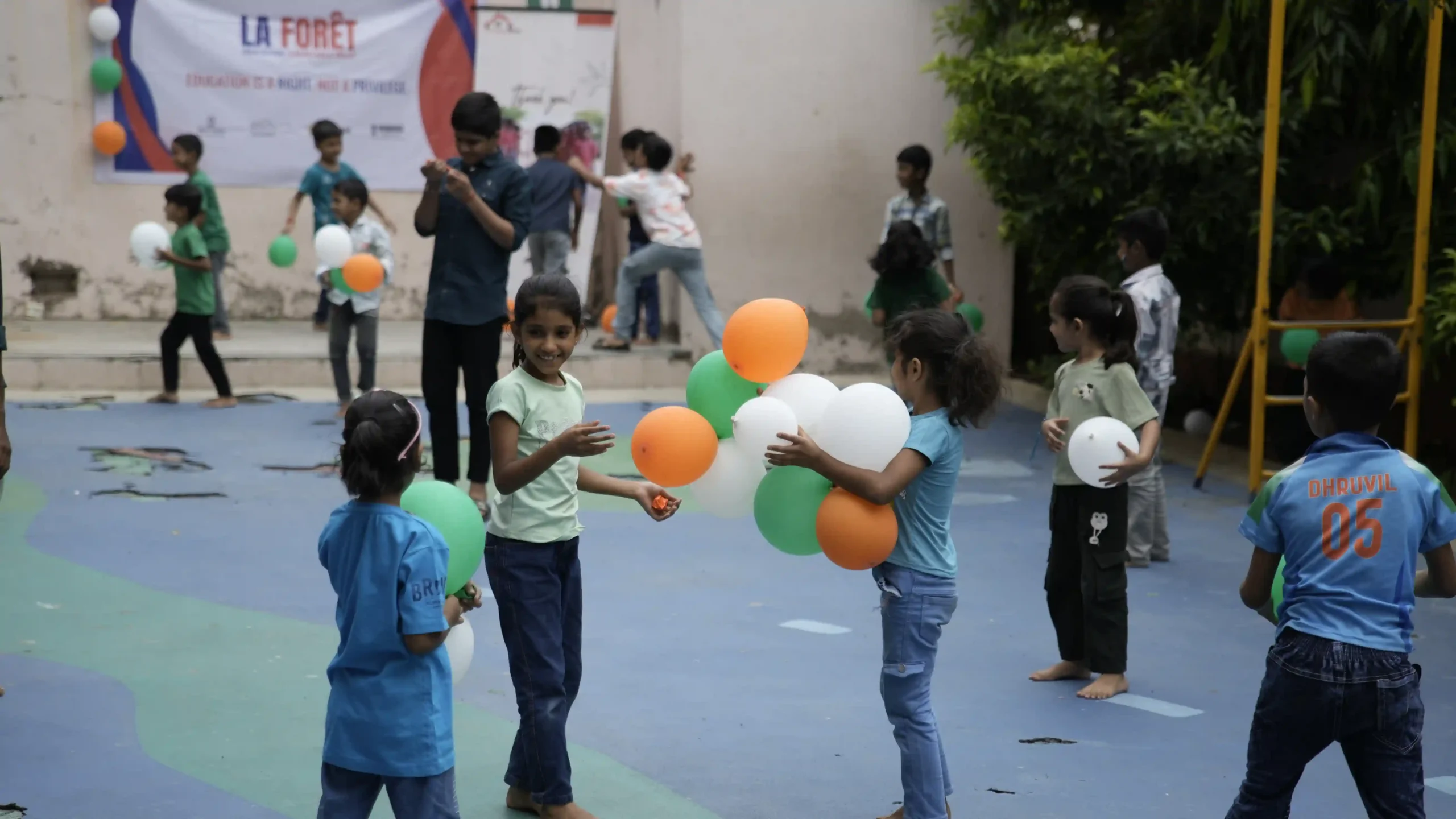
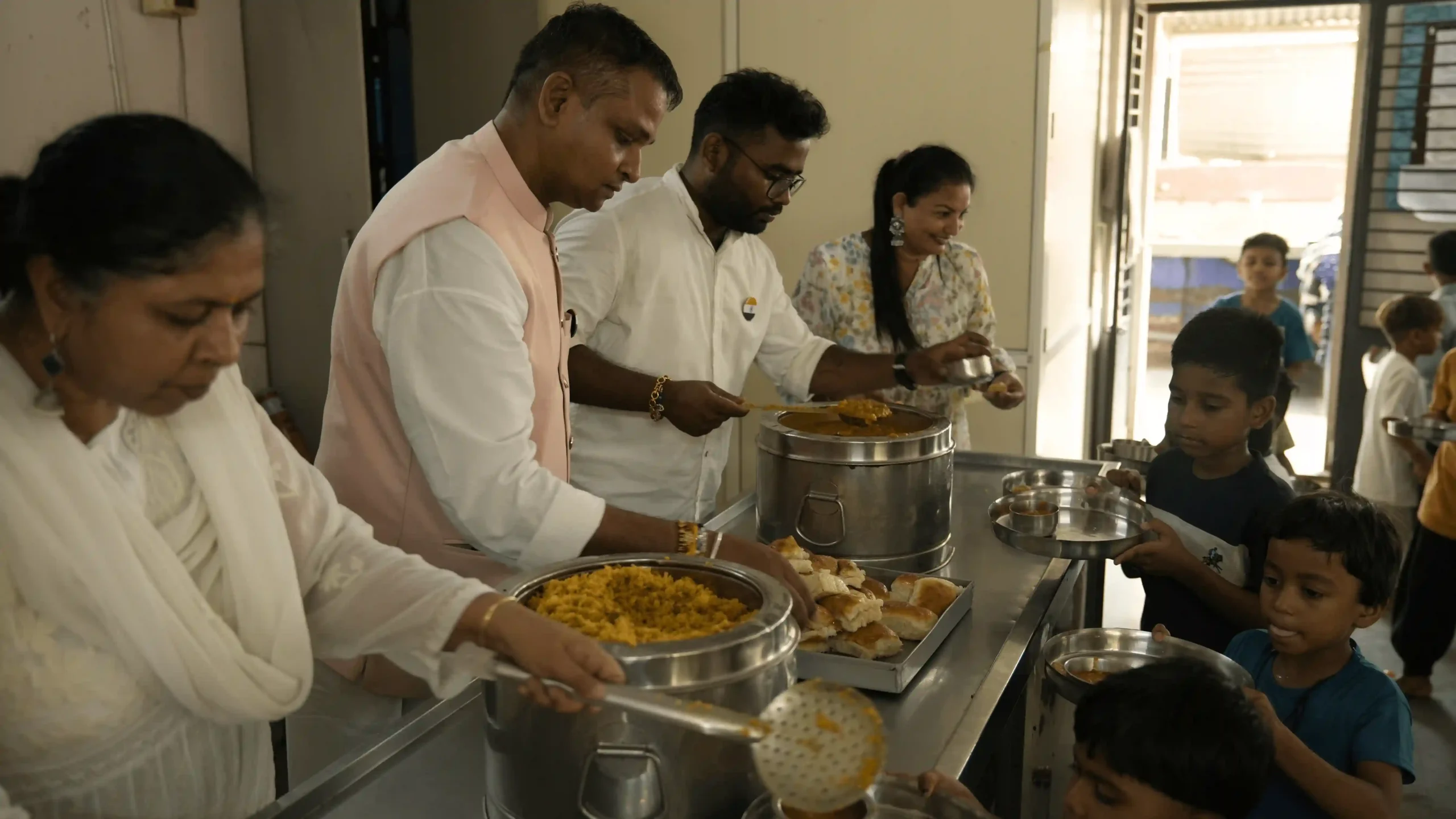
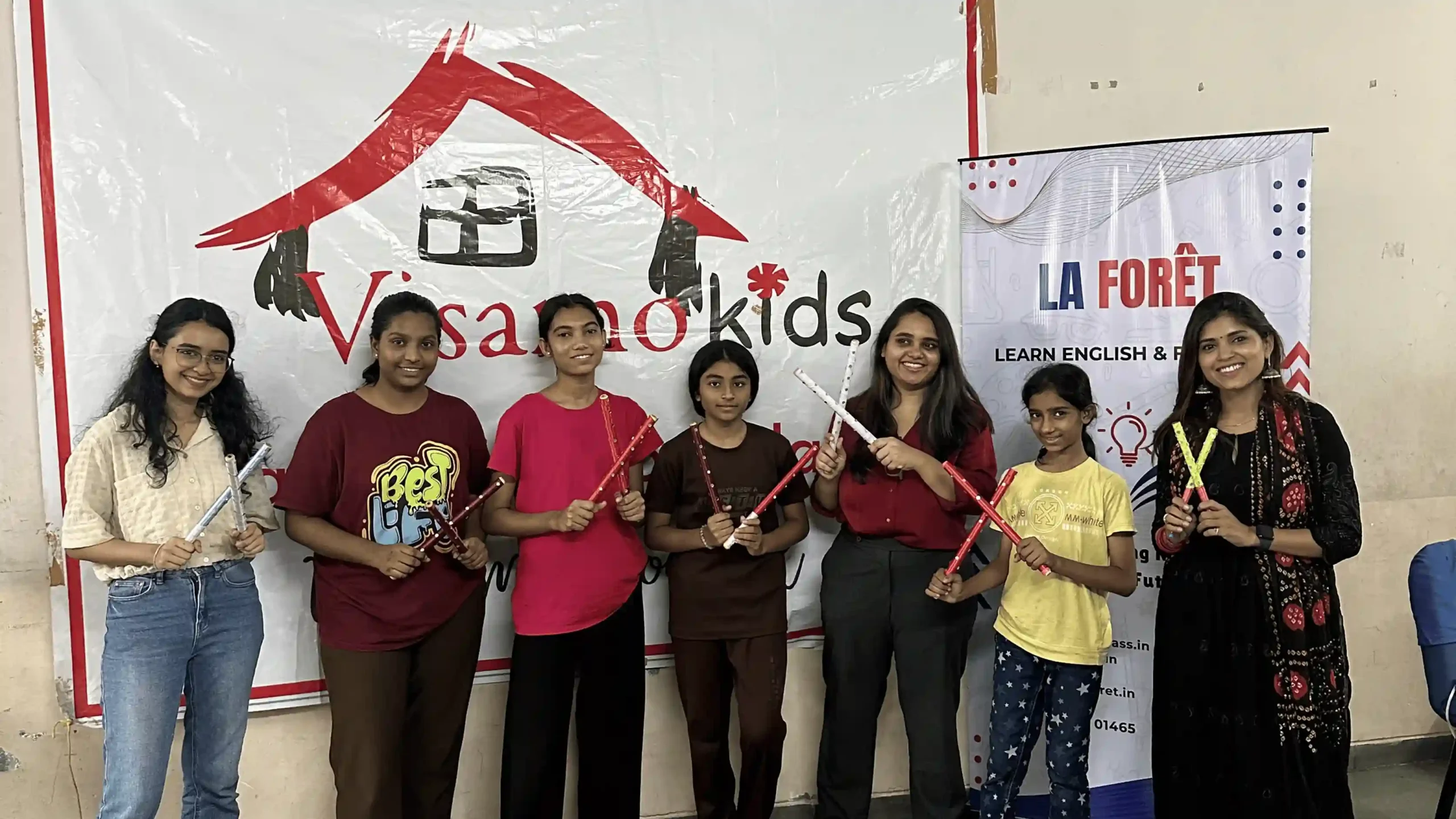
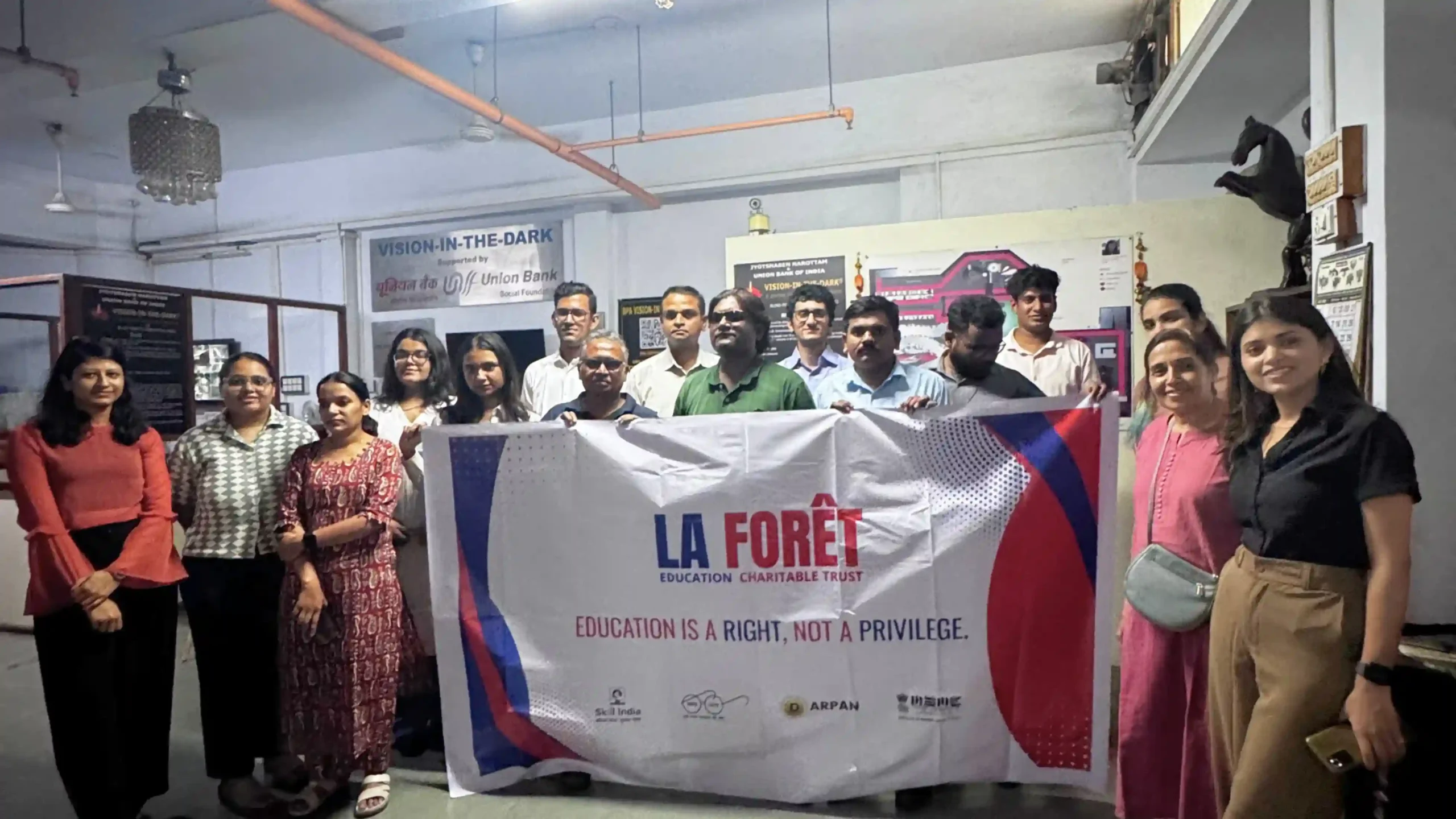
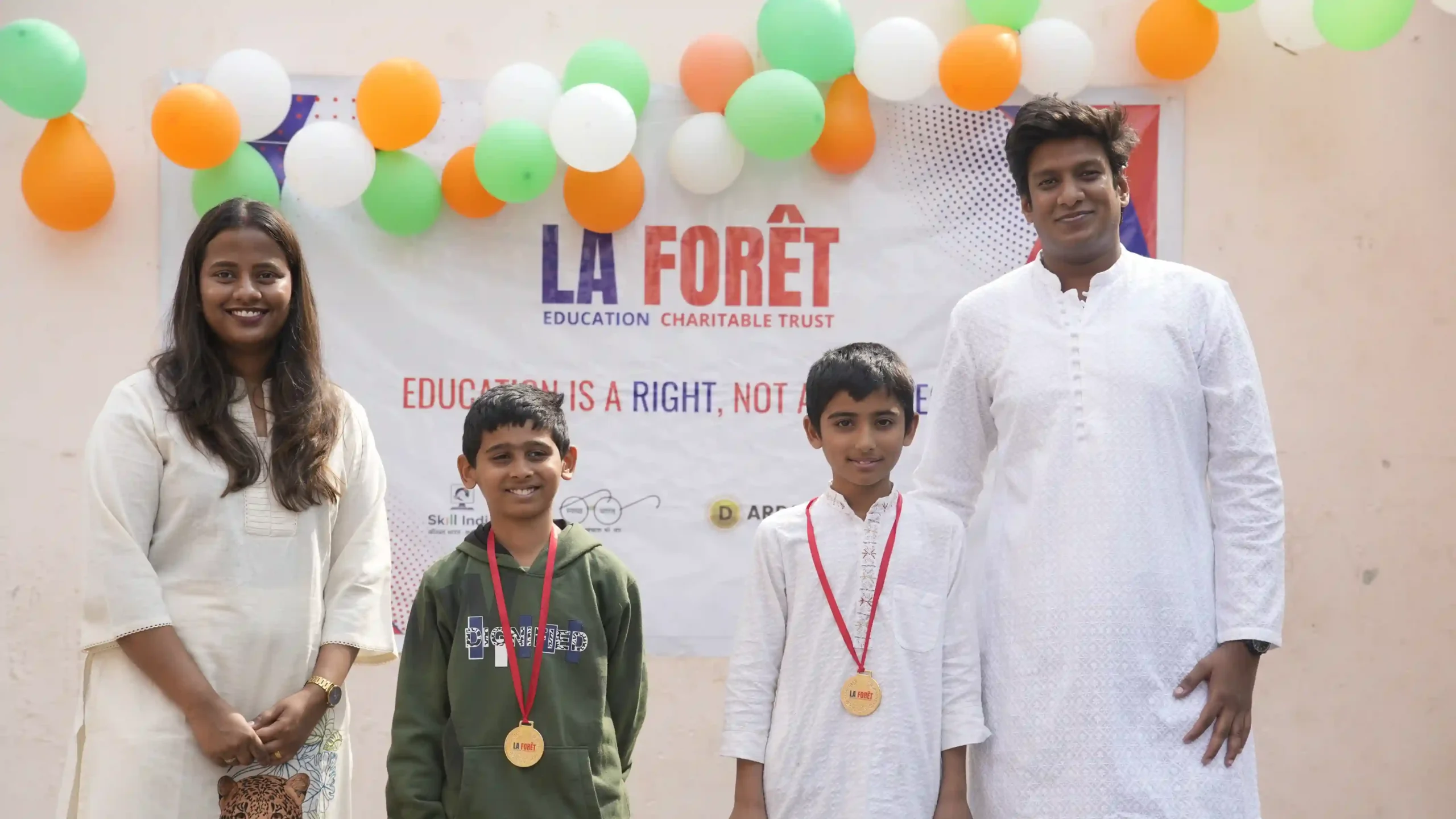
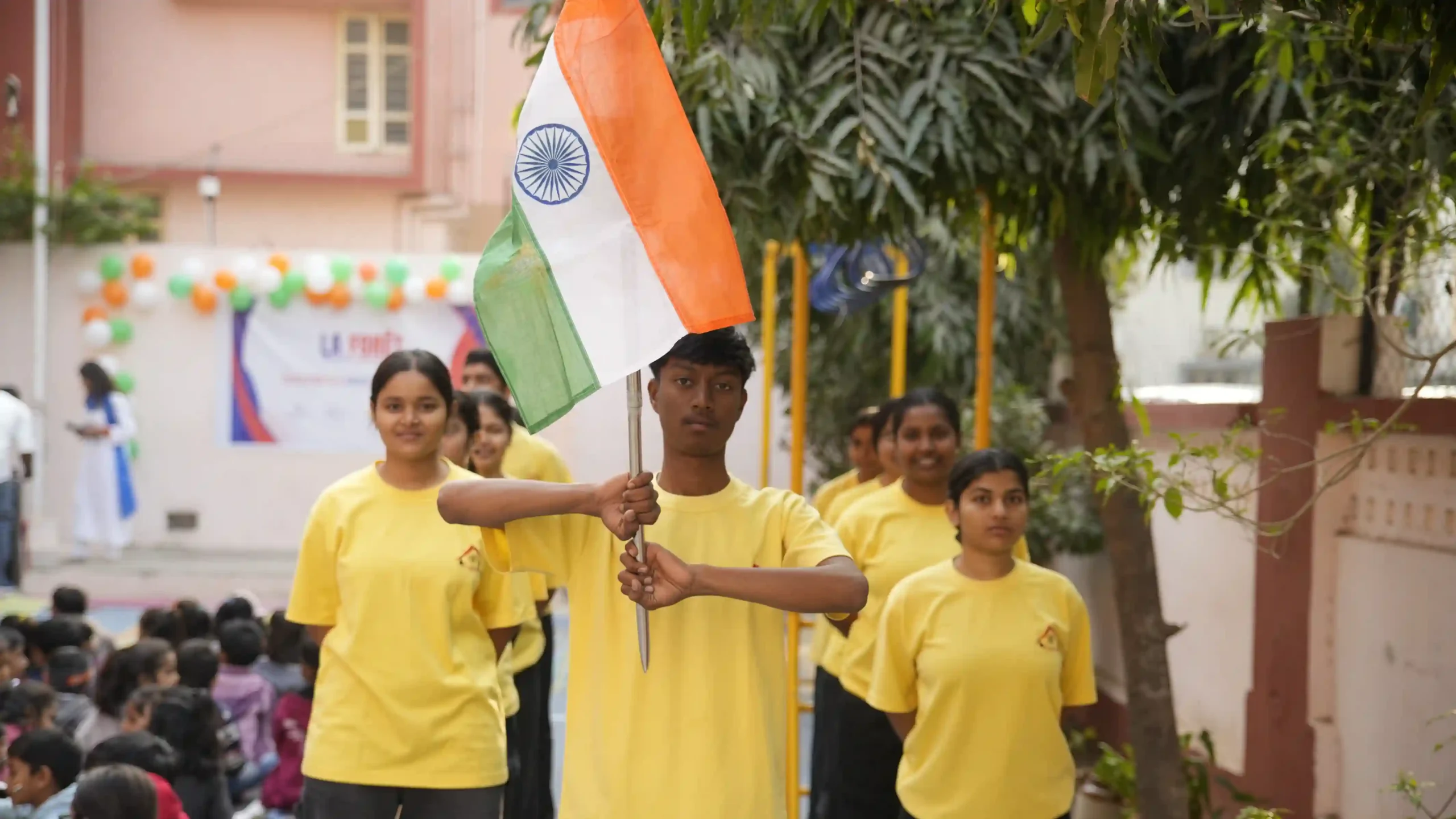
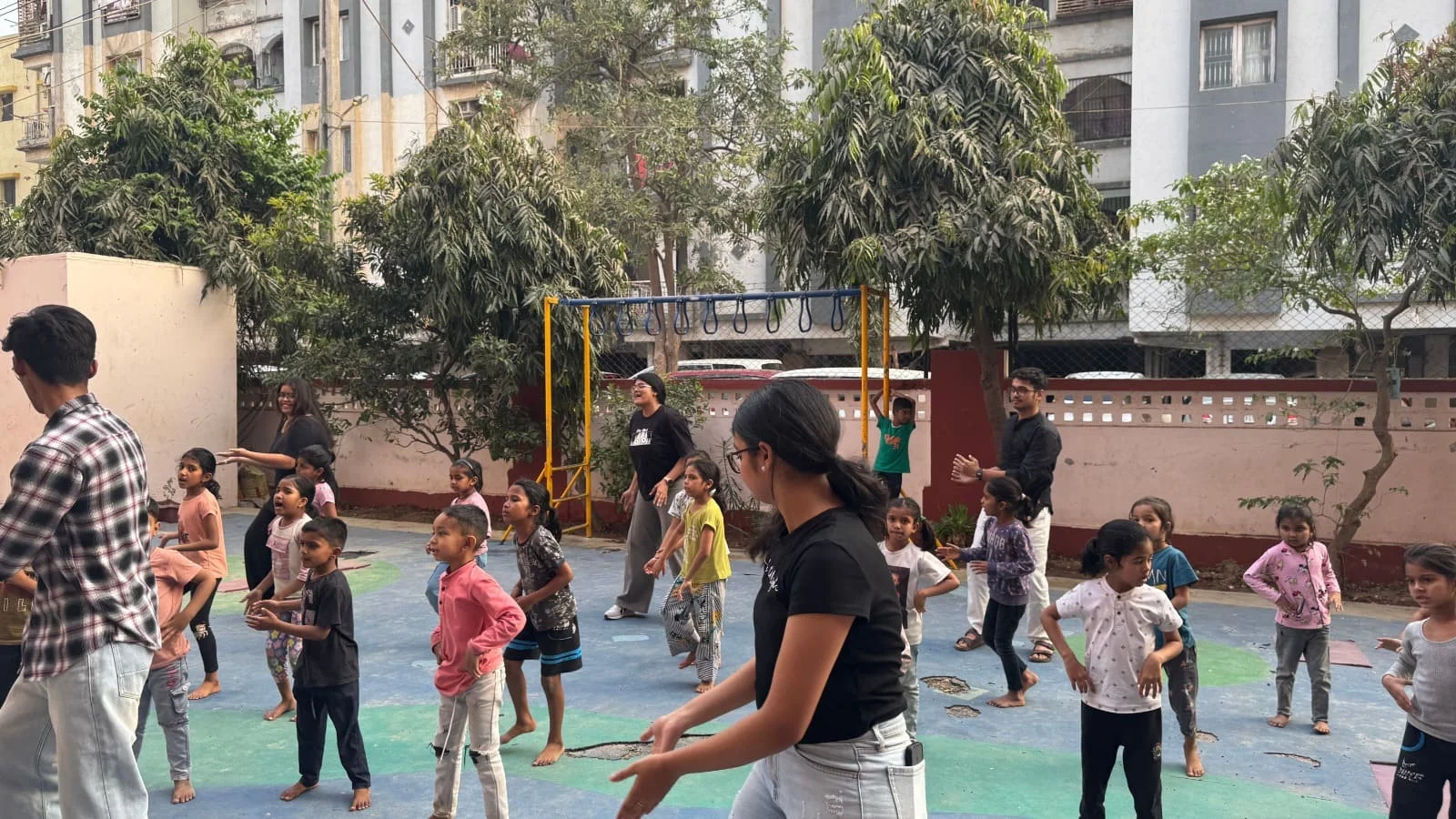
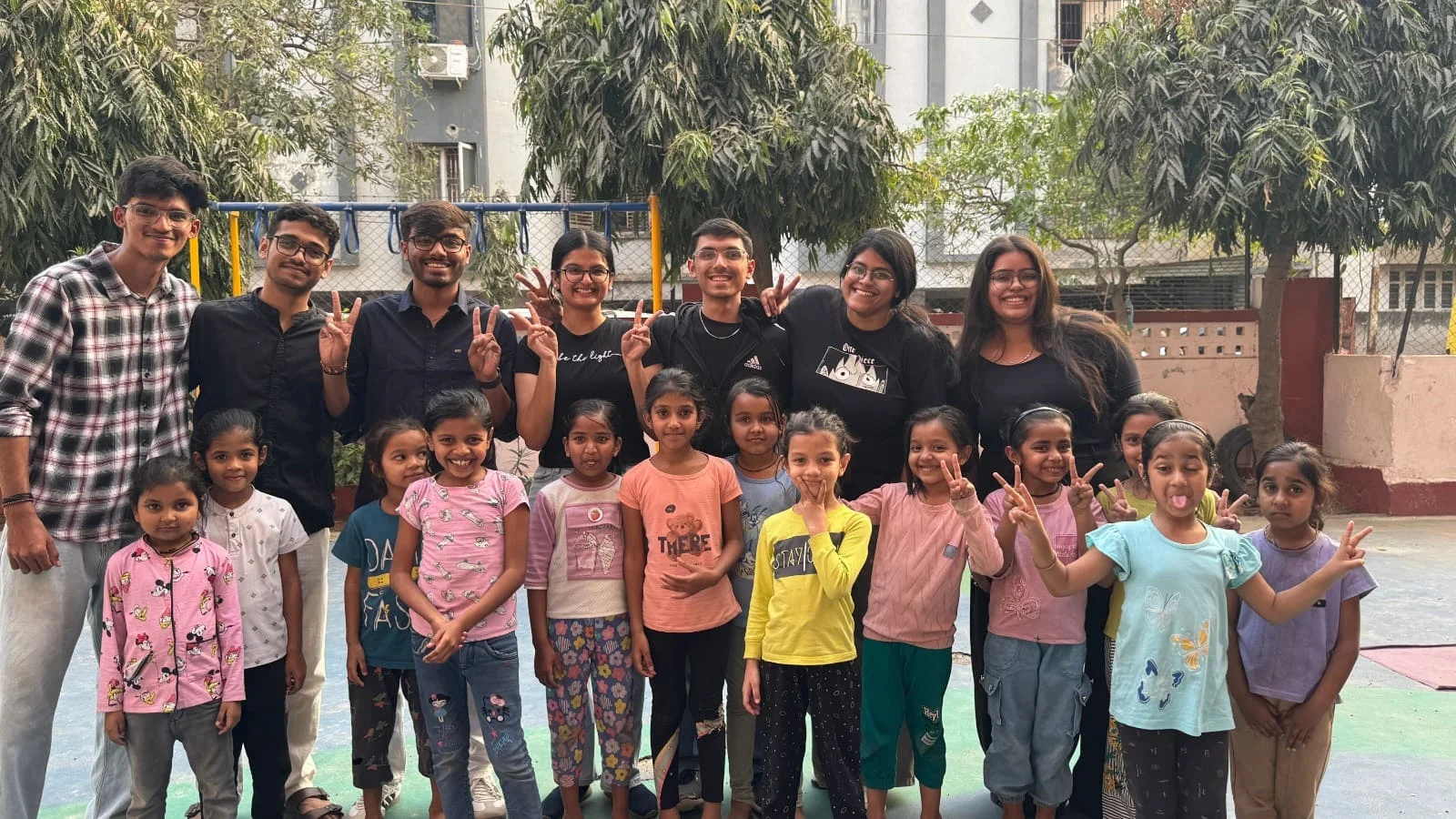
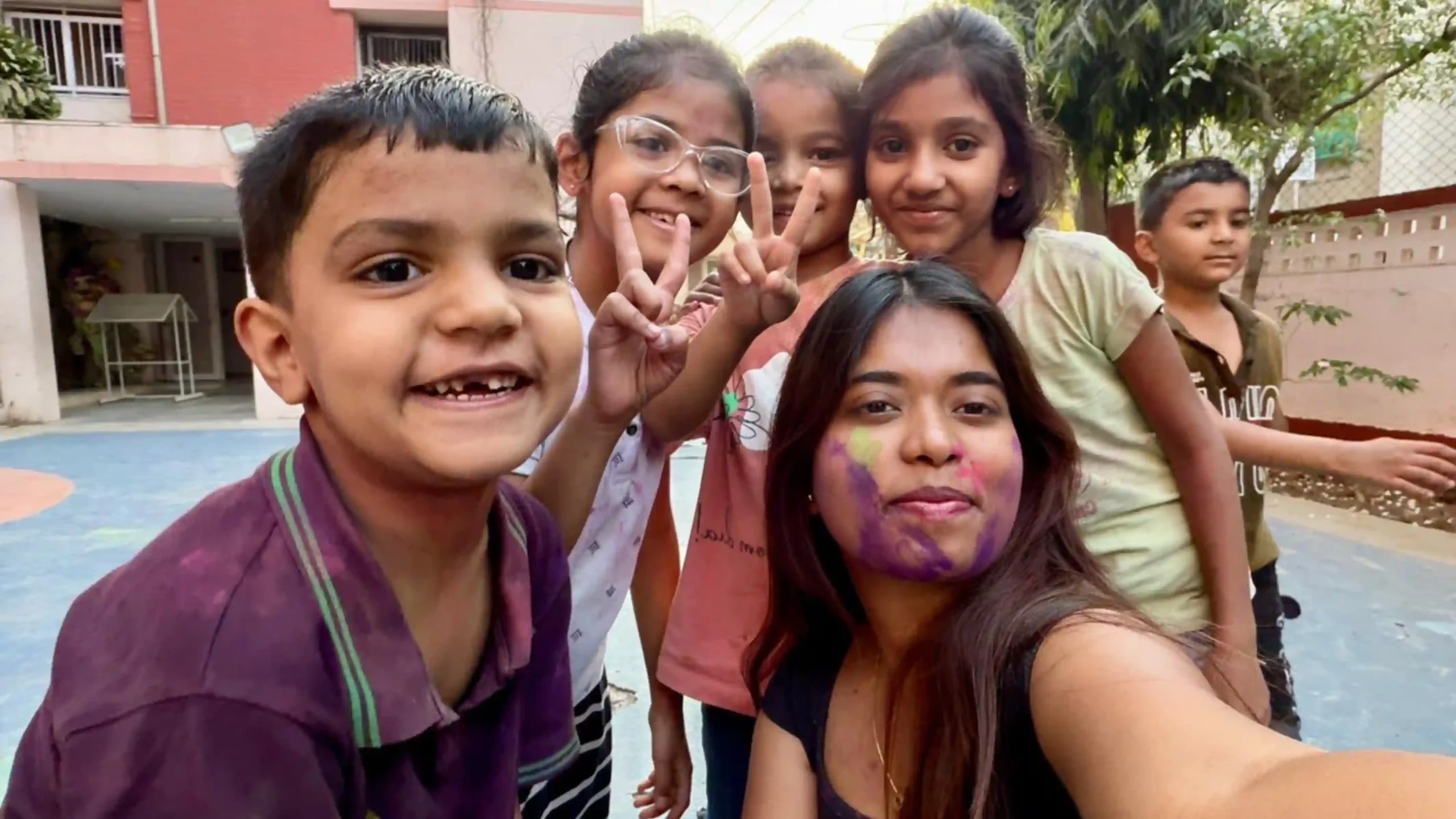
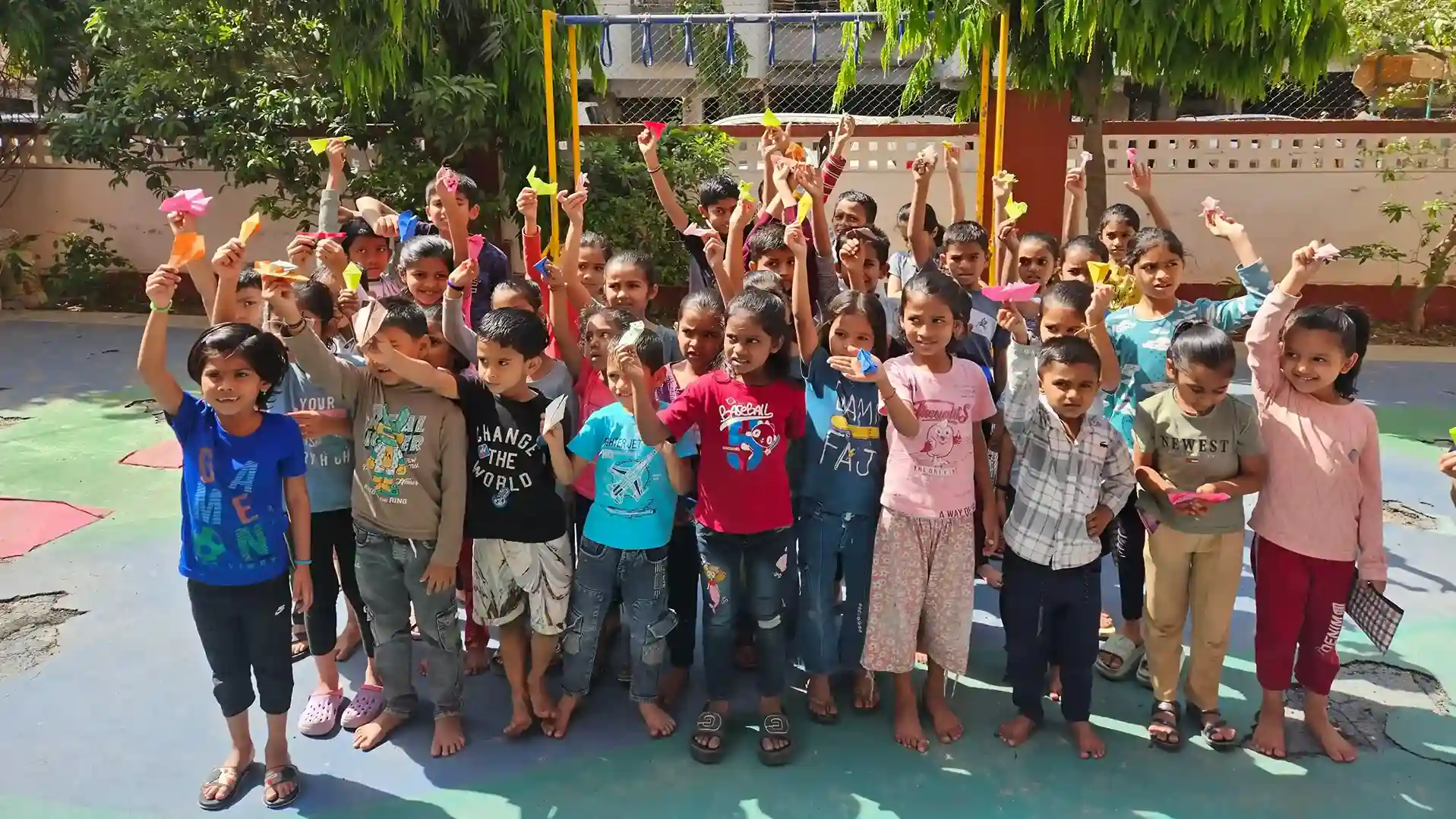
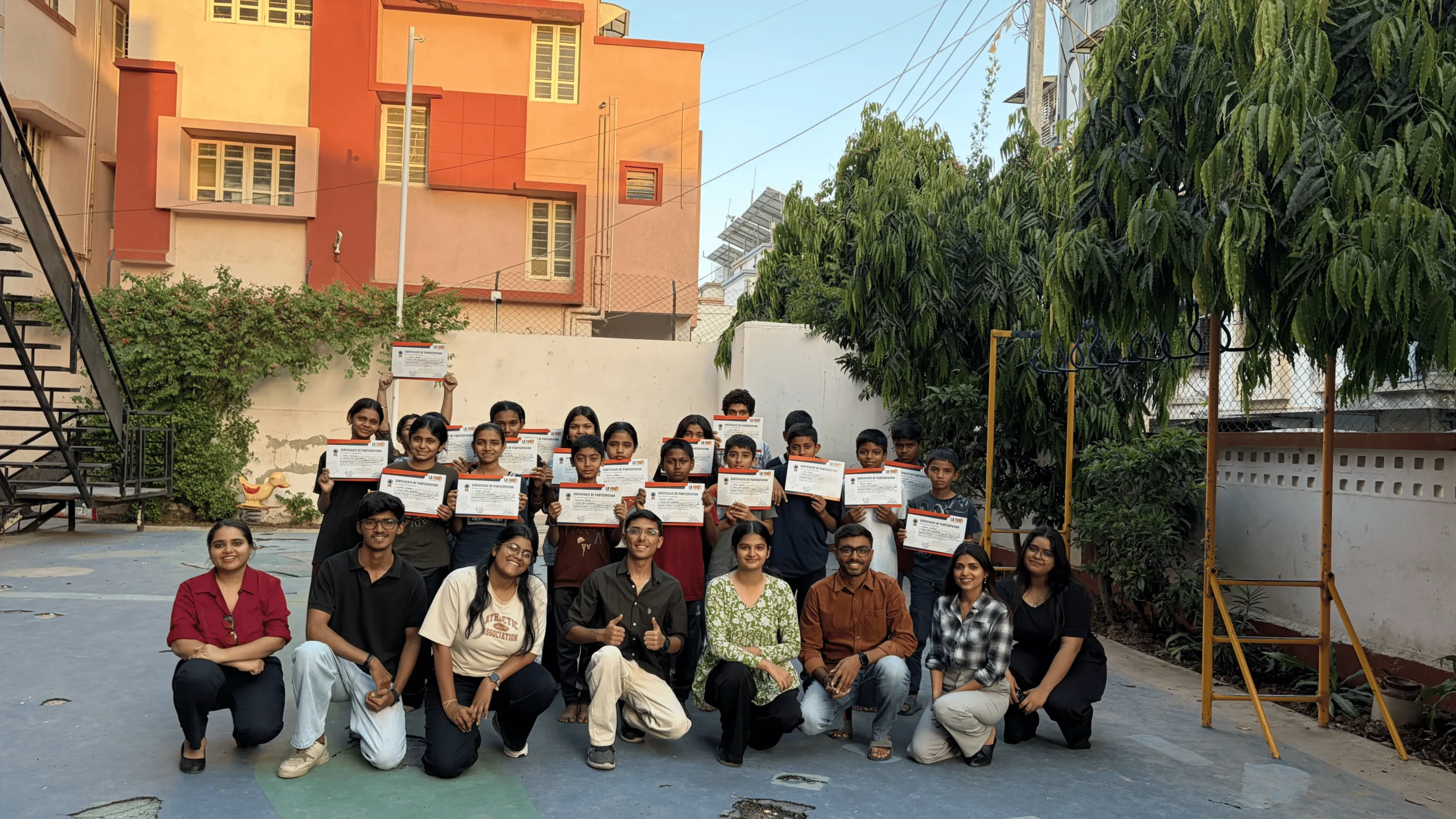
Programs that combine such awareness with practical learning make the biggest impact. For example, initiatives by organizations like La Forêt Education Charitable Trust provide educational kits, workshops, and mentorship, helping children from underprivileged backgrounds stay in school and develop crucial skills. By equipping children and families with knowledge and opportunities, these efforts will eventually aid in preventing child labour and trafficking before it even begins, giving every child a chance to enjoy their childhood in its true essence and dream of a bigger and brighter future!
Final Thoughts
Child labour and trafficking remain issues of utmost importance in today’s world. Immediate action with long-term efforts is needed to protect, educate, and empower these children and their families before exploitation takes root. But how? Community is the answer! Through collective awareness, community involvement, and quality education, we as a whole can break this cycle and restore childhoods. Every small effort counts, be it donating to organizations like La Forêt Education Charitable Trust or something as small as making your house help aware of her child’s rights can help the country and the world in moving one step closer to giving children the chance to thrive safely and happily.