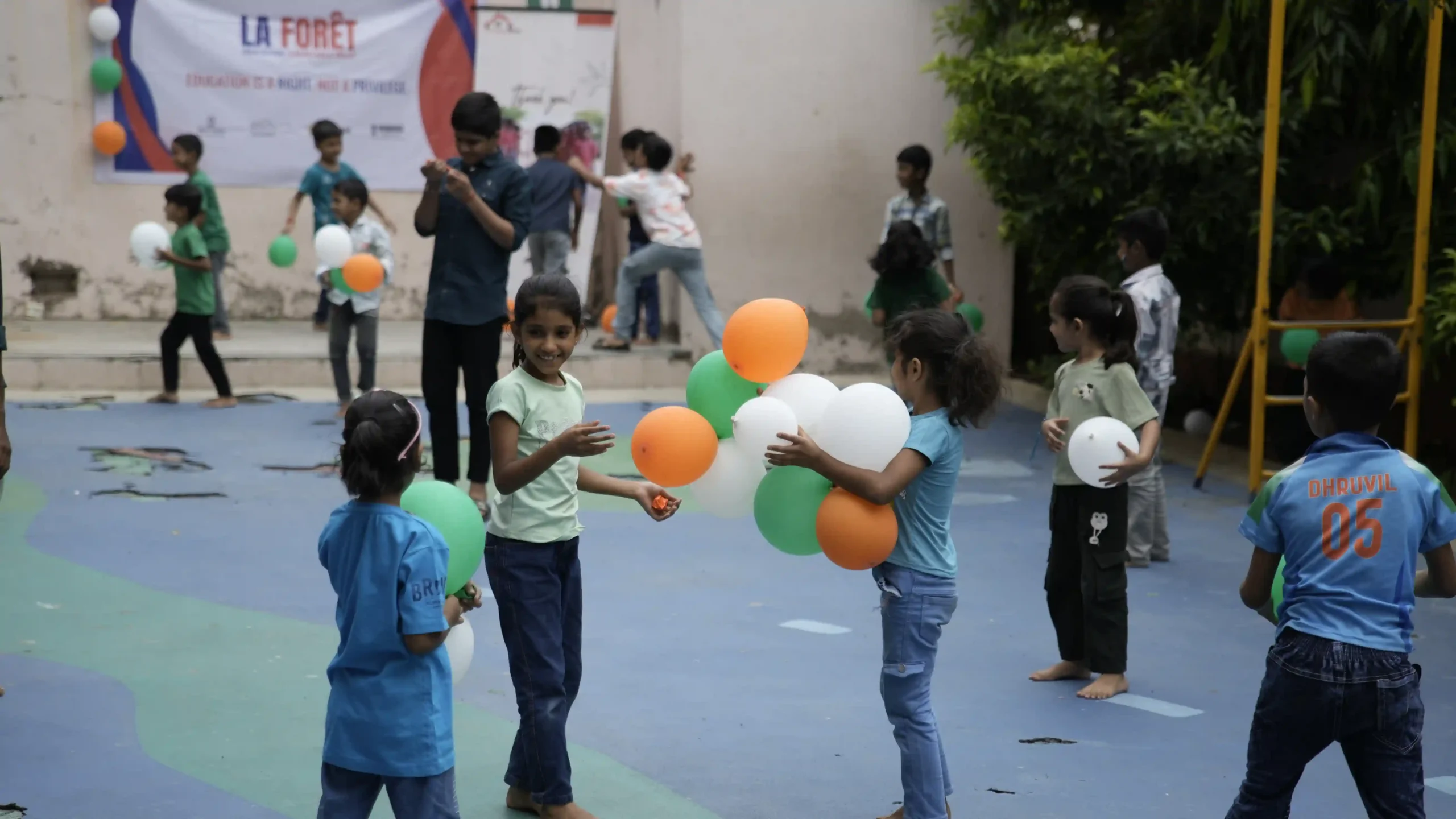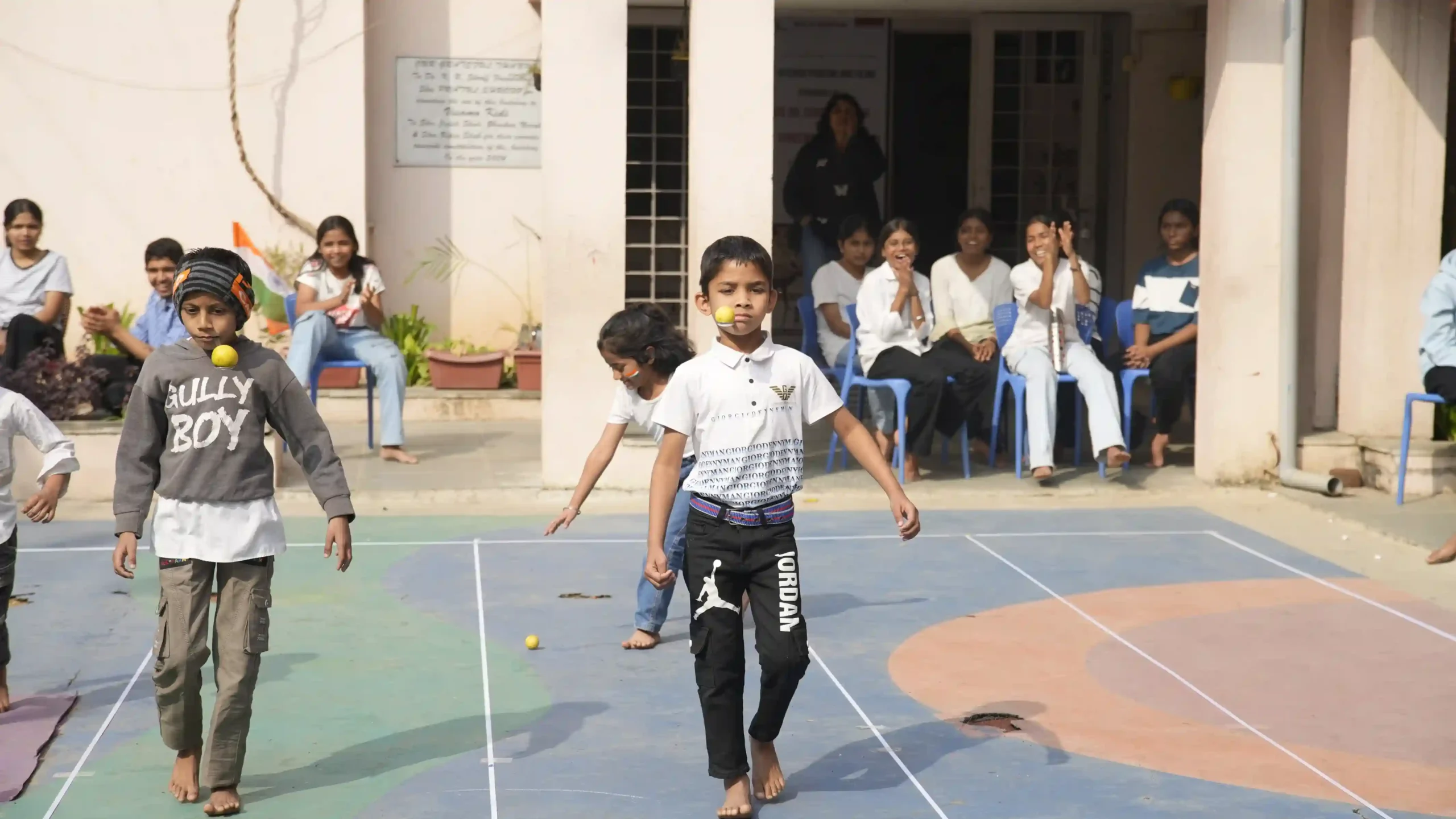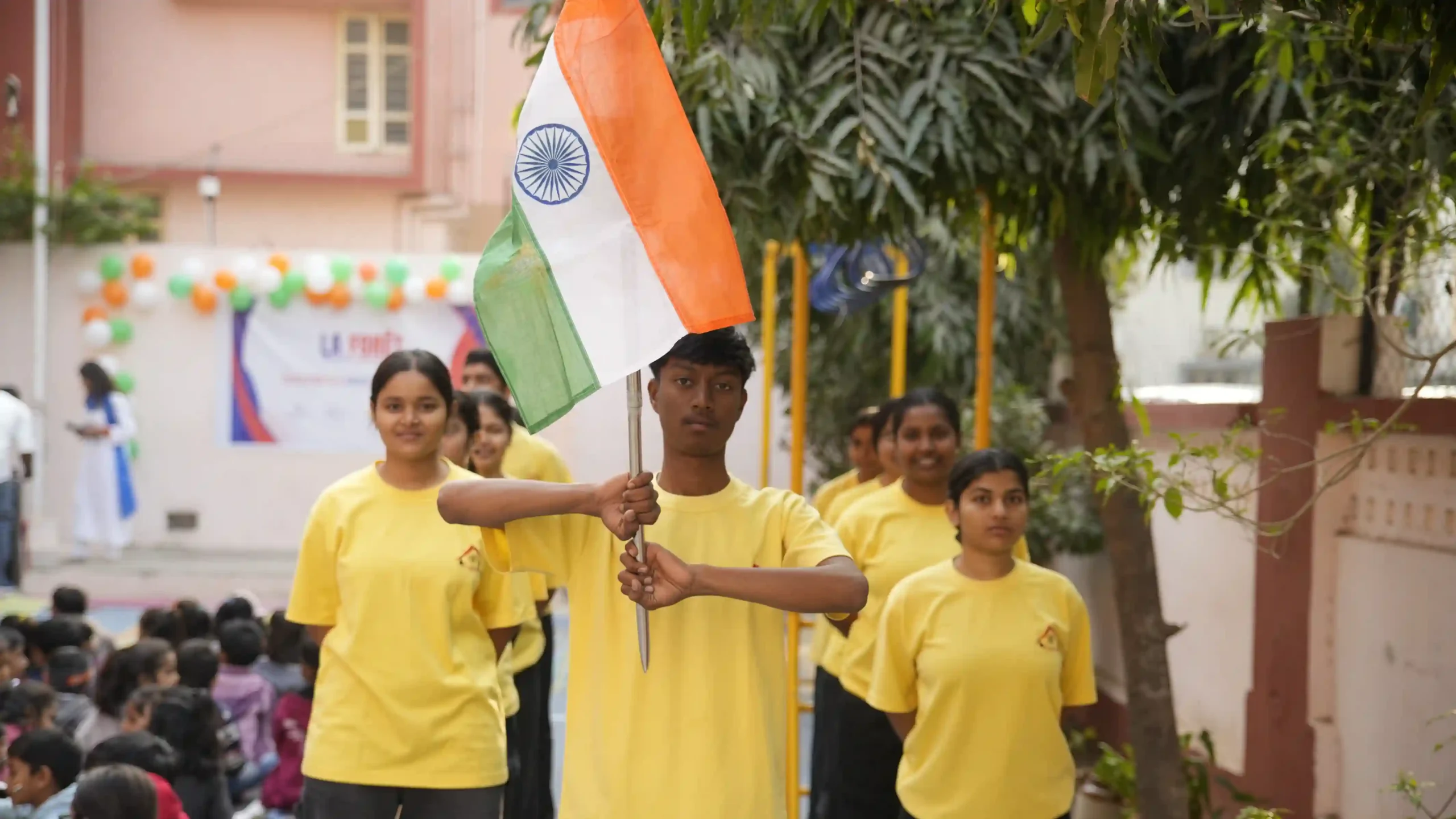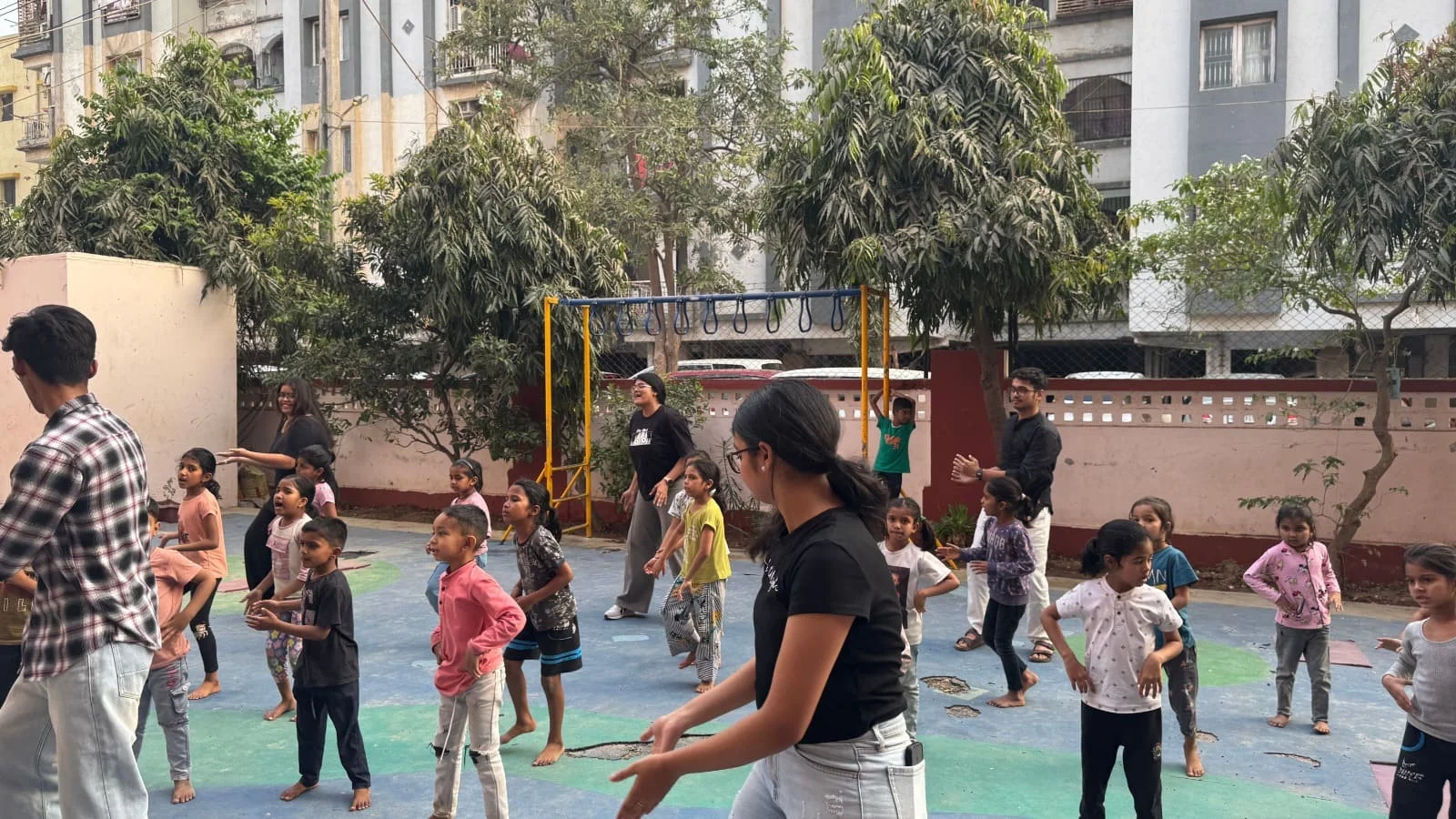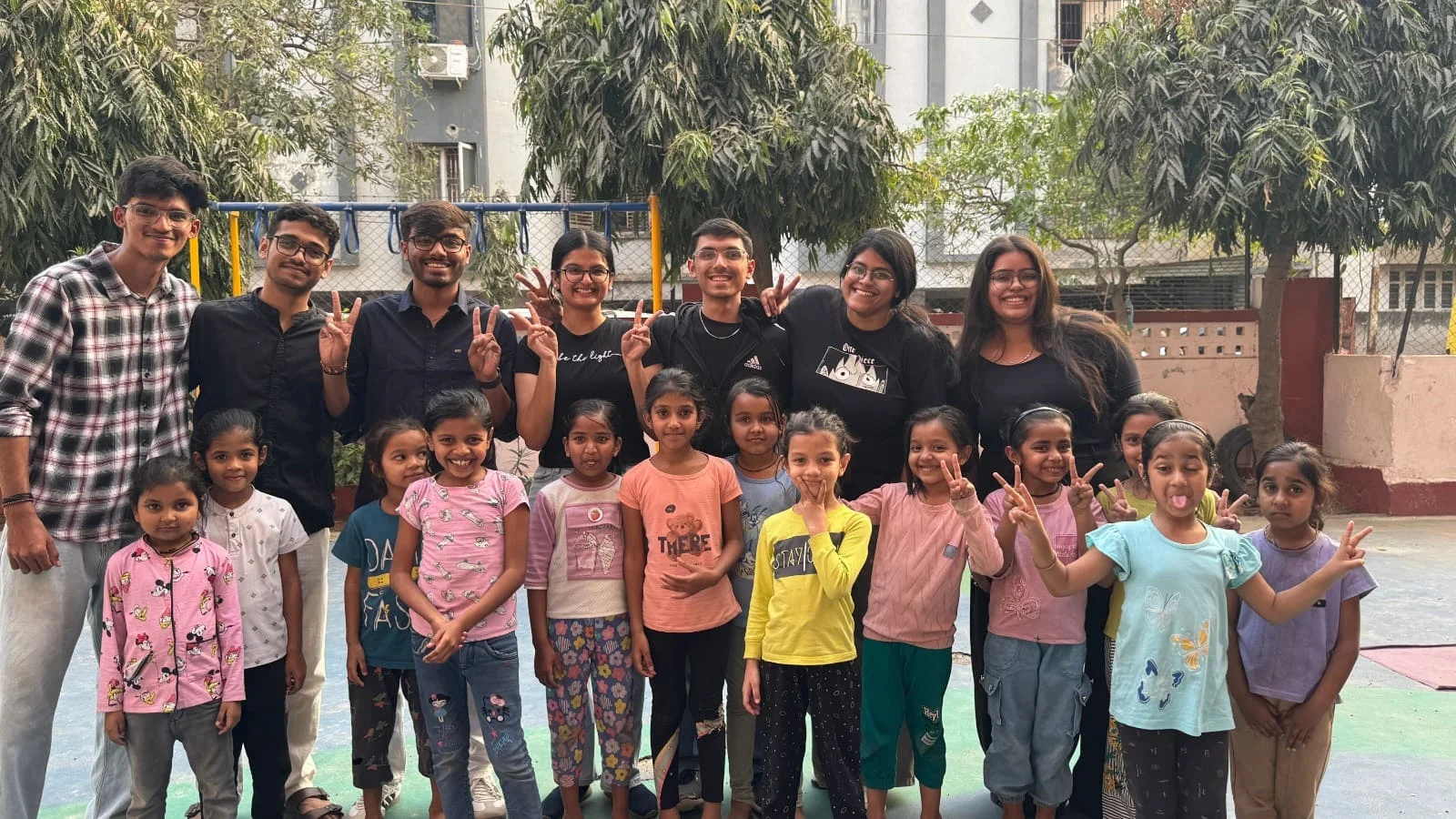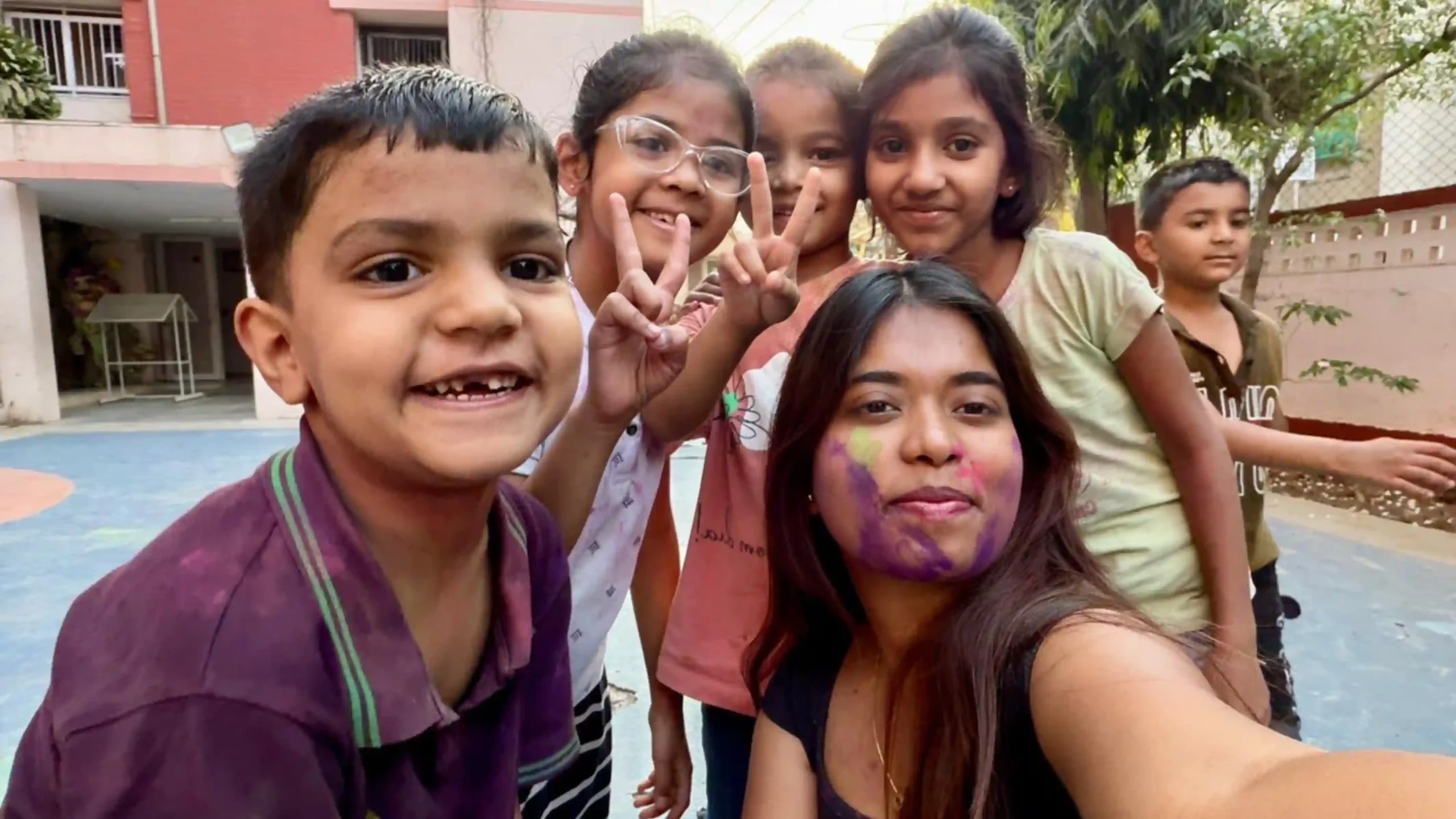
What comes to your mind when we say “childhood”. Isn’t it the sound of laughter, the dirt on scraped knees, and the excitement to go to school. Childhood is fundamentally defined by simple, unrestrained play. It brings joy, learning, confidence, and memories that last a lifetime. Sadly, for millions of underprivileged children across India, play is not a part of growing up, it’s a distant, distant, almost unimaginable luxury. Poverty, unsafe surroundings, and lack of supportive environments often force them to trade toys for work and freedom for survival. This painful deprivation of the simple joy of games is a silent tragedy that connects us all to the core issue: every child deserves to play.
What Does ‘Right to Play’ Truly Mean?
The Right to Play is recognised by UNICEF and Article 31 of the United Nations Convention on the Rights of the Child (UNCRC) as a basic human right. It states that every child has the right to rest and leisure, to engage in play and recreational activities appropriate to their age. But in most poor Indian households, that right is either unknown or deliberately sidelined. Food, of course, is a priority. But play? That’s seen as a distraction or, worse, a luxury. But this right is not about luxury, it is about development, dignity, and freedom.
Play shapes a child in powerful ways. Physically, it develops gross motor skills, strengthens bones, improves coordination, and builds fitness. Emotionally, it teaches children how to express themselves, manage feelings, and cope with defeat. Socially, play encourages teamwork, leadership, problem-solving, and confidence. And intellectually, it helps children sharpen imagination, curiosity, and decision-making. Most importantly, play teaches life skills that no textbook can replace i.e. negotiation, empathy, resilience, and creativity.
Children who play regularly often feel more secure, happier, and connected to others. Those who do not experience play may struggle with stress, low confidence, or social withdrawal. Thus without play, the building blocks of their future personality and intellect is severely compromised. The Right to Play is not a privilege limited to a few. It is a necessity that shapes healthy childhoods and prepares children to face life with strength and joy.
Why Are Poor Children in India Missing Out on Play?
Millions of underprivileged children in India grow up without access to toys and safe play spaces. Several socio-economic factors contribute to this loss.
- Child Labour and Financial Struggles: Many children are forced into child labour or household responsibilities because their families struggle financially. Instead of playing outdoors, they spend hours working in fields, factories, construction sites, or homes. Time that should be spent learning and playing is used for survival. Their “workday” replaces their “play day.”
- Lack of Open, Safe Playgrounds: Safe playgrounds are scarce and open green spaces are shrinking. Concrete structures replace parks, leaving no safe areas. And even if space exists, it’s often dirty, poorly maintained, or unsafe or far from homes.
- Urbanisation Replacing Play Spaces: As cities expand, informal spaces where children once played traditional street games (like galli cricket or kho-kho) are disappearing, fenced off, or paved over for infrastructure.
- Unequal Access to School Sports Programs: Private schools offer playgrounds, sports coaches, and equipment, while many government schools doesn’t have adequate funds for these and even lack basic space for children to run freely. This denies them formal sporting opportunities.
- Gender and Caste-Based Limitations: Girls’ freedom to play outside is restricted, particularly in traditional communities, where they are expected to perform household chores at an early age. Caste discrimination can also limit access to shared play spaces or community sports equipment.
According to general national estimates, nearly 1 in 10 children in India work instead of going to school, leaving no time for play. The pressure of poverty forces these children into a premature adulthood, stealing their right to be just kids.
How Lack of Play Affects a Child’s Growth and Development
Play is not just fun; it is essential for healthy growth. Without it, a child’s physical and emotional development can suffer, creating deficits that are hard to correct later in life.
Children who do not engage in physical play may experience poor fitness, weak muscle development, and higher health risks later in life.
- Physical Health and Fitness: Without engaging in physical play like running, jumping, and climbing, children risk higher rates of childhood obesity, poor cardiovascular health, and lack of fine motor skills. Their bodies miss out on the crucial exercise needed to build bone density and overall fitness.
- Emotional Resilience and Confidence: Play is a safe way to practice handling conflicts, accepting defeat gracefully, releasing stress and taking risks. Without these low-stakes interactions, frustration or anxiety may grow silently and children often struggle to build emotional resilience, self-confidence.
- Creativity and Social Bonding: Imaginative play builds the ability to think abstractly and solve complex problems. When play is suppressed, children’s capacity for innovation and creative expression suffers. Furthermore, group games are vital for social bonding, teaching essential life skills like teamwork, cooperation, empathy, and leadership.
- Learning and Problem-Solving Skills: Play is essentially a hands-on method of learning. Children learn physics by balancing, math by counting points, and strategy by planning a game. Those who miss out on this experiential learning often face difficulties in reasoning, planning, or engaging in classroom learning.
Missing out on play means missing out on essential life lessons. Play shapes capable, confident, and adaptable future adults and every child deserves that chance.
What Can Schools and Communities Do to Restore the Joy of Games?
When everyone joins hands, play becomes a universal experience again, not a privilege. Restoring the joy of games requires a commitment from every part of society, making it a collective responsibility.
Every school, regardless of funding, must be mandated to dedicate specific time for physical education, sport periods and free play hours. Simple, low-cost games using minimal equipment (like ropes, balls, or even just stones) should be prioritised.
Local authorities and community leaders must identify underutilized land and convert it into free, safe, and well-maintained public playgrounds. These spaces need basic safety measures and lighting to be accessible after school hours.
Non-profits are often experts at creating low-cost, high-impact play activities. Local leaders should partner with these NGOs, sports coaches, and youth volunteers to organise sports events, summer camps, or weekly play sessions.
Parents also need support to recognise play as a part of learning and not a waste of time. When adults value play, children feel free to engage and belong. Simple workshops can show them how to integrate short, meaningful play periods into their child’s day without requiring expensive toys or major time commitments.
Inspiring Efforts Bringing Play Back to India’s Streets
The good news is that numerous organisations are fighting hard to make play accessible again and reclaim lost childhoods.
NGOs like Magic Bus use sports-based learning to build confidence and life skills among underprivileged children. Khel Khel Mein Foundation transforms unused land into playgrounds, ensuring children have a safe place to run, play, and dream. Government-led programmes promoting Khelo India also help encourage sports among children and youth.
These movements are transformative and prove that play can become a tool for empowerment. They give underprivileged kids a chance to escape the pressures of adult life, if only for an hour, allowing them to laugh and connect with peers. Play brings back laughter, belonging, and hope. And hope builds futures.
How La Forêt Education Charitable Trust Helps Nurture Young Potential?
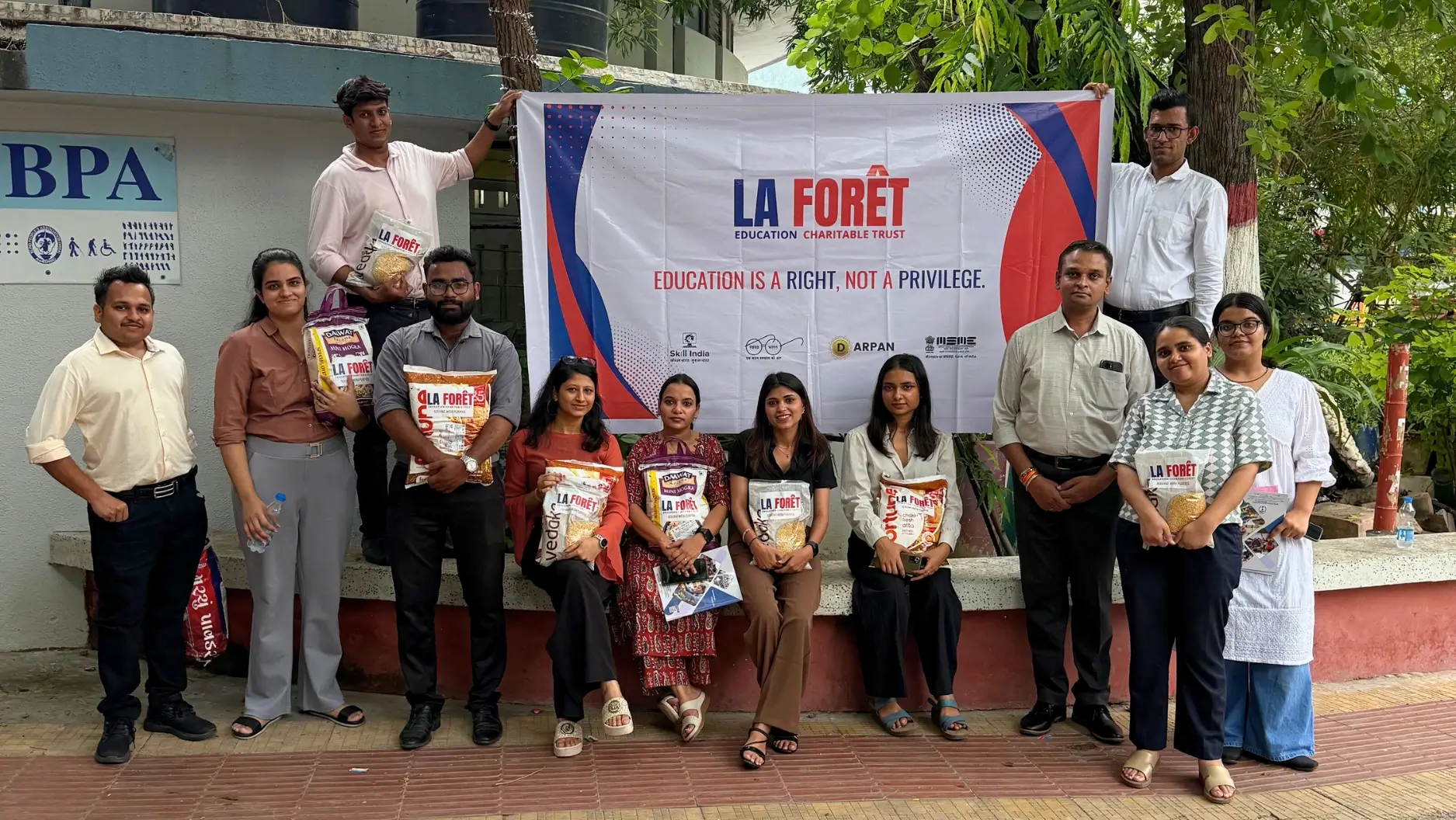
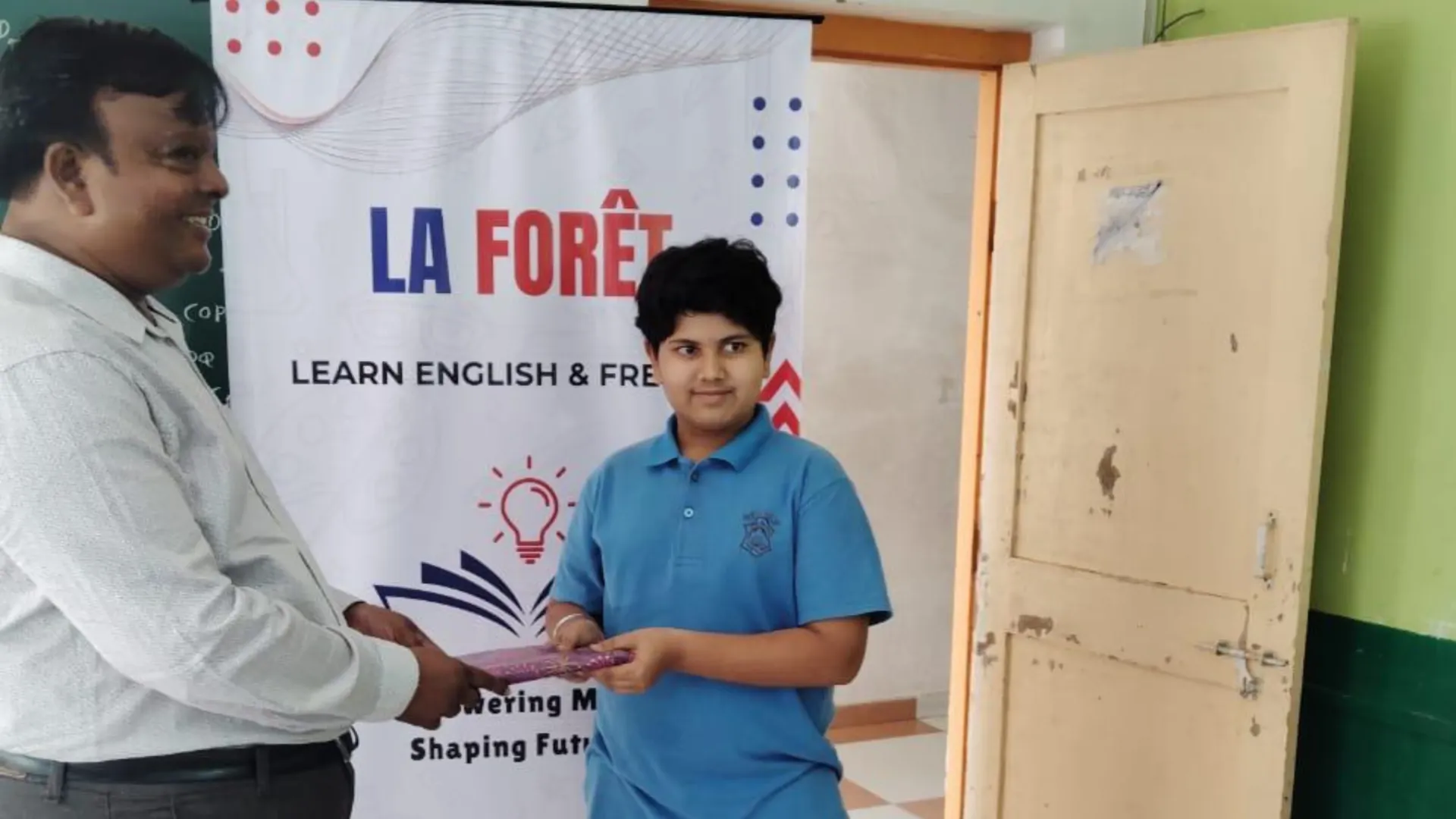
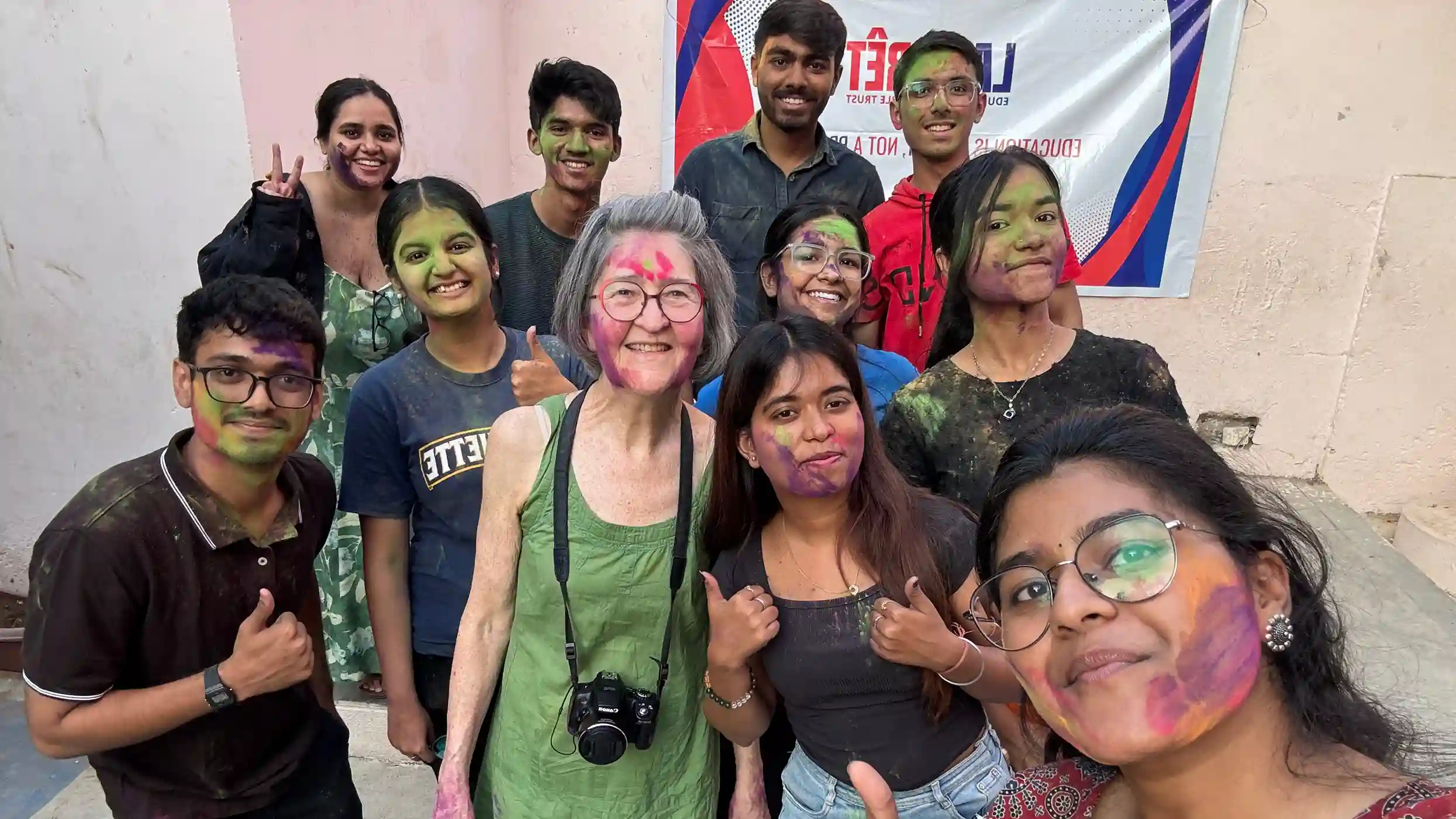
At La Forêt Education Charitable Trust, we believe that learning should include joy, curiosity, and creativity. Our work focuses on nurturing a child not only academically, but also socially and emotionally.
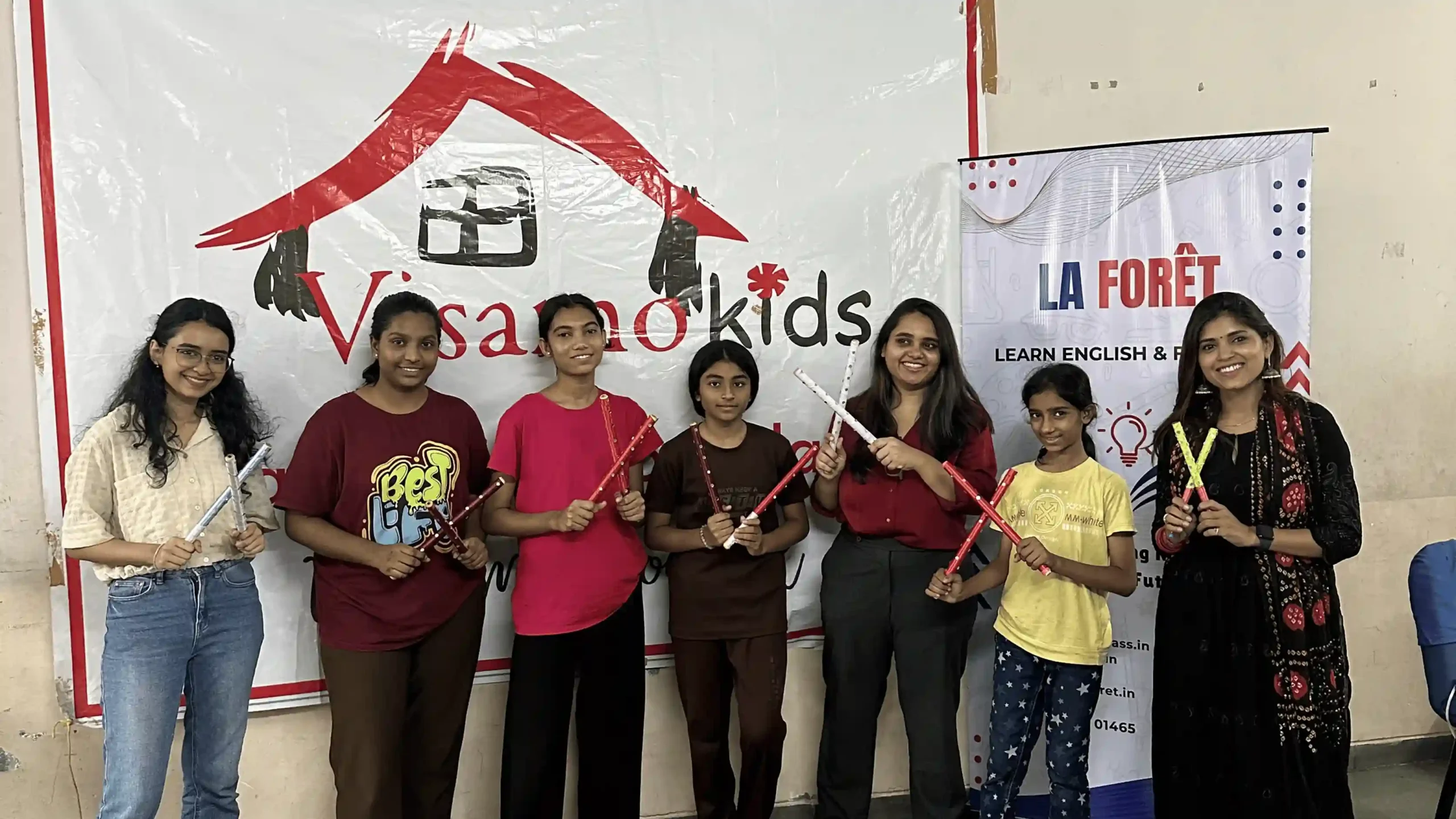
Through workshops, group activities, and community programmes, we help children experience the freedom of expression. Play is part of confidence-building, teamwork, and character development, and we are committed to keeping it alive.
While focused on education, La Forêt understands that a balanced mind and body are essential for learning. Our aim is simple: to ensure children grow with balance of head, heart, and body.
What Role Can You Play in Ensuring Every Child Gets to Play?
The right to play is not something only governments can grant; it’s a right we all have a responsibility to uphold. Every person can make a difference. Here’s how you can take small yet meaningful steps to make play universal:
- Volunteer or Support NGOs: Dedicate time or financial resources to credible NGOs working specifically for child rights and recreational access in low-income areas. Even a small monthly donation can help fund sports equipment or a play supervisor.
- Donate Sports Items or Help Build Play Zones: Organise donation drives in your housing society for gently used sports items. Collaborate with local municipal bodies to help clear and fence off small, unused parcels of land that can be repurposed as mini-play zones.
- Encourage Schools and Housing Societies: If you are a parent or live in a community, advocate for dedicated, structured playtime in school curricula and ensure that housing society rules are inclusive, allowing all children access to shared amenities.
These small steps can restore a giant piece of childhood.
Choose Your Level to Practise Your Writing
We encourage our young readers and students to reflect on this topic and share their voices. Writing about important social issues is a powerful way to turn thought into action. Consider writing a short essay or a blog post on “What play means to me” or “A game I wish every child could play.”
Reflecting on topics like the ‘Right to Play’ helps build essential empathy and social awareness. By putting your thoughts down on paper, you not only improve your writing skills but also contribute to a growing movement dedicated to social good, strengthening your own commitment to a fairer world. Because sometimes, change begins with reflection and grows into movement.
While affluent children toss aside toys, they’ve outgrown, many underprivileged children have never owned even one. Which reminds us that every single child, rich or poor, deserves the joyous, unburdened freedom of play. When play disappears, childhood loses colour but when it returns, dreams awaken. So, let us stand together and make sure every child has room to run, games to enjoy, and a reason to smile. Because play is the language of childhood without which, childhood feels incomplete.