In India, mental health remains one of the most overlooked aspects of child development. Maybe because physical wounds are visible and inner wounds aren’t. Nearly 50 million Indian children suffer from mental health disorders, yet few receive proper help. The National Mental Health Survey reports that almost 10% of the population suffers from depression, anxiety, or substance-related issues, while access to care remains alarmingly low in rural regions. Facilities are often limited to urban hospitals or private clinics, leaving countless children in villages without help. Amid rising global awareness, rural India still battles stigma, silence, and lack of resources. Thus, recognising and addressing children’s mental health in rural India is no longer optional. It’s essential for creating emotionally strong and resilient young minds.
Why Is Mental Health Awareness Essential for Rural Children?
Childhood is the foundation of a person’s emotional and psychological wellbeing. Mental health awareness during these early years helps children understand and manage emotions, build self-esteem, and cope with life’s challenges. For rural children, these aspects become even more critical due to their unique environment and limitations.
Many families struggle with poverty. This creates a constant sense of worry and instability in the home. Sometimes, parents must migrate to cities for work, leaving children with grandparents or other relatives. This separation causes loneliness, deep emotional distress and abandonment issues in young minds.
Furthermore, many children feel constant pressure to perform well in school despite lacking basic resources. Some may feel deeply ashamed because they cannot afford the proper uniform. Rural children also experience subtle emotional burdens like witnessing domestic stress, gender bias, or being compared with peers who move to urban schools. Without guidance, these struggles can lead to self-doubt, anger, or emotional withdrawal.
Early awareness helps identify such signs and offers children a safe space to express feelings before they grow into larger mental health issues. Prioritising their mental health is key to securing their future success.
What Are the Common Mental Health Challenges in Rural India?
According to general surveys, one in every seven Indian children aged 10–19 years experiences mental health issues, with rural areas showing higher vulnerability. The most common include anxiety, depression, learning difficulties, low self-esteem, and emotional trauma caused by family or financial stress. Unfortunately, these problems often remain hidden or are simply dismissed.
Emotional and Behavioural Struggles
Children often internalise emotions they don’t know how to express. Common signs like irritability, sudden anger, withdrawal from friends, frequent crying, or loss of interest in studies are often mistaken as bad behaviour or laziness. In truth, they can indicate anxiety, depression, or low self-esteem. These children may struggle to form connections or communicate emotions healthily.
Educational and Environmental Stress
Rural schools often lack proper infrastructure, trained teachers, and learning materials. When children fail to perform, they may feel unintelligent or hopeless. When children fall behind their peers, their self-esteem drops quickly. Factors like long travel distances, teacher shortages, and language barriers further increase stress levels. Additionally, social pressures like gender bias or early responsibilities at home can feel like a burden and make it difficult for children to focus on education.
Together, these emotional and educational challenges create a cycle where children not only lag behind in studies but also lose confidence in their abilities. Breaking this cycle begins with recognising their silence and giving them support before it turns into suffering.
How Does Stigma Affect Mental Health Support in Rural Communities?
Stigma remains one of the biggest barriers to mental health care in rural India. In many villages, mental health issues are misunderstood and often linked to “madness,” bad behaviour, or fate. Parents hesitate to seek help because they fear judgment or gossip from others. Instead of professional counselling, they may turn to superstitions or faith-based remedies.
Culturally, expressing emotions or discussing sadness is seen as a sign of weakness. Children are often told to “be strong” or “ignore it,” which prevents open conversations about how they truly feel. For instance, a child struggling with anxiety before exams may be scolded for being lazy rather than supported.
This lack of dialogue leads to emotional isolation, where children learn to suppress rather than understand their feelings. Breaking stigma requires empathy, education, and the belief that mental health is just as real and important as physical health.
The Role of Schools and Teachers in Supporting Mental Wellbeing
Schools are a place children spend most of their time outside home. So, it must become a safe welcoming space where children feel valued and heard. And teachers are the first adults outside the family they interact with. It is vital to provide basic mental health training for teachers. This training helps them easily notice worrying changes in a child’s behaviour or early signs of anxiety or withdrawal.
Teachers act as vital role models and consistent adult anchors for many children. Their calm, supportive presence can make a huge difference to a child’s sense of security. They should encourage open discussions about feelings and stress. Schools can conduct awareness sessions, celebrate “mental health days,” and include emotional wellbeing topics in the curriculum.
Creating a Positive Learning Environment
Schools can use simple, practical methods to boost wellbeing.
- Introduce group activities to teach vital social skills and teamwork and art therapy to help children express difficult emotions through creativity.
- Create mentorship programs, where older students guide younger ones and offer peer support. This provides a supportive friendship and a reliable listening ear to them.
- Encourage open discussions about emotions, failure, and kindness.
When schools normalise conversations about mental health, children start viewing it as part of their everyday learning, something to be cared for, not hidden.
Parental Awareness and Community Involvement
Parents are a child’s first emotional teachers. Their understanding and response shape how children perceive themselves and their emotions. In rural India, many parents prioritise food, education, and safety but rarely recognise mental wellbeing as part of healthy development.
Parental education is essential to break the cycle of silence and shame. Simple acts like listening without judgment, spending time together, and encouraging emotional expression can have profound effects. However, awareness must extend beyond families.
Community-driven initiatives like local storytelling sessions, parent workshops, and village awareness camps can introduce mental health concepts. This makes the topic relatable and less intimidating for everyone.
Building Support Networks
Rural communities can actively reduce stigma through collective effort. When parents, teachers, and local leaders join hands to form community support networks, children feel seen and supported. When the whole community actively supports this cause, it sends a clear message. It shows children that it is okay to ask for help when they need it most. Over time, these networks can help reduce stigma and normalise discussions.
Can NGOs and Educational Trusts Make a Difference?
Absolutely. NGOs, mental health advocates, and educational trusts play an important role. They bridge the large gap left by limited government resources in rural areas. They run important awareness campaigns and offer counselling support where none existed before. Many organisations focus on providing training to teachers and emotional education directly to parents.
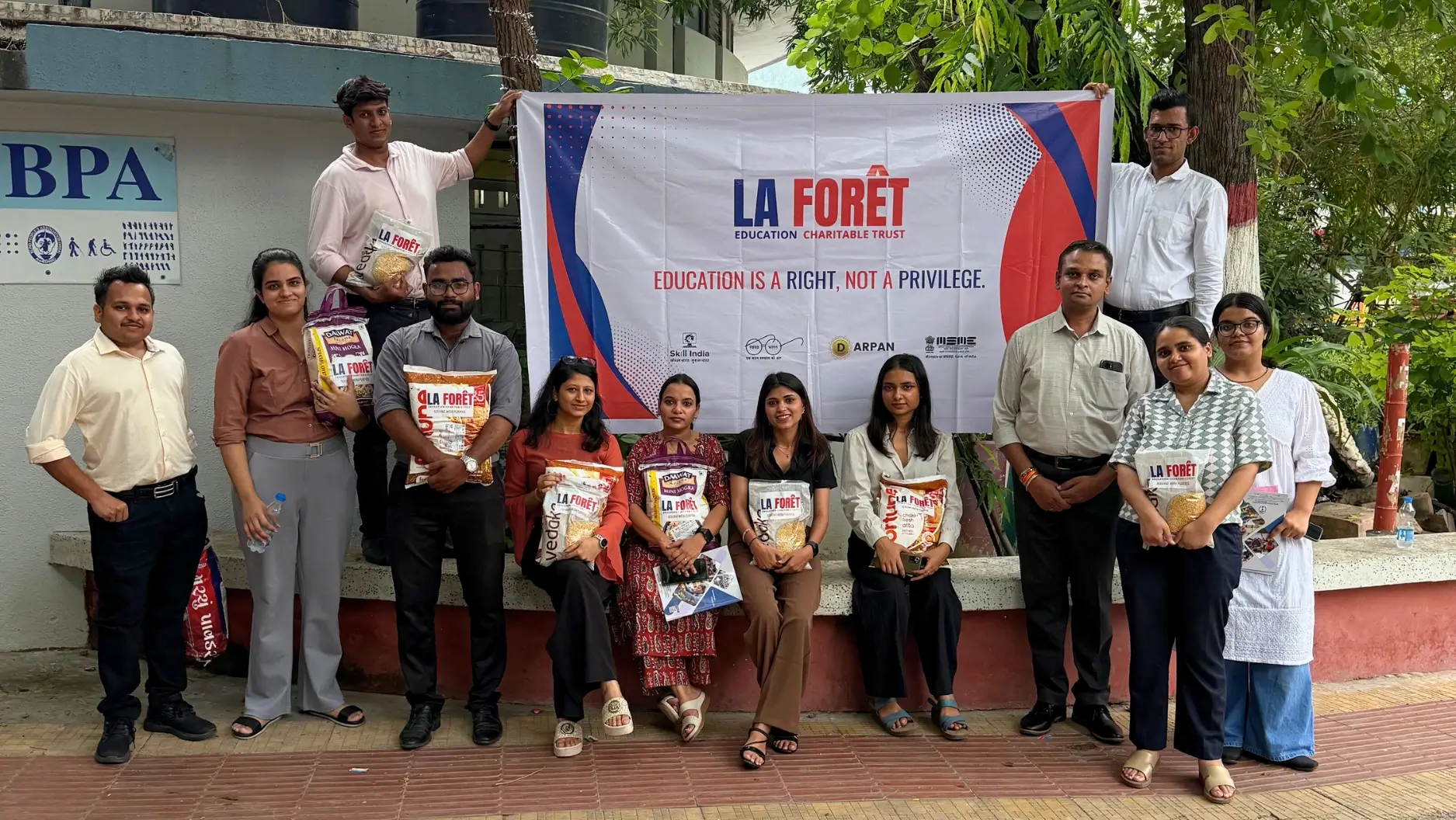
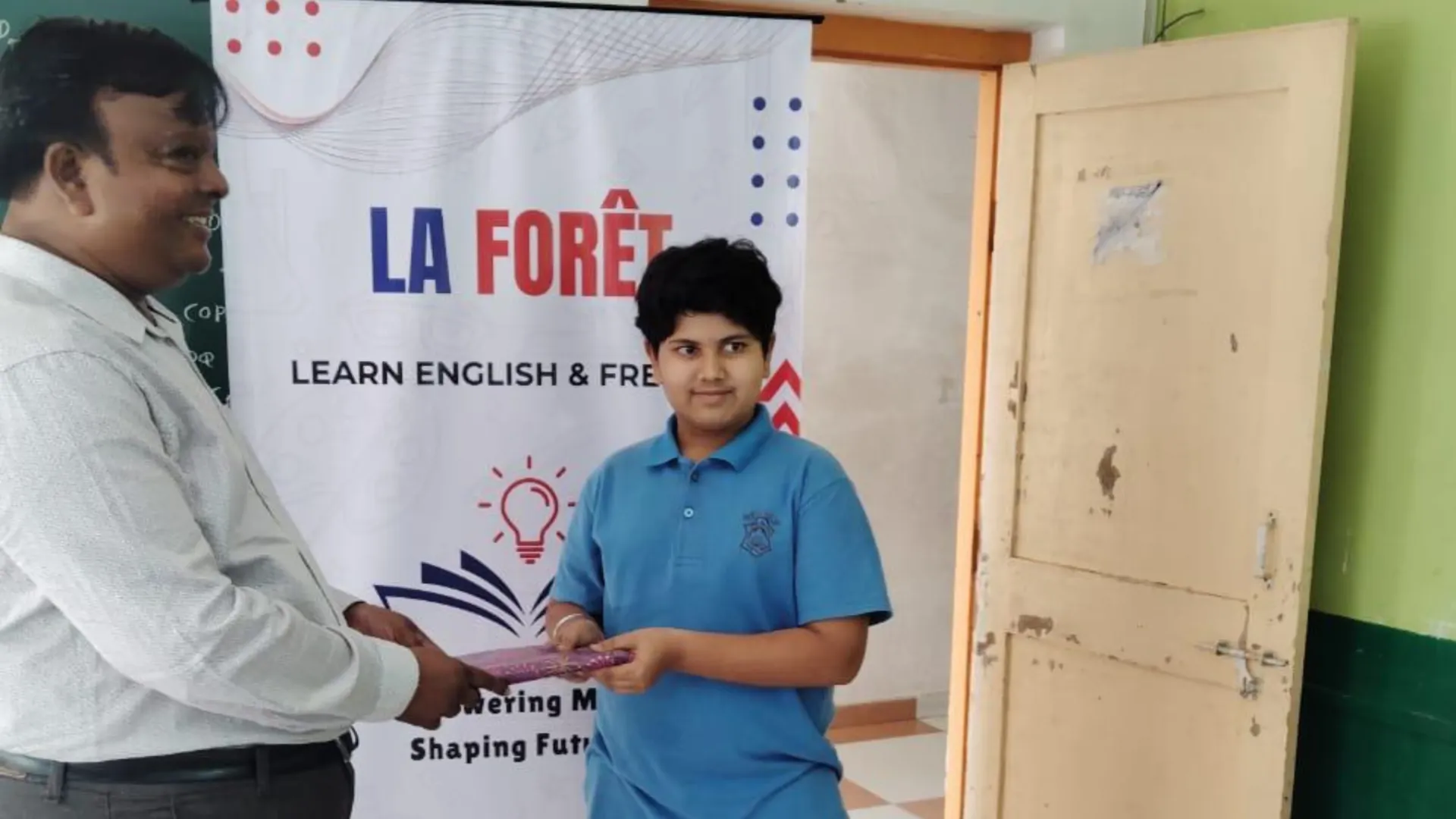
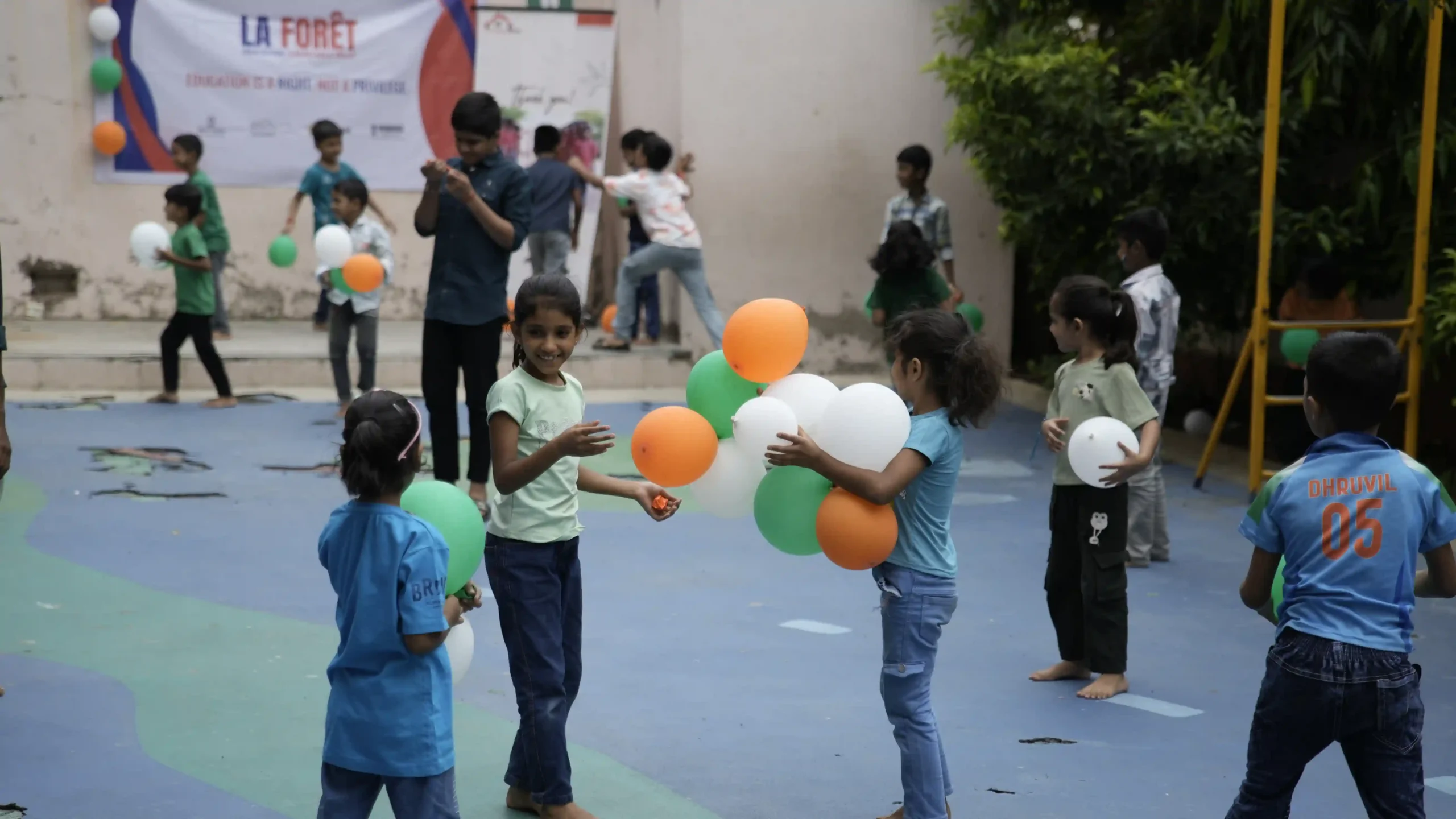
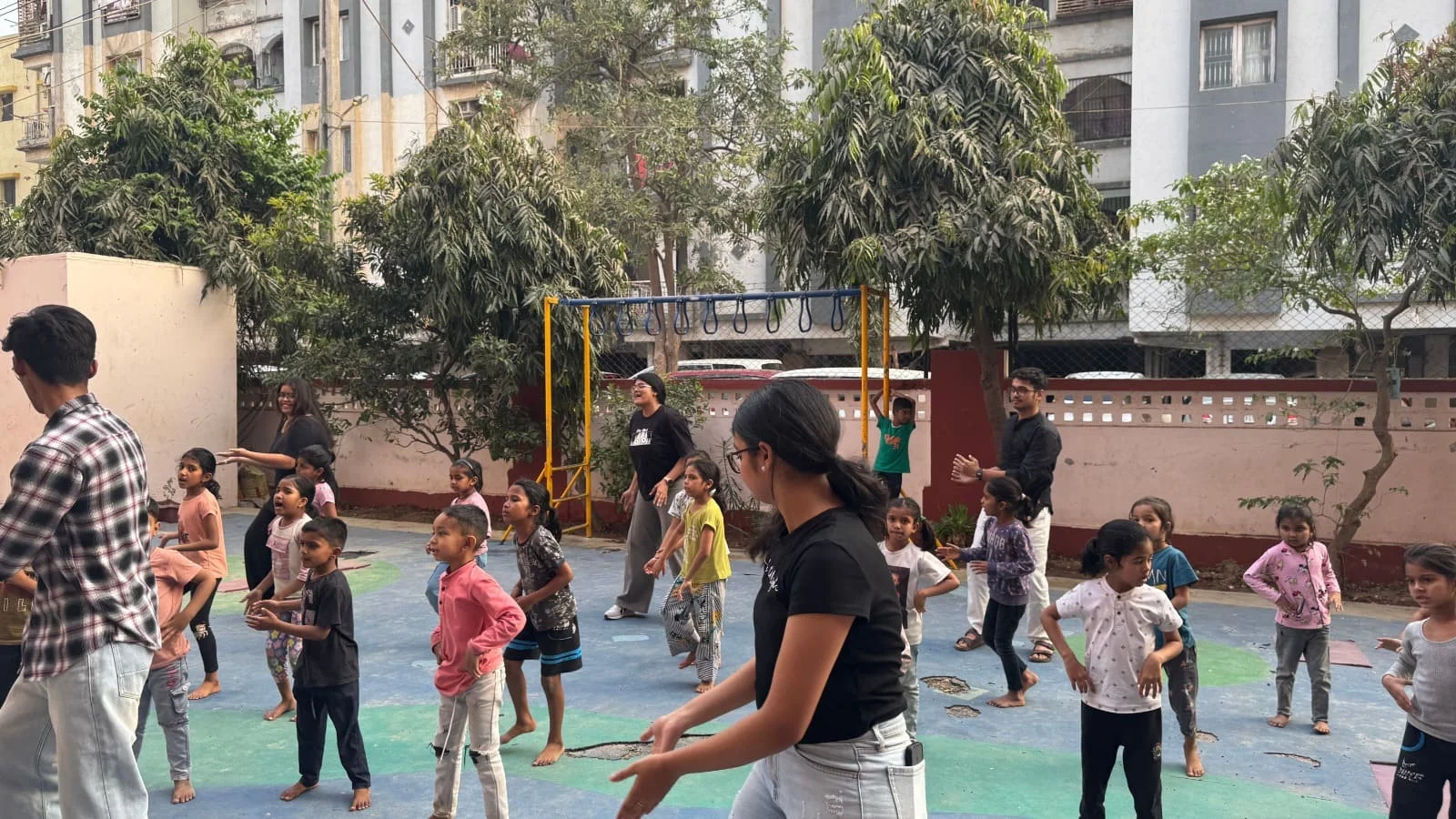
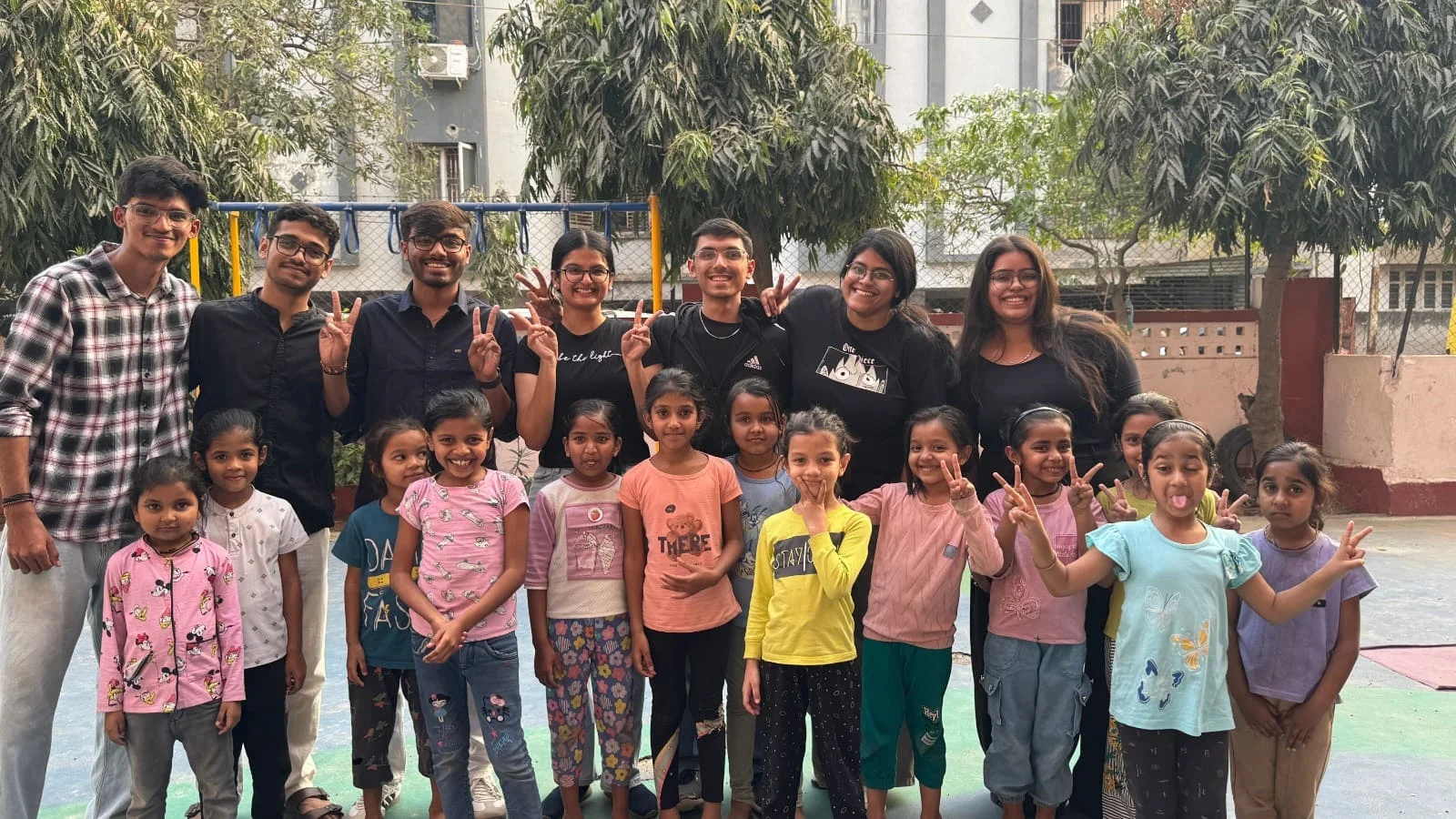
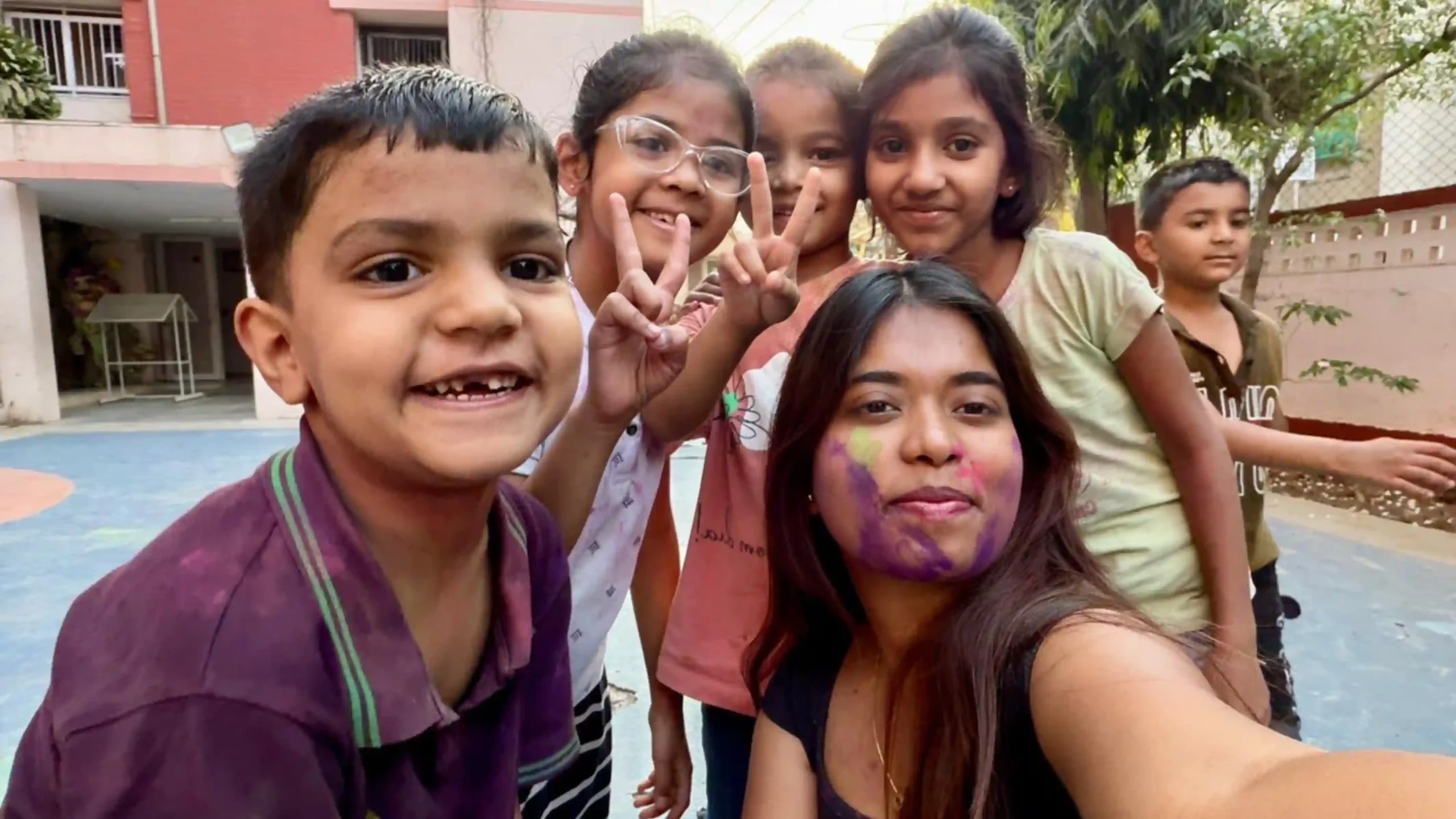
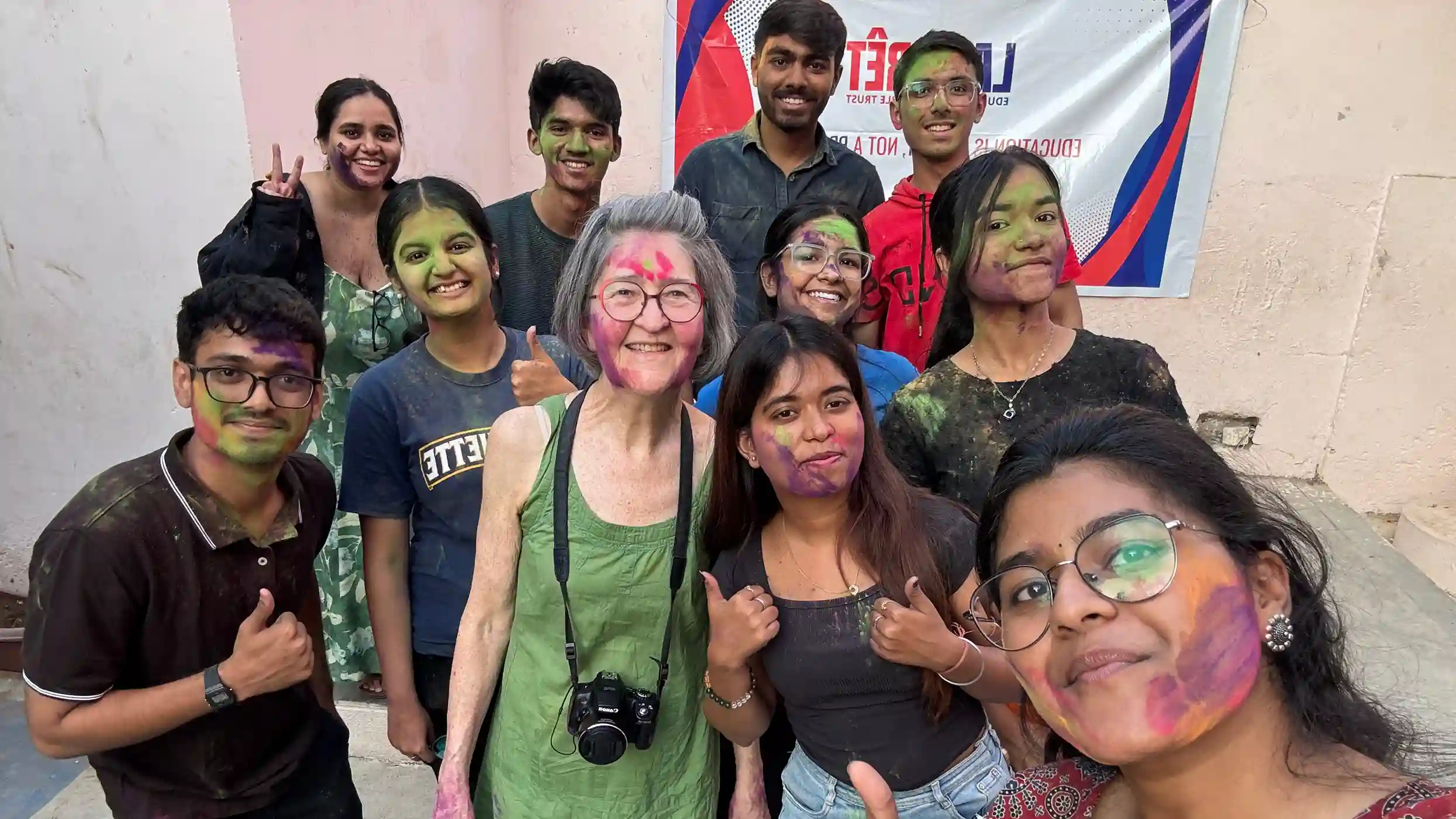
Organisations like La Forêt Education Charitable Trust are working to ensure that learning goes beyond textbooks. Through their focus on holistic child development, they aim to combine education with emotional wellbeing. They help children grow confident, curious, and mentally strong. Their initiatives reflect the idea that every child deserves access to quality education and no child should be left behind simply because they live in a rural setting.
By conducting community sessions, promoting awareness about emotional health, and nurturing safe learning environments, such organisations inspire change from the grassroots level.
How Can We Build a Mentally Healthy Future for Rural Children?
A brighter future for rural children begins with a large, coordinated effort. Governments can integrate mental health education into school curricula, providing funding and infrastructure. We need to train and deploy more qualified counsellors to rural primary health centres. Digital education platforms offer a fast way to deliver simple mental health content to remote schools. NGOs can collaborate with healthcare professionals to organise emotional wellbeing workshops.
Technology, too, can bridge the gap through tele-counselling, online awareness videos, and regional language resources that make mental health education accessible to all. But above all, the change begins with empathy. An inspiring tone and strong collective effort will create hope. Every teacher who listens, every parent who understands, and every community that cares takes India one step closer to a mentally healthy tomorrow.
Supporting rural children’s mental health is essential for their personal growth and India’s future. We must break the silence and deeply rooted stigma surrounding emotional struggles. Prevention, awareness, and timely action are vital steps we must take now. When families, schools, and organisations work together, we create a ripple of change that shapes stronger, kinder generations. Let us encourage empathy, increase awareness, and act quickly to ensure every rural child can grow up strong, happy, and fully supported.
Frequently Asked Questions
Q1. What Is the Importance of Mental Health in Children?
Ans: Mental health helps children understand emotions, build confidence, and handle stress. It supports learning, relationships, and overall growth. When children feel emotionally safe, they communicate better, adapt to change easily, and develop stronger resilience shaping a balanced, happy, and confident future.
Q2. What Are the Mental and Health Issues in Rural India?
Ans: Rural children often face anxiety, depression, low self-esteem, and learning difficulties due to poverty, family instability, and limited resources. Stigma and lack of mental health support make these issues worse, leaving many children’s emotional struggles unseen and untreated. Early awareness can change their future.