Good health in childhood lays the foundation for a healthy adulthood and future. The early years of a child’s life shapes everything from physical strength to emotional resilience. Proper nutrition, timely medical care, and emotional support help children grow into strong, confident adults. We often talk about investment in education or career, but what truly makes the greatest difference is how early we start caring for their health. When children receive love, protection, and healthcare from the very beginning, we don’t just nurture a child, we nurture the future of our world. This article explores the key components of child healthcare and the importance of investing in the health of our youngest citizens.
Why Is Early Child Healthcare So Important?
Childhood is a time of rapid growth and development. The first 1,000 days, from conception to two years old, are a critical window for foundational health. According to UNICEF, over 80% of brain development occurs before the age of five. This means early healthcare directly shapes a child’s learning ability, immune system, and emotional strength. A child who receives consistent, quality healthcare is better equipped to focus, retain information, and engage with the world.
Neglecting healthcare during these years can have severe, irreversible consequences. Poor nutrition can lead to stunted growth and cognitive impairment. The World Health Organization (WHO) estimates that almost 45% of child deaths under five are linked to malnutrition. An undernourished child may often fall sick, miss school, and struggle to focus setting back both health and education. While missed vaccinations leave children vulnerable to devastating diseases. Globally, millions of preventable deaths occur due to a lack of access to basic preventive care and immunisation.
On the other hand, early investment in child healthcare helps children reach their full potential. Regular check-ups, vaccinations, and good nutrition protect children from preventable diseases. They grow stronger, think clearer, and lead happier lives. Early care is not a privilege, it’s every child’s right and society’s shared responsibility.
What Are the Key Pillars of Child Healthcare?
Building a strong health foundation requires focusing on several core areas simultaneously. These are the key pillars that ensure a child’s holistic growth and well-being:
1. Nutrition and Growth Monitoring
Providing a balanced and nutritious diet is essential for a child’s growth and development. A diet rich in proteins, vitamins, and minerals helps support healthy physical growth, and a strong immune system and cognitive function.
Healthcare providers play a crucial role in educating parents about the importance of nutrition and monitoring children’s growth to ensure they receive adequate nourishment. It also helps identify malnutrition or deficiencies early. Early identification of developmental disorders allows for timely interventions, which can significantly improve outcomes. Simple steps like exclusive breastfeeding for six months and introducing diverse foods later can make a lifelong impact.
2. Immunisation and Disease Prevention
Vaccines are arguably the greatest public health triumph as they have drastically reduced child mortality worldwide. They offer crucial protection against infectious or life-threatening diseases, safeguarding both the child and the wider community. Therefore, timely immunisation schedules must be followed religiously.
It not only saves lives but also reduces medical costs and school absenteeism, keeping children healthy and active. Beyond vaccines, simple actions like maintaining cleanliness in the home and ensuring timely medical consultations can prevent them from escalating into serious health crises.
3. Mental and Emotional Health Support
A healthy mind is as important as a healthy body. Children can experience stress, anxiety, or low self-esteem, just like adults. Providing mental health support, counseling, and creating a supportive environment at home and school is essential for their emotional well-being. This support is vital for developing social confidence, emotional security and empathy.
4. Access to Clean Water and Hygiene
Basic hygiene practices are the frontline defence against sickness. Access to safe drinking water and sanitation facilities prevents the spread of waterborne diseases. Teaching hygiene habits early ensures lifelong health awareness. Simple lessons, such as consistent handwashing before meals and after using the restroom, are powerful life skills that reduce hospital visits and keep children in the classroom.
These small steps collectively make a monumental difference in community health.
How Good Healthcare Shapes a Child’s Future?
The benefits of good child healthcare are truly long-term, extending far beyond early years. When a child receives timely care, they develop stronger immunity, meaning fewer days are missed at school due to illness. This attendance then directly contributes to better education outcomes and academic success. Children who are physically well are better able to concentrate, retain information, and participate actively in class. This creates a powerful “health–education–success” connection.
Studies show that children with good early health are more likely to complete education and find meaningful careers later in life. A child who receives proper nutrition and regular check-ups grows with higher energy and confidence. For example, a young girl who receives timely healthcare and nutrition support is less likely to drop out of school due to illness. Instead, she grows stronger, more confident to pursue higher education and land a job, contributing positively to her community. This cycle of care builds a generation that is productive. It highlights the fact that when a society invests in its children’s health, it invests in brighter, more capable citizens. Healthy children become the foundation of healthy nations.
Role of Parents, Schools, and Communities in Child Health
Raising healthy children is not a single person’s job. It’s a shared responsibility and every adult has a role to play.
Parents are the primary caregivers. They are the child’s first teachers in hygiene, safety, and kindness. They are responsible for ensuring proper nutrition, regular medical check-ups, emotional support and maintaining a hygienic home environment. Simple habits like balanced meals, bedtime routines, and playtime outdoors go a long way in building health and happiness.
Schools play a critical role by serving as hubs for health promotion.
They should enforce strict hygiene protocols, conduct regular health check-ups, and integrate wellness education into their curriculum. A school that provides clean drinking water and promotes physical activity is investing directly in its students’ cognitive capabilities. Teachers can identify early signs of stress, fatigue, or poor nutrition, guiding parents to seek help.
Communities act as the supportive circle around families. Community-level cooperation can lead to better waste disposal and campaigns that educate families on key health issues. Local leaders, healthcare workers, and volunteers can spread awareness about nutrition, vaccination, and sanitation. Together, they create environments where children can thrive safely.
Every parent, teacher, neighbour olds the power to make a difference. When we care collectively, we raise not just healthier children, but healthier societies. Collaboration builds stronger generations and that’s how true progress begins.
Can Healthcare Equality Truly Shape a Nation’s Future?
Yes! Equal access to healthcare can completely reshape a nation’s future. When all children, regardless of their background, receive proper healthcare, the benefits ripple across generations. Healthcare equality reduces poverty cycles by ensuring children are healthy enough to attend school and later contribute productively to society. According to UNICEF, every ₹1 invested in child health yields up to ₹10 in economic return, thanks to better education and productivity outcomes.
Unfortunately, millions of underprivileged children in India still lack basic healthcare. Because achieving this equality requires reaching children in remote and marginalised communities. But they are excluded due to distance, cost, or lack of awareness.
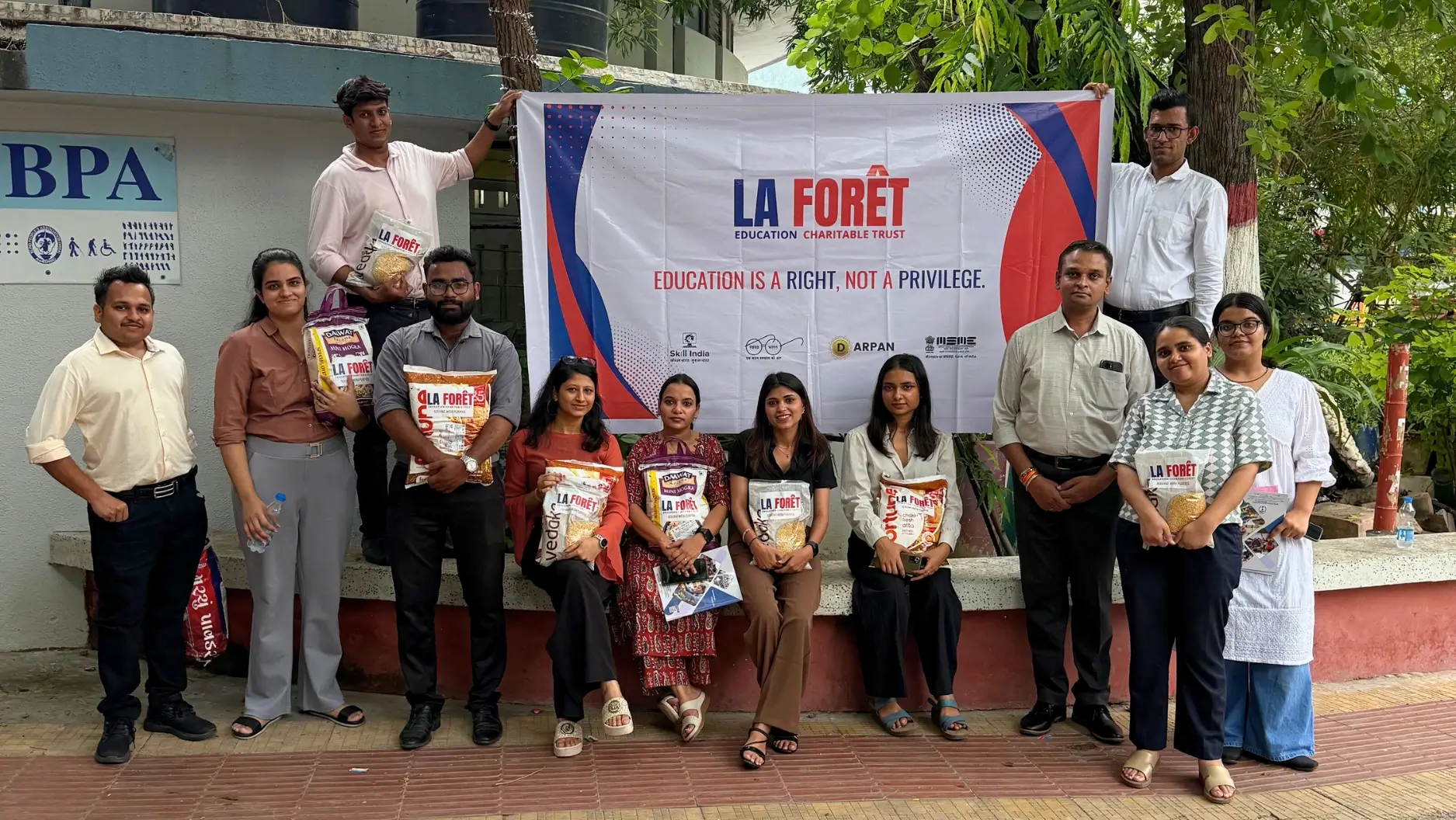
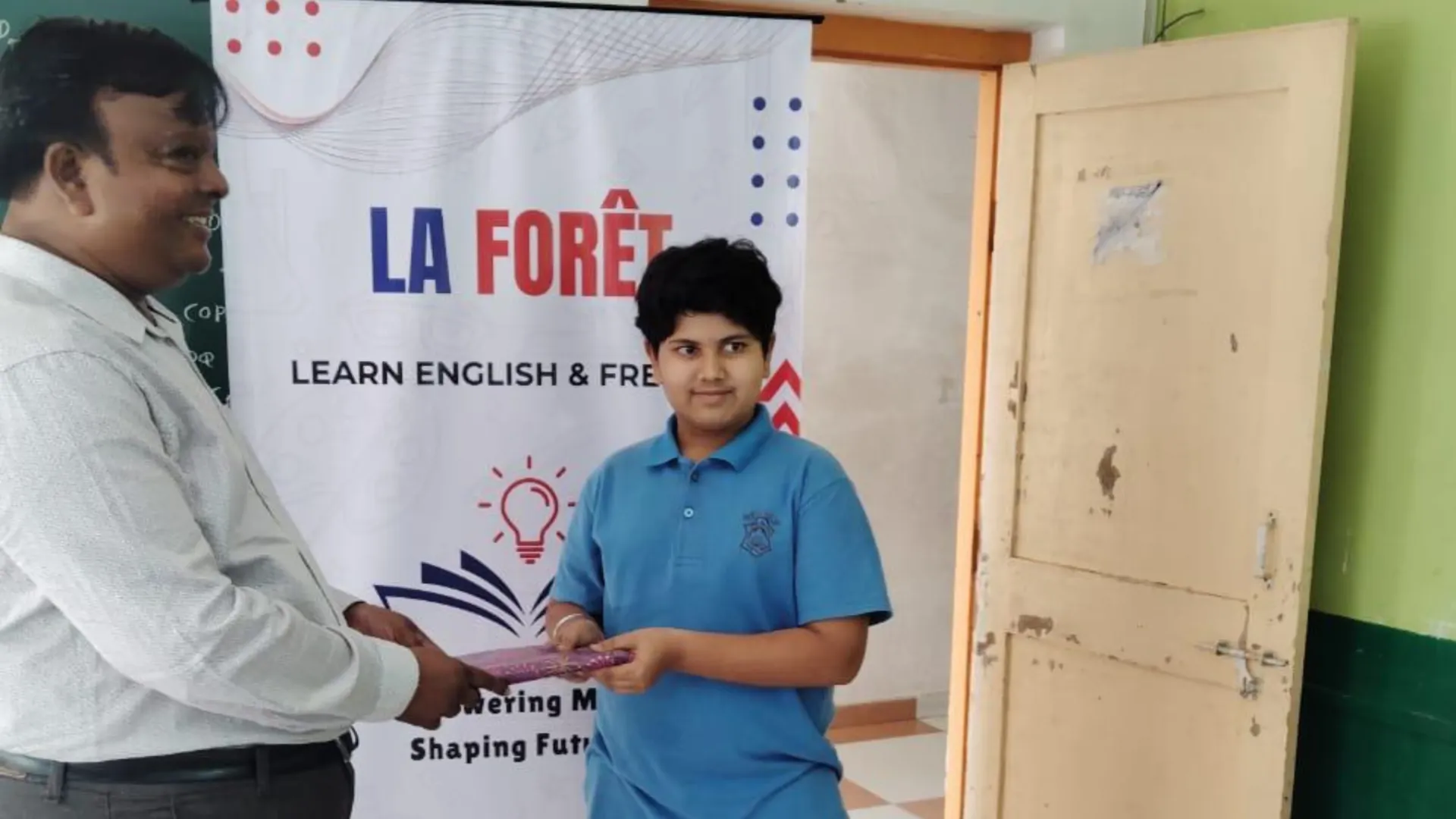
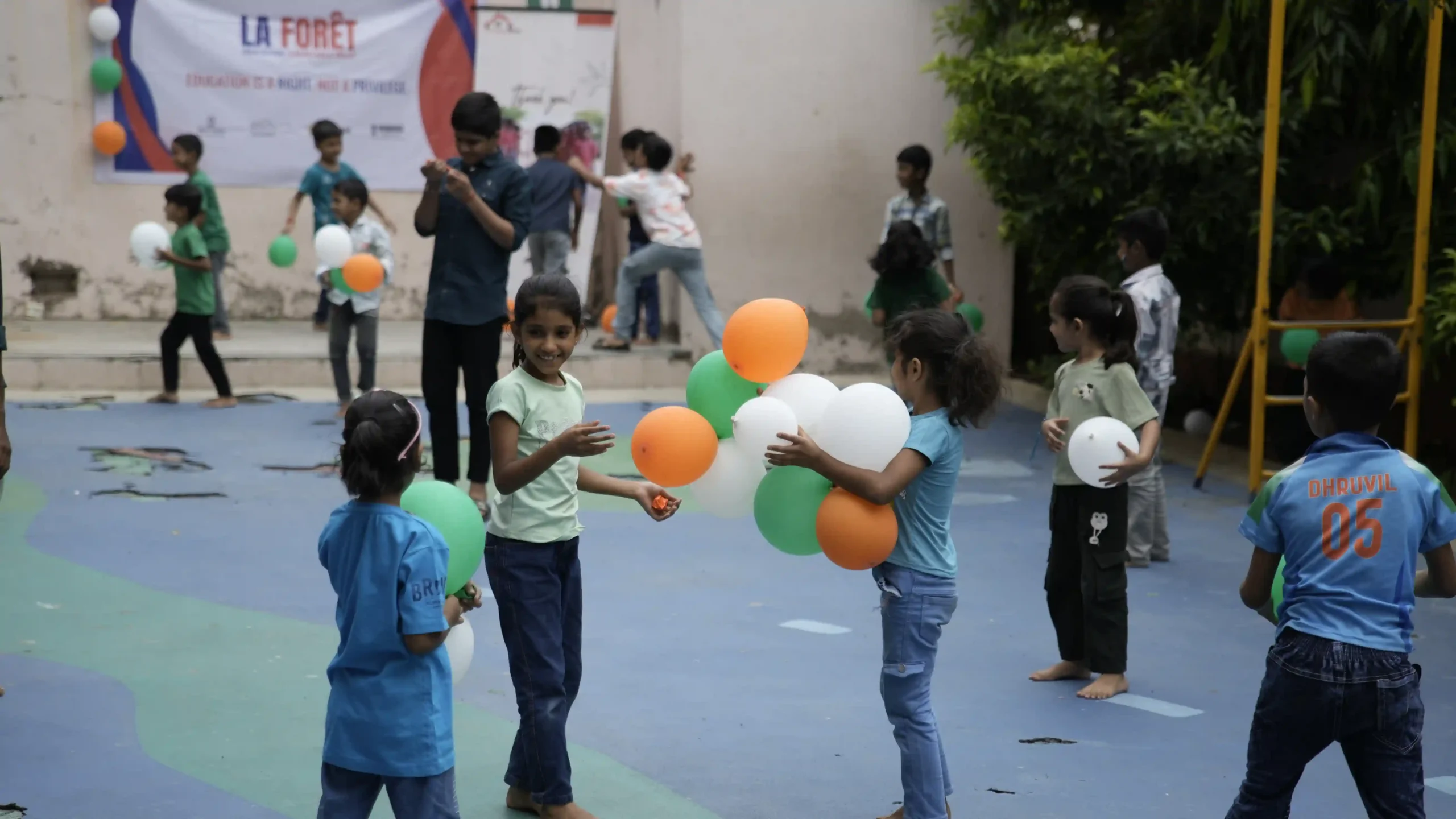
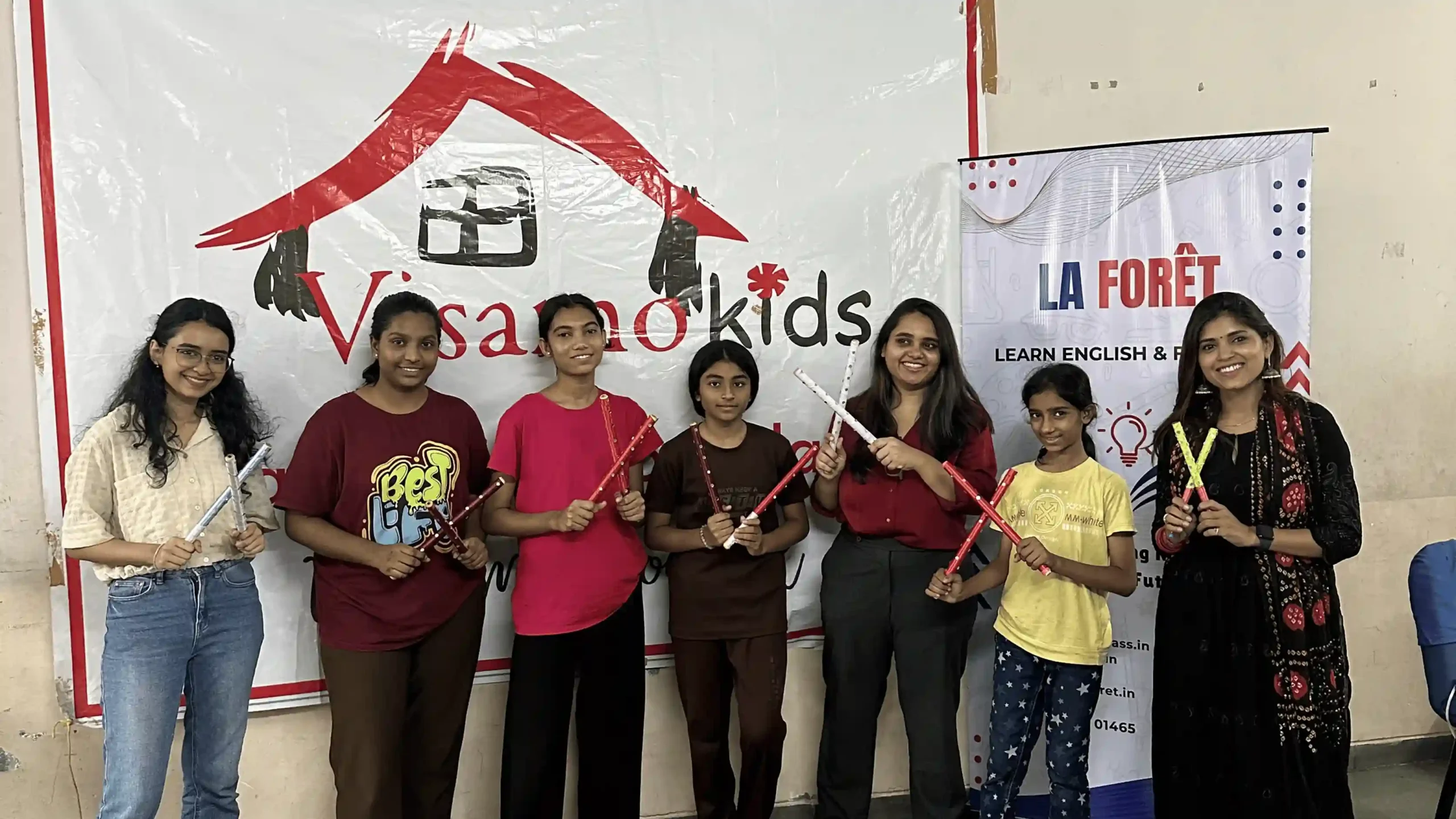
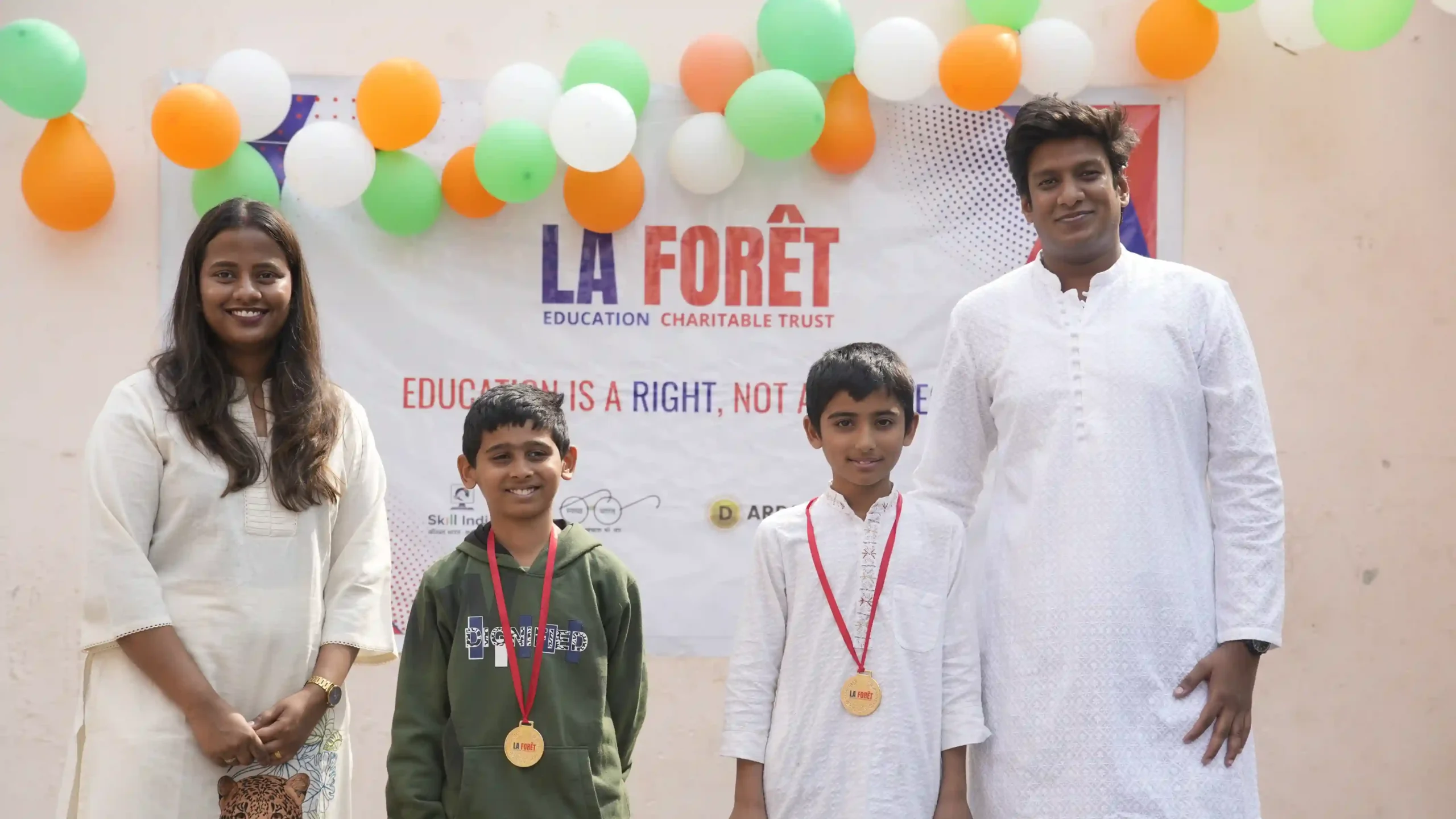
NGOs and educational trusts can play an important role here. For instance, La Forêt Education Charitable Trust works toward holistic child development by combining education, awareness, and emotional well-being. Their initiatives remind us that good health and learning go hand in hand.
A nation’s strength depends on how it cares for its youngest citizens. By improving a child’s health status, we not only save lives but we also unlock their full potential to contribute positively to society, accelerating the nation’s progress and creating a more just and prosperous future for everyone.
How Can We Strengthen Child Healthcare Systems in India?
Strengthening the child healthcare system requires dynamic action from multiple stakeholders. It requires a mix of policy action, awareness, and community involvement. Here’s what we can do:
1. Public Awareness and Parental Education
Educating parents and to-be parents about nutrition, immunization and its schedules, and hygiene can reduce preventable illnesses. Awareness drives, health camps, and community workshops help families make informed choices.
2. Government Programmes and Support
Schemes like POSHAN Abhiyaan, Mission Indradhanush, and Ayushman Bharat are key to improving child health. Government programs like these must be continually expanded to improve last-mile delivery of services in rural and marginalised areas.
3. Collaboration with NGOs and Local Organisations
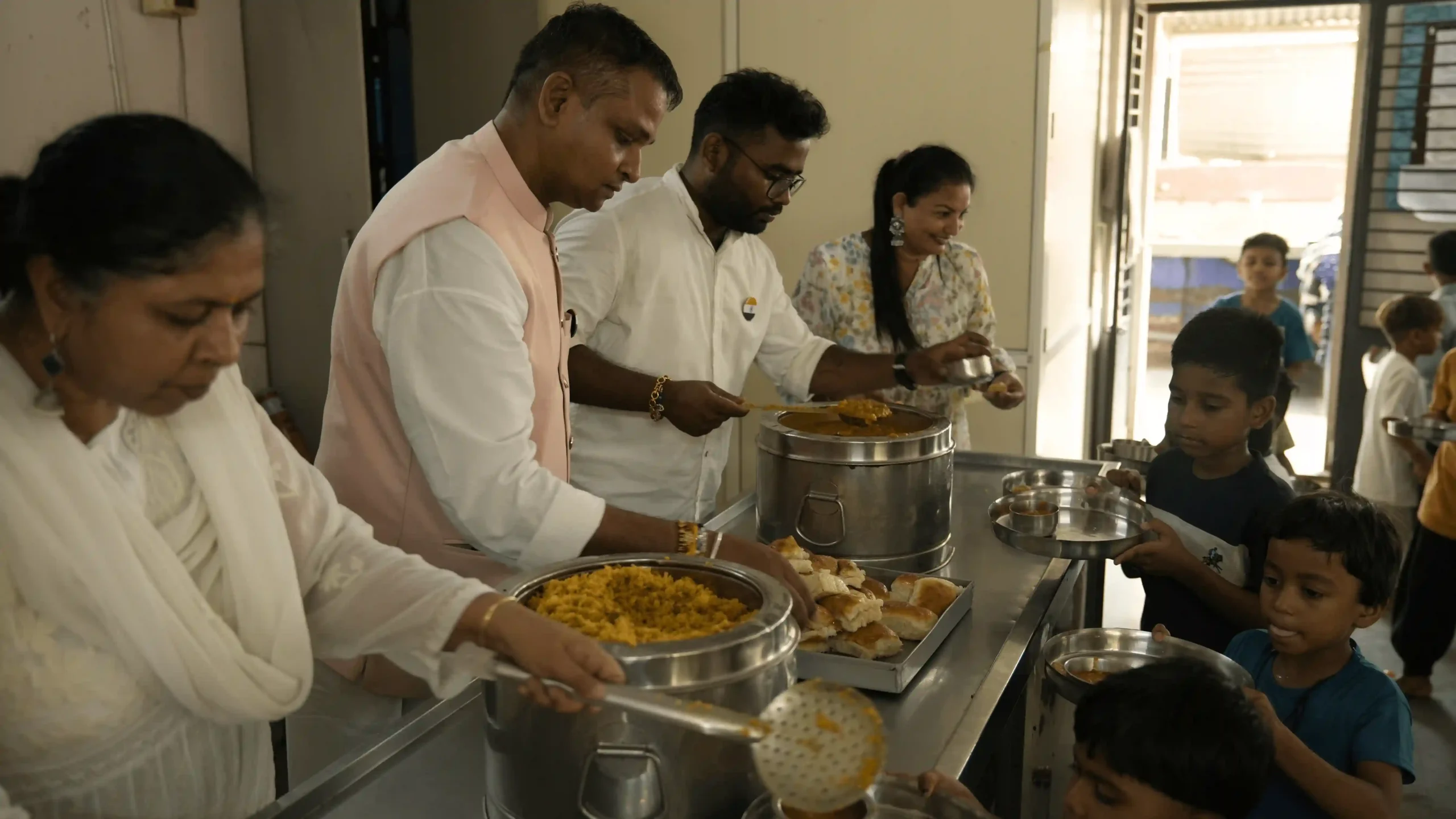
NGOs play a bridge role connecting healthcare systems with communities. Through mobile health camps, nutrition drives, and school-based health education, they bring care to children who need it most.
4. Technology and Innovation
Telemedicine and mobile apps can help parents track vaccines, monitor growth, and consult doctors remotely. Digital tools make healthcare more inclusive and accessible in remote regions.
Every small effort from a successful vaccination drive to a single handwashing lesson count.
Together, these actions form a powerful network of care.
Child healthcare is not an expense, it’s one of the most profound and necessary investments we can ever make. When we invest in children’s health, we invest in India’s most valuable resource – its future generation. By safeguarding our children’s well-being today, we ensure they are strong, educated, and capable tomorrow. When every child grows robustly and healthily, our collective future stands taller, stronger, and brighter.