Gender inequality continues to be one of India’s biggest social challenges. Even today, many girls face barriers that limit their access to education, opportunities, and independence. Wherever they live in India, girls and boys see gender inequality in their homes and communities every day. From unequal pay to fewer chances to study or work, the gender gap remains visible. These inequalities don’t just affect individuals; they slow down the nation’s progress as a whole.
Education can change this story. When girls and boys learn together and grow equally, they build a fairer, stronger society. We must remember that equal learning for all can be the perfect foundation of empowerment, equality, and social transformation.
What Is Gender Inequality?
In very simple terms, gender inequality means treating someone unfairly just because they are female or male. It is when one gender does not have the same rights, opportunities, or respect as the other. This inequality is typically caused by deeply rooted prejudices and societal standards. While it impacts on the lives of both genders, statistically it is girls that are the most disadvantaged.
For instance, according to the National Family Health Survey (NFHS-5), India’s female literacy rate stands at 71.5%, compared to 84.4% for men. These numbers show how access to education remains unequal even today. Every child deserves access to quality education, yet the underlying thought is that educating women is of no value as they will only serve their husbands and family in future.
And this inequality shows up in everyday life; when a girl is asked to help at home while her brother studies, or when women are paid less for the very same work. In many parts of India, girls still face issues like early marriage, or limited career choices simply because of their gender.
Furthermore, it affects decision-making, as women rarely hold positions of power in homes or in politics. A recent survey showed that just 17% of seats in the Indian Parliament are held by women. This low number clearly shows the current lack of balanced power in decision-making roles. The traditional social roles placed on women often restrict their freedom, choices and growth.
Gender Inequality vs. Gender Discrimination
Though terms like gender inequality and gender discrimination are often used together, they are slightly different. Inequality is the overall outcome or condition. It is the wide gap that exists between men and women in various areas. Think of it as the result of a long, unfair process.
Discrimination, on the other hand, is the action or the cause. It is the specific act of treating a person differently or poorly based on their gender. It happens when a girl is denied admission to school, a woman is paid less, or someone assumes a man should lead while a woman supports. Furthermore, cultural bias in homes and schools feeds this discrimination daily. These continuous and repeated acts of discrimination across time create inequality over generations.
“When discrimination is ignored, inequality becomes tradition.”
Top Causes of Gender Inequality in India
Gender inequality in India is a highly complex problem. It has many root causes that are woven deeply into the social fabric of the country. Some are cultural, while others come from social or economic systems that have existed for centuries. Addressing these causes requires effort from every part of society.
Cause | Explanation |
Patriarchal Mindset and Social Norms | Traditional beliefs often place men as decision-makers and women as caregivers. Over 50% of Indian households continue to prefer sons. This mindset limits women’s decision-making, independence and access to opportunities. |
Unequal Access to Education | Many families prioritise boys’ education, especially in rural areas. Girls are taken out of school early to help with chores or look after younger siblings. According to UNESCO, about 10 million girls in India risk dropping out of school before completing secondary education. |
Economic Dependency | Limited access to education and jobs forces many women to depend on male family members. When women are financially dependent, they have less say in family or career choices. This continues the cycle of inequality. |
Early Marriages | Over 20% of Indian girls are married before the age of 18, cutting short their education and career dreams. India accounts for one of the highest numbers of child brides globally. |
Safety Concerns and Lack of Mobility | Fear of harassment or unsafe travel often stops girls from attending schools or colleges. Many families restrict daughters’ movement for protection, unintentionally limiting their growth. |
These causes are deeply linked and all work together to maintain the current, unfair gender gap.
How Gender Inequality Affects Education and Growth?
Education is the main engine for personal growth as well as economic development. So, when girls’ access to proper education is limited, the entire nation’s progress slows down. According to UNESCO, around 48% of girls in India drop out before reaching upper secondary school. Many leave due to household work, marriage, or lack of facilities. These high dropout rates for girls mean they cannot develop their full potential and only fewer women enter the skilled workforce. This results in a huge loss of potential income for families and the country as a whole. A country cannot grow if half its population is left behind.
This inequality also limits their innovation and strong leadership across all sectors. We lose out on diverse ideas, balanced perspectives and critical problem-solving skills needed for a modern economy. Furthermore, a girl’s limited education affects her future children’s health and education. The negative effects of gender inequality are clearly passed down from one generation to the next, making change harder. An educated woman is a powerful asset to her family and her community’s well-being.
Why Education Is the Key to Bridging Gender Gaps?
Education is the single most powerful tool we have to fully bridge gender gaps in India. Because when a girl attends school, she learns about her rights and gains the courage to challenge old traditions. Education successfully empowers girls socially by giving them knowledge and confidence to speak up. It empowers them emotionally by providing a sense of self-worth and purpose. Most importantly, it empowers them economically by providing the skills needed for proper, sustained employment.
When girls learn, they not only improve their own lives but also uplift their families and communities. Across India, many success stories prove this. Initiatives like Kasturba Gandhi Balika Vidyalaya and digital learning projects in rural areas have helped thousands of girls continue their studies. These girls are now running small businesses and finding new jobs. Research by the World Bank shows that each additional year of schooling for a girl can increase her future income by up to 20%. Educated girls grow into women who can participate equally in work, leadership, and society. They make informed decisions about health, finances, and future goals. This subtle connection shows how equal learning for all children is the foundation for creating a much fairer and more prosperous society. Education is an investment that pays huge returns for all people.
What Steps Are Being Taken to Reduce Gender Inequality in India?
India has made steady progress in promoting gender equality through education and empowerment. Both the government and dedicated non-governmental organisations are working hard to close this gap. Government programmes like Beti Bachao Beti Padhao, Sarva Shiksha Abhiyan, and National Education Policy (NEP) 2020 focus on improving access and safety for girls in schools. Furthermore, various schemes offer financial incentives to keep girls in school longer. Scholarships, free uniforms, and transport facilities encourage families to educate daughters.
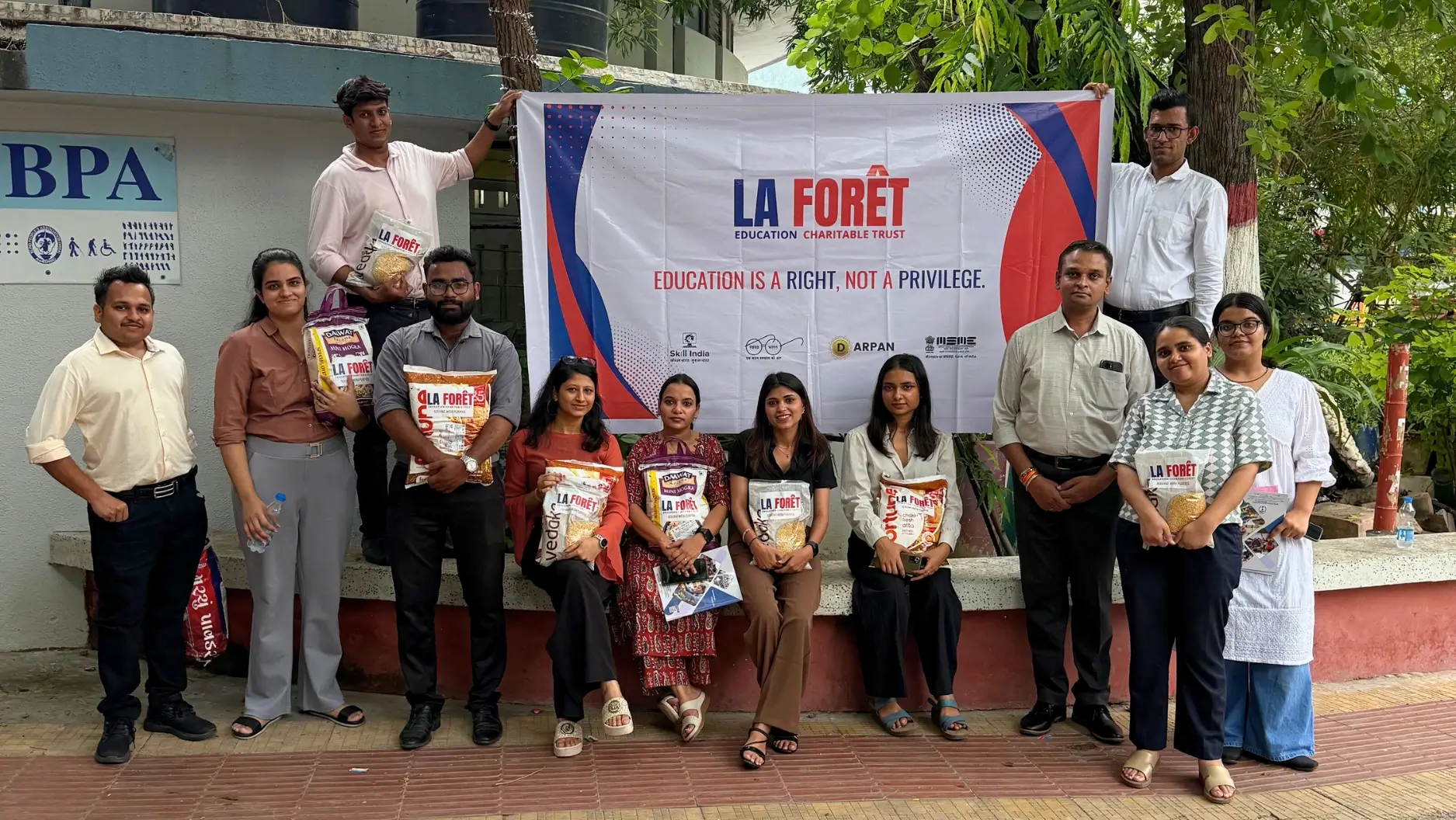
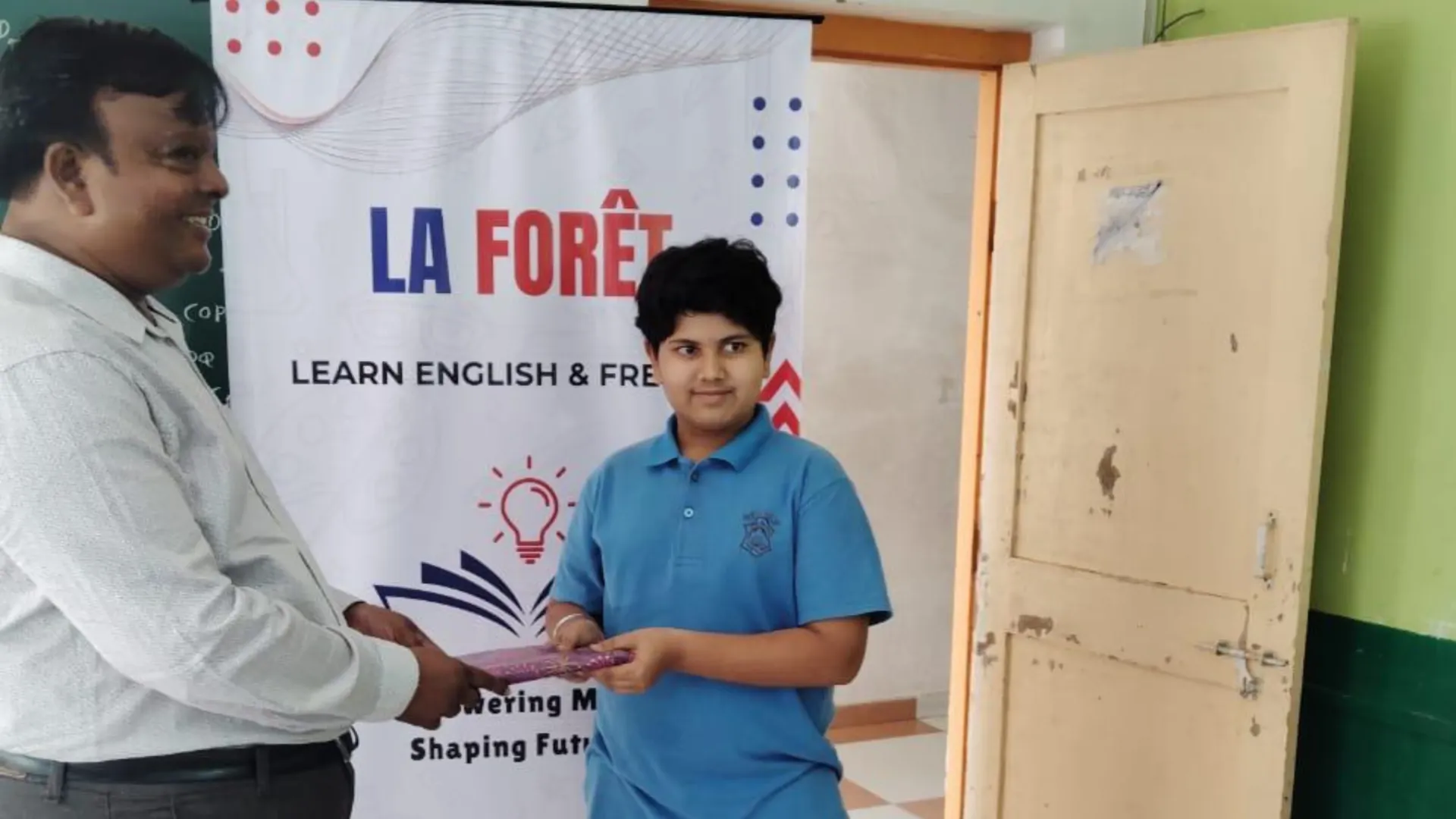
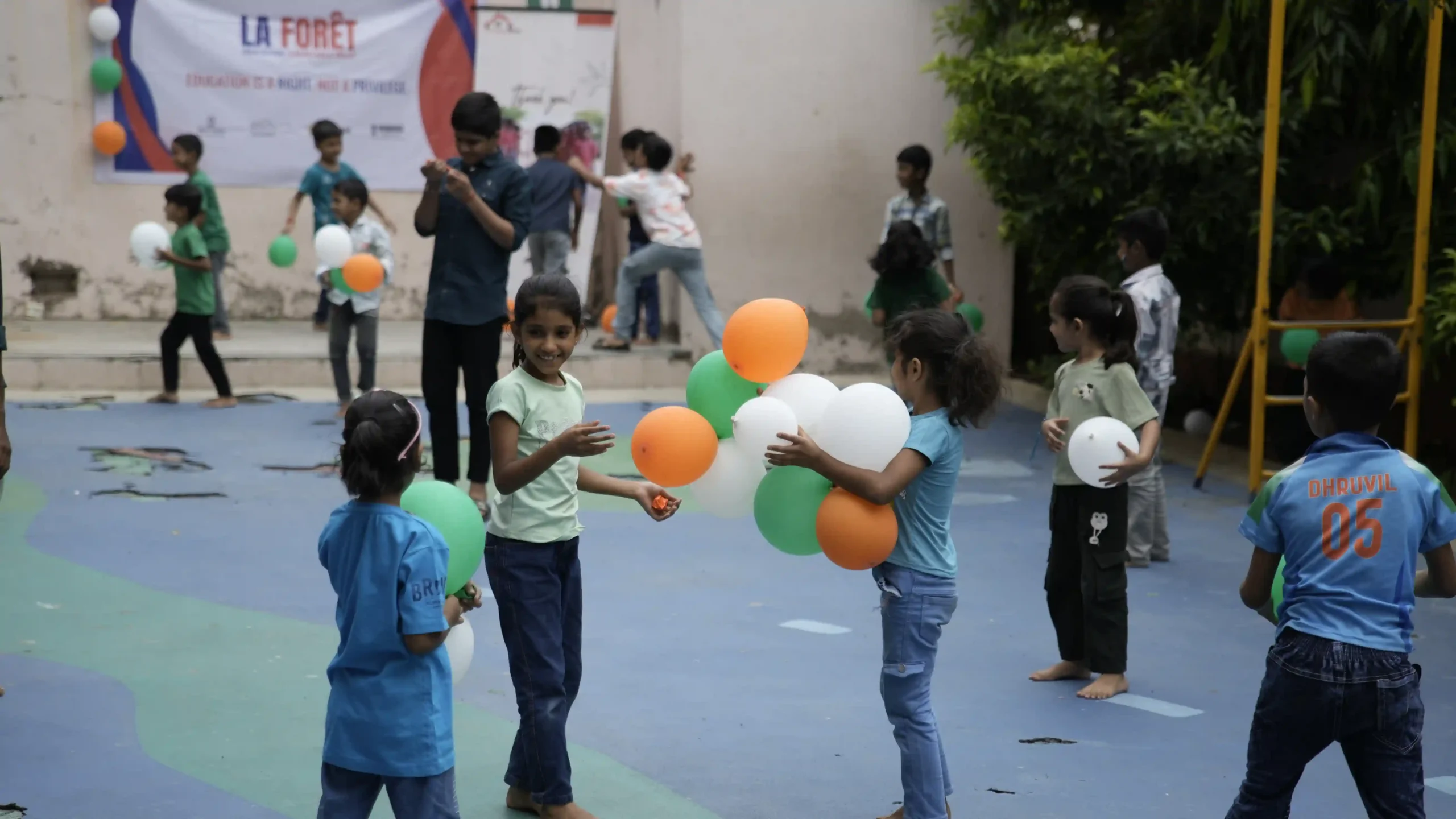
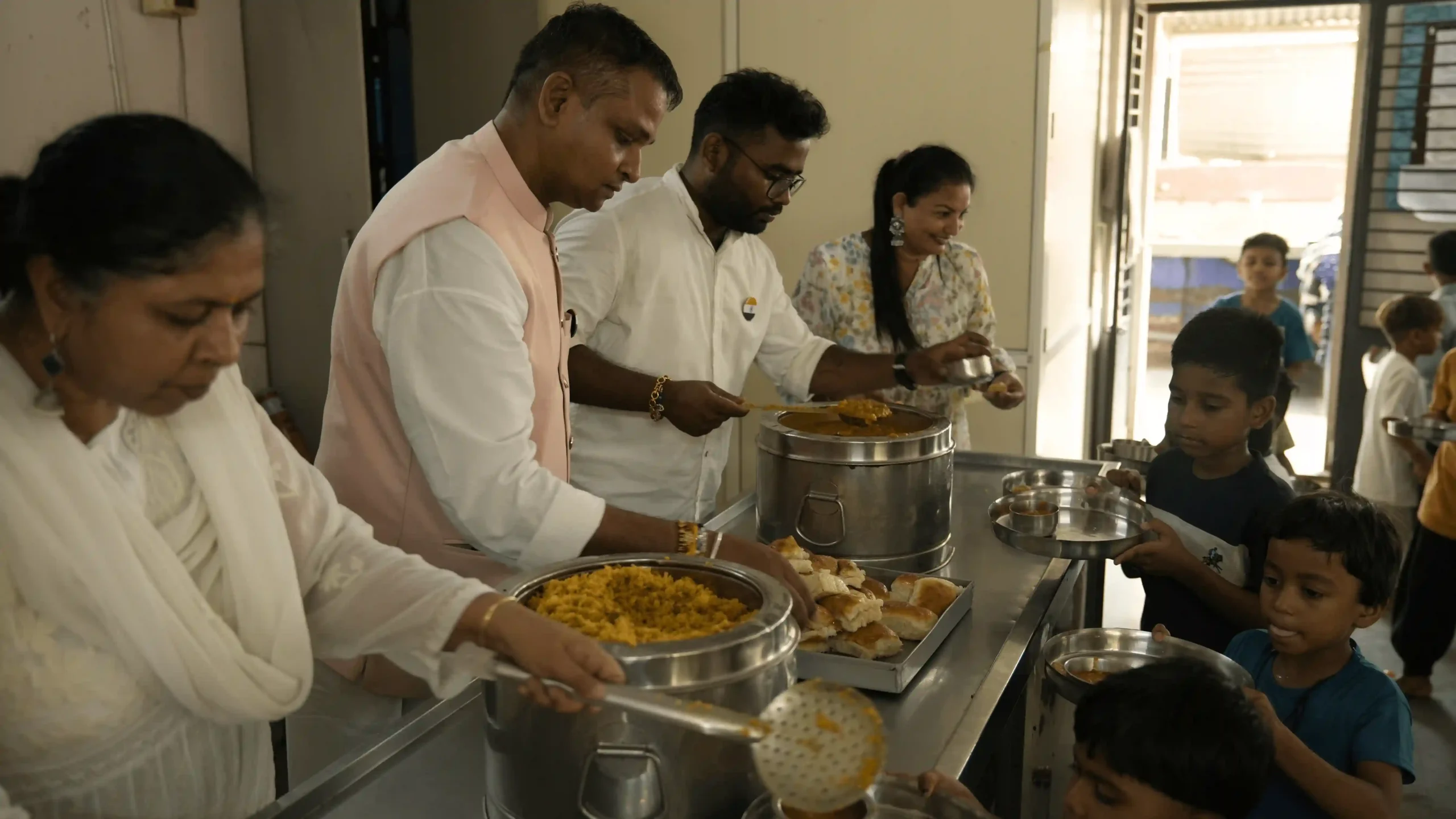
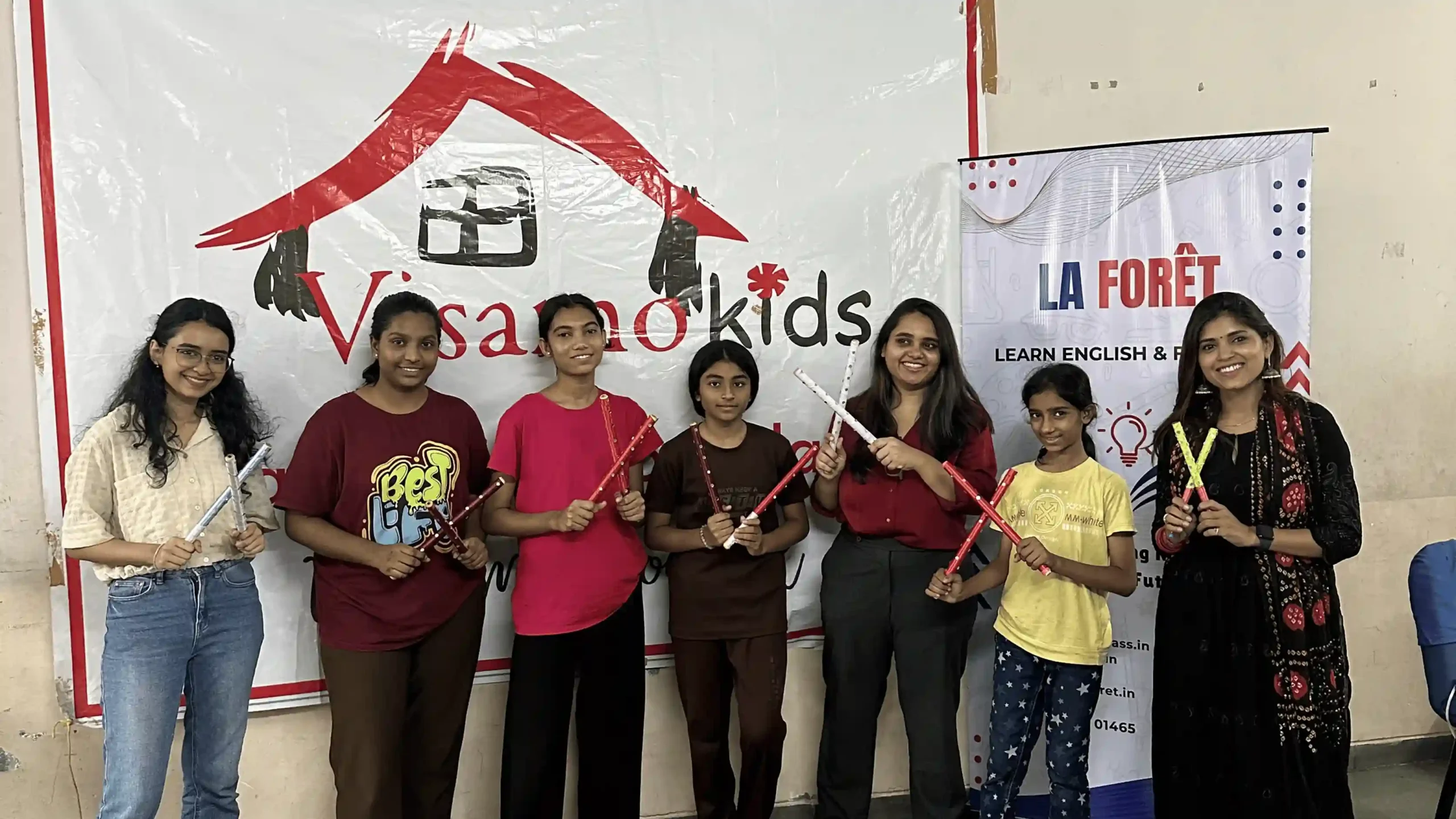
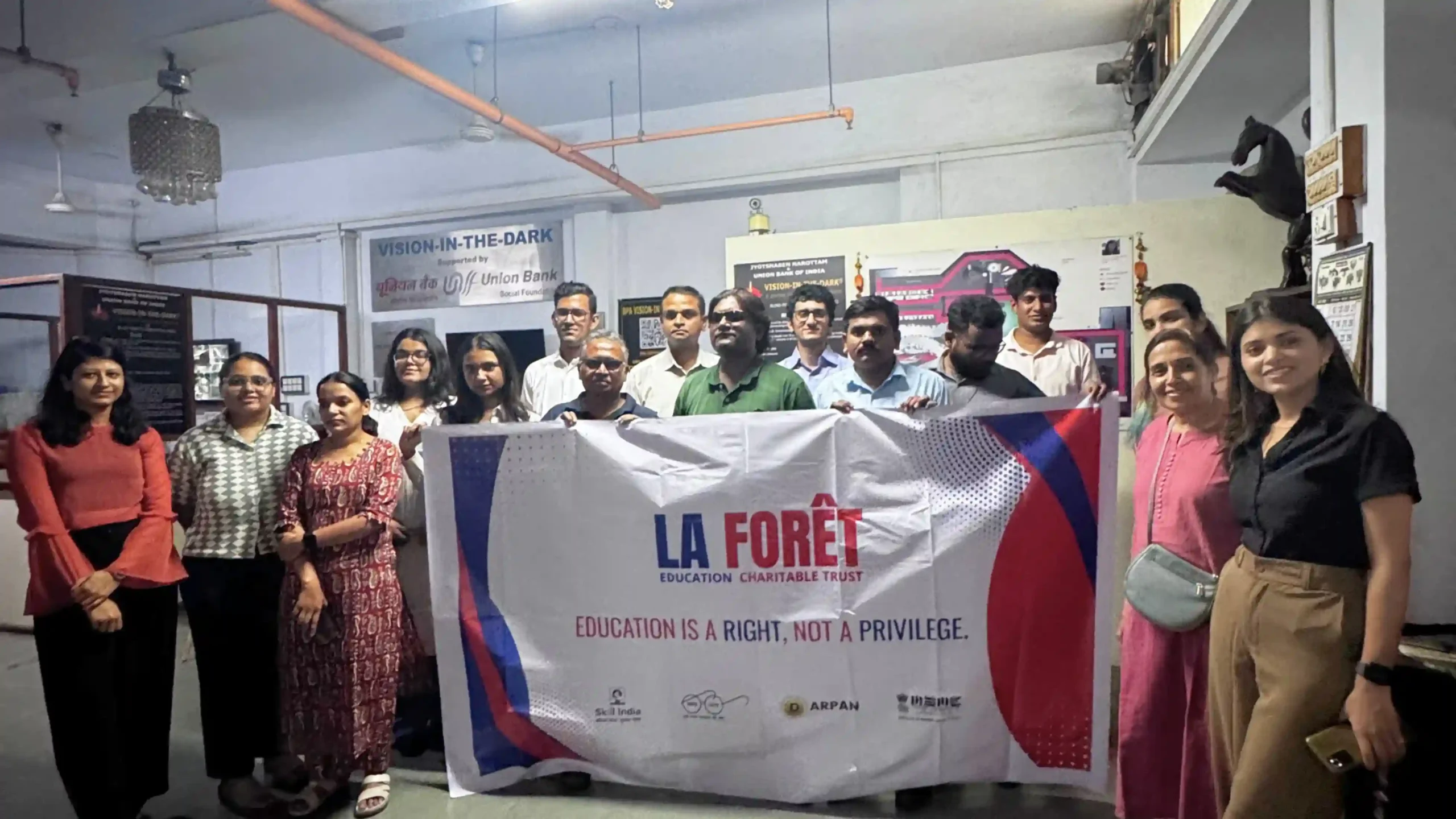
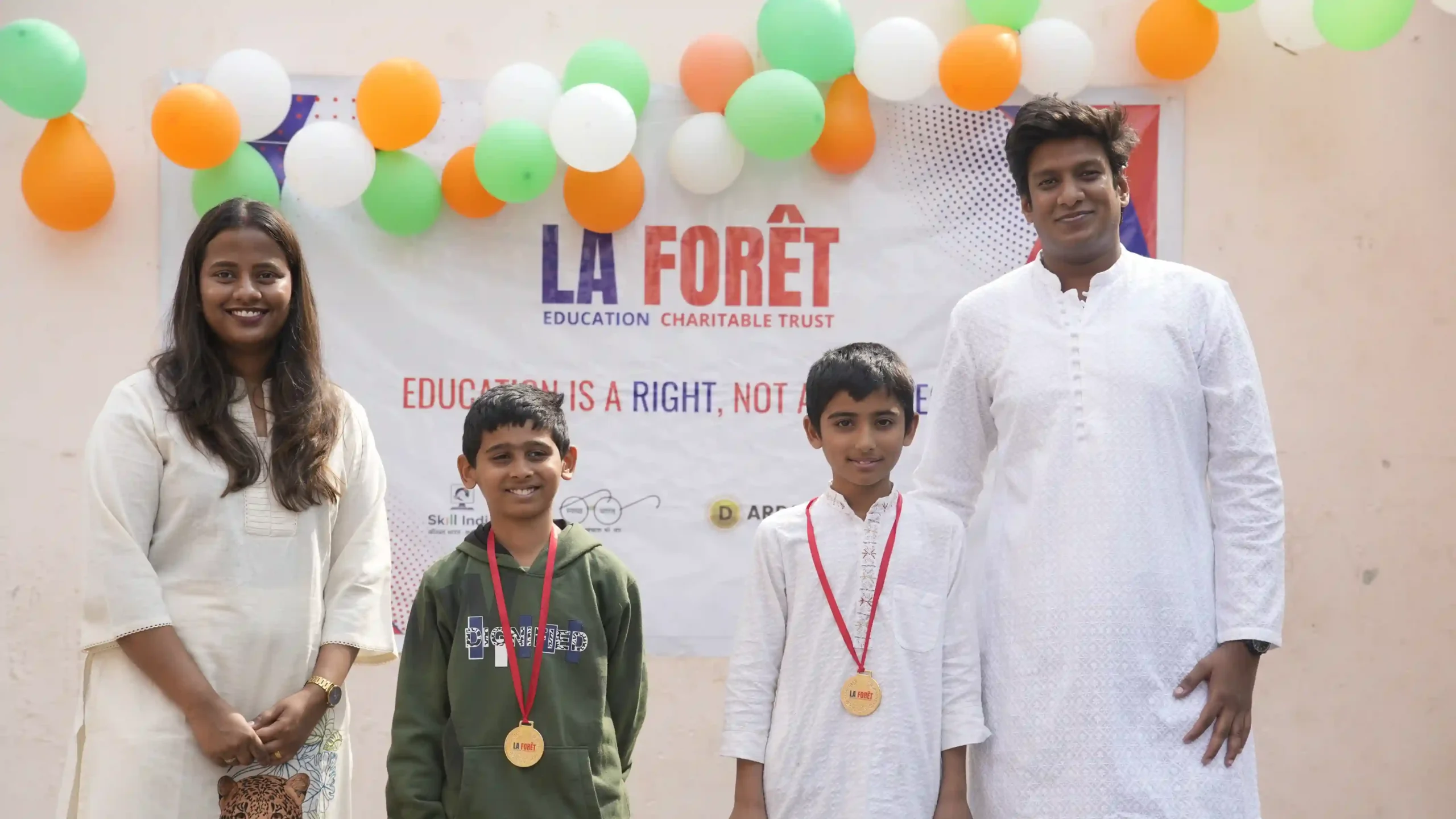
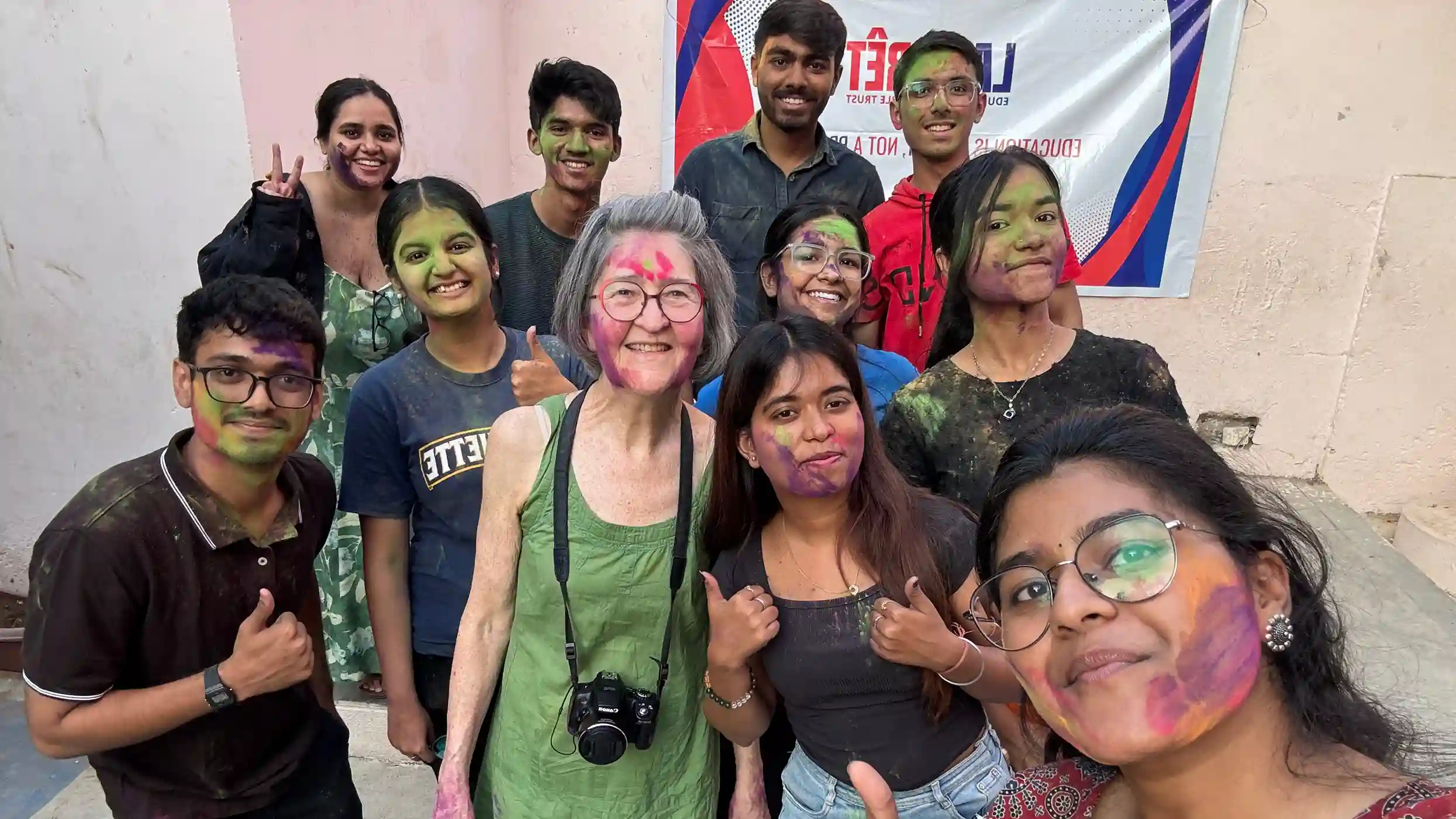
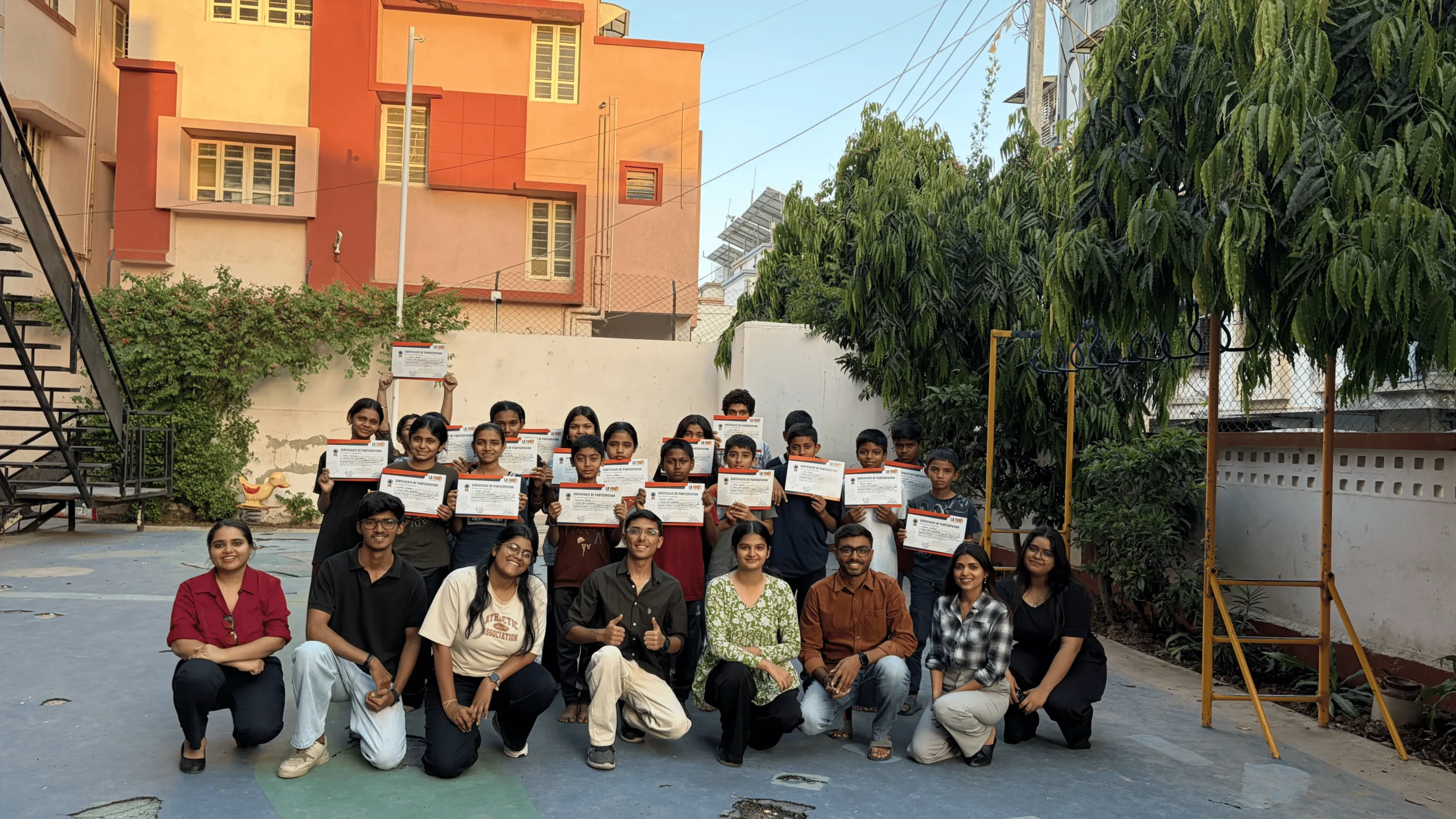
Non-governmental organisations (NGOs) and educational trusts also play an essential, hands-on role. They work directly at the local community level. They conduct awareness drives, build schools, and support digital literacy for girls in rural and tribal areas. For instance, La Forêt Education Charitable Trust is dedicated to ensuring equal opportunities for every child. They support numerous initiatives that help improve access to quality education, especially for girls in vulnerable communities. These combined efforts from both the government and private organisations are slowly changing the picture of education and equality in India.
What Can Society and Individuals Do to Promote Equality?
Promoting gender equality does not require just big government programmes. Every single person in society can take small, meaningful steps every day.
- Encourage girls’ education: We must strongly encourage girls’ education within our families and neighbourhoods. Offering to tutor a girl or donating old books helps hugely. Support and celebrate their achievements as much as boys’.
- Challenge gender stereotypes: Avoid language or behaviour that limits what boys and girls can do. Correcting comments like ‘Girls can’t play sports’ or ‘Boys don’t cry’ helps change young minds.
- Create safe learning spaces: Ensure schools, transport, and communities are safe for all students. This means speaking up against any form of bullying or harassment in schools and public areas.
- Volunteer or donate: Contribute through volunteering or donating to educational charities or causes that empower girls through learning. Even a small monthly contribution can provide a uniform or school supplies for a needy child.
Promoting equality is not just a woman’s issue; it is a community responsibility. When we all pitch in and stand up for fairness and inclusion, it inspires others to do the same. This successfully builds a stronger, fairer, and more prosperous future for everyone.
The Role of Parents and Teachers in Promoting Equal Learning
Parents and teachers are the first and most powerful role models in a child’s life. Their words and actions shape how children view themselves and others. Early childhood education matters more than you think as it sets the stage for future gender roles. When adults treat boys and girls equally, children learn that ability, not gender, defines worth. But if a child only sees a girl doing the cleaning and a boy doing the earning, those roles become fixed in their minds.
Therefore, parents and teachers must actively work to foster inclusion and equal confidence. This means giving both boys and girls the exact same chores and toys. A girl should be encouraged to build things, and a boy should be taught to cook. Teachers must ensure that both genders speak up and lead equally in classroom discussions. They should praise girls for their strength and boys for their empathy and kindness. Equality begins at home and in classrooms. When children grow up seeing fairness and respect, they carry those values into society.
Inspiring Stories of Change and Empowerment
Throughout India, countless women and girls are bravely overcoming huge barriers every day. Their success stories must inspire us all to promote equal learning.
Mary Kom, The Boxing Legend
Mary Kom, a boxing legend, faced poverty and great struggle in rural Manipur. She fought hard against the social pressure that insisted women should not participate in boxing. She bravely pursued her passion, even after becoming a wife and a mother. Her amazing success as an Olympic medallist clearly showed that pure passion and dedication beat old stereotypes.
The Phogat Sisters, Wrestling Heroes
Geeta and Babita Phogat faced very strong opposition in their Haryana village. Wrestling was traditionally seen only as a men’s sport in their deeply conservative community. They were determined to train hard, supported fully by their dedicated father. Their success on the international stage proved that girls deserve equal space in all physical and challenging sports.
Sushma Swaraj, The Powerful Leader
Sushma Swaraj was a formidable politician who broke many barriers throughout her career. She started young and proved that women could hold high cabinet roles and manage complex international relations. Her sharp intelligence and strong presence inspired millions of women to take on leadership roles fearlessly.
These inspiring examples remind us that when girls are given the chance to learn, they rise. And when they rise, they lift the world with them.
Gender inequality may still exist, but equal learning can change its course. Education gives girls and boys the strength to dream, achieve, and lead without limits. Every step towards equality shapes a fairer India. Together, we can build a world where every child, regardless of gender, has the chance to learn, grow, and shine.