When we talk about children’s learning, people often use the words education and literacy as if they mean the same thing. However, the truth is that they are two very different concepts that work together. Literacy is the starting point, while education is the lifelong journey of growth. Understanding this difference matters a lot, especially when we think about the future of children. Let’s take a simple look at education vs literacy and see why both play an equally important role in a child’s growth and development.
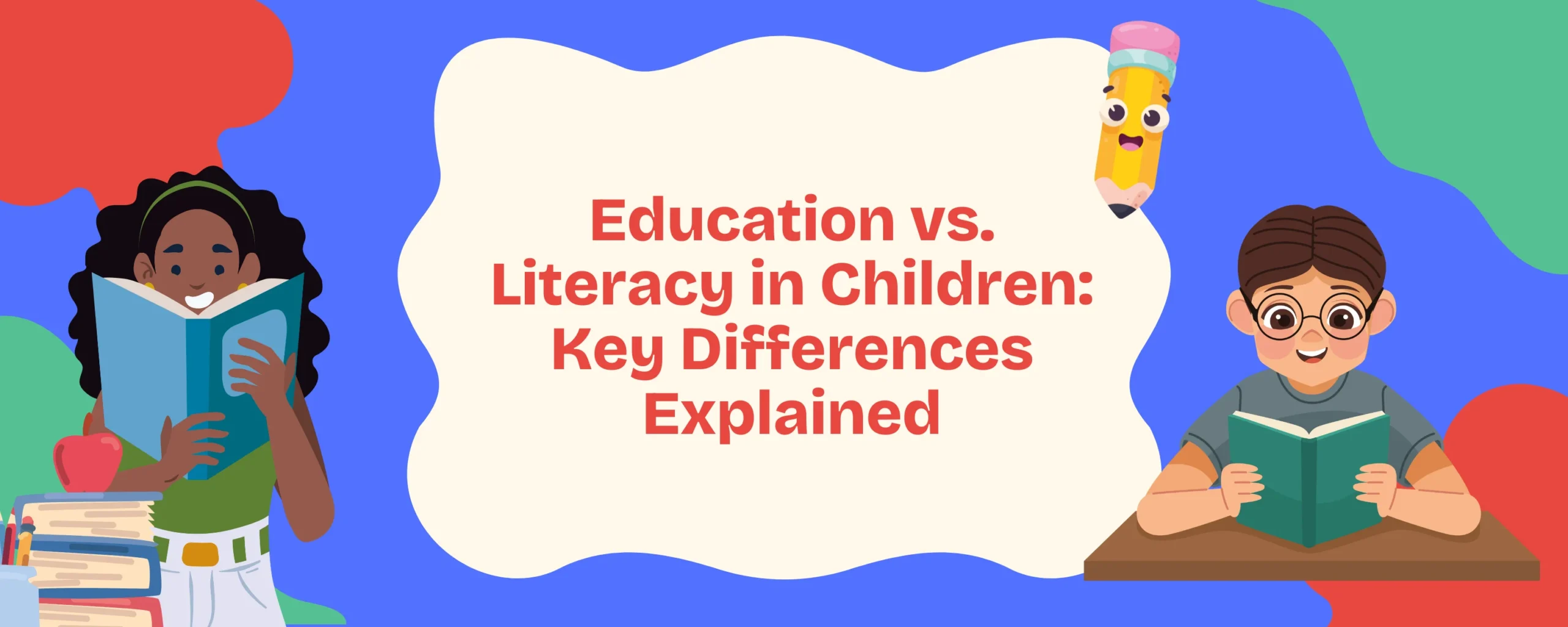
Education vs Literacy in Children: Key Differences Explained
Before we explore the literacy and education difference, we need to understand what each of these terms really means. Literacy is a basic skill that gives a child the basic tools to read and write. While education is a structured process that builds wisdom, values, and critical thinking skills. Thus, being literate is not the same as being educated. Education goes much deeper and shapes the way children think, learn, and grow. So, what is the real definition of education and literacy, and how can we use this knowledge to help children?
What is Literacy?
Literacy means the ability to read, write, speak, and understand basic information. It helps children express thoughts and understand the world. Literacy builds confidence and independence. If a child can read a storybook, write a few sentences, or understand a signboard, they are considered literate. Literacy is a fundamental skill that forms the foundation for other types of learning. Literacy is the first step to acquire all types of knowledge. But without literacy, children struggle with daily tasks. They feel confused and dependent on others leading to limited learning, poor decision-making and low self-esteem. It can also lead to school dropouts and fewer job options later in life.
What is Education?
Education, on the other hand, is much broader concept than literacy. It encompasses not only the ability to read and write but also involves the overall development of a child’s personality and mind. It is about gaining knowledge, learning valuable lessons, developing social and life skills, and understanding how to apply information in real-life situations. In a child’s life, education acts as a compass that guides their character and future decisions. It helps children think critically, solve problems, and grow as responsible citizens.
Education vs. Literacy in Children: Key Differences Explained
Education and literacy are closely linked, but they are not the same. Literacy is often seen as a formal skill that you learn in the early years of school. Education, on the other hand, is a continuous process that happens everywhere. Literacy is a foundation skill and education builds on that foundation. For example, while literacy enables a child to read a book, education teaches them how to understand that book, question its ideas, and apply the knowledge in their life. This is the real difference between education and literacy. Literacy builds the base. Education builds the structure.
| Basis | Literacy | Education |
| Meaning | Ability to read and write | Structured learning and overall growth |
| Purpose | Understanding and communicating basic information | Developing knowledge, character and values |
| Scope | Limited to language skills | Wide and holistic |
| Nature | Skill-based | System-based |
| Timeframe | Usually achieved in early childhood. | A lifelong process that never ends. |
| Dependency | Can exist alone | Needs literacy |
| Focus | Understanding information | Applying knowledge |
| Outcome | Confidence and awareness | Career and social growth |
Why Are Both Education and Literacy Essential for Children’s Growth?
Both elements are essential because they feed into each other perfectly. Literacy acts as the bridge that allows a child to reach the world of education. Literacy is the first step of learning. Education gives direction to that learning. Literacy helps children understand lessons better. Education helps children use that understanding wisely. This combination has a deep impact on a child’s mental and emotional growth.
Literacy impacts learning by making a child independent in their studies. Once they can read, they no longer need someone to explain every single word. This leads to personal growth and a boost in self-esteem. As they move into education, they learn how to use those skills to form their own opinions. Collectively, they create a well-rounded individual who is ready for any challenge. In short, without literacy, education becomes difficult. Without education, literacy remains incomplete. Together, they help children reach their true potential.
How Can We Promote Literacy and Education Among Underprivileged Children?
For children from underprivileged backgrounds, literacy and education becomes even more crucial. Giving these children both literacy and education is the key to breaking the cycle of poverty. Literacy empowers them, but education transforms them. But how? Communities can support learning through free classes and libraries. Parents can encourage reading at home. Schools can focus on basic literacy first. NGOs and trusts play a strong role here. When children learn to read and write, education becomes meaningful. Promoting both these values are important because every child deserves access to learning, regardless of background and equal chances for growth.
What Challenges Limit Access to Literacy and Education in Rural Areas?
Rural areas face many barriers. Schools are often far away. Teachers are limited. Learning resources are scarce. Many children are forced to work to support family income instead of studying. Language barriers also affect literacy. Poor transport and digital gaps add to the problem. To solve these hurdles, we can set up mobile libraries and community learning centres. Providing free meals and school supplies also encourages parents to send their children to learn. Other solutions include trained local teachers, digital tools and awareness programs that help bridge gaps.
How Can We Build Inclusive Learning Environments for Every Child?
It is not enough to just build schools. We must also create learning spaces where every child feels included, supported and safe. When children feel included, they feel valued and can learn better which helps improve confidence and curiosity. Inclusive classrooms makes sure that children from different backgrounds, abilities, and communities can all learn together. Such environments help children learn empathy and respect for everyone from a very young age. Inclusive spaces help children feel valued.
How Is La Foret Education Charitable Trust Bridging the Gap Between Literacy and Education for Underprivileged Children?
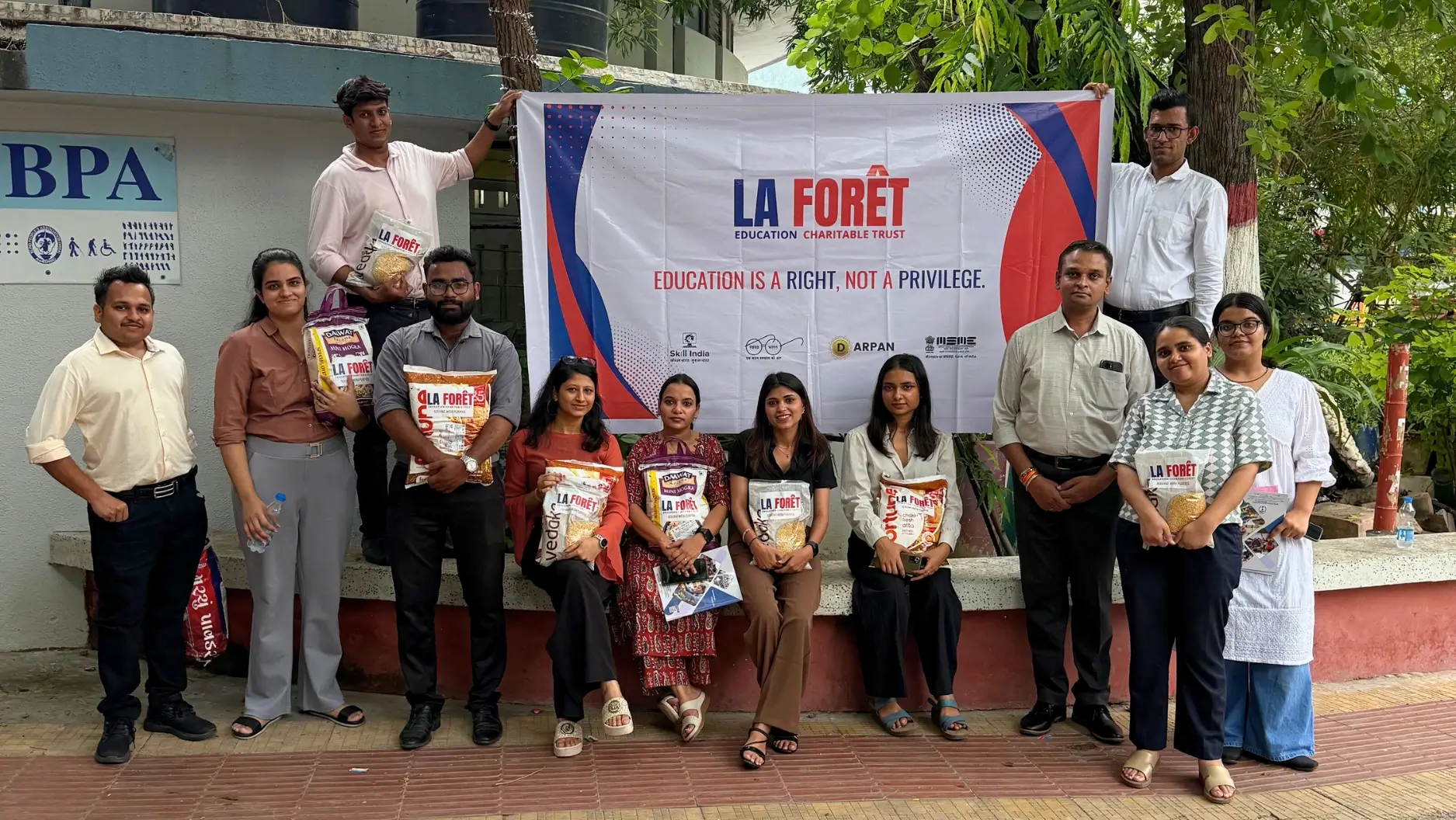
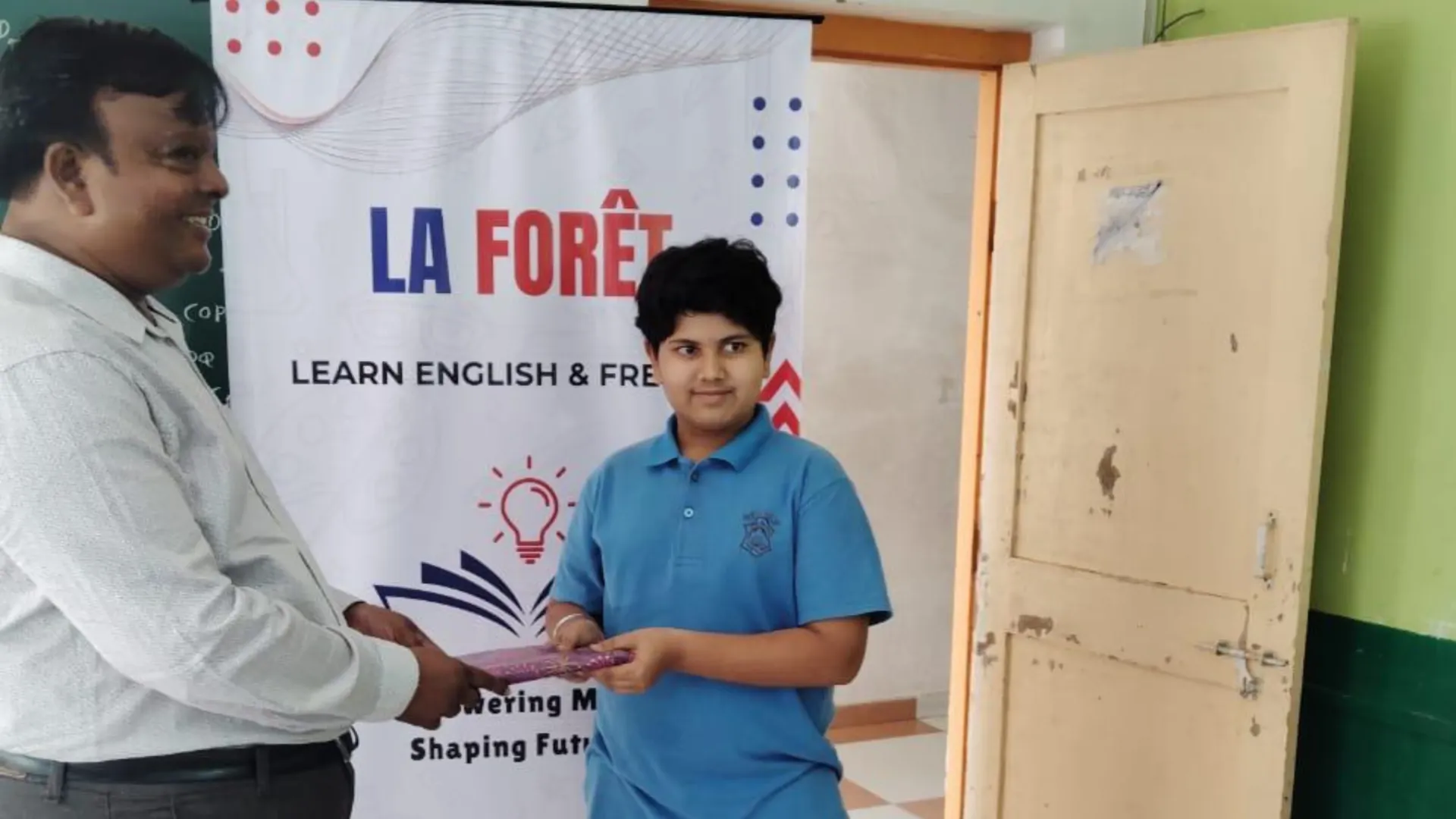
The La Forêt Education Charitable Trust works tirelessly to support underprivileged children across the country. We do not just teach children how to read; we help them grow into thinkers.
Our team provides books, mentors, and safe spaces for children through our three ongoing campaigns. “Back to school” is a drive to provide school kits to underprivileged students, “Comfort to learn” is dedicated to improve basic infrastructure in under-resourced schools and “Project Udaan” literally gives wings to dreams by equipping students with quality learning, life skills and guidance. By focusing on both literacy and education, we ensure every child has a bright future.
Many children do not know the difference between being literate and being truly educated. We hope this blog has cleared the difference and highlighted why both matter equally. With the right support, children can learn, grow, and dream with confidence. So, join hands together to help children dream bigger and achieve more. Your donation today could be the reason a child stays in school!
Frequently Asked Questions
Q1. Is it possible for a child to be educated without being literate?
Ans: In most cases, a child cannot be fully educated without being literate. Literacy is the base of education. Without reading and writing skills, children struggle to understand lessons, instructions, and textbooks. A child may learn through observation or listening, but this learning remains limited. Literacy allows children to explore ideas on their own. It helps them ask questions and find answers. Without literacy, education becomes incomplete and difficult to apply in real life.
Q2. Why is early literacy crucial in shaping a child’s education?
Ans: Early literacy builds strong learning habits. When children learn to read and write early, they feel confident in classrooms. They understand lessons faster and participate more. Early literacy also improves memory and focus. It helps children enjoy learning instead of fearing it. These skills support all subjects, not just languages. A strong literacy base makes future education smoother and more meaningful.
Q3. How does education influence a child’s overall development?
Ans: Education supports a child’s mental, social, and emotional growth. It teaches problem-solving and decision-making. Children learn values like respect and teamwork in school. Education also builds discipline and responsibility. It prepares children to face challenges with confidence. Through education, children develop goals and dreams. It shapes their personality and behaviour over time.
Q4. How does literacy enhance a child’s overall educational experience?
Ans: Literacy makes learning easier and more enjoyable. Children who can read and write understand lessons better. They complete tasks independently and feel confident. Literacy helps children connect ideas across subjects. It also improves communication with teachers and peers. When literacy is strong, children feel motivated to learn. This leads to better performance and a positive school experience.