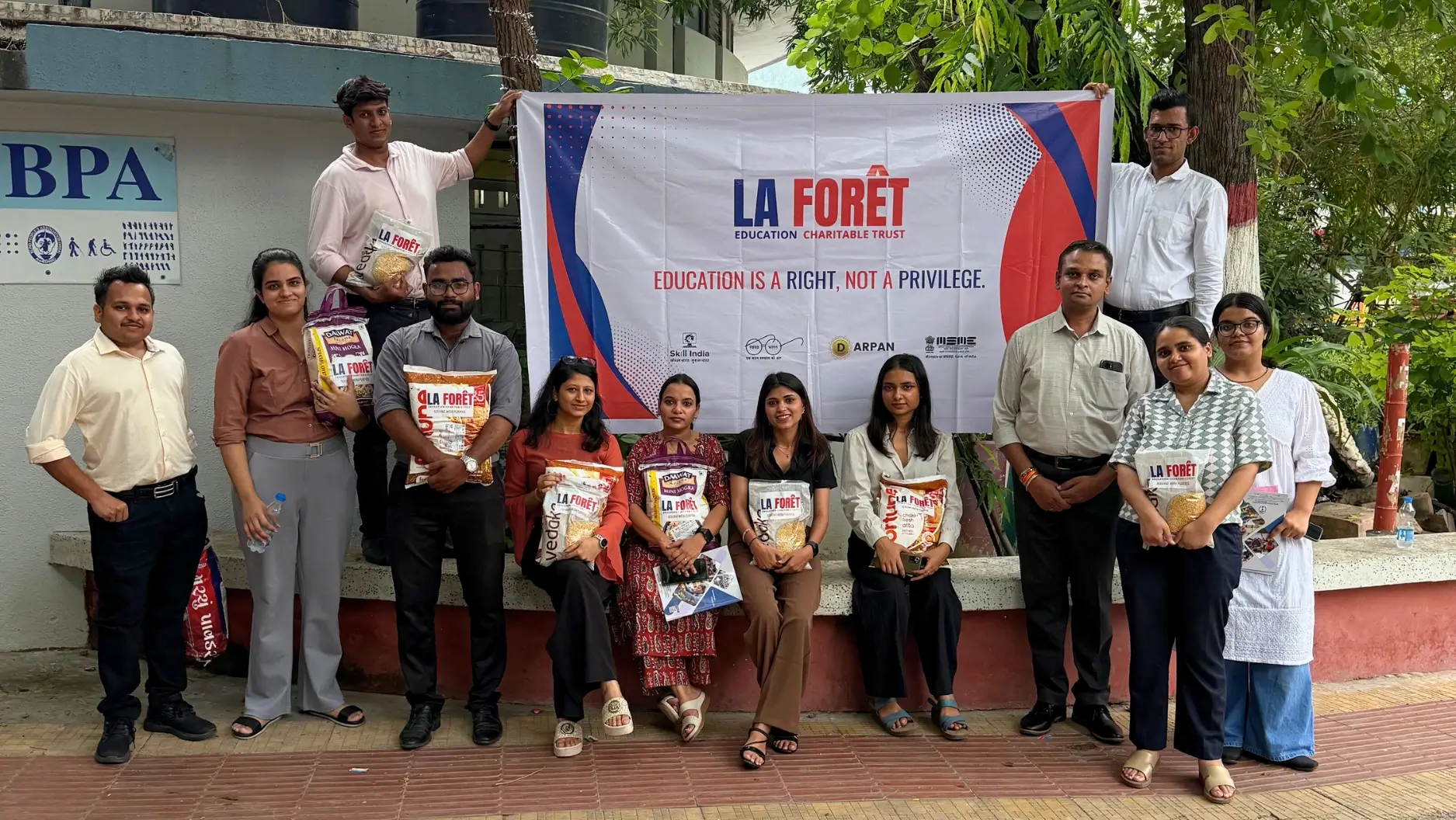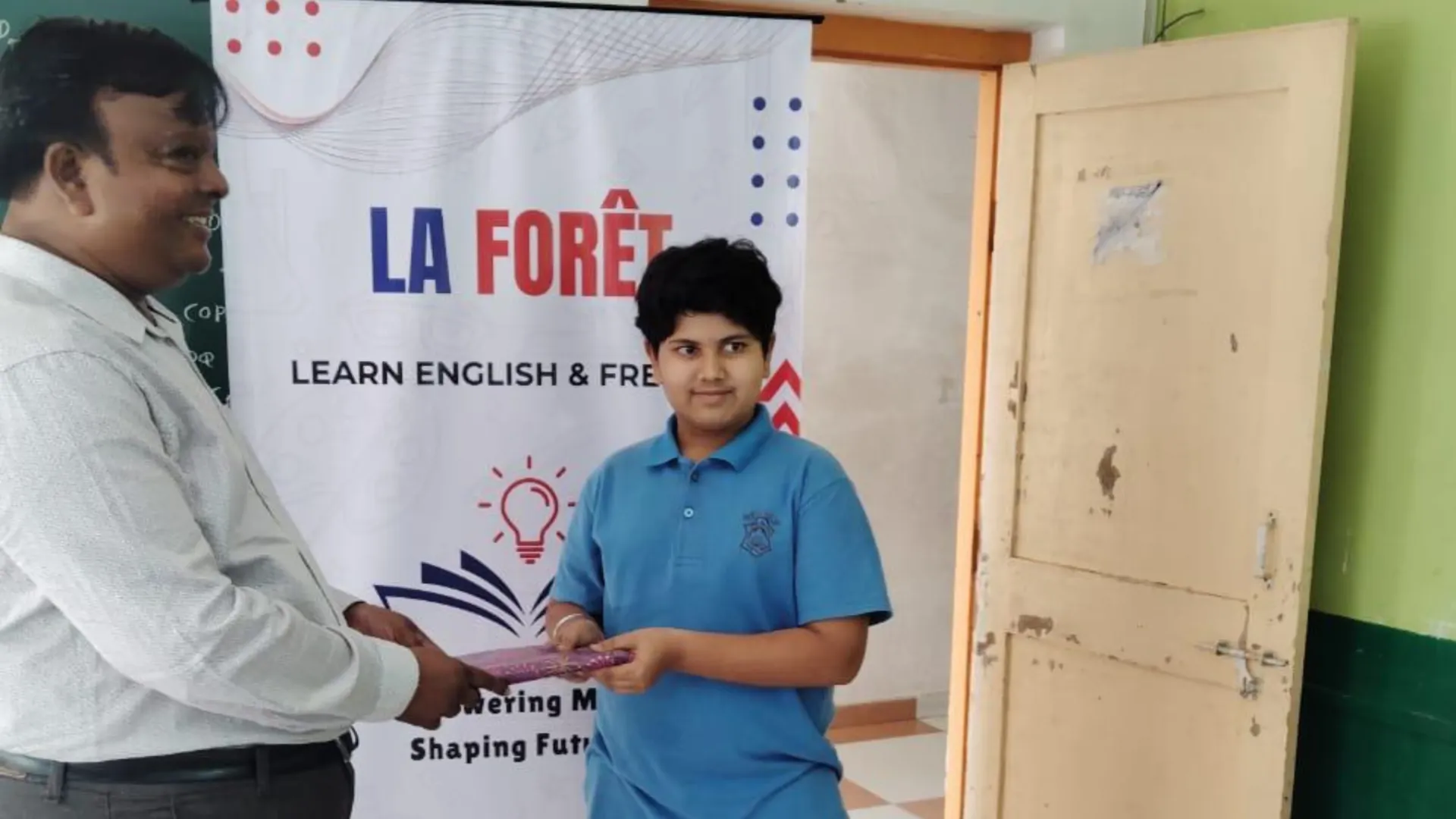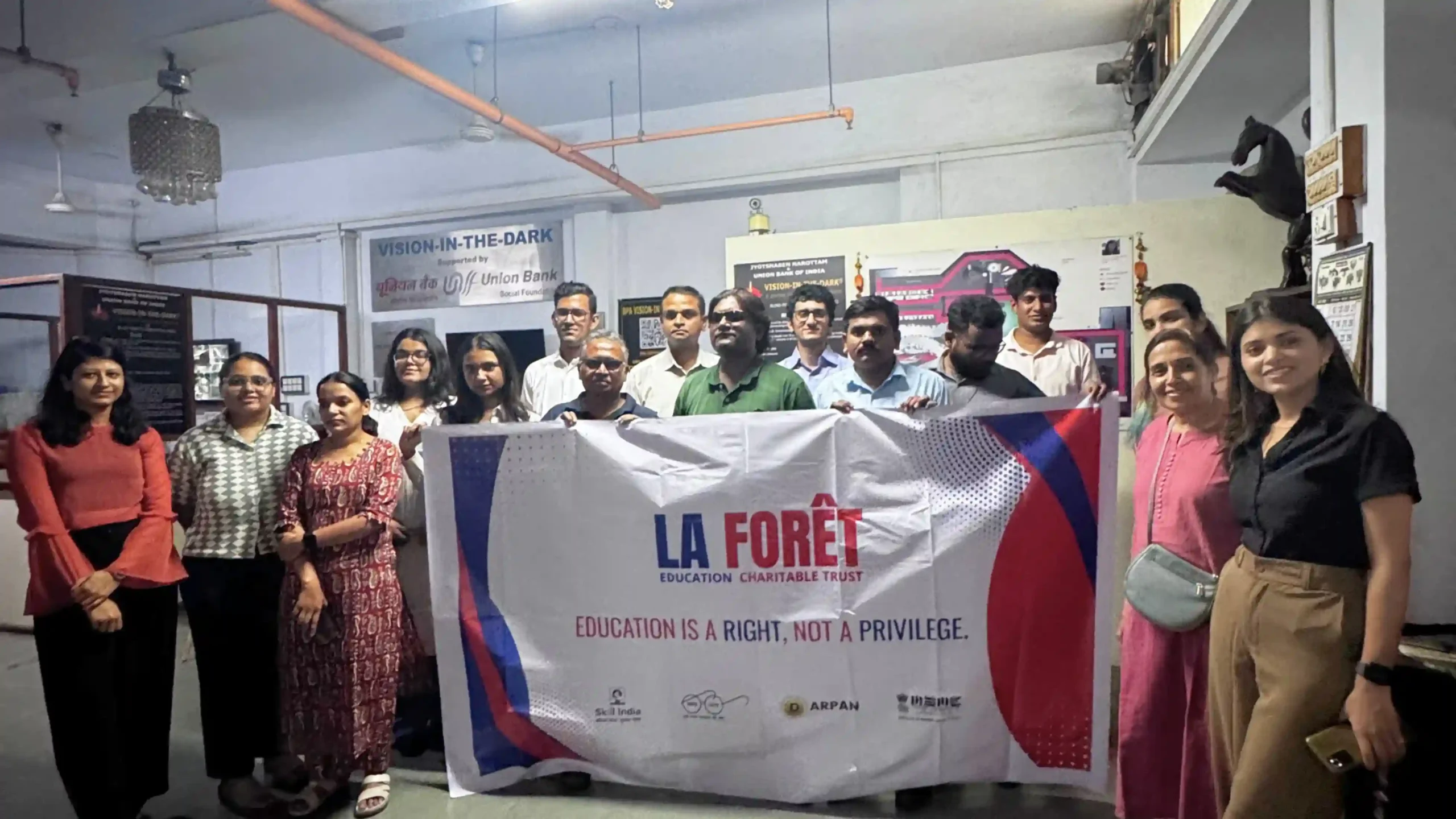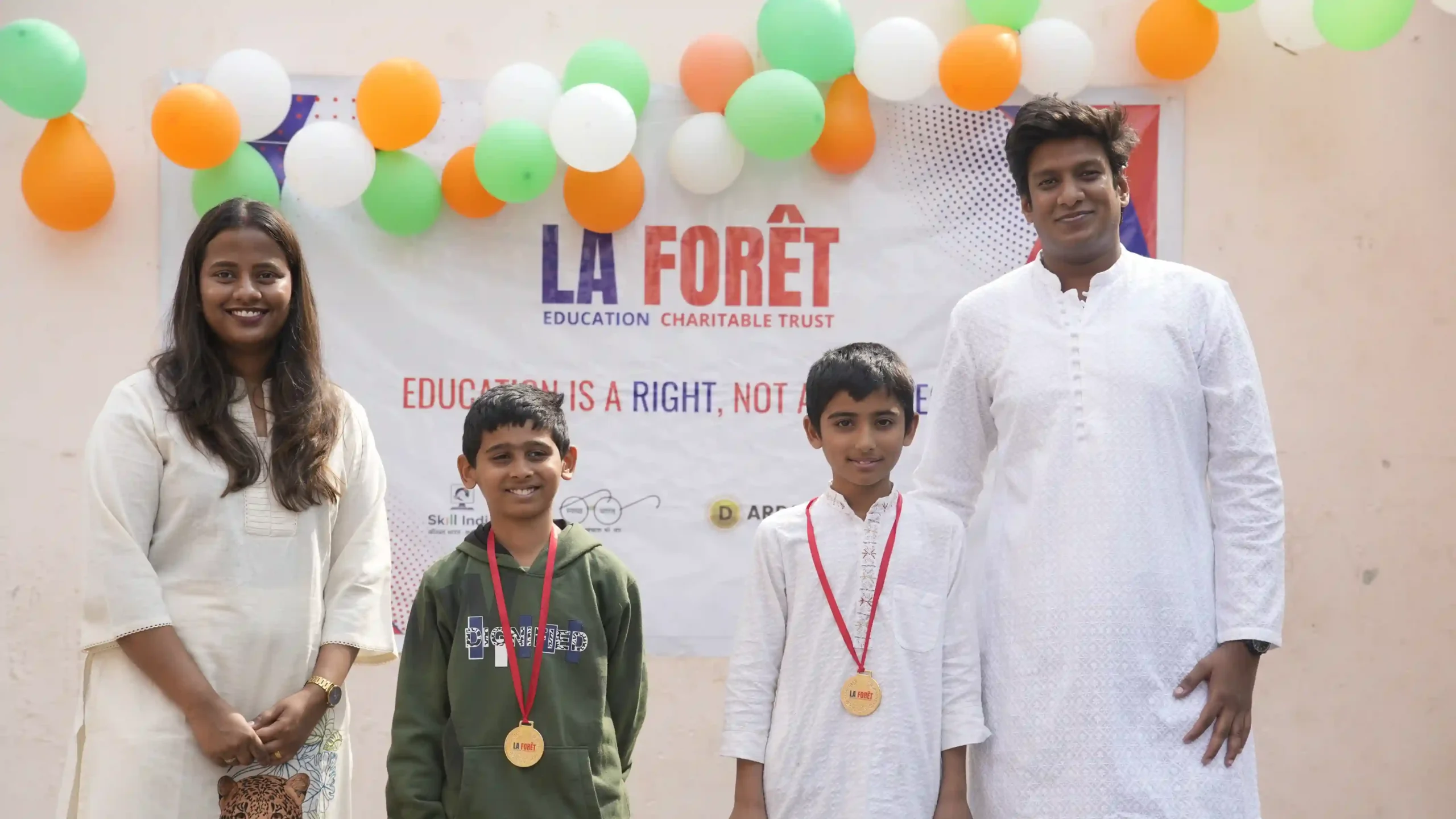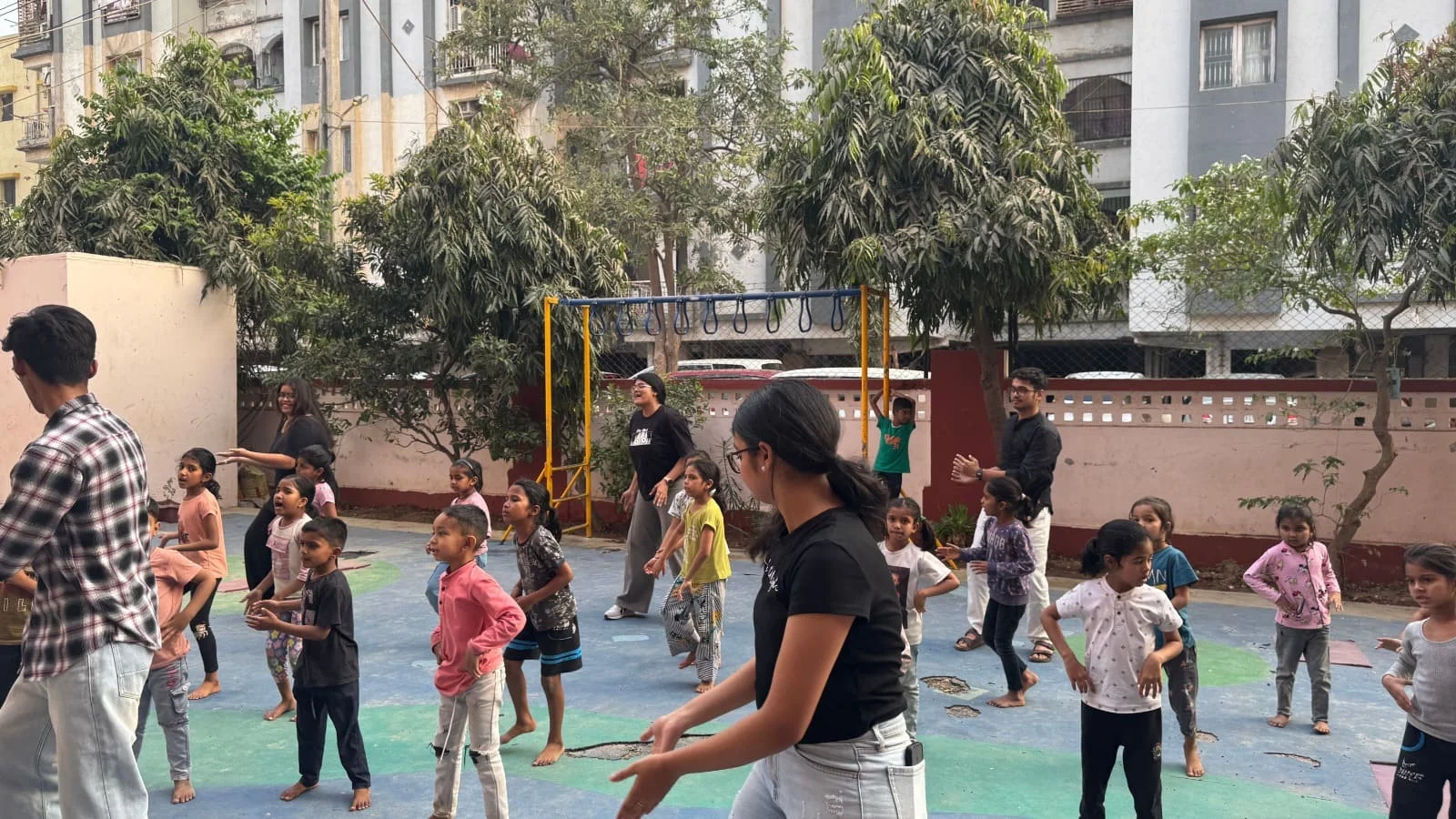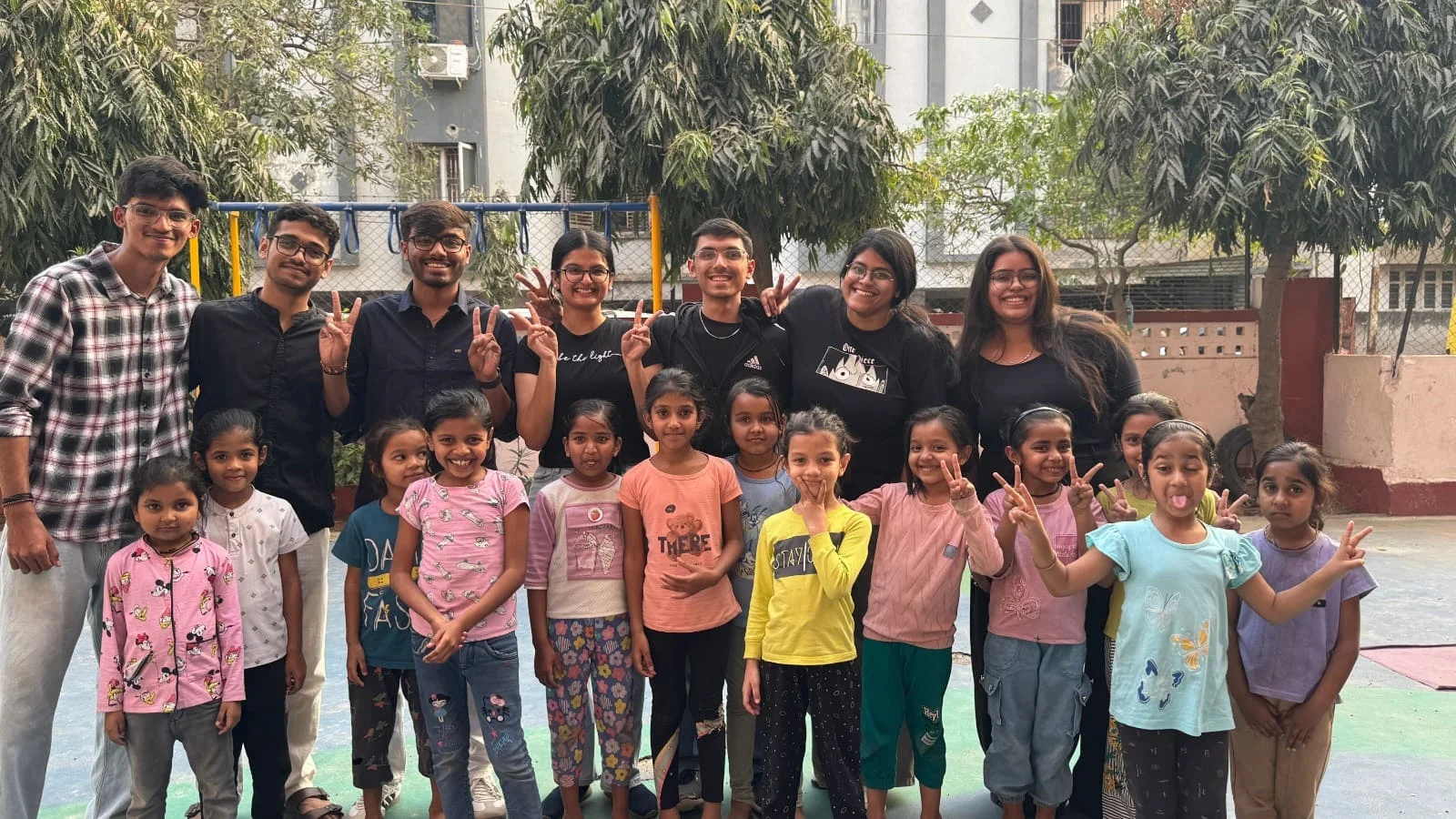
“Education is the most powerful weapon which you can use to change the world.” This quote by Nelson Mandela stands true and feels deeply personal to all women and girls. Because many girls face silence, limits, financial dependence and early responsibility. But after education, they find their voice, strength, and opportunity. Thus, educating women and girls has a ripple effect that benefits entire societies. It is the key to breaking the cycle of poverty and social issues like child marriage and domestic violence. The Indian government and non-governmental organisations are working their best to increase girls’ access to education, and things have improved in recent years. La Forêt Education Charitable Trust is one such organization actively working to support education for women and girls through awareness, learning programmes, and charitable initiatives. This blog shares powerful ways to protect and promote the education rights of women and girls.
What Are the Educational Rights of Women and Girls?
Education rights ensure that every girl and woman can learn, grow, and decide her future. These rights remove barriers and create equal chances. In India these are supported by various legal frameworks and policies. Key aspects of these rights include:
Right to Free and Compulsory Education: What Does It Mean for Girls and Women?
Right of Children to Free and Compulsory Education Act (RTE), states that primary education for early years (6 to 14 years) must be free for all. This right ensures that every child, including girls, can attend school without fees. This removes the financial burden from parents. As a result, more girls complete basic education. It also reduces dropouts and delays early marriage and child labour.
How Do Reservation Policies Support Educational Access?
The Indian Constitution and various policies provide for reservations (quotas) for women and girls in educational institutions. This means that some seats are set aside for females from disadvantaged backgrounds or marginalised groups to get into schools and colleges. They create fair and equal opportunities where social gaps exist.
Legal Protections Against Discrimination: How Are Educational Rights Upheld?
Laws protect girls from denial of admission or unfair treatment. According to Articles 15 and 16 of Constitution of India, prohibit discrimination based on gender. ensuring that women and girls have equal rights to education, employment opportunities. If a girl faces bias, these laws allow her to seek justice.
What Are the Key Initiatives for Girls’ Education?
Governments often launch special projects to build more schools in rural areas. They also support through scholarships, free books, uniforms, transport aid and meals to encourage attendance. These initiatives focus on making school more attractive and accessible for every girl. These reduce cost, distance, and fear. Did you know? According to UNESCO, if all girls completed secondary education, child marriage would fall by 64%. Therefore, special focus is given to secondary education, where dropouts increase. Such steps keep girls learning longer.
How Can We Ensure Safe and Inclusive Learning Environments?
Safety is a major part of the right to education. Schools are encouraged to implement child protection policies to create safe environments free from harassment and abuse. An inclusive environment also means teaching staff who respect female students. Schools must have separate clean toilets, drinking water and safe transport for girls. When girls feel safe, they can attend and remain in school.
Which Key Initiatives Promote the Education Rights of Women and Girls?
Promoting education rights means taking active steps to remove hurdles. It involves changing mindsets and improving facilities. It needs systems, people, and belief working together. Here is how we can effectively promote these rights for a better tomorrow.
How Can We Improve Access to Quality Education?
We can improve access by building schools closer to homes. Long travel distances often discourage parents from sending their daughters to school. Many girls are forced to drop out of school due to financial constraints. Governments and organizations can work to eliminate high fees or provide financial support through scholarships or grants. Additionally, we must ensure that teachers are well-trained and use modern methods. Quality education gives girls the skills they need for the modern job market.
Why Is Community Engagement and Awareness Important?
Many people still believe that a girl’s place is only in the home. Community engagement helps change these old-fashioned views. Families influence education decisions, therefore highlighting success stories and the positive impact of education can drive change. We can hold workshops and meetings to show parents the benefits of schooling. When a community supports and values girls’ education, the dropout rates decrease significantly. Working with community leaders, elders or role models to advocate for girls’ education can help change societal attitudes and encourage families to send their daughters to school.
Safe and Inclusive Learning Environments
Schools must be safe, respectful, and welcoming. Promoting safety involves creating a culture of respect within the school. We must train teachers to prevent any form of bullying or harassment. Simple things like well-lit paths and female security guards make a big difference. Mentors and counselors help address stress, anxiety, and other issues that may affect girls’ ability to learn and succeed in school. An inclusive school values every girl’s voice and encourages her to participate in all activities.
What Are the Challenges Faced by Marginalized Groups?
Girls from very poor families or remote tribes face double the challenges. Poverty, caste, disability, and location limit access. We must provide extra support like special mentorship and educational programs, scholarships and special tutoring for them. By focusing on the most vulnerable, we ensure that no girl is left behind. Advocating for policies that address the needs of marginalized girls at the national and international levels can help ensure that education systems are inclusive and equitable. This targeted approach helps overcome gaps.
How Does Empowerment and Leadership Influence Girls’ Education?
Empowered girls inspire others. This creates a positive cycle across communities. When girls see women in leadership roles, they feel inspired to follow suit. Promoting female teachers and principals provides excellent role models for students. Empowerment programs help girls build the confidence to speak up for their rights. Leadership programmes teach decision-making to take charge of their own lives and careers.
What Challenges Do Women and Girls Face in Accessing Education in India?
Even with laws in place, many girls still struggle to go to school. Despite significant progress in promoting the educational rights of women and girls, numerous challenges remain that hinder their access to quality education. Today, girls face a mix of old traditions and new digital hurdles. Understanding these challenges is the first step toward solving them.
What Socioeconomic Barriers Limit Girls’ Educational Opportunities?
Poverty remains the biggest hurdle for many families. If a family has limited money, they often prioritize immediate financial needs over education or choose to educate the son instead of the daughter. Girls are frequently kept at home to help with chores or look after younger siblings. This financial pressure keeps many bright girls away from schools. Even with free primary education policies, indirect costs such as uniforms, books, and transportation can be unaffordable for many families in rural areas.
How Do Cultural and Social Norms Affect Education?
Early marriage and gender roles limit schooling. Deep-rooted cultural attitudes often prioritize boys’ education. In some communities, girls education is seen as less valuable. These social norms suggest that an educated girl might be “too independent.” Such beliefs stop girls from pursuing higher studies or professional degrees. Another hurdle is early marriage. In some societies, girls are seen as “paraya dhan” and so they are not ready to invest in girls’ education. Changing these deep-rooted views takes time and constant effort.
Infrastructure and Accessibility Issues
Many rural schools lack basic facilities like clean water or proper classrooms. If a school does not have a separate girls’ toilet, many girls are discourages and stop attending. Also, the lack of reliable transport or poor road conditions makes the journey to school dangerous for young women.
What Is the Impact of Gender-Based Violence on Education?
Fear of violence during the commute or at school is a major barrier. Many parents keep their daughters at home to keep them safe from harm caused by harassment and abuse. This lack of security robs girls of their right to learn in peace. We must create “Zero Tolerance” zones for violence in and around schools.
How Do Educational Quality and Relevance Affect Girls?
In some regions, the quality of education may be inadequate due to untrained teachers, outdated curricula, or insufficient educational resources. If the school curriculum does not seem useful for the future, parents lose interest. We need to teach skills that lead to real jobs and financial independence. When education is relevant, families see it as a valuable investment for their daughters.
Health and Hygiene Issues
Lack of awareness about menstrual health often leads to girls missing school. Without proper sanitary products and facilities, girls stay home during their menstrual period days due to embarrassment or discomfort. Over time, these gaps in learning lead to them dropping out completely.
How Effective Is Legal and Policy Implementation for Educational Rights?
While policies and laws supporting girls’ education exist, inconsistent implementation and enforcement can undermine their effectiveness. Sometimes, the laws are good, but they are not followed strictly on the ground. Lack of funding/resources, corruption or poor management can stop great policies from working. We need better monitoring and accountability to ensure that every girl gets the benefits she is promised by law.
Technological Barriers
The “Digital Divide” is a new challenge in the modern world. Many girls do not have access to the internet or devices at home. Limited technology restricts learning. During the pandemic, this meant many girls stopped learning entirely while others continued online. Lack of training in digital literacy can further disadvantage girls, preventing them from acquiring the necessary skills for the modern workforce and academic success.
What Special Schemes and Programs Promote Girls’ Education?
The Indian government has started several programs to tackle these challenges and promote girl child education in India. These schemes help families overcome financial hurdles and encourage them to send girls to school. Let’s have a look at them:
Beti Bachao Beti Padhao
This is one of the most famous programs in India launched in 2015. It aims to stop gender bias and ensure that every girl is born and educated. This scheme also focuses on social issues such as gender based abortion, low sex ratio, women empowerment and so on. It has helped change the mindset of millions of people across the country.
Sukanya Samridhi Yojana
This scheme encourages parents to save money for their daughter’s future education. The main objective of this program is to provide financial aid to underprivileged women who are unable to finish their education due to financial constraints. By opening a special bank account, parents get a good interest rate even on small deposits. This money ensures that the girl has funds for higher studies when she grows up.
CBSE Udaan
Udaan helps girl students prepare for engineering entrance exams. It provides free online resources and weekend classes to bridge the gap between school and college. This program encourages more girls to enter the field of science and technology, improving their educational opportunities.
National Scheme of Incentives to Girls for Secondary Education
Launched in 2008, the initiative encourages girls to pursue secondary education. This program gives a cash incentive (Rs. 3000) to girls from lower-income families who pass the 8th grade. The money is kept in a fixed deposit until the girl turns 18. This discourages early marriage and promotes staying in school. This program’s outstanding performance has allowed female students from diverse backgrounds to enroll in secondary and postsecondary education.
Nanda Devi Kanya Yojna
This is a state-level scheme that provides financial help at different stages of a girl’s life. It supports her from birth through her school years. A one-time amount of Rs. 11,000 has been granted by the government if a female child is born and Rs. 51,000 to complete their higher education. It has significantly improved the health and education levels of girls in the regions where it is active.
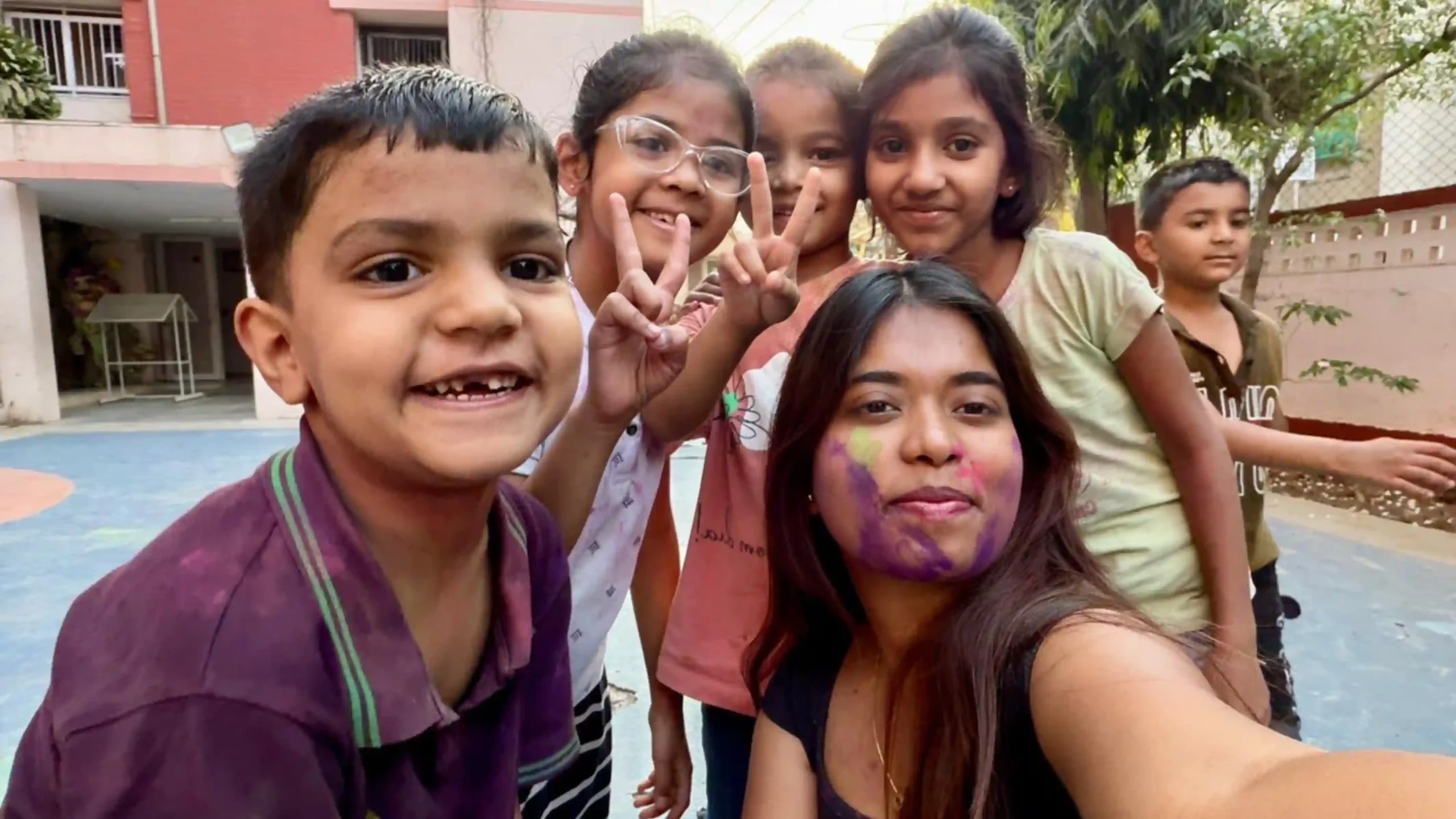
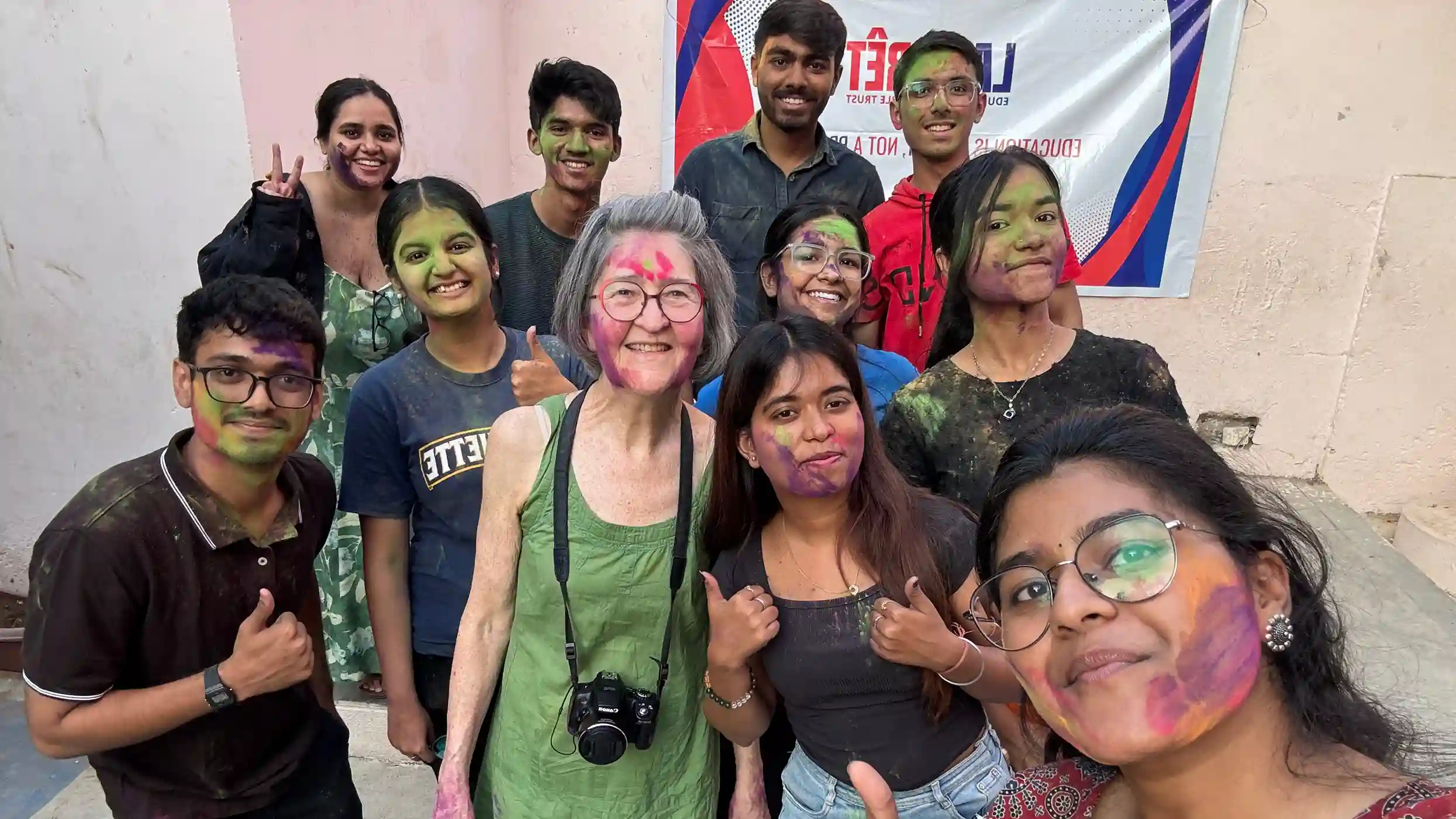
Educating a girl is not just about one life. It strengthens families, communities, and the future of our world. India has introduced many programmes to improve girls’ access to education. However, real change needs collective effort and consistent action from society. When families, schools, and communities work together, girls gain the space to grow and succeed. At La Forêt Education Charitable Trust, our belief remains clear: when you educate a girl, you uplift a generation. We have seen quiet transformations from girls returning to classrooms, finding their voices, to dreaming bigger. Let us work together to make sure every girl can pick up a pen and write her own future.
Frequently Asked Questions
Q1. What Is the Role of Education in Women?
Ans: Education plays a vital role in shaping a woman’s life. It builds confidence, awareness, and decision-making ability. Educated women understand their rights, manage health better, and support their families. It also enables women to break free from cycles of poverty and inequality. They contribute to society through work and leadership. Education helps women move from dependence to independence and live with dignity.
Q2. How Can Women Promote Education?
Ans: Women can promote education by encouraging learning at home and supporting girls to stay in school. They can raise awareness in their communities and challenge harmful beliefs. By becoming role models, women inspire others to value education. Even small steps help create long-term change.
Q3. What Is the Right to Education for Women?
Ans: The right to education ensures that women and girls can learn without discrimination or barriers. It guarantees equal access to schools, safe learning spaces, and fair treatment. This right protects dignity and creates opportunities for personal and social growth.
Q4. How Is Education Key to Women’s Empowerment?
Ans: Education empowers women by improving knowledge, skills, and confidence. It opens doors to employment and leadership roles. Educated women make informed choices and gain financial independence. Empowerment through education strengthens families and drives social progress.