Education is a powerful shield against disease. While medicine helps treat illness, education prevents it before it begins. And this proves to be true especially in case of children when their bodies are growing and developing fast. Therefore, it becomes essential to give them health education. Because, when they grow up understanding hygiene and nutrition, they are more likely to prevent diseases, lead healthier and more productive lives. And there could be no better place for delivering health education than classrooms. It is a place where they spend the majority of their formative years and pick up habits, values, and life lessons. Teachers and schools can play a vital part in shaping a child’s health awareness and daily habits. A simple practice like washing hands can be made a daily routine here. The goal is simple: to build awareness through education. When we teach children the “why” behind healthy habits and “how” to prevent diseases, we prepare them for a healthier, brighter future.
Why Classroom Awareness Matters in Child Health?
We often say “School is our second home” as children spend nearly one-third of their day in school. This means classrooms, corridors, and playgrounds become shared environments where germs can easily spread. In such close contact, one child’s sneeze or unwashed hand can affect many others.
Group settings help children learn teamwork and social skills, but they also increase the risk of infection. Think about shared desks, toys, and stationery they touch. They all act as easy, quick and common ways for viruses and bacteria to pass around easily. That’s why awareness inside classrooms is essential. A quick reminder to wash hands before lunch or to cover their mouth while coughing can make a big difference.
Teachers and the planned school curriculum can play a key role here. When children are taught about hygiene in a fun way, they listen and remember. When health lessons are part of science, stories, or art, they stop being “rules” and become values. Studies show that schools that include health awareness in their curriculum help children develop lifelong habits and can reduce absenteeism by nearly 20% each year.
Common Diseases Kids Face in Classrooms
Illnesses are a part of growing up, but some spread faster in school settings. Because, classrooms are highly social places and often expose children to a range of common, quick-spreading illnesses. Understanding these specific diseases helps teachers and parents take quick action before they affect many students.
Respiratory Infections (Cough, Cold, Flu)
Coughs, common colds, and the flu are very familiar in schools. These infections are highly contagious and spread easily and fast when children cough or sneeze openly. Germs travel quickly through the air or land on classroom surfaces making it contaminated. Children should be taught to cover their mouths when sneezing or coughing and to avoid close contact with individuals who are sick. Good ventilation, hand hygiene, and timely flu vaccinations reduce the spread.
Gastrointestinal Illnesses (Diarrhoea, Food Poisoning)
Foodborne illnesses include stomach bugs, diarrhoea, and sometimes mild food poisoning. It occurs when children eat contaminated food or forget to wash their hands before eating. Schools must ensure clean drinking water, proper storage of tiffin boxes, and regular cleaning of eating areas. Even a small hygiene lapse can affect several children at once.
Skin Infections (Fungal Infections, Lice, Rashes)
Children often sit close to each other, making it easy for skin infections or head lice to spread. Fungal infections thrive in warm, moist spaces like changing rooms. While head lice spread through shared hats or combs. These can be avoided by practicing daily hygiene, keeping nails trimmed, and refraining from sharing personal items like combs or towels. Teachers and parents should also look for early signs like itching, redness, or white flakes for quick detection and keeping others safe.
Seasonal Diseases (Dengue, Malaria, Viral Fever)
Depending on the geographical region, diseases like dengue, malaria, and general viral fevers are an annual threat. Mosquito-borne diseases rise during monsoon months as stagnant water attracts mosquitoes that spread these illnesses. Schools should make sure that no water collects in pots, corners, or open areas. Awareness drives about wearing full sleeves and using mosquito repellents can help reduce risks.
A continuous cycle of illness affects attendance and learning hugely. When a child is sick, they sadly miss out on important classroom lessons. And while trying to catch up on missed school work, children can get anxious and stressed. That’s why a healthy classroom ensures a steady learning and better focus.
Key Preventive Measures That Schools Can Implement
Prevention is always better than cure. Schools have the power to create an environment where hygiene can become a natural habit.
1. Hygiene Practices
Teachers must make thorough hand washing a non-negotiable part of the daily schedule. This means encouraging students to wash hands before eating and using toilet breaks, every time. Reinforcing proper handwashing can lower the risk of spreading respiratory and gastrointestinal diseases. Placing accessible hand sanitiser stations in common areas like classroom keeps germs away. Schools can also teach the proper way to sneeze or cough like using a tissue and then disposing of it immediately.
2. Clean Environment
A clean classroom is a healthy classroom. A clean environment prevents any unnecessary germ build-up. Schools should follow regular cleaning and sanitizing surfaces and objects that are touched often, such as desks, doorknobs, restrooms and shared classroom items. Furthermore, ensuring a clean, safe, and reliable drinking water supply protects against waterborne diseases. Dust-free surroundings also reduce allergy-related illnesses.
3. Regular Health Check-ups
Regular health check-ups in schools are highly beneficial to all. It can help detect vision issues, dental problems, or early signs of illness. These checks help parents address potential problems before they become serious concerns. Many schools invite medical teams for on-site camps.
4. Vaccination Awareness Campaigns
Vaccinations protect children from several preventable diseases. Therefore, vaccination awareness campaigns are vital for safety. Schools can host awareness talks, share information leaflets, or vaccination schedules for parents. A short campaign can ensure every child stays protected.
Creating a healthy school environment requires commitment and careful planning from school leaders and staff. These simple, consistent steps make a big difference every day. When these steps become part of a school’s daily routine, health becomes second nature.
Role of Teachers in Promoting Health Awareness
Teachers are truly powerful role models for all young children. Children observe everything their teachers do like using tissues, drinking clean water, or sanitising hands, children naturally follow. Therefore, they must set an example of all the healthy behaviours and habits they want to see in their students.
Teachers can incorporate disease prevention lessons into the curriculum in creative ways. Morning reminders or fun hygiene songs can make health lessons enjoyable. For instance, a “clean hands” rhyme before lunch helps even younger kids remember to wash up.
Teachers spend so much consistent time with the children that they often notice subtle health changes like if a child looks pale, tired, or unwell. Identifying early symptoms and informing parents can prevent the spread of infections. Schools can train teachers to handle such situations with care. A teacher’s care is often the best medicine a child receives in school
How Parents and Schools Can Work Together?
Health education becomes effective when both schools and parents work hand in hand, as a team. If a child is taught a new hygiene song at school, singing it at home helps cement the habit firmly. Therefore, when both teachers and parents share the same message, it builds consistency. Parents can also mirror classroom practices at home reminding children to wash hands, cover their mouths, or eat healthy lunches. Simple habits practised in both places soon become part of a child’s personality.
Also, there should be strong, open communication between teachers and parents. Teachers should update parents immediately if a child shows any new symptoms of illness. Likewise, parents must inform the school about any diagnosed illness in the household. This vital transparency helps the school track and prevent further health spread.
Furthermore, schools should organise regular workshops, meetings, health fairs and informative newsletters to keep everyone informed and aware. Joint activities, like “Hygiene Week” or “Healthy Tiffin Day,” can turn awareness into a shared experience. This united front teaches children that health is a continuous priority, not just a simple school activity. Ultimately, a partnership approach ensures a much safer and healthier learning environment for all students.
Making Awareness Fun and Engaging for Kids
Health education for young children should never be dull, boring or strict. It must be engaging and fully interactive to be truly effective and memorable. We can use plenty of fun methods to teach important lessons about germs and prevention.
Storytelling and Role-Play About Germs
Children learn best through play and using their imagination. Teachers can use imaginative storytelling where “germs” are tiny villains and children are “health heroes.” Role-play allows children to act out scenarios like being a ‘Hand Washing Hero’ who bravely defeats the nasty ‘Cough Monster’. This makes learning fun and practical.
Interactive Games and Competitions
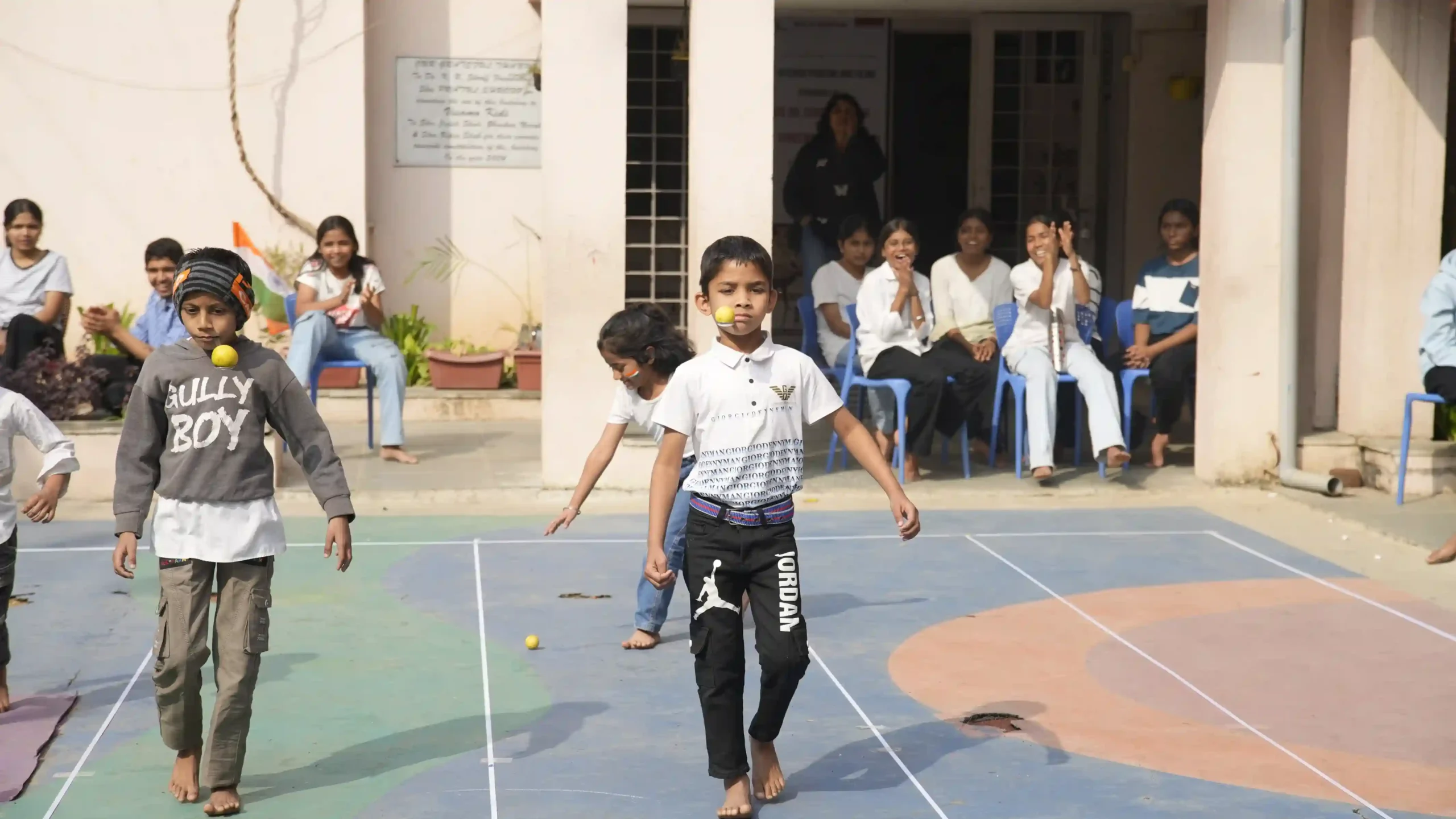
When you combine interactive games with learning, children are more likely to participate. A quick quiz or drawing contests on hygiene themes with prizes for the winners works very well and also keeps them motivated. A fun classroom competition to see who has the cleanest, tidiest desk area or handwashing race adds a wonderful element of fun.
Visual Charts and Posters in Classrooms
Bright, colourful visual charts and posters are excellent, simple tools. They can show when and how to wash hands or sneeze safely act as constant reminders. Labelling bins as ‘Germ Bins’ makes tissue disposal memorable and fun.
Reward-Based Hygiene Routines
Stickers or “Healthy Hero” badges can motivate children to stay consistent. Recognition builds enthusiasm and responsibility. It makes children naturally want to practise good, healthy habits.
When awareness is playful, children learn without pressure and those lessons last longer.
The Wider Impact of Early Health Education
Health awareness in early years does more than prevent short-term illness. It builds habits that last a lifetime. A child who learns the importance of regular exercise now is far more likely to stay active as a future adult. A child who learns the value of cleanliness and prevention grows into an adult who values public health and safety.
Such awareness spreads beyond classrooms. It reaches homes, playgrounds and communities. When children influence their parents or friends to stay clean or get vaccinated, the circle of protection grows wider. This means fewer doctor visits and less strain on local health services.
Furthermore, illness and chronic physical and mental health conditions are common causes of school absenteeism, influencing academic performance and mental well-being. Healthy children can focus better, miss fewer classes, and participate more actively in school activities. Prioritising health is thus an essential investment in a child’s entire future. It helps them unlock their full potential both in school and in their lives.
A Step Towards Healthier Futures
Every simple lesson taught today is a valuable seed planted for a healthier generation tomorrow. Every teacher who reminds a child to wash hands, every parent who packs clean food, and every school that promotes hygiene; they all play a part in building stronger generations.
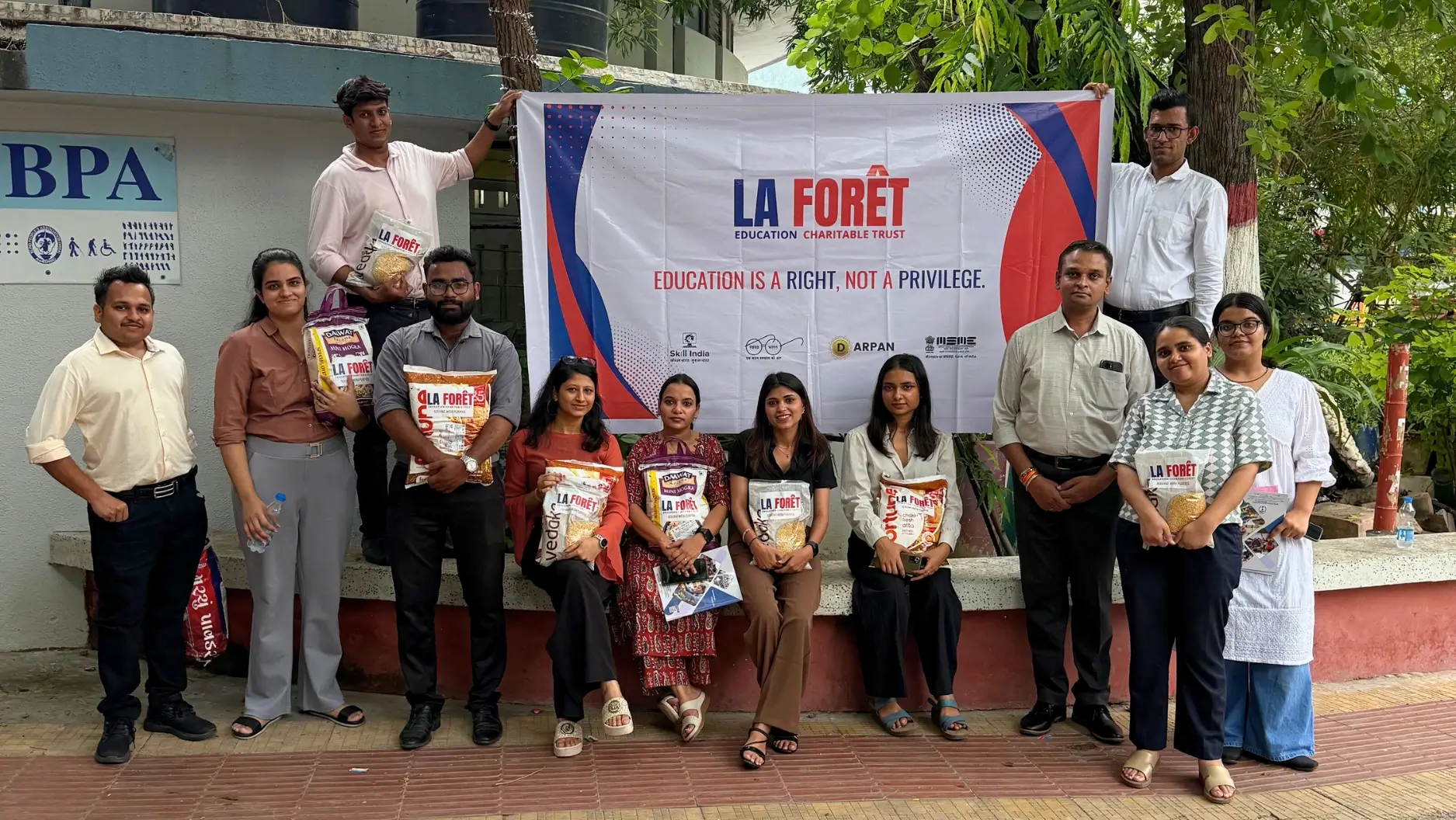
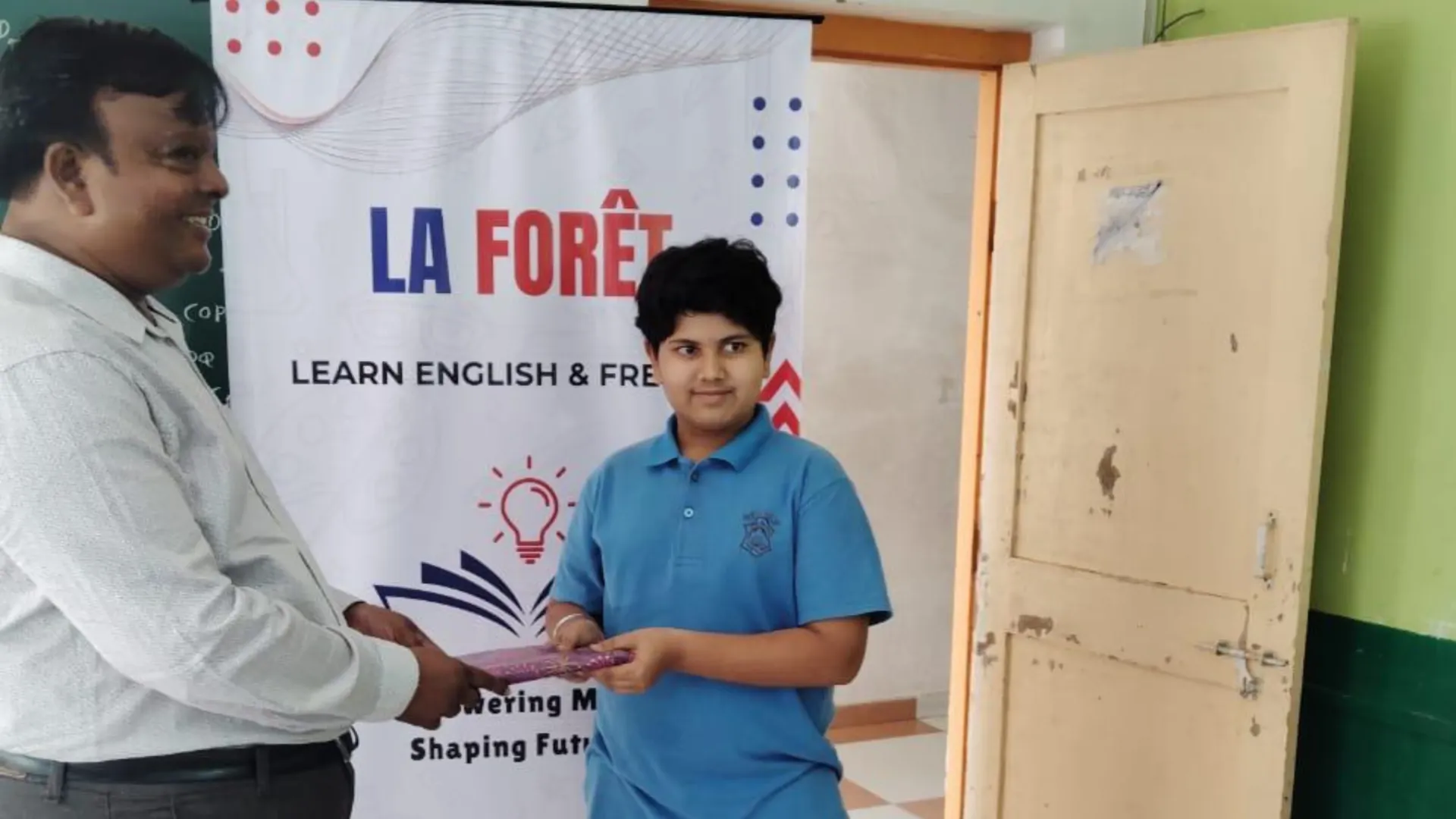
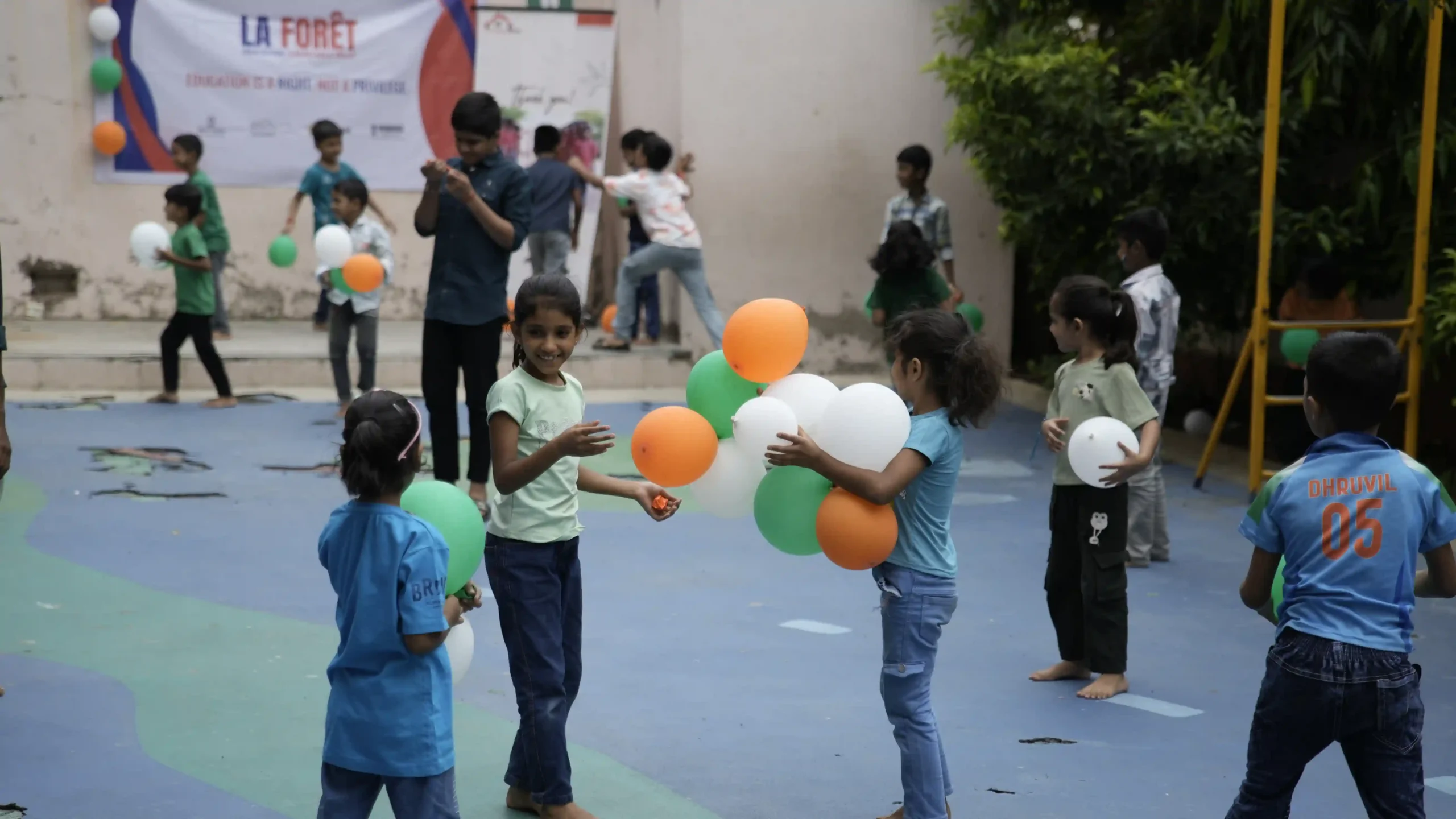
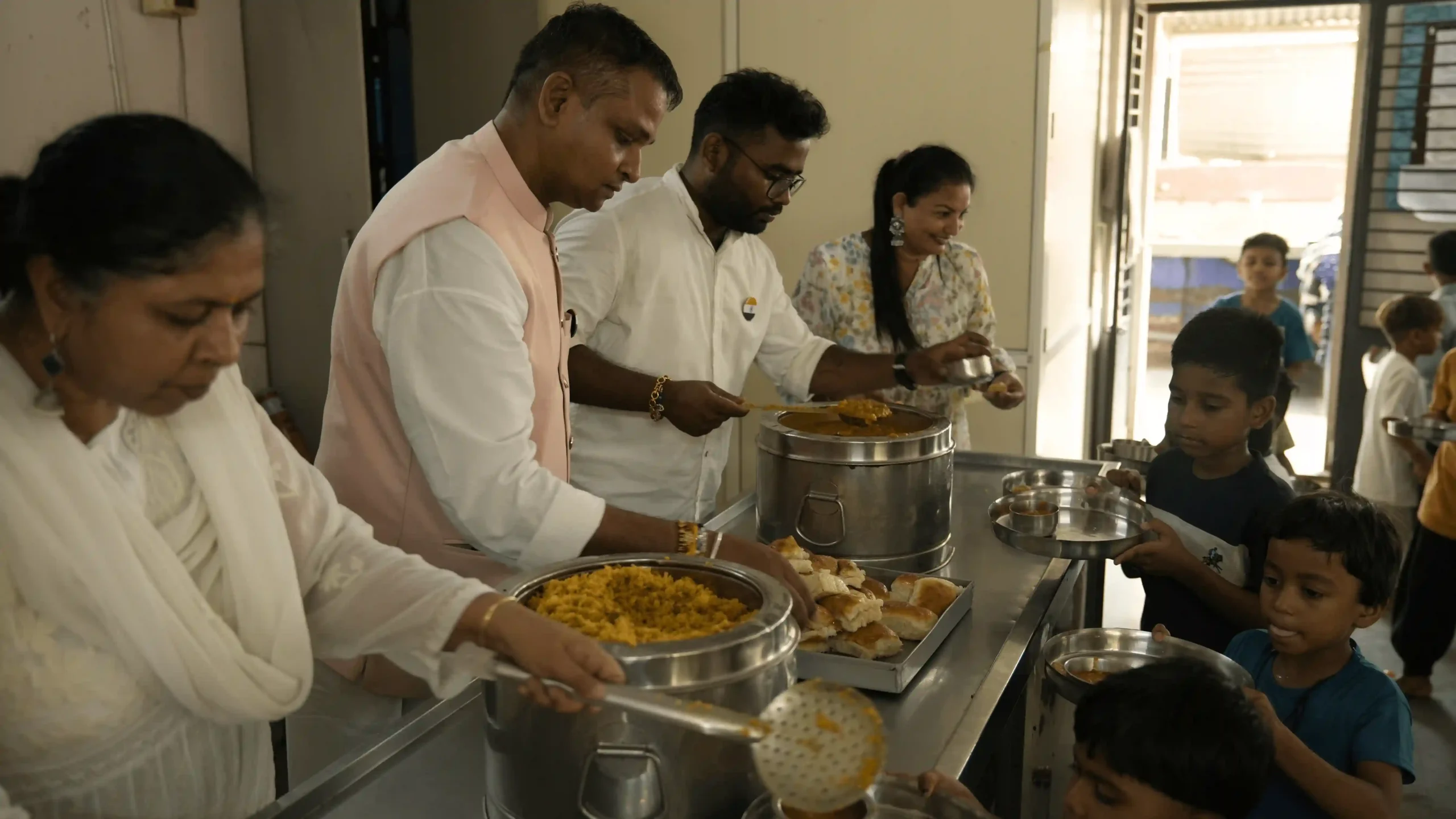
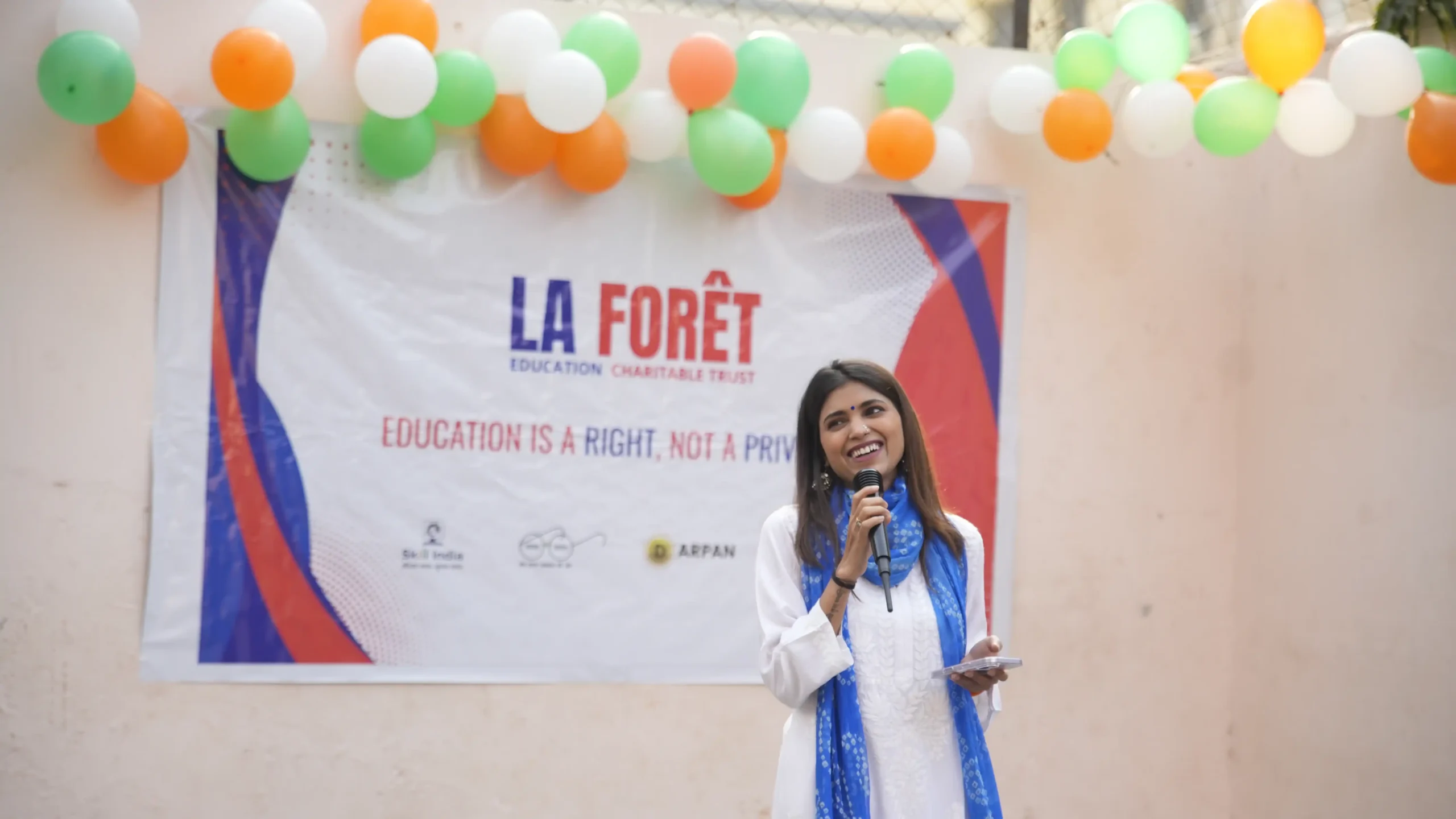
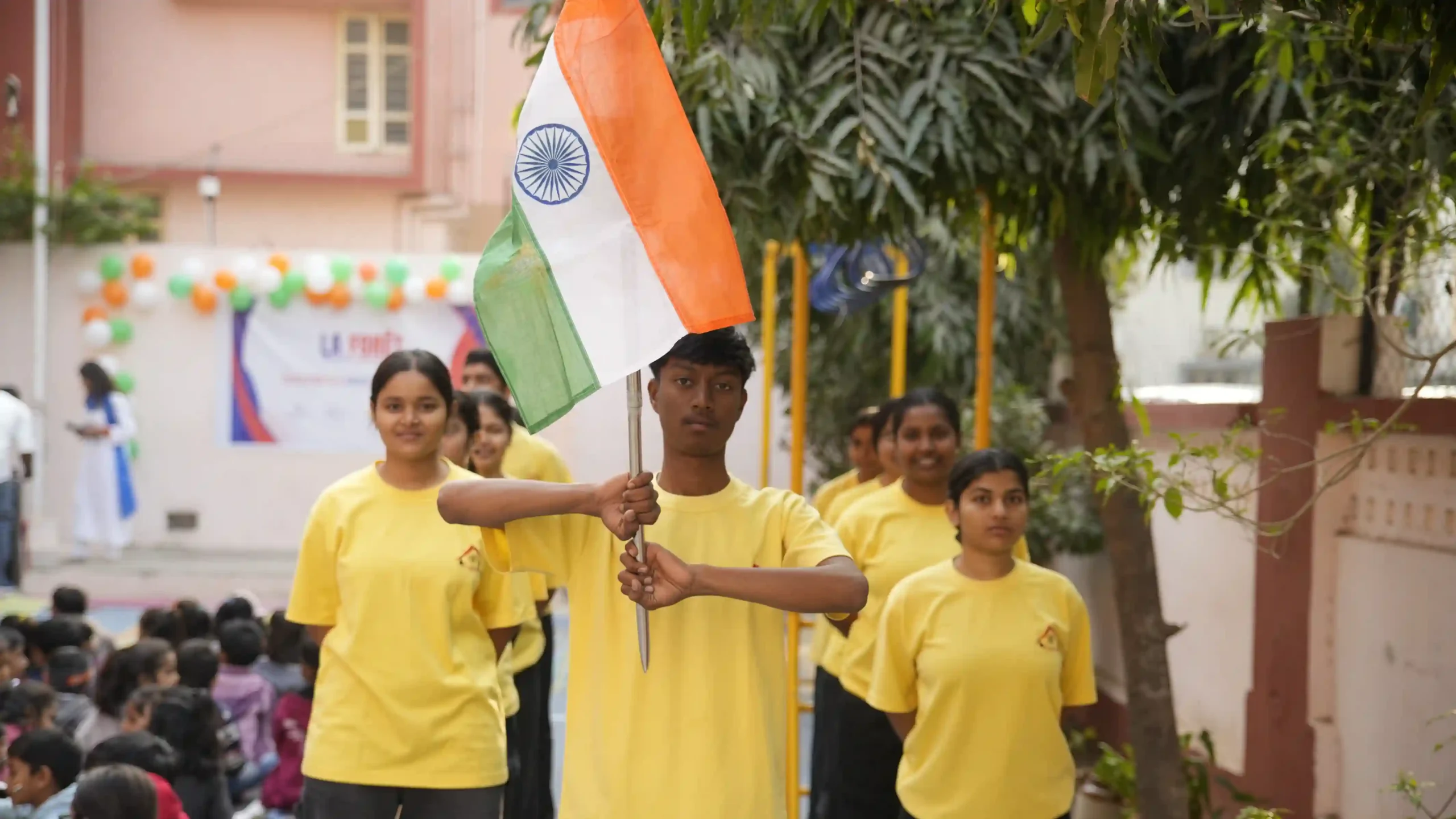
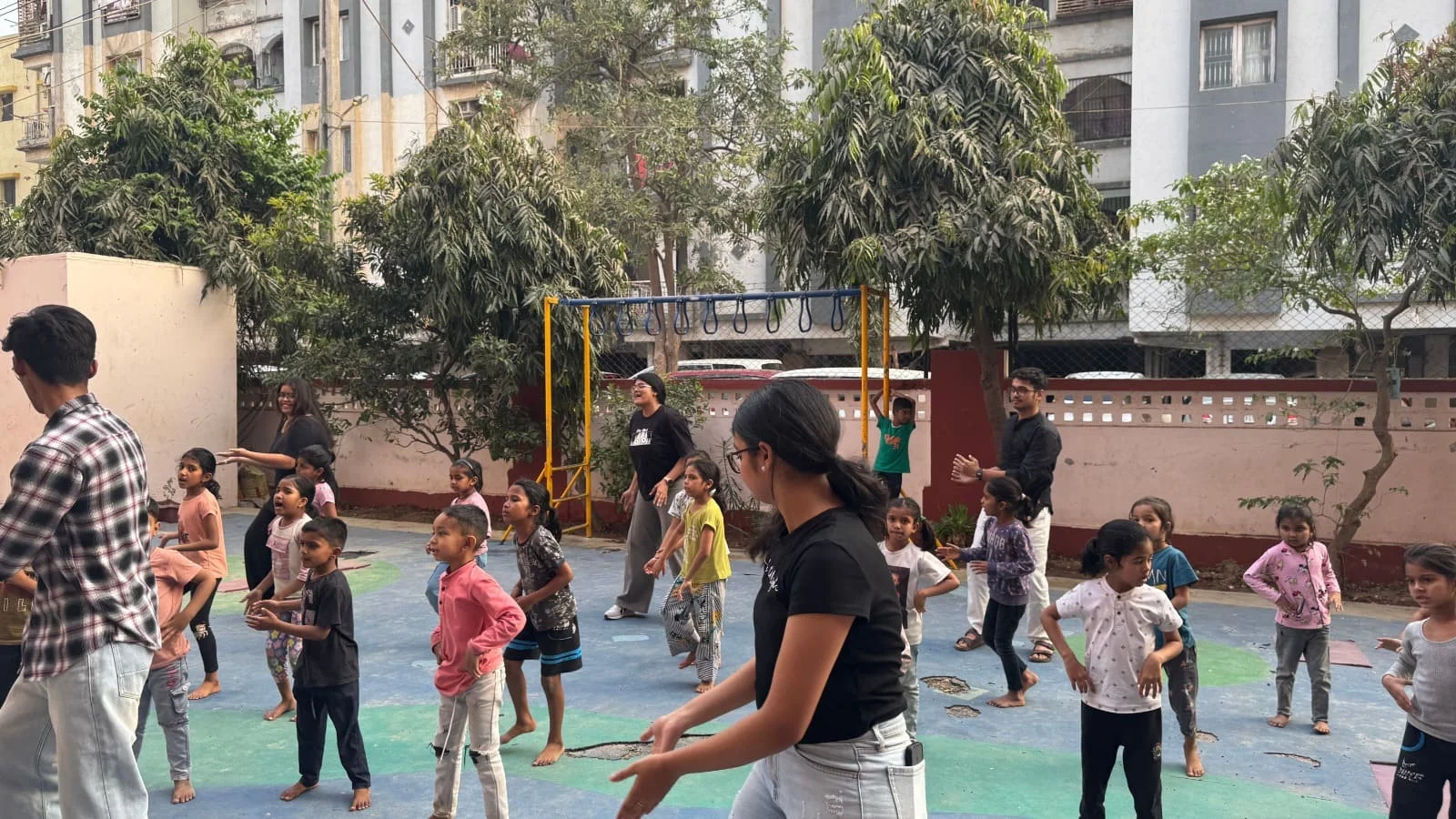
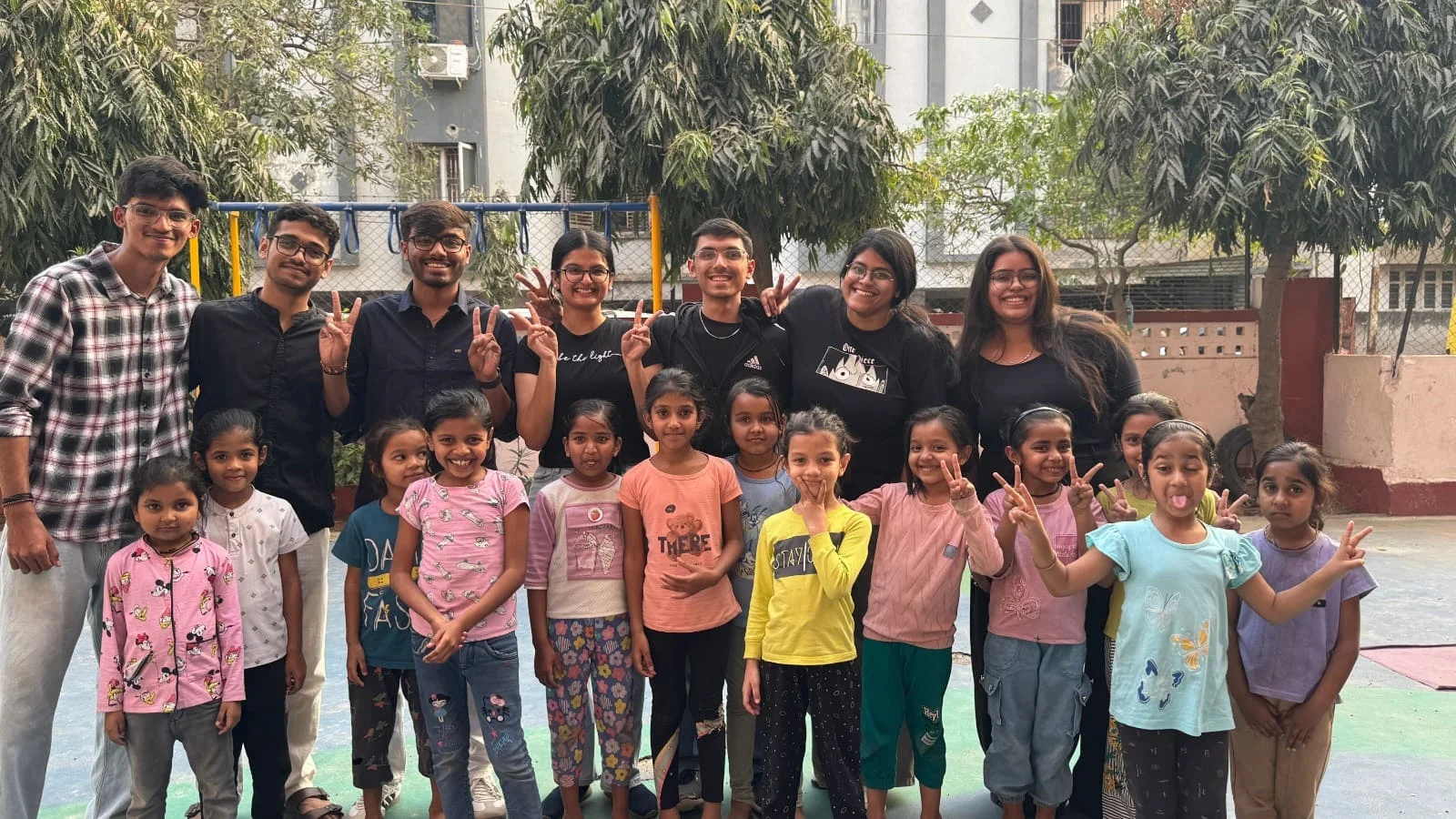
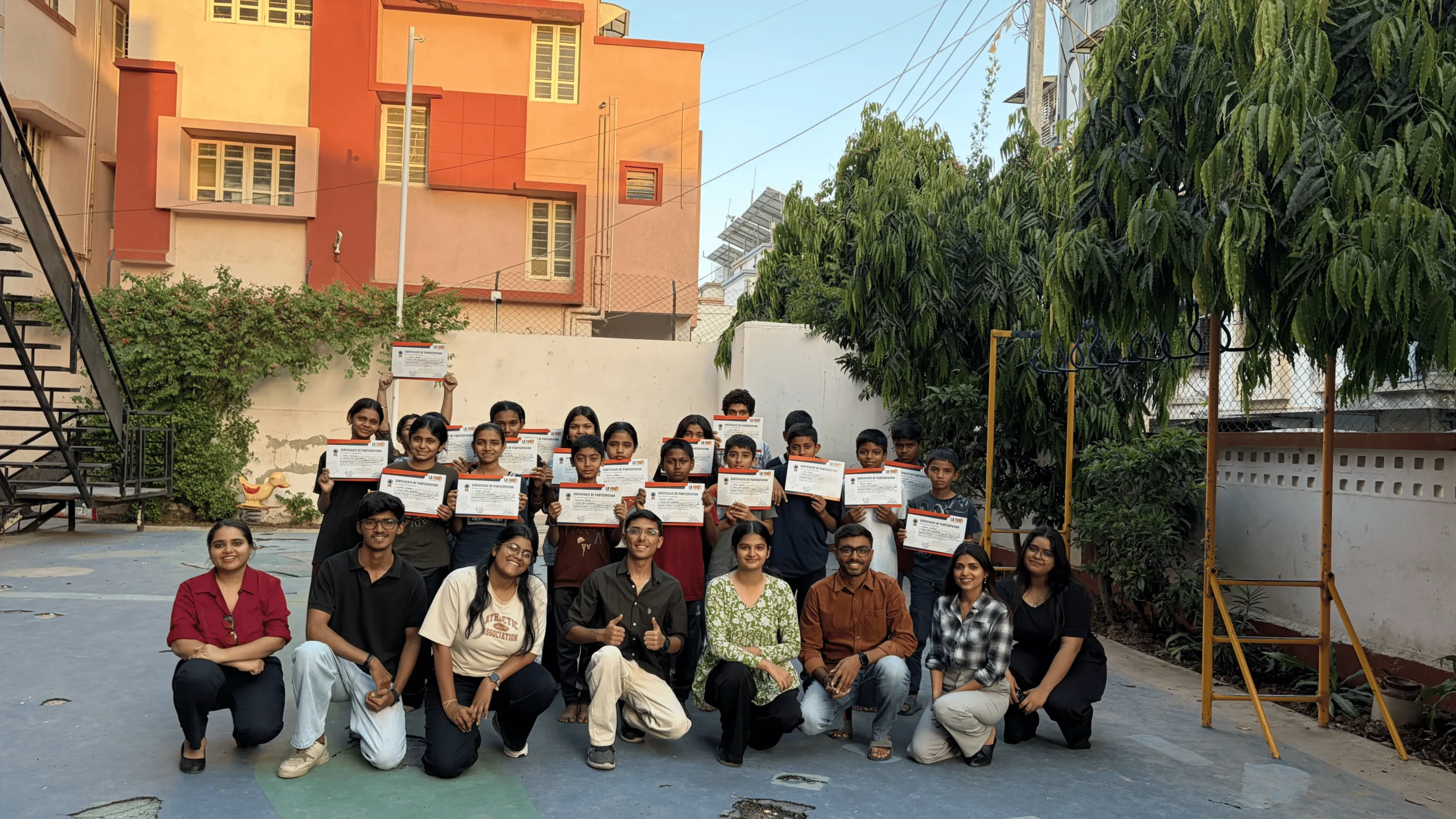
Disease prevention isn’t just a health goal; it’s a shared responsibility. Together, teachers, parents, and communities can create environments where children learn safely and happily without interruption of sickness. Organisations like La Forêt Education Charitable Trust can also help make this mission a reality for more children. They are fully committed to supporting educational and awareness initiatives. Through La Forêt’s work, they are helping children grow not only smarter but also healthier and more confident.
Healthy habits start in classrooms and last a lifetime. Preventing diseases through simple awareness can protect hundreds of young lives. Small, consistent steps in hygiene and education create big, positive changes in health and learning success. Together, we can turn awareness into action and classrooms into places of lasting wellness.