“Wisdom is not a product of schooling but of the lifelong attempt to acquire it.” — Albert Einstein
Education isn’t confined to classrooms, exams, or degrees. It’s a lifelong journey that shapes people and nations alike. True education blossoms when communities come together to support it. While schools and teachers may light the spark, it’s the collective energy of parents, local organizations, and community leaders that keeps the flame of learning alive. Today, education is no longer a one-way process from teacher to student. It’s a shared journey built on collaboration.
This growing understanding has led to powerful community partnerships where schools, families, NGOs, and local leaders come together to change the future of learning. But how? In this blog, we’ll explore how these partnerships work, why they matter, the challenges they face, and inspiring real-world examples of how communities are becoming the true heroes of learning.
Why Community Partnerships Matter in Education?
As the quote suggested, education is too important to be left to schools alone. This is where community partnerships step in. When schools collaborate with NGOs, local leaders, parents, and volunteers, they bridge the gap between what students learn in books to what they need in the real world. Such collaborations ensure that education becomes inclusive and contextually relevant. For example, a rural community might help integrate agricultural knowledge into science lessons, while an urban community could connect students with tech professionals for coding workshops.
So, instead of schools working alone, education becomes a collective effort, a community project where everyone has a role to play. And this collaboration isn’t just about sharing tasks; it’s about shared responsibility for shaping young minds. This teamwork also sparks innovation, as diverse minds come together to solve problems
Moreover, these partnerships strengthen the emotional and moral fabric of education. When students see parents, volunteers, and leaders actively engaging in their learning journey, they feel valued and motivated. That is why community partnerships ensure students gain not just knowledge, but also skills, confidence, and a sense of belonging.
The Power of Collective Resources
No single school or organization has endless resources, but a community does! When partnerships come together, they create a powerful pool of financial support, human talent, and shared knowledge. This pooling of resources is one of the greatest strengths of partnerships and can dramatically improve how far education can reach.
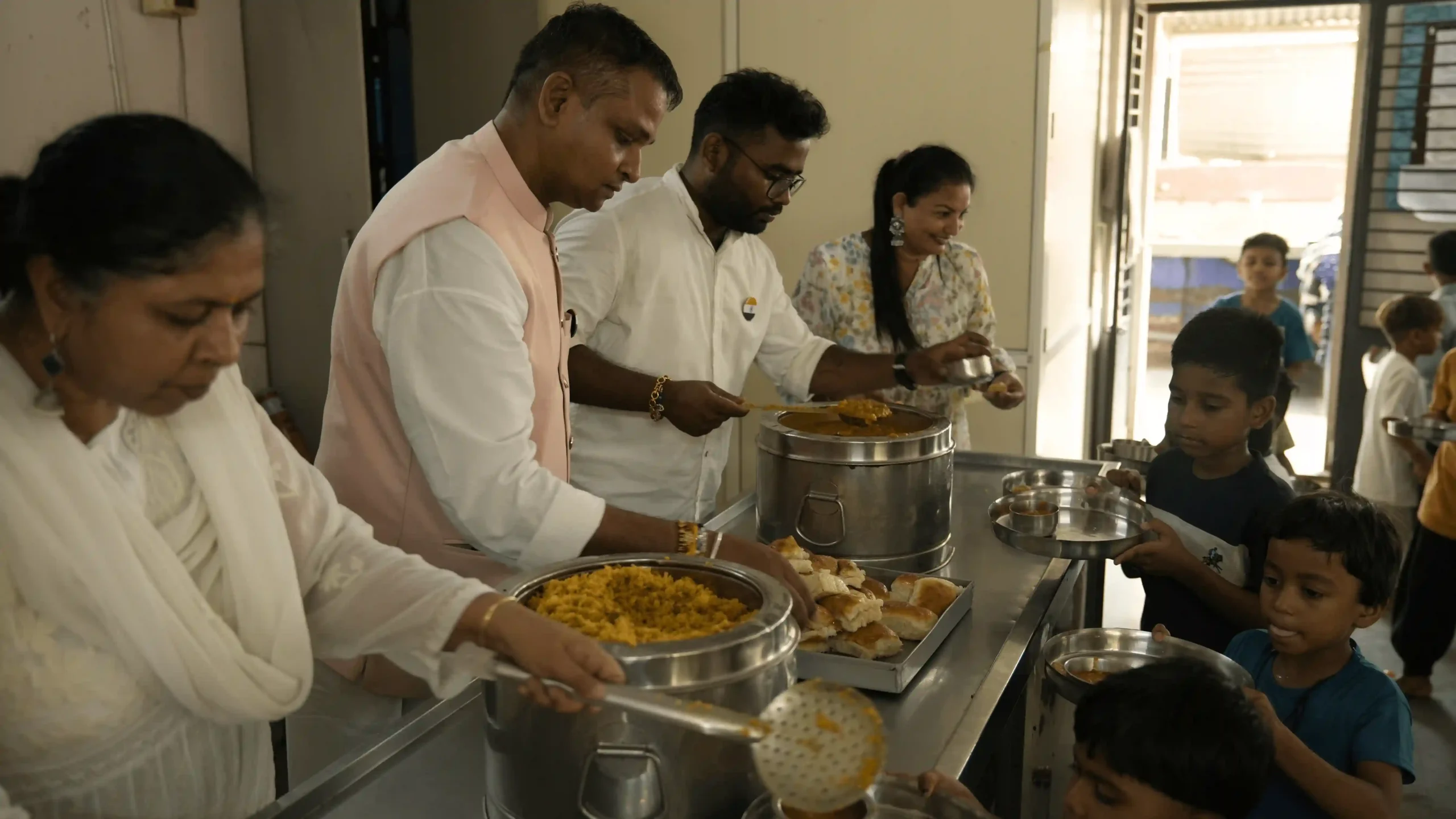
Businesses can offer internships or sponsor educational materials; NGOs can provide teacher training and life-skill sessions; parents can volunteer for school activities or mentor students. Even retired professionals, local artists, and entrepreneurs can contribute their expertise. These contributions may seem small individually, but collectively they form a powerful network of learning and opportunity. Beyond material support, collective resources also include intangible yet invaluable gifts like time, knowledge, and empathy. Resource-sharing not only makes education more accessible and equitable, but it also ensures that no child is left behind simply because of financial or geographical limitations. Thus, when everyone contributes their piece, education transforms into a community-driven movement rather than an institutional duty.
Enhancing Learning Outcomes Through Local Involvement
When parents, mentors, and local businesses are actively involved in education, students benefit in countless powerful ways. Parents bring encouragement, mentors bring guidance, and businesses bring real-world exposure. Together, they make learning relevant and practical.
Local involvement transforms classrooms into spaces of experiential learning, where theory meets real-life application. For instance, farmers teaching sustainable practices make environmental lessons real. Local doctors conducting health awareness drives instill life values. Entrepreneurs mentoring young innovators foster creativity and courage.
This involvement not only enhances learning outcomes but also builds life skills such as teamwork, empathy, communication, and problem-solving. Moreover, community participation increases attendance, enthusiasm, and emotional connection with learning. When students feel that their education reflects their culture, surroundings, and identity, they engage more deeply. Schools, in turn, witness better academic results, stronger teacher-student bonds, and reduced dropout rates. In short, community participation doesn’t just enhance education; it humanizes it.
Challenges in Building Community Partnerships
Building effective community partnerships in education sounds beautiful, and it is, but isn’t always easy. It’s important to acknowledge the bumps along the road.
- One of the most common challenges is trust issues, especially if past efforts haven’t been successful. Schools may hesitate to share responsibilities, and communities may doubt how resources will be used.
- The communication gaps between schools and communities can also be a hurdle. There are coordination difficulties too, when different groups struggle to work together.
- Another issue lies in resource and role imbalance. Some partners may have more financial or institutional power, which can unintentionally create dependency rather than equality.
- Lack of long-term vision is another roadblock. Partnerships often start enthusiastically but fade without consistent follow-up, leadership support, or accountability systems.
- Financial constraints, bureaucratic hurdles, and changing priorities further add to the struggle.
However, it’s not all doom and gloom! These challenges are often opportunities in disguise. Overcoming them can lead to stronger, more resilient partnerships. Practical solutions include transparency in how resources are used, open and regular communication between all parties, and a long-term commitment to the partnership, rather than just one-off projects. By focusing on a shared purpose of “improving education”, communities can overcome barriers and create partnerships that last.
Real-World Examples of Community Partnerships in Education
Across the world, numerous initiatives showcase how community involvement can transform education systems. In India, Teach For India has become a movement where fellows, schools, and local communities collaborate to close learning gaps for underprivileged children.
In rural Kenya, community-led literacy programs have improved reading rates by including parents in the learning process. Instead of waiting for government aid, villagers built their own libraries and ran volunteer reading sessions. In Africa, community teachers in rural areas have successfully reduced dropout rates. In Latin America, parents’ councils support schools by contributing resources and ensuring accountability.
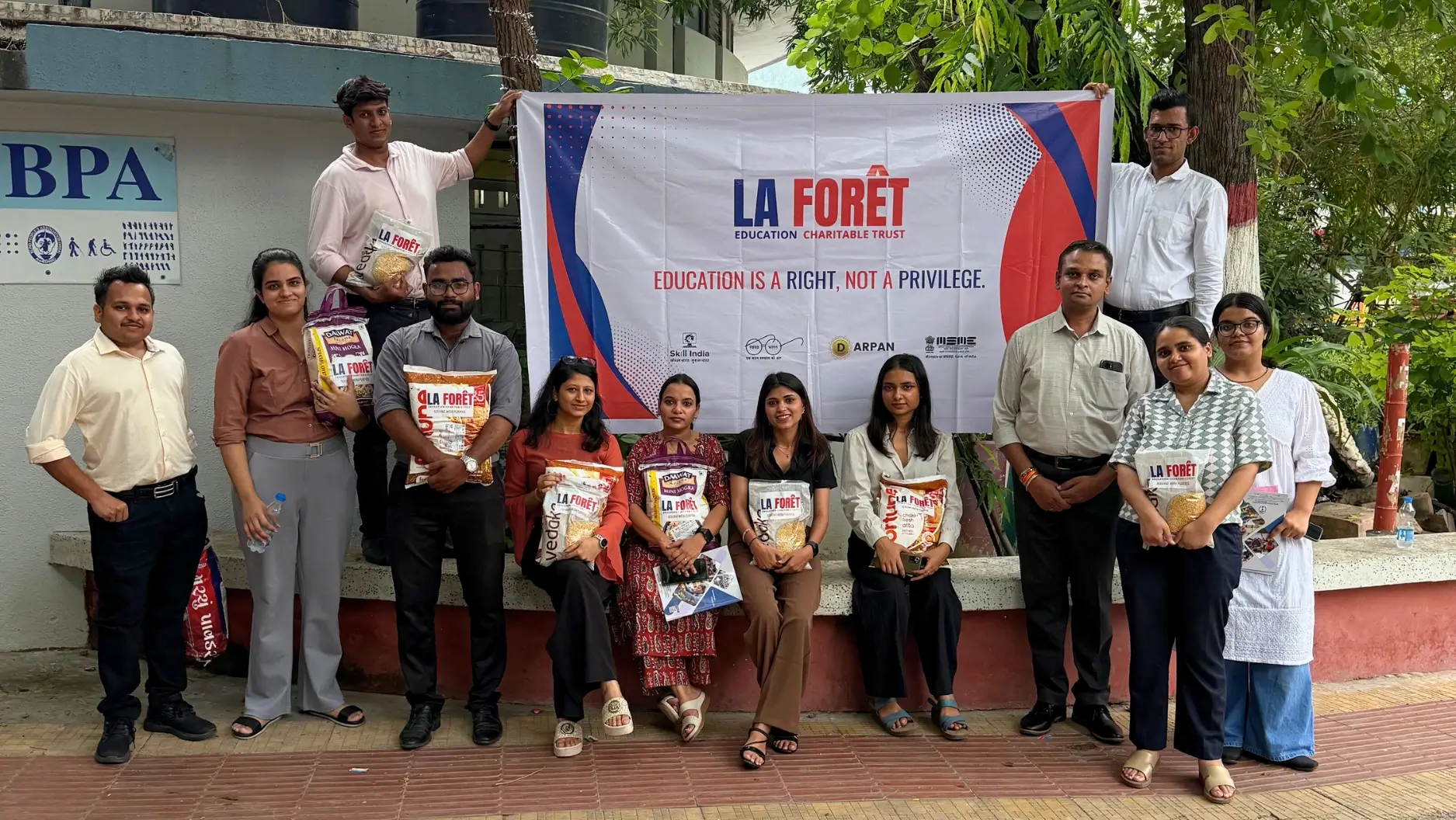
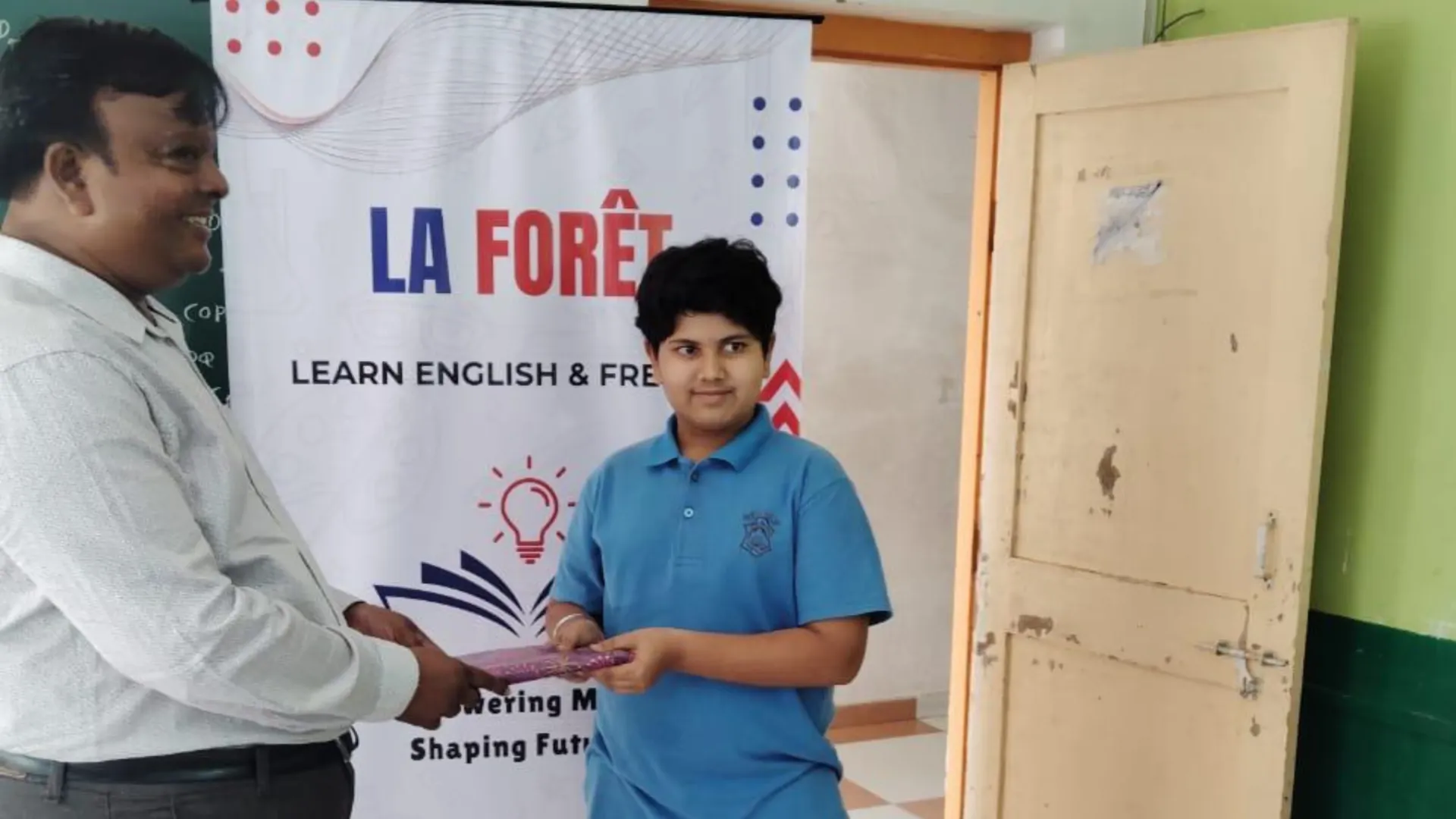
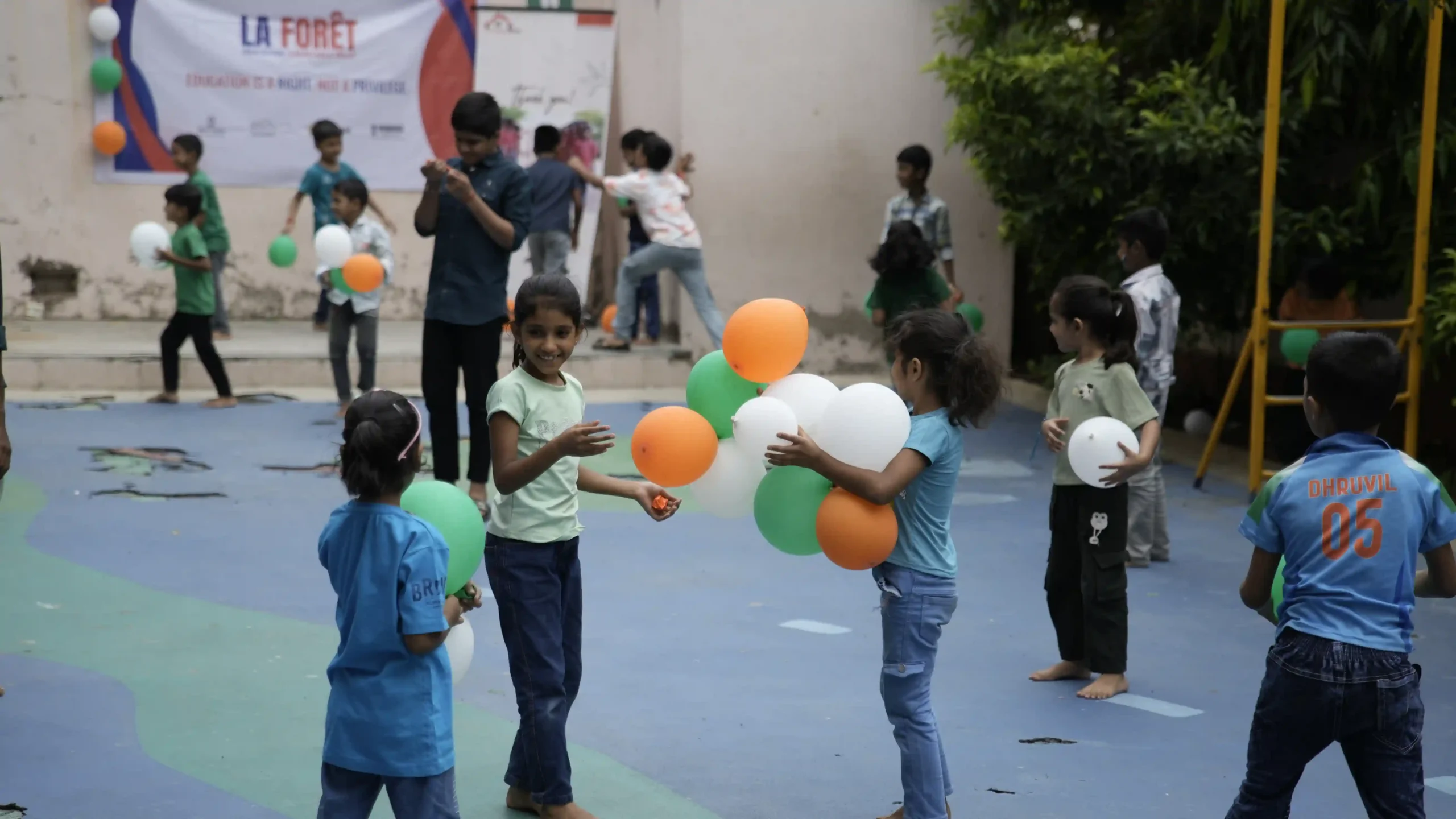
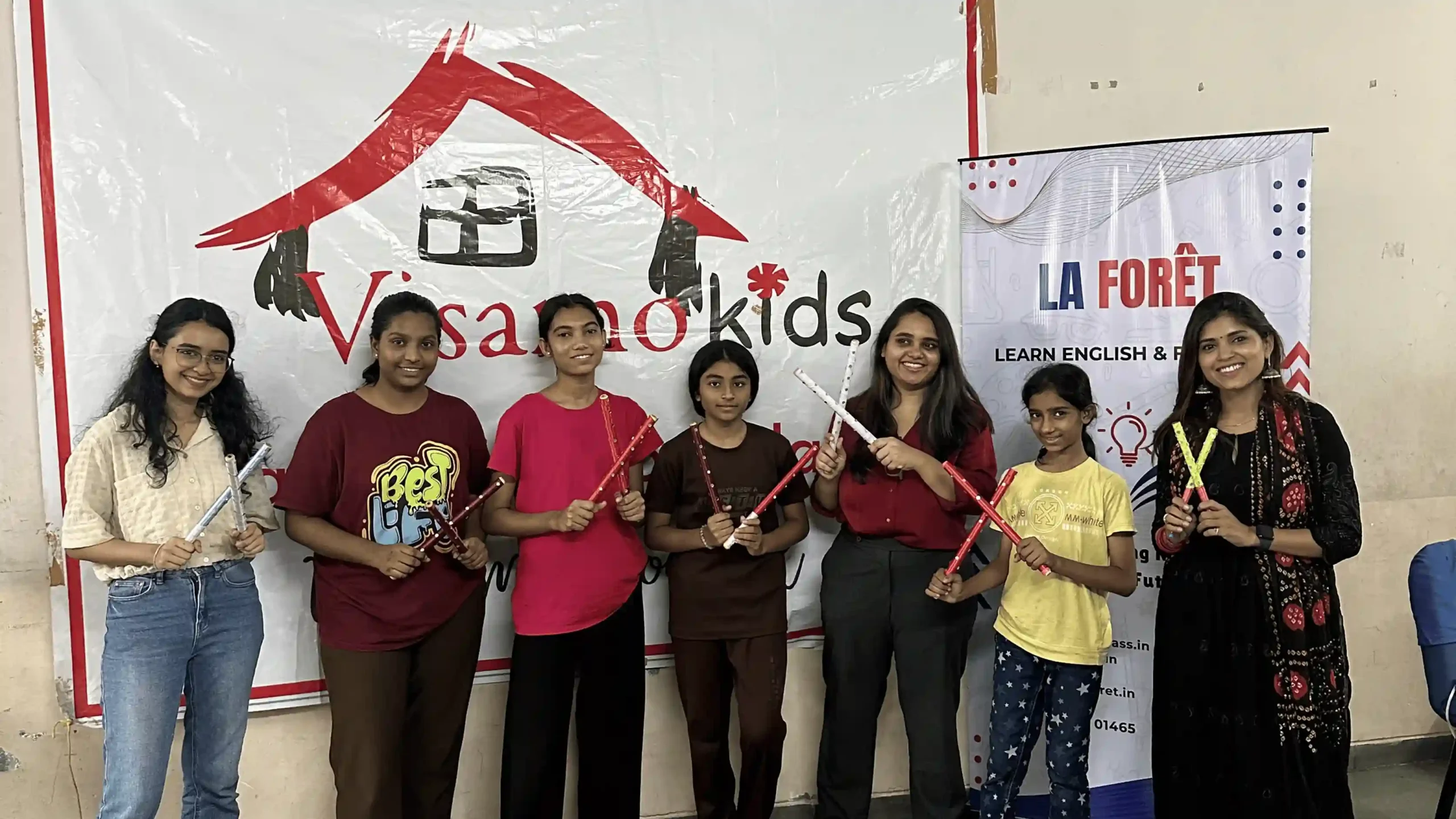
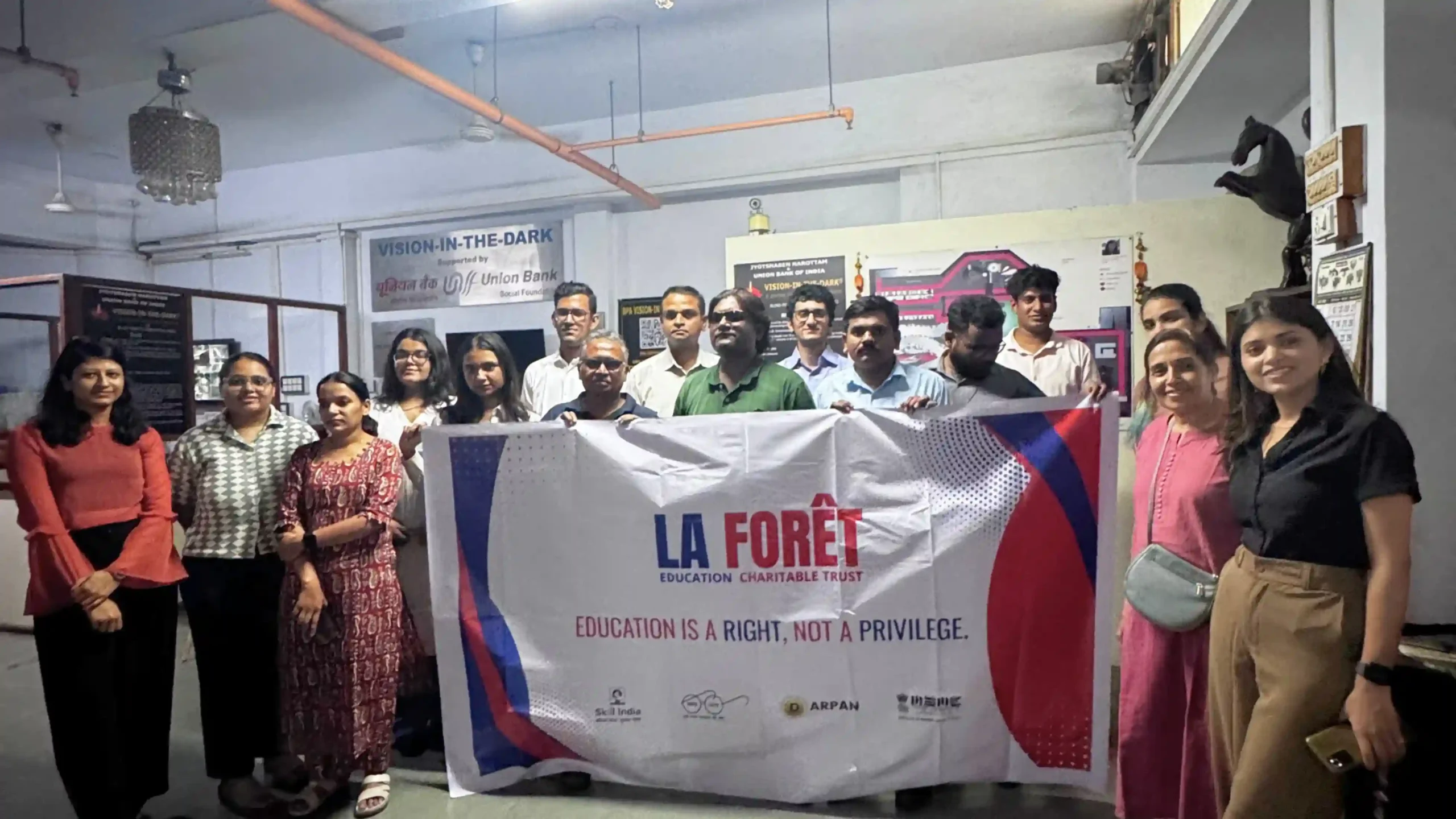
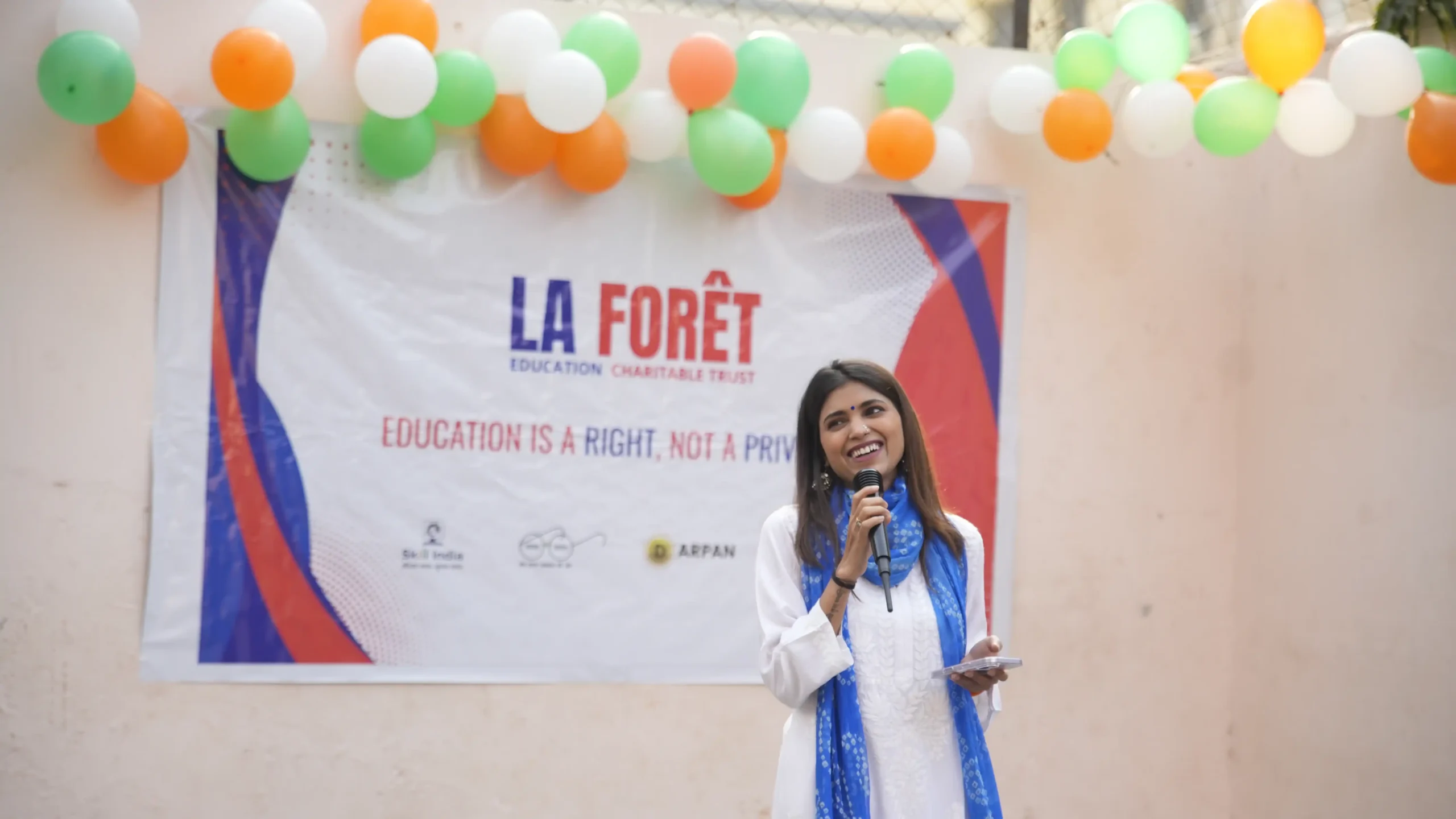
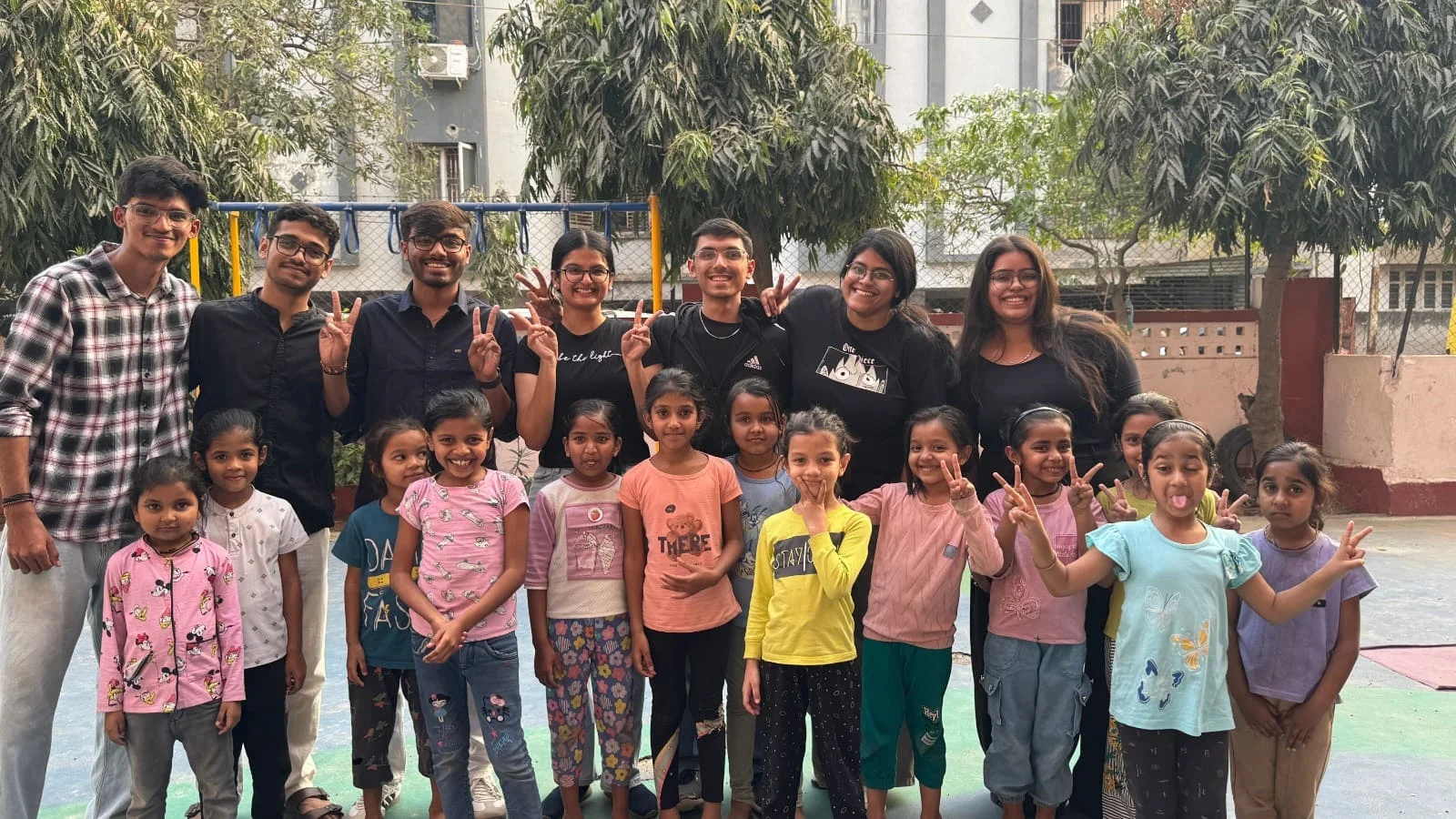
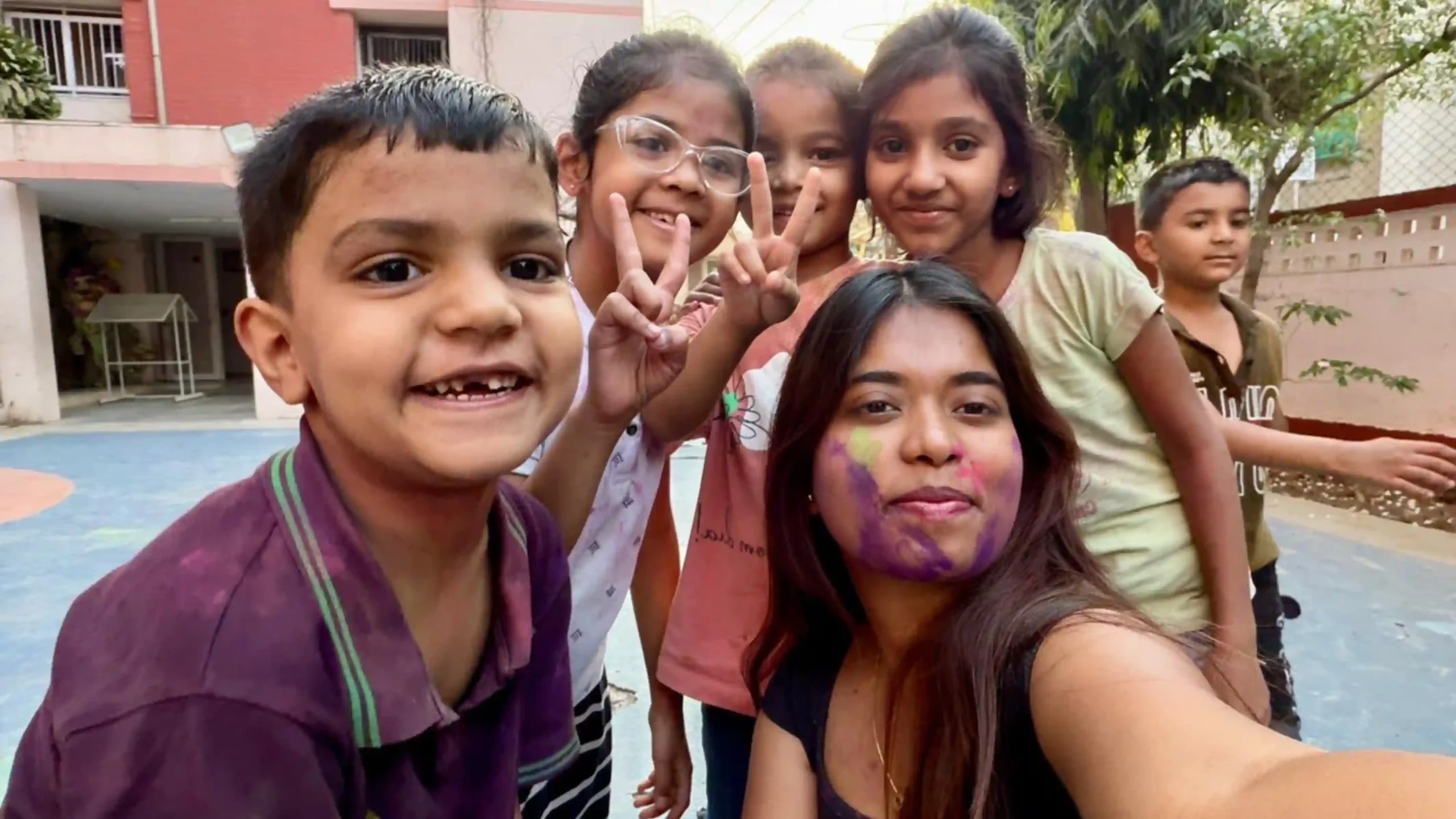
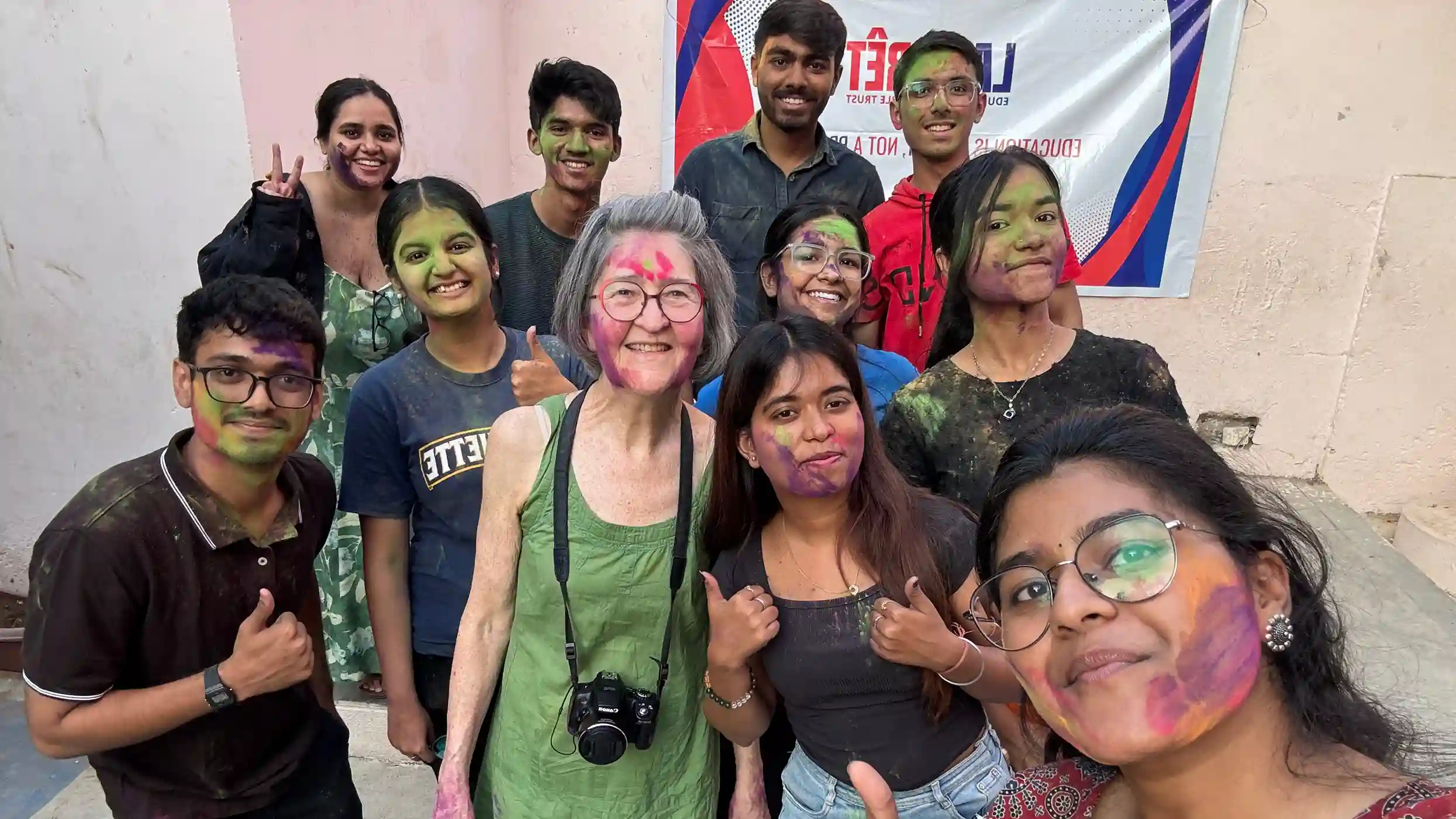
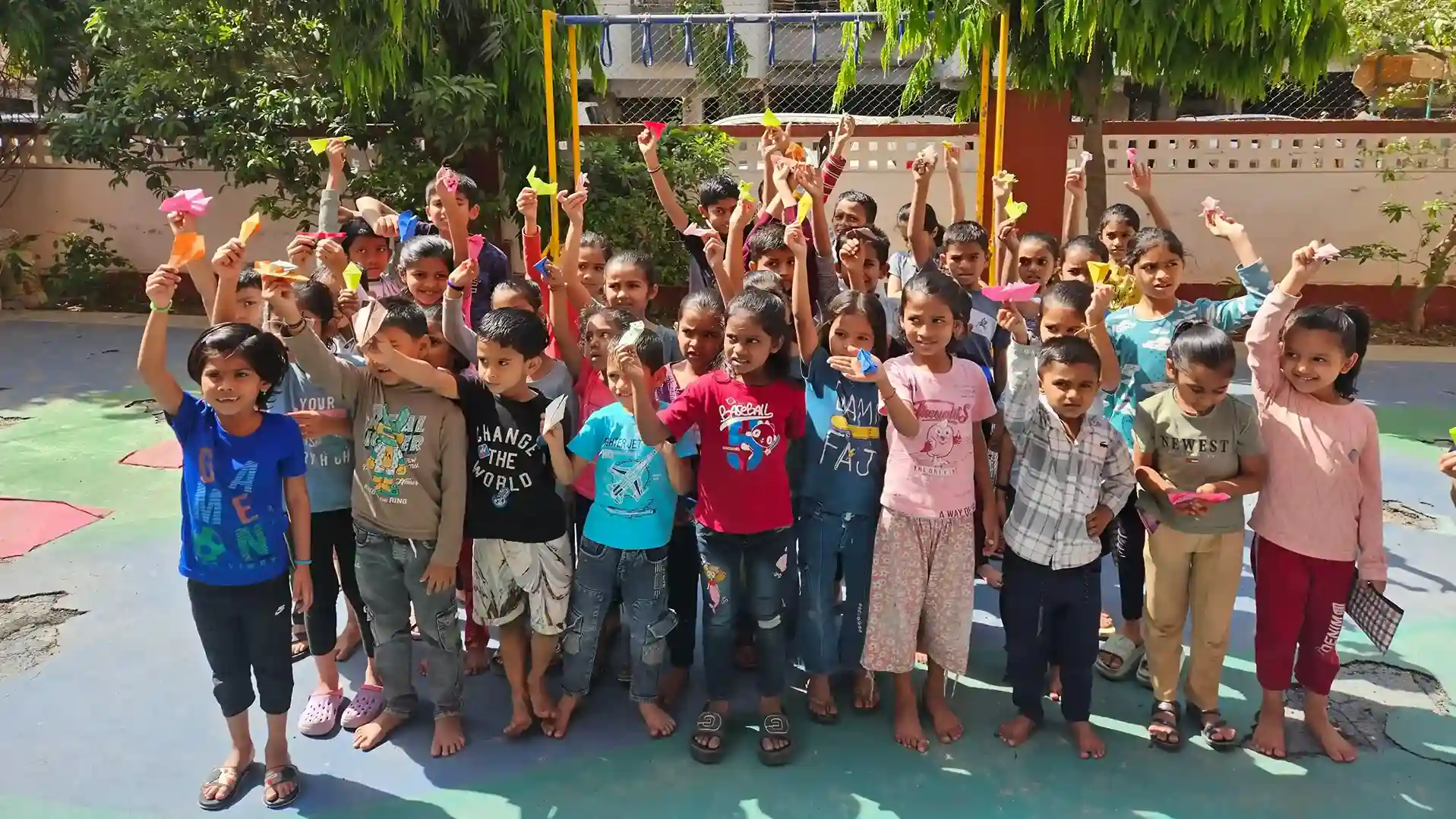
Closer home, many Indian villages have adopted the ‘School Adoption Program’, where local business owners fund classroom infrastructure or sponsor technology-based learning. Organizations like La Forêt Education Charitable Trust are working to empower communities through education, making learning accessible, equitable, and sustainable. These real-world examples remind us that community involvement is not just an addition to education; it’s a multiplier.
How Partnerships Help Scale Learning for the Future?
Community partnerships are not just about helping one school—they are about building models that can be scaled across regions. With collective efforts, thousands of students can access better learning opportunities.
For instance, digital learning programs initiated by NGOs can be expanded to multiple villages with the help of community volunteers. Mentorship networks led by local professionals can guide students in career readiness. Such models grow because they are sustainable, rooted in community involvement, and adaptable to changing needs.
As the future of education becomes more global, community partnerships ensure that growth is inclusive and far-reaching, scaling learning for millions of students.
Building Stronger Partnerships: Key Strategies
Strong community partnerships don’t happen overnight. They are built on trust, collaboration, and shared purpose. Here are key strategies to strengthen them:
- Build trust: Start small, deliver on promises, and be transparent about goals and outcomes. Trust is the foundation of any strong partnership.
- Define clear goals: Everyone involved should agree on what they want to achieve. Clear objectives help keep efforts focused and measurable.
- Communicate consistently: Regular meetings, open discussions, and feedback sessions help maintain transparency. Communication ensures everyone stays on the same page.
- Regular Evaluation: Periodically check in to see what’s working and what isn’t. Be open to feedback and willing to adapt your strategies.
- Promote Inclusivity: Ensure that all voices in the community are heard and valued. Diversity of thought leads to better solutions.
- Encourage Long: Move beyond one-off events. Aim for sustained engagement that builds strong, lasting relationships and ongoing impact.
- Embrace Adaptability: The needs of communities can change. Be flexible and willing to innovate.
When nurtured with care, these partnerships become pillars of transformation, helping education systems grow stronger, fairer, and more inclusive for generations to come.
Community partnerships are absolutely vital for taking education beyond traditional limits and reaching more people. They bring together resources, foster local involvement, and create stronger, more relevant learning experiences for everyone. We hope this inspires you to see the immense potential when we work together. Together, we can make education not just accessible, but transformational. The future of learning depends on partnerships, and it starts with us choosing to collaborate for collective progress.